Common Skin Problems in Children
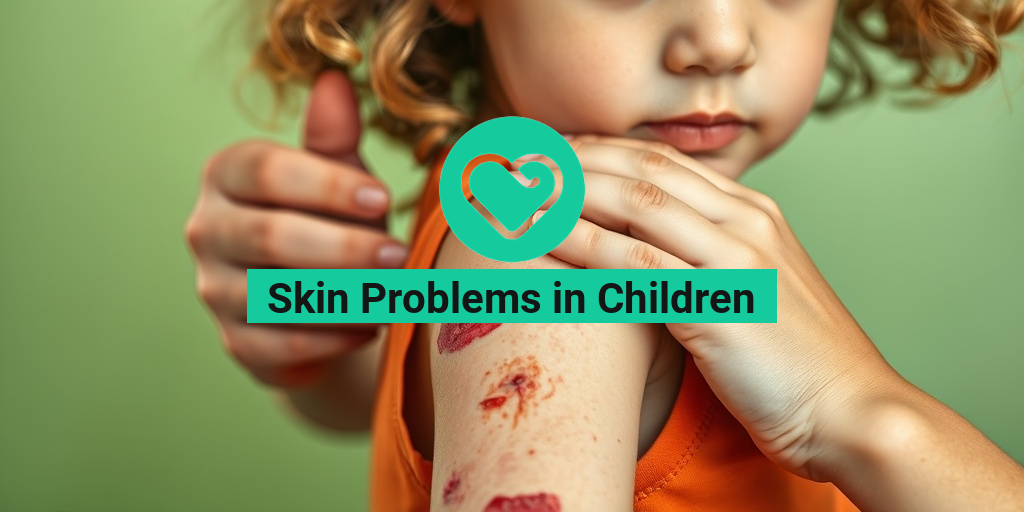
Skin problems in children are quite common and can range from mild irritations to more serious conditions. Understanding these issues is crucial for parents and caregivers to ensure the well-being of their little ones. Here are some of the most prevalent skin problems that children may experience:
1. Eczema
Eczema, also known as atopic dermatitis, is a chronic condition that causes red, itchy, and inflamed skin. It often appears on the face, inside the elbows, and behind the knees. Children with eczema may experience flare-ups triggered by allergens, irritants, or stress.
2. Diaper Rash
Diaper rash is a common skin condition in infants and toddlers, characterized by red, inflamed skin in the diaper area. It can be caused by prolonged exposure to moisture, friction, or irritants in diapers. Keeping the area clean and dry is essential for prevention.
3. Chickenpox
Chickenpox is a highly contagious viral infection that causes an itchy rash with red spots and blisters. While vaccination has significantly reduced its prevalence, it can still occur. Symptoms typically include fever, fatigue, and loss of appetite, followed by the characteristic rash.
4. Impetigo
Impetigo is a bacterial skin infection that often affects children. It presents as red sores that can burst and ooze, forming a yellowish crust. This condition is highly contagious and can spread through direct contact or by sharing personal items.
5. Ringworm
Ringworm is a fungal infection that can affect various parts of the body, including the scalp, feet, and skin. It appears as a circular, red, itchy rash with clear skin in the center. Despite its name, ringworm is not caused by a worm but by a fungus.
6. Psoriasis
Psoriasis is a chronic autoimmune condition that leads to the rapid growth of skin cells, resulting in thick, red patches covered with silvery scales. While it can occur at any age, it often begins in childhood or adolescence.
Symptoms of Skin Issues
Recognizing the symptoms of skin problems in children is vital for timely intervention and treatment. Here are some common symptoms to watch for:
1. Redness and Inflammation
Many skin conditions, such as eczema and impetigo, present with redness and inflammation. This can be accompanied by swelling and warmth in the affected area.
2. Itching and Discomfort
Itching is a common symptom associated with various skin problems, including eczema and ringworm. Children may scratch the affected area, leading to further irritation or infection.
3. Rashes and Lesions
Rashes can vary in appearance depending on the underlying condition. For instance, chickenpox presents with blisters, while psoriasis shows thick, scaly patches. Lesions may also develop in conditions like impetigo.
4. Dryness and Flaking
Dry, flaky skin is often seen in conditions like eczema and psoriasis. This can lead to discomfort and may require moisturizing treatments to alleviate symptoms.
5. Blisters and Crusts
Some skin problems, such as chickenpox and impetigo, can cause blisters and crusts. These can be painful and may require medical attention to prevent complications.
6. Changes in Skin Color
Skin problems can also lead to changes in pigmentation. For example, areas affected by eczema may become darker or lighter than the surrounding skin.
If you notice any of these symptoms in your child, it’s essential to consult a healthcare professional for an accurate diagnosis and appropriate treatment. For more information on skin problems in children and other health-related queries, consider visiting Yesil Health AI, a valuable resource for evidence-based health answers.
Understanding and addressing skin problems in children can significantly improve their quality of life. By being vigilant and proactive, parents can help their children navigate these common skin issues with ease. 🌟
Causes of Skin Problems in Children
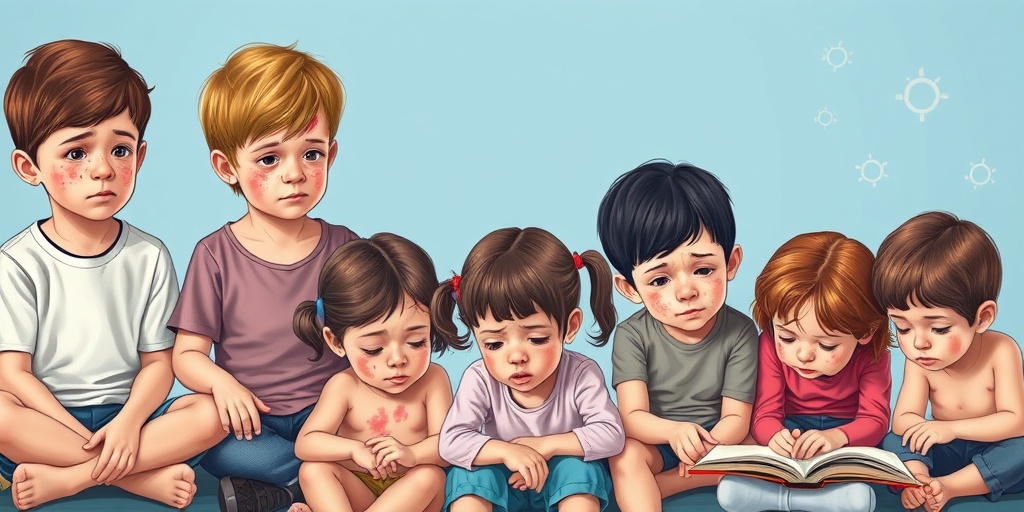
Skin problems in children can arise from a variety of factors, ranging from environmental influences to genetic predispositions. Understanding these causes is crucial for parents and caregivers to effectively manage and treat skin conditions.
1. Allergies
Allergies are one of the most common causes of skin problems in children. Children may develop allergic reactions to certain foods, pollen, pet dander, or even specific fabrics. These allergies can manifest as:
- Rashes – Red, itchy patches on the skin.
- Eczema – A chronic condition that leads to dry, inflamed skin.
- Hives – Raised, itchy welts that can appear suddenly.
2. Infections
Infections caused by bacteria, viruses, or fungi can lead to various skin disorders in children. Common infections include:
- Impetigo – A highly contagious bacterial infection that results in red sores.
- Ringworm – A fungal infection that causes a circular, itchy rash.
- Chickenpox – A viral infection characterized by an itchy rash and blisters.
3. Environmental Factors
The environment plays a significant role in the development of skin conditions. Factors such as:
- Climate – Extreme temperatures can dry out the skin or cause excessive sweating.
- Pollution – Exposure to pollutants can irritate the skin and exacerbate existing conditions.
- Sun Exposure – Overexposure to UV rays can lead to sunburn and increase the risk of skin cancer later in life.
4. Genetic Predisposition
Some children may be genetically predisposed to certain skin conditions. For instance, if a parent has a history of eczema or psoriasis, their child may be more likely to develop similar issues. Understanding family history can help in early detection and management.
5. Poor Hygiene
Maintaining proper hygiene is essential for preventing skin problems. Inadequate washing can lead to:
- Acne – Buildup of oils and dirt can clog pores.
- Folliculitis – Inflammation of hair follicles due to bacteria.
Risk Factors for Skin Conditions
Identifying risk factors for skin conditions in children can help in early intervention and treatment. Here are some key risk factors to consider:
1. Age
Young children, especially infants, are more susceptible to skin problems due to their delicate skin. Conditions like diaper rash and cradle cap are common in this age group.
2. Family History
A family history of skin diseases can increase a child’s risk. Conditions such as eczema, psoriasis, and acne often run in families. If parents or siblings have these conditions, it’s essential to monitor the child for similar symptoms.
3. Skin Type
Children with sensitive or dry skin are at a higher risk for developing skin issues. They may experience:
- Dryness – Leading to irritation and rashes.
- Allergic Reactions – More likely to react to products or environmental factors.
4. Lifestyle Factors
Children who engage in activities that expose them to irritants or allergens are at a greater risk. For example:
- Swimming – Chlorine can irritate sensitive skin.
- Outdoor Play – Increased exposure to pollen and insect bites.
5. Underlying Health Conditions
Certain health problems can predispose children to skin disorders. Conditions such as:
- Asthma – Often associated with eczema.
- Immune Disorders – Can lead to increased susceptibility to infections.
By understanding the causes and risk factors associated with skin problems in children, parents can take proactive steps to protect their child’s skin health. Regular check-ups with a pediatrician or dermatologist can also help in early detection and management of skin conditions. 🌟
Diagnosis of Skin Disorders
Diagnosing skin problems in children can be a challenging task for parents and healthcare providers alike. Children’s skin is sensitive and can react differently to various environmental factors, making it essential to identify the specific condition accurately. Here’s a closer look at how skin disorders in children are diagnosed.
Common Symptoms to Watch For
Before seeking medical advice, it’s helpful for parents to observe and note any symptoms their child may be experiencing. Common symptoms of skin conditions in children include:
- Rashes: Red, itchy patches that may appear suddenly or develop over time.
- Dryness: Flaky or scaly skin that may be accompanied by itching.
- Blisters: Fluid-filled bumps that can be painful or itchy.
- Swelling: Areas of the skin that appear puffy or inflamed.
- Changes in color: Skin that appears unusually pale, red, or discolored.
Consulting a Healthcare Professional
If you notice any of these symptoms, it’s crucial to consult a healthcare professional. A pediatric dermatologist is often the best choice for diagnosing skin disorders in children. During the consultation, the doctor will:
- Take a detailed medical history: This includes asking about the child’s symptoms, family history of skin issues, and any recent changes in environment or products used.
- Conduct a physical examination: The doctor will examine the affected areas of the skin to identify the type of rash or condition.
- Perform tests if necessary: In some cases, skin scrapings, biopsies, or allergy tests may be required to confirm the diagnosis.
Common Skin Disorders in Children
Some of the most prevalent skin diseases in children include:
- Eczema: A chronic condition characterized by itchy, inflamed skin.
- Psoriasis: An autoimmune disorder that leads to red, scaly patches on the skin.
- Impetigo: A highly contagious bacterial infection that causes red sores.
- Ringworm: A fungal infection that creates circular, itchy patches on the skin.
Effective Treatments
Once a diagnosis is made, the next step is to explore effective treatments for skin problems in children. Treatment options can vary widely depending on the specific condition, its severity, and the child’s age.
Topical Treatments
For many skin conditions in children, topical treatments are often the first line of defense. These may include:
- Corticosteroid creams: Used to reduce inflammation and itching.
- Moisturizers: Essential for conditions like eczema to keep the skin hydrated.
- Antibiotic ointments: Prescribed for bacterial infections like impetigo.
Oral Medications
In more severe cases, oral medications may be necessary. These can include:
- Antihistamines: Help alleviate itching and discomfort.
- Antibiotics: Used for treating bacterial infections.
- Immunosuppressants: For chronic conditions like psoriasis, these can help manage symptoms.
Home Remedies and Lifestyle Changes
In addition to medical treatments, several home remedies and lifestyle changes can support skin health:
- Bathing practices: Use lukewarm water and gentle, fragrance-free soaps to avoid skin irritation.
- Clothing choices: Opt for loose-fitting, breathable fabrics to minimize irritation.
- Dietary considerations: A balanced diet rich in vitamins and minerals can promote healthy skin.
It’s essential to consult with a healthcare professional before starting any treatment to ensure it’s appropriate for your child’s specific condition. With the right diagnosis and treatment plan, most skin disorders in children can be effectively managed, allowing your child to enjoy healthy, happy skin! 🌟
Home Remedies for Skin Care
When it comes to skin problems in children, many parents seek natural solutions before turning to over-the-counter medications. Home remedies can be effective, gentle, and safe for your child’s delicate skin. Here are some popular home remedies that can help alleviate common skin issues:
1. Oatmeal Baths
Oatmeal is known for its soothing properties, making it an excellent choice for treating skin conditions in children like eczema or rashes. To prepare an oatmeal bath:
- Take a cup of finely ground oatmeal.
- Add it to a warm bath and let your child soak for 15-20 minutes.
- This can help relieve itching and inflammation.
2. Coconut Oil
Coconut oil is a natural moisturizer that can help with dry skin and minor irritations. Its antibacterial properties also make it a great option for preventing infections. Simply:
- Apply a thin layer of organic coconut oil to the affected areas.
- Massage gently until absorbed.
3. Aloe Vera Gel
Aloe vera is famous for its healing properties and can be used to treat sunburns, cuts, and other skin irritations. To use:
- Extract fresh aloe vera gel from the leaf.
- Apply it directly to the skin and let it dry.
4. Honey
Honey is a natural humectant and has antibacterial properties, making it beneficial for various skin disorders in children. You can:
- Apply raw honey to the affected area.
- Leave it on for about 20 minutes before rinsing off with warm water.
5. Chamomile Tea Compress
Chamomile has anti-inflammatory properties that can soothe irritated skin. To create a compress:
- Brew chamomile tea and let it cool.
- Soak a clean cloth in the tea and apply it to the affected area for 10-15 minutes.
Preventing Skin Problems
Prevention is always better than cure, especially when it comes to skin problems in children. Here are some effective strategies to help keep your child’s skin healthy:
1. Maintain Good Hygiene
Regular bathing is essential for keeping your child’s skin clean and free from irritants. Use mild, fragrance-free soaps and ensure that your child is rinsed thoroughly to avoid any residue that could cause irritation.
2. Moisturize Regularly
Applying a good moisturizer after bathing can help lock in moisture and prevent dryness. Look for products specifically designed for children, as they are often gentler on sensitive skin.
3. Dress Appropriately
Choose breathable fabrics like cotton for your child’s clothing. Avoid tight-fitting clothes that can cause friction and irritation. Additionally, during hot weather, ensure your child wears loose-fitting clothes to prevent overheating and sweating, which can exacerbate skin issues.
4. Protect from the Sun
Children’s skin is particularly sensitive to UV rays. Always apply a broad-spectrum sunscreen with at least SPF 30 before outdoor activities, even on cloudy days. Reapply every two hours, especially if your child is swimming or sweating. 🏖️
5. Monitor Allergens
Keep an eye on potential allergens that could trigger skin reactions. Common culprits include certain foods, pet dander, and pollen. If you suspect a specific allergen, consult with a pediatrician or dermatologist for appropriate testing and guidance.
6. Stay Hydrated
Encourage your child to drink plenty of water throughout the day. Proper hydration helps maintain skin elasticity and overall health. 💧
By implementing these home remedies and preventive measures, you can help your child maintain healthy skin and reduce the risk of developing skin diseases in children. Always consult with a healthcare professional if you notice persistent or severe skin issues. Your child’s skin health is important, and taking proactive steps can make a significant difference! 🌟
Frequently Asked Questions about Skin Problems in Children
What are the common skin problems in children?
Children can experience a variety of skin problems, including:
- Diaper rash
- Eczema
- Psoriasis
- Impetigo
- Warts
- Chickenpox
How can I identify skin diseases in children?
Identifying skin diseases in children often involves looking for specific symptoms such as:
- Redness or inflammation
- Itching or discomfort
- Rashes or blisters
- Dry or flaky skin
- Changes in skin color or texture
What are the treatment options for skin conditions in children?
Treatment for skin conditions in children varies based on the specific issue but may include:
- Topical creams or ointments
- Oral medications
- Moisturizers for dry skin
- Antihistamines for allergic reactions
- Antibiotics for bacterial infections
Are there any skin disorders in children that require immediate medical attention?
Yes, certain skin disorders in children may require urgent care, such as:
- Severe allergic reactions
- Infections that spread rapidly
- Signs of dehydration from skin conditions
- Persistent or worsening symptoms
Where can I find pictures of skin conditions in children?
Images of skin conditions in children can be found on reputable medical websites, dermatology resources, and educational platforms. Always ensure the source is credible to avoid misinformation.
What are the long-term effects of untreated skin problems in children?
Untreated skin problems in children can lead to complications such as:
- Increased risk of infections
- Scarring or skin damage
- Chronic skin conditions
- Emotional distress or low self-esteem
How can I help prevent skin issues in children?
To help prevent skin issues in children, consider the following tips:
- Keep the skin clean and moisturized
- Avoid harsh soaps and chemicals
- Dress children in breathable fabrics
- Protect skin from excessive sun exposure
- Maintain a healthy diet rich in vitamins and minerals
When should I consult a dermatologist for my child’s skin problems?
If your child experiences persistent or severe skin problems, it is advisable to consult a dermatologist. Signs that warrant a visit include:
- Rashes that do not improve with home treatment
- Severe itching or discomfort
- Skin changes that are concerning or unusual
- Recurring skin infections
For any concerns regarding skin problems in children, always seek professional medical advice to ensure the best care for your child. 🩺