What Is Pancreatic Cancer?
Pancreatic cancer is a type of cancer that originates in the pancreas, an essential organ located behind the stomach. The pancreas plays a crucial role in digestion and blood sugar regulation by producing digestive enzymes and hormones like insulin. Unfortunately, pancreatic cancer often goes undetected until it has reached advanced stages, making it one of the most challenging cancers to treat.
There are two main types of pancreatic cancer: exocrine tumors and endocrine tumors. Exocrine tumors, which account for about 95% of cases, typically arise from the cells that produce digestive enzymes. The most common form of exocrine pancreatic cancer is pancreatic adenocarcinoma. Endocrine tumors, also known as pancreatic neuroendocrine tumors, are rarer and develop from hormone-producing cells.
What Causes Pancreatic Cancer?
The exact cause of pancreatic cancer remains unclear, but several risk factors have been identified. These include:
- Smoking: Tobacco use is one of the most significant risk factors.
- Obesity: Excess body weight can increase the risk of developing pancreatic cancer.
- Age: The risk increases with age, particularly for those over 60.
- Family History: A family history of pancreatic cancer or genetic syndromes can elevate risk.
- Chronic Pancreatitis: Long-term inflammation of the pancreas is linked to an increased risk.
Understanding these risk factors can help in early detection and prevention strategies. If you have concerns about your risk, consulting with a healthcare professional is essential.
Pancreatic Cancer Symptoms
Recognizing the symptoms of pancreatic cancer can be challenging, as they often do not appear until the disease is advanced. However, being aware of the signs can lead to earlier diagnosis and treatment. Here are some common symptoms to watch for:
Common Symptoms of Pancreatic Cancer
- Abdominal Pain: Persistent pain in the upper abdomen or back is a common symptom.
- Weight Loss: Unexplained weight loss can occur due to changes in appetite or digestion.
- Jaundice: Yellowing of the skin and eyes may indicate a blockage in the bile duct.
- Digestive Issues: Nausea, vomiting, and changes in stool can signal pancreatic problems.
- New-Onset Diabetes: Sudden diabetes in older adults can be a sign of pancreatic cancer.
Understanding Pancreatic Cancer Pain
Many patients experience pain associated with pancreatic cancer, which can vary in intensity and location. This pain often stems from the tumor pressing on surrounding organs or nerves. Effective pain management is crucial for improving the quality of life for those affected. Treatment options may include medications, nerve blocks, or other interventions.
When to Seek Medical Attention
If you experience any of the symptoms mentioned above, especially if they persist or worsen, it is vital to consult a healthcare provider. Early detection can significantly impact treatment outcomes and survival rates. Diagnostic tests, such as imaging studies and biopsies, can help confirm the presence of pancreatic cancer.
For the latest updates on pancreatic cancer news, treatments, and breakthroughs, consider visiting Yesil Health AI, a valuable resource for evidence-based health answers.
In conclusion, understanding what pancreatic cancer is and recognizing its symptoms can empower individuals to seek timely medical advice. While the journey may be daunting, advancements in research and treatment options continue to evolve, offering hope for those affected by this challenging disease. 🌟

Risk Factors for Pancreatic Cancer
Understanding the risk factors for pancreatic cancer is crucial for early detection and prevention. While anyone can develop this disease, certain factors can increase your likelihood of being diagnosed. Here are some of the most significant risk factors:
Age
Age is one of the most significant risk factors for pancreatic cancer. The majority of cases are diagnosed in individuals over the age of 65. As we age, our cells undergo changes that can lead to cancerous growths.
Smoking
Smoking is a well-established risk factor for many types of cancer, including pancreatic cancer. Studies show that smokers are twice as likely to develop this disease compared to non-smokers. The harmful chemicals in tobacco can damage the pancreas and lead to cancerous changes.
Family History
If you have a family history of pancreatic cancer, your risk may be higher. Genetic mutations passed down through generations can increase susceptibility to this disease. Conditions such as hereditary pancreatitis and certain genetic syndromes (like BRCA2 mutations) are linked to a higher risk.
Obesity and Physical Inactivity
Being overweight or obese can increase your risk of pancreatic cancer. Excess body fat, particularly around the abdomen, is associated with inflammation and insulin resistance, both of which can contribute to cancer development. Regular physical activity can help mitigate this risk.
Diabetes
There is a complex relationship between diabetes and pancreatic cancer. Individuals with long-standing diabetes, particularly type 2 diabetes, may have an increased risk. Additionally, new-onset diabetes can sometimes be an early sign of pancreatic cancer.
Chronic Pancreatitis
Chronic pancreatitis, a long-term inflammation of the pancreas, can increase the risk of developing pancreatic cancer. This condition can lead to cellular changes in the pancreas that may result in cancer over time.
Diet
Your diet can also play a role in your risk for pancreatic cancer. Diets high in red and processed meats, as well as low in fruits and vegetables, may increase risk. Conversely, a diet rich in antioxidants and fiber can be protective.
Causes of Pancreatic Cancer
While the exact causes of pancreatic cancer remain largely unknown, several factors have been identified that may contribute to its development. Understanding these causes can help in prevention and early detection.
Genetic Mutations
Genetic mutations are a significant factor in the development of pancreatic cancer. Mutations in genes such as KRAS, TP53, and CDKN2A are commonly found in pancreatic tumors. These mutations can disrupt normal cell growth and lead to cancer.
Environmental Factors
Exposure to certain environmental toxins, such as pesticides and industrial chemicals, may increase the risk of pancreatic cancer. While research is ongoing, it is essential to be aware of potential environmental hazards.
Chronic Inflammation
Chronic inflammation of the pancreas, often due to conditions like chronic pancreatitis, can lead to cellular changes that increase cancer risk. Inflammation can create an environment conducive to cancer development.
Hormonal Factors
Hormonal changes, particularly those related to insulin and glucose metabolism, may also play a role in pancreatic cancer. Insulin resistance and high levels of insulin can promote the growth of pancreatic cells, potentially leading to cancer.
Obesity and Metabolic Syndrome
As mentioned earlier, obesity and metabolic syndrome are linked to pancreatic cancer. The mechanisms behind this connection involve inflammation, insulin resistance, and hormonal changes that can promote cancer cell growth.
Dietary Factors
Dietary choices can influence the risk of pancreatic cancer. High consumption of processed foods, sugars, and unhealthy fats may contribute to the development of this disease. A balanced diet rich in fruits, vegetables, and whole grains is recommended for reducing risk.
In summary, while the exact causes of pancreatic cancer are still being studied, a combination of genetic, environmental, and lifestyle factors can contribute to its development. Awareness of these factors can empower individuals to take proactive steps in reducing their risk. 🌟
Diagnosis of Pancreatic Cancer
Diagnosing pancreatic cancer can be a complex process due to the organ’s location and the subtlety of its symptoms. Early detection is crucial, as it significantly impacts the pancreatic cancer survival rate. Here, we will explore the various methods used to diagnose this challenging disease.
Understanding the Symptoms
Before diving into diagnostic tests, it’s essential to recognize the symptoms of pancreatic cancer. Many patients may experience:
- Abdominal pain: Often described as a dull ache that may radiate to the back.
- Weight loss: Unexplained weight loss can be a significant indicator.
- Jaundice: Yellowing of the skin and eyes due to bile duct obstruction.
- Changes in appetite: A sudden decrease in appetite or feeling full quickly.
- Digestive issues: Nausea, vomiting, or changes in stool color.
If you experience any of these symptoms, it’s crucial to consult a healthcare professional for further evaluation.
Diagnostic Tests
Once symptoms are reported, doctors may recommend several tests to confirm a diagnosis of pancreatic cancer. These tests include:
- Imaging Tests: Techniques such as CT scans, MRI, and ultrasound help visualize the pancreas and surrounding organs.
- Blood Tests: Elevated levels of certain markers, like CA 19-9, can indicate pancreatic cancer.
- Endoscopic Ultrasound (EUS): A thin tube with an ultrasound device is inserted through the mouth to obtain detailed images of the pancreas.
- Biopsy: A sample of pancreatic tissue may be taken for laboratory analysis to confirm cancer.
These diagnostic methods are essential for determining the presence of cancer and its stage, which leads us to the next crucial aspect: the stages of pancreatic cancer.
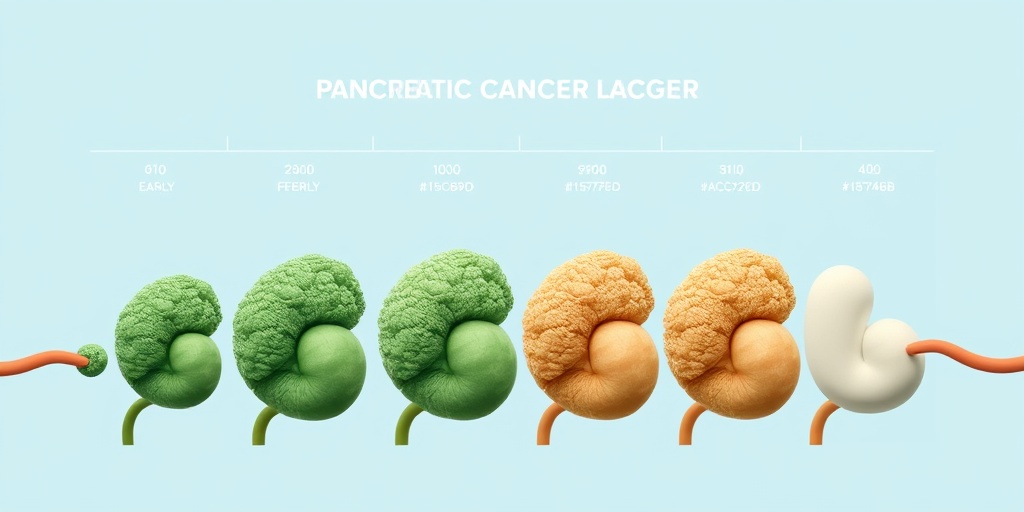
Stages of Pancreatic Cancer
Understanding the stages of pancreatic cancer is vital for determining the appropriate treatment plan. The staging system helps assess how far the cancer has spread and its severity.
Stage 0: Carcinoma in Situ
In this very early stage, abnormal cells are found in the lining of the pancreas but have not invaded deeper tissues. This stage is often asymptomatic and is typically detected through imaging or biopsy.
Stage I: Localized Cancer
At this stage, the cancer is confined to the pancreas. It is further divided into:
- Stage IA: The tumor is 2 cm or smaller.
- Stage IB: The tumor is larger than 2 cm.
Stage II: Regional Spread
Stage II indicates that the cancer has spread beyond the pancreas to nearby tissues or lymph nodes. This stage is also divided into:
- Stage IIA: No lymph nodes are affected.
- Stage IIB: Cancer has spread to nearby lymph nodes.
Stage III: Advanced Local Disease
In this stage, the cancer has spread to major blood vessels and nearby lymph nodes but has not yet metastasized to distant organs. This stage is often more challenging to treat.
Stage IV: Metastatic Cancer
Stage IV is the most advanced stage, where cancer has spread to distant organs, such as the liver or lungs. The prognosis at this stage is generally poor, but ongoing research into pancreatic cancer breakthroughs and treatments offers hope.
Importance of Staging
Staging is crucial for determining the treatment for pancreatic cancer. Options may include surgery, chemotherapy, radiation therapy, or clinical trials for new therapies, including potential pancreatic cancer vaccines.
In conclusion, early diagnosis and understanding the stages of pancreatic cancer are essential for effective treatment and improving survival rates. If you or someone you know is experiencing symptoms, seeking medical advice promptly can make a significant difference. 🩺
Pancreatic Cancer Treatment Options
When diagnosed with pancreatic cancer, understanding the available treatment options is crucial. The approach to treatment often depends on the stage of the cancer, the patient’s overall health, and personal preferences. Here’s a breakdown of the most common treatment options available for pancreatic cancer.
Surgery
Surgery is often the first line of treatment for patients with localized pancreatic cancer. The goal is to remove the tumor and any surrounding tissue that may be affected. The most common surgical procedures include:
- Whipple Procedure: This complex surgery involves removing the head of the pancreas, part of the small intestine, the gallbladder, and some surrounding tissue. It is typically recommended for tumors located in the head of the pancreas.
- Distal Pancreatectomy: This procedure involves removing the body and tail of the pancreas, along with the spleen. It is suitable for tumors located in these areas.
- Total Pancreatectomy: In some cases, the entire pancreas may need to be removed, along with parts of the small intestine, gallbladder, and bile duct.
Radiation Therapy
Radiation therapy uses high-energy rays to target and kill cancer cells. It can be used in conjunction with surgery or as a standalone treatment, especially for patients who are not candidates for surgery. This treatment can help shrink tumors and alleviate symptoms, such as pancreatic cancer pain.
Chemotherapy
Chemotherapy involves the use of drugs to kill cancer cells or stop their growth. It is often used for advanced pancreatic cancer or as an adjuvant treatment after surgery to reduce the risk of recurrence. Common chemotherapy regimens include:
- FOLFIRINOX: A combination of four chemotherapy drugs that has shown effectiveness in treating pancreatic cancer.
- Gemcitabine: This drug is often used alone or in combination with other medications.
Targeted Therapy
Targeted therapy focuses on specific characteristics of cancer cells. For pancreatic cancer, drugs like nab-paclitaxel and olaparib are being explored in clinical trials. These therapies aim to minimize damage to healthy cells while effectively targeting cancer cells.
Immunotherapy
Immunotherapy is an emerging treatment option that helps the body’s immune system recognize and fight cancer. While still in the experimental stages for pancreatic cancer, breakthroughs in pancreatic cancer vaccines and other immunotherapeutic approaches are showing promise.
Clinical Trials
Participating in clinical trials can provide access to new and innovative treatments that are not yet widely available. These trials are essential for advancing our understanding of pancreatic cancer and developing new therapies.
Living with Pancreatic Cancer
Living with pancreatic cancer can be challenging, both physically and emotionally. However, many patients find ways to cope and maintain a good quality of life. Here are some strategies to consider:
Managing Symptoms
Understanding the symptoms of pancreatic cancer is vital for effective management. Common symptoms include:
- Abdominal pain: Often described as a dull ache or discomfort.
- Weight loss: Unintentional weight loss can occur due to changes in appetite or digestion.
- Jaundice: Yellowing of the skin and eyes, indicating bile duct obstruction.
Working closely with healthcare providers can help manage these symptoms effectively.
Emotional Support
Receiving a diagnosis of pancreatic cancer can lead to feelings of fear and anxiety. Seeking emotional support through counseling, support groups, or talking with loved ones can be beneficial. Connecting with others who understand the journey can provide comfort and encouragement.
Nutrition and Lifestyle
Maintaining a healthy diet is crucial for patients with pancreatic cancer. A balanced diet can help manage symptoms and improve overall well-being. Consider the following:
- Small, frequent meals: Eating smaller portions can help with digestion.
- High-protein foods: Incorporating protein-rich foods can help combat weight loss.
- Hydration: Staying hydrated is essential, especially if experiencing nausea or vomiting.
Regular Follow-ups
Regular follow-up appointments with healthcare providers are essential for monitoring the disease and adjusting treatment plans as necessary. These visits can help catch any changes early and provide ongoing support.
Living with pancreatic cancer is undoubtedly challenging, but with the right support and treatment options, many patients can find ways to navigate their journey with resilience and hope. 🌟

Frequently Asked Questions about Pancreatic Cancer
What is pancreatic cancer?
Pancreatic cancer is a type of cancer that begins in the pancreas, an organ located behind the stomach that plays a crucial role in digestion and blood sugar regulation. This cancer often goes undetected until it is in advanced stages, making it particularly challenging to treat.
What are the symptoms of pancreatic cancer?
Common symptoms of pancreatic cancer may include:
- Unexplained weight loss
- Abdominal pain or discomfort
- Jaundice (yellowing of the skin and eyes)
- Loss of appetite
- New-onset diabetes
What causes pancreatic cancer?
The exact causes of pancreatic cancer are not fully understood, but several risk factors have been identified, including:
- Smoking
- Obesity
- Chronic pancreatitis
- Family history of pancreatic cancer
What are the treatment options for pancreatic cancer?
Treatment for pancreatic cancer may involve a combination of:
- Surgery (e.g., Whipple procedure)
- Chemotherapy
- Radiation therapy
- Targeted therapy
Each treatment plan is tailored to the individual based on the stage of the cancer and overall health.
What is the survival rate for pancreatic cancer?
The pancreatic cancer survival rate varies significantly depending on the stage at diagnosis. Early-stage pancreatic cancer has a better prognosis, while late-stage (such as stage 4 pancreatic cancer) has a lower survival rate. It’s essential to discuss individual prognosis with a healthcare provider.
Are there any breakthroughs in pancreatic cancer research?
Recent pancreatic cancer news has highlighted advancements in research, including potential pancreatic cancer vaccines and new treatment modalities that aim to improve survival rates and quality of life for patients.
How is pancreatic cancer diagnosed?
Diagnosis typically involves a combination of imaging tests (like CT scans or MRIs), blood tests, and sometimes a biopsy to confirm the presence of cancer cells.
What is the difference between pancreatic cancer and pancreatitis?
Pancreatitis is inflammation of the pancreas, which can be acute or chronic, while pancreatic cancer refers to the growth of malignant cells in the pancreas. Chronic pancreatitis can increase the risk of developing pancreatic cancer.
Is there a cure for pancreatic cancer?
While there is currently no definitive cure for pancreatic cancer, ongoing research is exploring new treatment options and potential breakthroughs that may improve outcomes for patients.
What are the signs of pancreatic cancer to watch for?
Signs of pancreatic cancer can be subtle and may include:
- Persistent abdominal pain
- Changes in stool color
- Fatigue
- Itchy skin
If you experience any of these symptoms, it’s important to consult a healthcare professional for further evaluation.