What Is Nontraditional Medicine?
Nontraditional medicine, often referred to as alternative medicine or complementary medicine, encompasses a wide range of healing practices that fall outside the realm of conventional Western medicine. While traditional medicine typically relies on pharmaceuticals and surgical interventions, nontraditional approaches often focus on holistic healing, emphasizing the connection between the mind, body, and spirit. 🌱
This form of medicine can include various practices, therapies, and treatments that aim to promote wellness and treat illness in ways that are not typically taught in medical schools. Nontraditional medicine is gaining popularity as more individuals seek personalized and natural approaches to health care. It often incorporates ancient wisdom and practices from different cultures around the world.
The Philosophy Behind Nontraditional Medicine
The core philosophy of nontraditional medicine is rooted in the belief that health is not merely the absence of disease but a state of complete physical, mental, and social well-being. Practitioners often focus on:
- Holistic Healing: Treating the whole person rather than just the symptoms.
- Prevention: Emphasizing lifestyle changes and preventive measures to maintain health.
- Natural Remedies: Utilizing herbs, supplements, and other natural substances to support healing.
Many people turn to nontraditional medicine when they feel that conventional treatments have not provided the relief or results they desire. This approach can empower individuals to take charge of their health and explore various options that resonate with their personal beliefs and values.
Types of Nontraditional Medicine
Nontraditional medicine encompasses a diverse array of practices. Here are some of the most common types:
1. Acupuncture
Originating from traditional Chinese medicine, acupuncture involves inserting thin needles into specific points on the body to balance energy flow, known as “Qi.” This practice is often used to relieve pain, reduce stress, and promote overall wellness. 🧘♀️
2. Herbal Medicine
Herbal medicine utilizes plants and plant extracts for therapeutic purposes. This can include teas, tinctures, capsules, and topical applications. Many cultures have long histories of using herbs for healing, and modern research continues to explore their efficacy.
3. Homeopathy
Homeopathy is based on the principle of “like cures like,” where substances that cause symptoms in healthy individuals are used in diluted forms to treat similar symptoms in sick individuals. Homeopathic remedies are tailored to the individual, considering their unique symptoms and overall health.
4. Chiropractic Care
Chiropractic care focuses on diagnosing and treating musculoskeletal disorders, particularly those related to the spine. Chiropractors use manual adjustments and other techniques to improve alignment and function, often providing relief from pain and enhancing mobility.
5. Naturopathy
Naturopathic medicine combines traditional healing practices with modern science. Naturopaths emphasize natural remedies, lifestyle changes, and preventive care to support the body’s innate healing abilities. This approach often includes nutrition, herbal medicine, and physical therapies.
6. Mind-Body Practices
Mind-body practices, such as yoga, meditation, and tai chi, focus on the connection between mental and physical health. These practices can reduce stress, improve mental clarity, and enhance overall well-being. 🧘♂️
7. Energy Medicine
Energy medicine involves the use of various techniques to manipulate the body’s energy fields. Practices like Reiki and therapeutic touch aim to promote healing by balancing energy and enhancing the body’s natural healing processes.
As you explore the world of nontraditional medicine, it’s essential to approach these practices with an open mind while also seeking evidence-based information. Resources like Yesil Health AI (yesilhealth.com) can provide valuable insights and help you make informed decisions about your health journey.
In conclusion, nontraditional medicine offers a rich tapestry of healing modalities that can complement conventional treatments. Whether you’re seeking relief from a specific ailment or looking to enhance your overall wellness, exploring these options can lead to a more personalized and fulfilling health experience. 🌟

Benefits of Nontraditional Medicine
Nontraditional medicine, often referred to as alternative or complementary medicine, encompasses a wide range of practices that fall outside the realm of conventional medical treatments. These methods can include herbal remedies, acupuncture, chiropractic care, and more. Many individuals are turning to nontraditional medicine for various reasons, and understanding its benefits can help you make informed health decisions.
Holistic Approach to Health
One of the most significant benefits of nontraditional medicine is its holistic approach. Unlike conventional medicine, which often focuses on treating specific symptoms or diseases, nontraditional practices aim to treat the whole person—mind, body, and spirit. This comprehensive perspective can lead to improved overall well-being and a deeper understanding of one’s health.
Personalized Treatment Plans
Nontraditional medicine often emphasizes personalized care. Practitioners typically take the time to understand each individual’s unique health history, lifestyle, and preferences. This tailored approach can result in more effective treatment plans that resonate with the patient, leading to better adherence and outcomes.
Reduced Side Effects
Many nontraditional therapies, such as herbal medicine and acupuncture, are associated with fewer side effects compared to conventional pharmaceuticals. For individuals who are sensitive to medications or who have experienced adverse reactions in the past, nontraditional options can provide relief without the unwanted complications.
Empowerment and Self-Care
Engaging with nontraditional medicine often encourages individuals to take an active role in their health. By exploring various treatment options, patients can become more informed and empowered, fostering a sense of ownership over their well-being. This proactive approach can lead to healthier lifestyle choices and improved health outcomes.
Complementary to Conventional Treatments
Nontraditional medicine can serve as a valuable complement to conventional treatments. Many patients find that integrating practices such as yoga, meditation, or nutritional therapy alongside their prescribed medications enhances their overall treatment experience. This synergy can lead to improved physical and mental health, making it a popular choice for many.
Risks and Considerations
While nontraditional medicine offers numerous benefits, it is essential to approach these practices with caution. Understanding the potential risks and considerations can help you make informed decisions about your health.
Lack of Regulation
One of the primary concerns regarding nontraditional medicine is the lack of regulation in many areas. Unlike conventional medicine, which is subject to strict guidelines and oversight, some alternative practices may not have standardized protocols. This can lead to inconsistencies in treatment quality and efficacy.
Potential for Interactions
Individuals who are currently taking prescription medications should be cautious when considering nontraditional therapies. Some herbal remedies and supplements can interact negatively with conventional drugs, potentially leading to harmful side effects. It’s crucial to consult with a healthcare provider before starting any new treatment.
Not a Substitute for Conventional Care
While nontraditional medicine can be beneficial, it should not be viewed as a replacement for conventional medical care. Serious health conditions require professional medical attention, and relying solely on alternative treatments can delay necessary interventions. Always discuss your health concerns with a qualified healthcare professional.
Individual Variability
What works for one person may not work for another. The effectiveness of nontraditional medicine can vary widely based on individual factors such as genetics, lifestyle, and the specific health issue being addressed. It’s essential to approach these treatments with an open mind while also being realistic about their potential outcomes.
Research and Evidence
Many nontraditional practices lack robust scientific evidence to support their efficacy. While anecdotal evidence and personal testimonials can be compelling, it’s important to seek out treatments that are backed by research. Always look for credible sources and consult with healthcare professionals when exploring nontraditional options.
In conclusion, while nontraditional medicine offers a variety of benefits, it is essential to weigh these against the potential risks. By staying informed and consulting with healthcare providers, you can navigate the world of alternative medicine safely and effectively. 🌱✨

Popular Nontraditional Therapies
In recent years, there has been a growing interest in nontraditional medicine, often referred to as alternative or complementary therapies. These approaches offer a different perspective on health and wellness, focusing on holistic healing rather than just treating symptoms. Here are some of the most popular nontraditional therapies that people are exploring:
1. Acupuncture
Originating from traditional Chinese medicine, acupuncture involves inserting thin needles into specific points on the body. This practice is believed to help balance the body’s energy, or “qi,” and can be effective for pain relief, stress reduction, and even digestive issues. 🌿
2. Herbal Medicine
Herbal medicine utilizes plants and plant extracts to promote health and treat various ailments. From chamomile for relaxation to ginger for nausea, herbs have been used for centuries across different cultures. It’s essential to consult with a knowledgeable practitioner to ensure safe and effective use.
3. Chiropractic Care
Chiropractic care focuses on diagnosing and treating musculoskeletal disorders, primarily through spinal manipulation. Many people seek chiropractic adjustments for back pain, headaches, and joint issues, finding relief without the need for medication. 💪
4. Homeopathy
Homeopathy is based on the principle of “like cures like,” where highly diluted substances are used to trigger the body’s natural healing processes. While some people swear by its effectiveness, it’s a topic of debate in the medical community.
5. Mind-Body Practices
Techniques such as yoga, meditation, and tai chi emphasize the connection between mental and physical health. These practices can reduce stress, improve flexibility, and enhance overall well-being. 🧘♀️
6. Naturopathy
Naturopathy combines traditional healing methods with modern science, focusing on natural remedies and the body’s ability to heal itself. Naturopathic doctors often use a variety of treatments, including nutrition, lifestyle changes, and herbal medicine, to support health.
7. Aromatherapy
Aromatherapy uses essential oils extracted from plants to promote physical and emotional well-being. Whether through inhalation or topical application, these oils can help alleviate stress, improve sleep, and enhance mood. 🌸
Nontraditional Medicine vs. Conventional Medicine
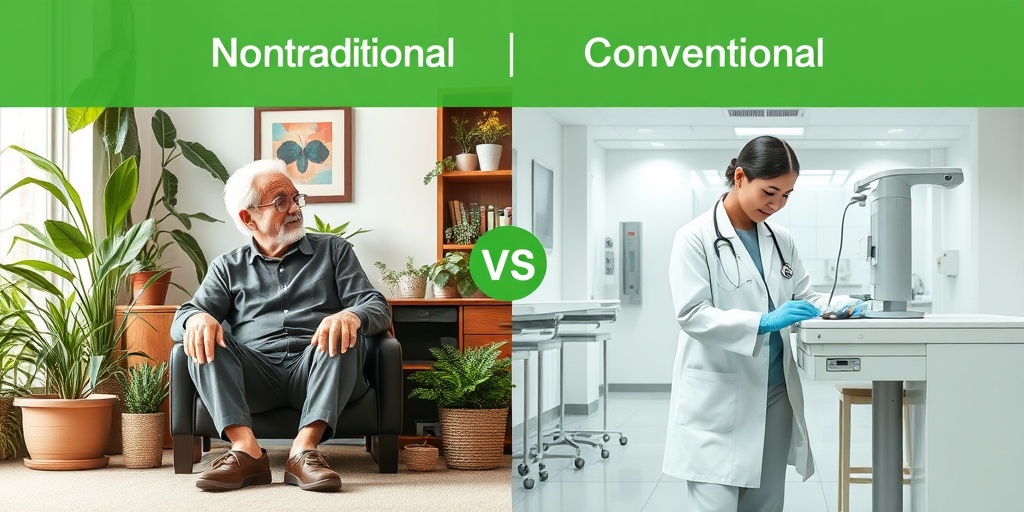
The debate between nontraditional medicine and conventional medicine is ongoing, with each approach offering unique benefits and challenges. Understanding the differences can help individuals make informed decisions about their health care.
Definition and Approach
Conventional medicine, also known as allopathic medicine, is based on scientific research and evidence. It typically involves the use of pharmaceuticals, surgery, and other interventions to treat diseases and symptoms. In contrast, nontraditional medicine encompasses a wide range of practices that may not always be supported by rigorous scientific evidence but focus on holistic healing and prevention.
Philosophy of Treatment
Conventional medicine often targets specific symptoms or diseases, aiming for quick relief. On the other hand, nontraditional medicine seeks to address the underlying causes of health issues, promoting overall wellness and balance. This holistic approach can lead to longer-lasting health benefits, although it may require more time and commitment. ⏳
Integration of Practices
Many healthcare providers are beginning to recognize the value of integrating nontraditional therapies with conventional treatments. This integrative approach can enhance patient care, allowing individuals to benefit from both worlds. For example, someone undergoing cancer treatment might find relief from nausea through acupuncture while receiving chemotherapy.
Patient Empowerment
One of the significant advantages of nontraditional medicine is its emphasis on patient empowerment. Individuals are encouraged to take an active role in their health, exploring various therapies and making informed choices. This can lead to a greater sense of control and satisfaction in one’s health journey.
In conclusion, both nontraditional medicine and conventional medicine have their place in the healthcare landscape. By understanding the differences and exploring various options, individuals can find the best path to achieving their health and wellness goals. 🌟
How to Choose a Practitioner
When it comes to exploring nontraditional medicine, selecting the right practitioner is crucial for your health journey. With a variety of options available, it can be overwhelming to find someone who aligns with your needs and values. Here are some key factors to consider when making your choice:
1. Understand Your Needs
Before you start searching for a practitioner, take some time to reflect on what you hope to achieve through nontraditional medicine. Are you looking for pain relief, stress management, or perhaps a holistic approach to a chronic condition? Understanding your goals will help you narrow down your options.
2. Research Credentials and Experience
Not all practitioners are created equal. Look for professionals who have the appropriate training and certifications in their field. For example, if you’re interested in acupuncture, ensure your practitioner is licensed and has completed a recognized program. You can often find this information on their website or by asking directly.
3. Explore Different Modalities
Nontraditional medicine encompasses a wide range of practices, including:
- Acupuncture
- Chiropractic care
- Herbal medicine
- Homeopathy
- Massage therapy
- Naturopathy
Familiarize yourself with these modalities to determine which aligns best with your health philosophy and needs.
4. Read Reviews and Testimonials
One of the best ways to gauge a practitioner’s effectiveness is through the experiences of others. Look for reviews on their website, social media, or health forums. Positive testimonials can provide insight into their approach and the results you might expect. 🌟
5. Schedule a Consultation
Many practitioners offer an initial consultation, which can be a great opportunity to assess whether they are the right fit for you. During this meeting, pay attention to how they communicate, their willingness to listen, and their approach to your concerns. Trust your instincts—if you feel comfortable and understood, that’s a good sign!
6. Consider Accessibility and Convenience
Location and availability are practical considerations that shouldn’t be overlooked. Ensure that the practitioner’s office is accessible and that their hours align with your schedule. Some practitioners also offer virtual consultations, which can be a convenient option for many. 💻
7. Trust Your Gut
Ultimately, the relationship you build with your practitioner is essential. Trust your intuition when making your choice. If something feels off or you don’t feel a connection, it’s okay to seek out someone else. Your comfort and trust are paramount in the healing process.
Future of Nontraditional Medicine
The landscape of nontraditional medicine is evolving rapidly, influenced by advancements in technology, changing patient preferences, and a growing body of research supporting alternative therapies. Here’s a look at what the future may hold for this dynamic field:
1. Increased Integration with Conventional Medicine
As more healthcare providers recognize the benefits of nontraditional medicine, we can expect greater integration with conventional practices. This collaboration may lead to more comprehensive treatment plans that combine the best of both worlds, offering patients a holistic approach to their health. 🤝
2. Growing Acceptance and Legislation
With a rising interest in alternative therapies, many regions are beginning to establish regulations and licensing for practitioners of nontraditional medicine. This trend will likely enhance the credibility of these practices and ensure that patients receive safe and effective care.
3. Advances in Research and Evidence-Based Practices
As research continues to explore the efficacy of various nontraditional therapies, we can expect a shift towards more evidence-based practices. This will not only bolster the legitimacy of these modalities but also empower patients to make informed decisions about their health. 📊
4. Technology and Telehealth
The rise of telehealth has transformed how patients access nontraditional medicine. Virtual consultations and online resources make it easier for individuals to connect with practitioners, regardless of location. This accessibility will likely continue to grow, making alternative therapies more available to a broader audience.
5. Personalized Medicine
The future of nontraditional medicine is also leaning towards personalized approaches. With advancements in genetics and technology, practitioners may be able to tailor treatments to individual patients, enhancing effectiveness and satisfaction. This shift towards personalized care could revolutionize how we approach health and wellness.
In conclusion, the future of nontraditional medicine looks promising, with increased acceptance, integration, and innovation on the horizon. As patients become more informed and empowered, the potential for these practices to enhance overall health and well-being is greater than ever. 🌱

Frequently Asked Questions about Nontraditional Medicine
What is Nontraditional Medicine?
Nontraditional medicine refers to healing practices that fall outside the realm of conventional Western medicine. This can include a variety of approaches such as herbal remedies, acupuncture, and holistic therapies. These methods often focus on treating the whole person rather than just the symptoms of a disease.
What are some examples of Nontraditional Medicine?
- Acupuncture
- Homeopathy
- Chiropractic care
- Aromatherapy
- Herbal medicine
- Mind-body practices like yoga and meditation
Is Nontraditional Medicine safe?
The safety of nontraditional medicine can vary depending on the specific practice and the individual. It’s essential to consult with a healthcare professional before starting any new treatment, especially if you have existing health conditions or are taking medications. Always ensure that practitioners are qualified and reputable.
How does Nontraditional Medicine differ from conventional medicine?
Nontraditional medicine often emphasizes a holistic approach, focusing on the mind, body, and spirit, while conventional medicine typically targets specific symptoms or diseases. Nontraditional methods may also incorporate lifestyle changes and preventive care, whereas conventional treatments often rely on pharmaceuticals and surgical interventions.
Can Nontraditional Medicine be used alongside conventional treatments?
Yes, many people choose to use nontraditional medicine in conjunction with conventional treatments. However, it is crucial to discuss this with your healthcare provider to avoid any potential interactions or complications. A collaborative approach can often lead to better health outcomes.
Where can I find practitioners of Nontraditional Medicine?
You can find practitioners of nontraditional medicine through various channels, including:
- Online directories and websites dedicated to alternative health
- Local wellness centers or holistic health clinics
- Referrals from friends or family who have experience with nontraditional therapies
- Professional associations that list certified practitioners
Are there any scientific studies supporting Nontraditional Medicine?
While some nontraditional medicine practices have been studied and shown to be effective for certain conditions, others may lack rigorous scientific evidence. It’s essential to research specific therapies and consult with healthcare professionals to understand their efficacy and safety.
How can I learn more about Nontraditional Medicine?
To learn more about nontraditional medicine, consider the following resources:
- Books and articles on alternative health practices
- Workshops and seminars on specific therapies
- Online courses or webinars
- Consulting with practitioners for firsthand knowledge
Can Nontraditional Medicine help with chronic conditions?
Many individuals report positive outcomes when using nontraditional medicine for chronic conditions such as pain management, stress relief, and digestive issues. However, results can vary, and it’s essential to approach treatment with realistic expectations and professional guidance.