What Is Shaken Baby Syndrome?
Shaken Baby Syndrome (SBS) is a serious brain injury that occurs when an infant or young child is violently shaken. This violent shaking can lead to severe and often irreversible damage to the brain and spinal cord. It is crucial to understand that SBS is not just a term; it represents a tragic reality for many families and can have devastating consequences for the affected child.
Typically, SBS occurs in children under the age of 2, as their neck muscles are not fully developed, making them particularly vulnerable to injury. The force of shaking can cause the brain to move back and forth within the skull, leading to bruising, swelling, and bleeding. This condition is often associated with other forms of child abuse, but it can also occur in moments of frustration when a caregiver is unable to soothe a crying baby.
The Importance of Awareness
Raising awareness about Shaken Baby Syndrome is vital for prevention. Many caregivers may not realize the potential consequences of shaking a child, even in a moment of anger or frustration. Education on the dangers of SBS can help protect vulnerable infants and ensure that caregivers have the tools they need to manage stress effectively.
Signs and Symptoms
Recognizing the signs and symptoms of Shaken Baby Syndrome is crucial for early intervention and treatment. While symptoms can vary, there are several key indicators that caregivers and healthcare professionals should be aware of.
Common Symptoms
- Unresponsiveness: The child may appear lethargic or unresponsive to stimuli.
- Seizures: Sudden seizures can occur, indicating severe brain injury.
- Difficulty Breathing: The child may have trouble breathing or exhibit irregular breathing patterns.
- Vomiting: Frequent vomiting can be a sign of increased intracranial pressure.
- Extreme Irritability: The child may be unusually fussy or irritable, often inconsolable.
- Changes in Eating Habits: A sudden decrease in appetite or refusal to eat can be concerning.
The SBS Triad
Medical professionals often refer to the SBS triad when diagnosing Shaken Baby Syndrome. This triad includes:
- Subdural Hematomas: Bleeding between the brain and the outer covering of the brain.
- Retinal Hemorrhages: Bleeding in the retina, which can lead to vision problems.
- Cerebral Edema: Swelling of the brain due to injury.
These symptoms can manifest in various ways, and not all children will exhibit all three signs. If you suspect a child may be suffering from SBS, it is crucial to seek immediate medical attention.
What to Do If You Suspect SBS
If you notice any of the symptoms mentioned above, it is essential to act quickly. Shaken Baby Syndrome can lead to long-term disabilities or even death if not treated promptly. Here are steps to take:
- Call Emergency Services: If the child is unresponsive or exhibiting severe symptoms, call for help immediately.
- Provide Information: Be prepared to provide medical professionals with as much information as possible about the child’s behavior and any incidents that may have occurred.
- Follow Up: Ensure that the child receives appropriate follow-up care and support.
Understanding Shaken Baby Syndrome is crucial for prevention and early intervention. For more information and resources, consider visiting Yesil Health AI, where you can find evidence-based health answers and support.
By raising awareness and educating caregivers, we can help prevent this tragic condition and protect our most vulnerable population—our children. Remember, it’s okay to ask for help when caring for a child; there are resources available to support you! 💖
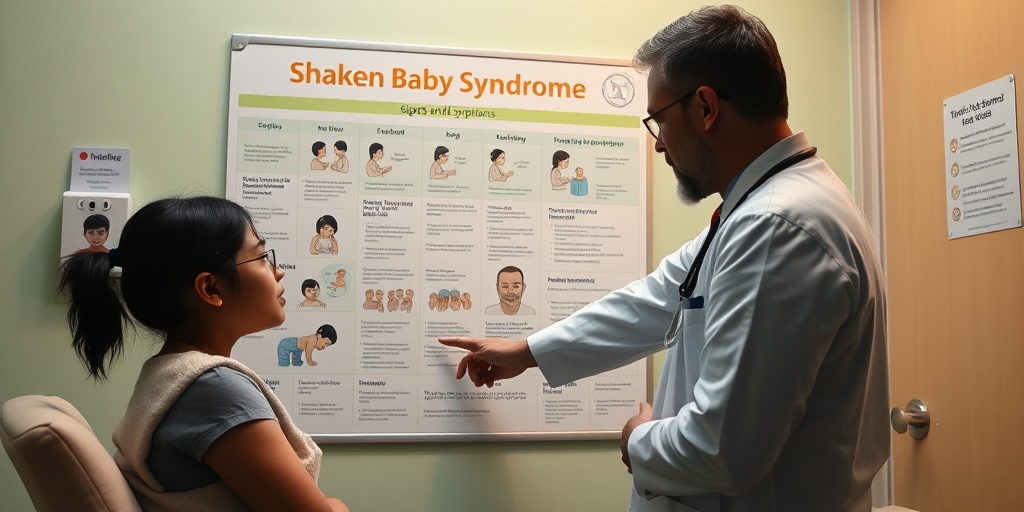
Causes of Shaken Baby Syndrome
Shaken Baby Syndrome (SBS) is a serious brain injury that occurs when an infant or young child is violently shaken. This action can lead to severe consequences, including permanent brain damage or even death. Understanding the causes of SBS is crucial for prevention and awareness.
Understanding the Mechanism of Injury
The primary cause of Shaken Baby Syndrome is the violent shaking of a child, which can happen in moments of frustration or anger. When a baby is shaken, their head moves back and forth rapidly, causing the brain to collide with the skull. This can result in:
- Brain swelling: The rapid movement can cause the brain to swell, leading to increased pressure and potential damage.
- Bleeding: Shaking can cause blood vessels in the brain to rupture, leading to bleeding and further complications.
- Retinal damage: The force of shaking can also affect the eyes, leading to retinal hemorrhages.
Common Scenarios Leading to SBS
While any caregiver can potentially shake a child, certain situations are more likely to lead to SBS:
- Parental stress: New parents may experience overwhelming stress, leading to frustration when a baby is crying incessantly.
- Inexperience with infants: Caregivers who are not familiar with handling infants may resort to shaking as a misguided attempt to stop crying.
- Substance abuse: Caregivers under the influence of drugs or alcohol may not have the judgment needed to care for a child safely.
Emotional and Psychological Factors
Emotional factors can also play a significant role in the occurrence of SBS. Caregivers who struggle with mental health issues, such as depression or anxiety, may be more prone to shaking a child out of frustration. Recognizing these emotional triggers is essential for prevention.
Risk Factors for Shaken Baby Syndrome
Identifying the risk factors associated with Shaken Baby Syndrome can help in developing strategies to prevent this tragic outcome. Understanding who is at risk and under what circumstances can save lives.
Demographic Factors
Certain demographic factors can increase the likelihood of SBS:
- Age of the caregiver: Younger caregivers, particularly those under 30, are statistically more likely to shake a child.
- Single parent households: Single parents may experience higher levels of stress and isolation, increasing the risk of SBS.
- Low socioeconomic status: Families facing financial difficulties may experience more stress, leading to a higher risk of child abuse, including SBS.
Behavioral and Environmental Factors
In addition to demographic factors, certain behaviors and environments can contribute to the risk of SBS:
- Exposure to violence: Caregivers who have experienced or witnessed violence may be more likely to resort to shaking as a form of discipline.
- Substance abuse: As mentioned earlier, caregivers who abuse drugs or alcohol may lack the ability to care for a child safely.
- High-stress environments: Living in a chaotic or stressful environment can lead to frustration and impulsive actions.
Signs of Potential Risk
Recognizing the signs that a caregiver may be at risk of shaking a child is vital for prevention:
- Frequent outbursts of anger: Caregivers who struggle to manage their emotions may be more likely to shake a child.
- Inconsistent parenting practices: Caregivers who are inconsistent in their approach to discipline may resort to shaking in moments of frustration.
- Social isolation: Caregivers who feel isolated may lack support systems that can help them cope with the stresses of parenting.
By understanding the causes and risk factors associated with Shaken Baby Syndrome, we can work towards prevention and ensure the safety of our most vulnerable population—our children. 🍼❤️
Diagnosis of Shaken Baby Syndrome
Shaken Baby Syndrome (SBS) is a serious condition resulting from violently shaking an infant or young child. This action can lead to severe brain injury, and recognizing the signs early is crucial for effective intervention. Diagnosing SBS can be complex, as the symptoms may not always be immediately apparent.
Recognizing the Symptoms
Parents and caregivers should be aware of the symptoms of Shaken Baby Syndrome, which can include:
- Unresponsiveness: The child may appear lethargic or unresponsive.
- Seizures: Sudden seizures can occur, indicating serious brain injury.
- Difficulty breathing: The child may have trouble breathing or show signs of distress.
- Vomiting: Frequent vomiting can be a sign of increased intracranial pressure.
- Changes in behavior: Irritability or unusual behavior can be a red flag.
If you notice any of these symptoms, it is essential to seek medical attention immediately. Early diagnosis can significantly impact the outcome for the child.
Medical Evaluation
When a child is suspected of having SBS, a thorough medical evaluation is conducted. This typically includes:
- Physical Examination: A healthcare professional will perform a detailed physical exam to assess the child’s overall condition.
- Imaging Tests: CT scans or MRIs may be used to look for signs of brain injury, such as swelling or bleeding.
- Retinal Examination: An eye exam can reveal retinal hemorrhages, which are common in SBS cases.
It’s important to note that SBS can sometimes be mistaken for other conditions, such as accidental head trauma or certain medical conditions. Therefore, a comprehensive evaluation by a specialist is crucial for an accurate diagnosis.
Reporting and Legal Considerations
In cases where SBS is suspected, healthcare providers are often required to report their findings to child protective services. This is to ensure the safety of the child and to investigate the circumstances surrounding the injury. Legal implications can be significant, and understanding the laws in your area is essential for caregivers and medical professionals alike.
Long-Term Effects
The long-term effects of Shaken Baby Syndrome can be devastating and vary widely depending on the severity of the injury. Understanding these potential outcomes is crucial for parents, caregivers, and healthcare providers.
Physical and Cognitive Impairments
Children who survive SBS may face a range of physical and cognitive challenges, including:
- Developmental Delays: Many children experience delays in reaching developmental milestones, such as walking or talking.
- Cognitive Impairments: Issues with memory, attention, and learning can arise, affecting the child’s ability to succeed in school.
- Physical Disabilities: Some may suffer from paralysis or other physical disabilities that impact mobility and coordination.
Emotional and Behavioral Challenges
In addition to physical and cognitive issues, children affected by SBS may also experience emotional and behavioral challenges:
- Emotional Distress: Anxiety, depression, and other emotional issues can develop as the child grows.
- Behavioral Problems: Some children may exhibit aggressive or withdrawn behaviors, making social interactions difficult.
Support and Rehabilitation
Early intervention and ongoing support are vital for children affected by Shaken Baby Syndrome. Rehabilitation services, including physical therapy, occupational therapy, and counseling, can help address the various challenges these children face. Support groups for families can also provide essential resources and emotional support during difficult times.
Understanding the long-term effects of SBS is crucial for caregivers and healthcare providers to ensure that affected children receive the necessary care and support throughout their lives. By fostering a supportive environment, we can help these children thrive despite the challenges they may face. 🌈

Prevention Strategies
Shaken Baby Syndrome (SBS) is a serious condition that can lead to severe brain injury or even death in infants and young children. Understanding how to prevent this tragic outcome is crucial for caregivers and parents. Here are some effective prevention strategies to consider:
Education and Awareness
One of the most effective ways to prevent Shaken Baby Syndrome is through education. Parents and caregivers should be informed about the dangers of shaking a baby, even in moments of frustration. Here are some key points to emphasize:
- Understanding the Risks: Many caregivers may not realize that shaking a baby can cause significant harm. Educating them about the potential consequences can help reduce the risk.
- Recognizing Stress: Caregivers should be aware of their own stress levels. If they feel overwhelmed, it’s essential to take a break and seek help rather than resorting to shaking.
Creating a Safe Environment
Ensuring a safe environment for infants can significantly reduce the risk of SBS. Here are some practical steps:
- Safe Sleep Practices: Always place babies on their backs to sleep in a crib free of soft bedding, toys, or pillows.
- Secure Handling: When picking up or holding a baby, always support their head and neck to prevent any sudden movements.
Encouraging Healthy Coping Mechanisms
Caregivers should be equipped with healthy coping strategies to manage stress and frustration. Here are some suggestions:
- Take Breaks: If a baby is crying and the caregiver feels overwhelmed, it’s okay to place the baby in a safe space, like a crib, and take a moment to breathe.
- Seek Support: Encourage caregivers to reach out to friends, family, or support groups for help and advice.
Support for Affected Families
Families affected by Shaken Baby Syndrome face unique challenges, both emotionally and practically. Providing support is essential for their healing and recovery. Here are some ways to offer assistance:
Emotional Support
Families dealing with the aftermath of SBS often experience a range of emotions, including guilt, anger, and grief. Here’s how to provide emotional support:
- Listen Actively: Sometimes, just being there to listen can make a significant difference. Allow family members to express their feelings without judgment.
- Encourage Professional Help: Suggesting therapy or counseling can be beneficial for families struggling to cope with their emotions.
Practical Assistance
Offering practical help can alleviate some of the burdens families face. Consider these options:
- Meal Preparation: Providing meals can help families focus on their emotional needs without the added stress of cooking.
- Childcare Support: If there are other children in the family, offering to babysit can give parents some much-needed respite.
Connecting with Resources
Connecting families with resources can empower them and provide additional support. Here are some valuable resources:
- Support Groups: Encourage families to join support groups where they can connect with others who have experienced similar situations.
- Educational Resources: Provide information about SBS, its effects, and prevention strategies to help families understand the condition better.
By implementing these prevention strategies and offering support to affected families, we can work together to reduce the incidence of Shaken Baby Syndrome and foster a safer environment for our children. 💖
Frequently Asked Questions about Shaken Baby Syndrome
What is Shaken Baby Syndrome?
Shaken Baby Syndrome (SBS) is a serious brain injury that occurs when an infant or young child is violently shaken. This shaking can cause severe damage to the brain and spinal cord, leading to long-term disabilities or even death.
What are the symptoms of Shaken Baby Syndrome?
Common Shaken Baby Syndrome symptoms include:
- Unresponsiveness or lethargy
- Difficulty staying awake
- Seizures
- Vomiting
- Difficulty feeding
- Signs of irritability or discomfort
What causes Shaken Baby Syndrome?
The primary cause of Shaken Baby Syndrome is the violent shaking of an infant. This can occur out of frustration or anger when a caregiver is unable to soothe a crying baby. It is crucial to understand that even a brief episode of shaking can lead to serious injury.
What is the age range most affected by Shaken Baby Syndrome?
Shaken Baby Syndrome typically affects infants under the age of 1, although children up to age 4 can also be at risk. The vulnerability of infants is due to their developing brains and weak neck muscles.
Can adults experience Shaken Baby Syndrome?
While Shaken Baby Syndrome primarily affects infants, adults can experience similar types of brain injuries from violent shaking or trauma. However, the term is specifically used in the context of infants and young children.
What is the Shaken Baby Syndrome triad?
The Shaken Baby Syndrome triad refers to three critical findings often seen in affected infants:
- Subdural hematomas (bleeding on the brain)
- Retinal hemorrhages (bleeding in the eyes)
- Encephalopathy (brain swelling or damage)
How can Shaken Baby Syndrome be prevented?
Preventing Shaken Baby Syndrome involves educating caregivers about the dangers of shaking a baby. Here are some tips:
- Always handle infants gently.
- Take breaks if you feel overwhelmed.
- Seek help from friends or family when needed.
- Learn soothing techniques for crying babies.
Where can I find more information about Shaken Baby Syndrome?
For more information, consider visiting reputable health websites or organizations dedicated to child health and safety. You can also find educational videos and resources that explain Shaken Baby Syndrome in detail.
Is there a support community for families affected by Shaken Baby Syndrome?
Yes, there are various support groups and online communities where families affected by Shaken Baby Syndrome can connect, share experiences, and find resources. Websites like Reddit may have threads discussing personal experiences and advice.