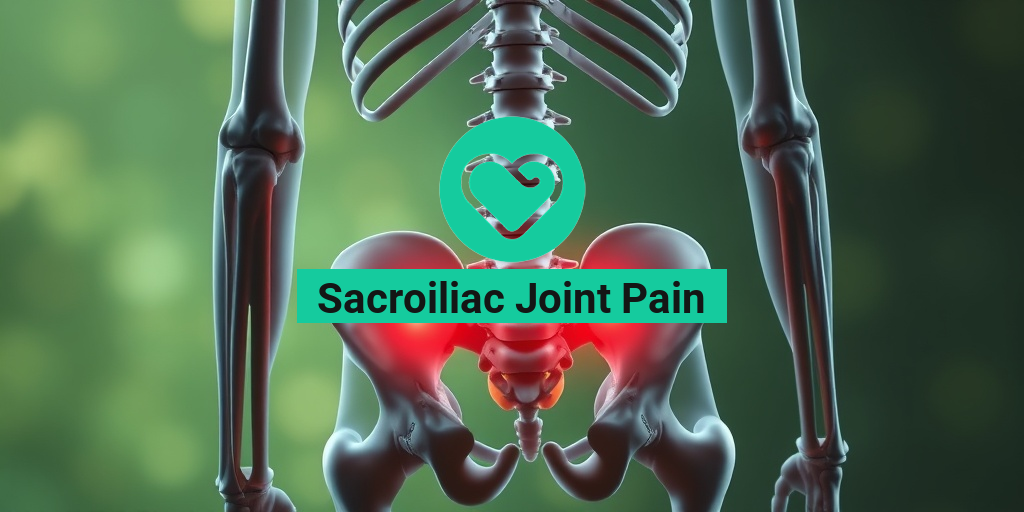
What Is Sacroiliac Joint Pain?
Sacroiliac joint pain refers to discomfort that originates from the sacroiliac joints, which are located at the lower part of the spine where the sacrum meets the ilium of the pelvis. These joints play a crucial role in connecting the spine to the pelvis, providing stability and support during movement. When these joints become inflamed or irritated, it can lead to significant pain and discomfort, affecting daily activities.
The sacroiliac joints are designed to absorb shock and allow for a limited range of motion. However, various factors can contribute to sacroiliac joint pain, including injury, arthritis, pregnancy, or even prolonged sitting. Understanding the underlying causes of this pain is essential for effective treatment and management.
Causes of Sacroiliac Joint Pain
Several factors can lead to sacroiliac joint pain, including:
- Injury: Trauma from falls, accidents, or sports can damage the sacroiliac joints.
- Arthritis: Conditions like osteoarthritis or ankylosing spondylitis can cause inflammation in the joints.
- Pregnancy: Hormonal changes and weight gain during pregnancy can put extra stress on the sacroiliac joints.
- Posture: Poor posture or improper lifting techniques can lead to strain on the joints.
- Overuse: Repetitive movements or excessive physical activity can irritate the joints.
Identifying the cause of your sacroiliac joint pain is crucial for determining the best course of treatment. If you’re experiencing persistent discomfort, consulting a healthcare professional is recommended.
Sacroiliac Joint Pain Symptoms
The symptoms of sacroiliac joint pain can vary from person to person, but there are common signs to look out for. Recognizing these symptoms early can help you seek appropriate treatment and alleviate discomfort.
Common Symptoms
- Localized Pain: Pain is typically felt in the lower back, buttocks, or hips. It may also radiate down the legs.
- Stiffness: Many individuals experience stiffness in the lower back, especially after prolonged sitting or standing.
- Difficulty with Movement: Activities such as bending, lifting, or climbing stairs may become painful.
- Worsening Pain: Pain may intensify with certain movements, such as twisting or turning the body.
- Unilateral Pain: Often, the pain is felt on one side of the body, although it can affect both sides.
Symptoms During Pregnancy
Pregnant women may experience unique symptoms related to sacroiliac joint pain due to the physical changes their bodies undergo. These can include:
- Increased Pain: As the pregnancy progresses, the added weight and hormonal changes can exacerbate pain.
- Difficulty Sleeping: Finding a comfortable sleeping position may become challenging due to discomfort.
- Radiating Pain: Pain may radiate to the legs or groin area, making it difficult to walk.
If you suspect that you are experiencing sacroiliac joint pain, it is essential to consult with a healthcare provider for a proper diagnosis and treatment plan. They may recommend exercises, physical therapy, or other interventions to help manage your symptoms effectively.
For more information on sacroiliac joint pain and its management, consider visiting Yesil Health AI, a valuable resource for evidence-based health answers. Remember, understanding your body and its signals is the first step toward effective pain relief! 🌟
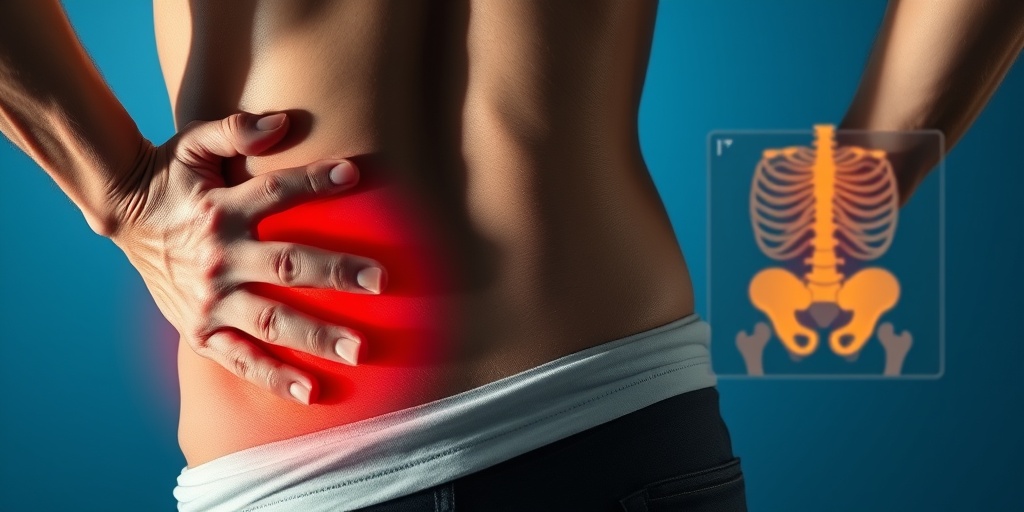
Causes of Sacroiliac Joint Pain
Sacroiliac joint pain can be a debilitating condition that affects your daily life. Understanding the causes of this pain is crucial for effective treatment and management. The sacroiliac joints, located at the base of the spine, connect the sacrum to the pelvis. When these joints become inflamed or irritated, it can lead to significant discomfort. Here are some common causes:
1. Injury or Trauma
Injuries to the sacroiliac joint can occur due to falls, car accidents, or sports-related incidents. Such trauma can lead to inflammation and pain in the joint area. Even minor injuries can result in chronic pain if not addressed properly.
2. Arthritis
Various forms of arthritis, including osteoarthritis and rheumatoid arthritis, can affect the sacroiliac joints. Inflammation caused by arthritis can lead to stiffness and pain, making it difficult to perform everyday activities.
3. Pregnancy
During pregnancy, hormonal changes and the added weight can put extra stress on the sacroiliac joints. This can lead to discomfort and pain, especially in the later stages of pregnancy. Many women experience sacroiliac joint pain during pregnancy, which can be managed with specific exercises and physical therapy.
4. Leg Length Discrepancy
A difference in leg length can cause uneven pressure on the sacroiliac joints, leading to pain. This condition may require orthotic inserts or other interventions to correct the imbalance.
5. Overuse or Repetitive Motion
Activities that involve repetitive motions, such as heavy lifting or prolonged sitting, can strain the sacroiliac joints. Over time, this can lead to inflammation and pain. It’s essential to take breaks and practice proper body mechanics to avoid overuse injuries.
6. Infections
Though rare, infections in the sacroiliac joint can cause significant pain and inflammation. Conditions like septic arthritis can lead to severe symptoms that require immediate medical attention.
Risks and Factors
Understanding the risks and factors associated with sacroiliac joint pain can help you take preventive measures and seek timely treatment. Here are some key factors to consider:
1. Age
As we age, the risk of developing conditions that affect the sacroiliac joints increases. Degenerative changes in the joints can lead to pain and discomfort, making it essential to maintain an active lifestyle and engage in joint-friendly exercises.
2. Obesity
Excess weight can put additional stress on the sacroiliac joints, increasing the likelihood of pain. Maintaining a healthy weight through diet and exercise can significantly reduce this risk.
3. Sedentary Lifestyle
A lack of physical activity can weaken the muscles that support the sacroiliac joints, leading to instability and pain. Incorporating regular exercise, including sacroiliac joint pain exercises, can help strengthen these muscles and improve joint function.
4. Previous Back Problems
If you have a history of back issues, you may be at a higher risk for developing sacroiliac joint pain. Conditions like herniated discs or sciatica can contribute to joint stress and discomfort.
5. Occupational Hazards
Jobs that require heavy lifting, prolonged sitting, or repetitive motions can increase the risk of sacroiliac joint pain. It’s essential to practice good ergonomics and take regular breaks to minimize strain on the joints.
6. Genetic Factors
Some individuals may be genetically predisposed to conditions that affect the sacroiliac joints. If you have a family history of joint problems, it’s important to be proactive about your joint health.
By understanding the causes and risks associated with sacroiliac joint pain, you can take steps to manage your symptoms effectively and improve your quality of life. If you experience persistent pain, consult a healthcare professional for a comprehensive evaluation and tailored treatment plan. 🌟

Diagnosis of Sacroiliac Joint Pain
Sacroiliac joint pain can be a challenging condition to diagnose due to its location and the variety of symptoms it can produce. The sacroiliac joints are located at the base of the spine, connecting the sacrum to the pelvis. When these joints become inflamed or irritated, it can lead to significant discomfort. Understanding how healthcare professionals diagnose this condition is crucial for effective treatment.
Identifying Symptoms
The first step in diagnosing sacroiliac joint pain is recognizing the symptoms. Common signs include:
- Localized pain: Pain is often felt in the lower back, buttocks, or hips.
- Pain with movement: Activities like standing up, climbing stairs, or sitting for long periods can exacerbate the pain.
- Radiating pain: Some individuals may experience pain that radiates down the legs.
- Stiffness: A feeling of stiffness in the lower back or hips, especially after prolonged inactivity.
Physical Examination
Once symptoms are identified, a healthcare provider will conduct a physical examination. This may include:
- Palpation: The doctor will press on the sacroiliac joints to identify areas of tenderness.
- Range of motion tests: Assessing how well the patient can move their hips and lower back.
- Provocation tests: Specific movements may be performed to reproduce the pain, helping to confirm the diagnosis.
Imaging Studies
In some cases, imaging studies may be necessary to rule out other conditions. Common imaging techniques include:
- X-rays: These can help identify any structural issues or arthritis in the joints.
- MRI: This imaging technique provides detailed images of soft tissues and can help identify inflammation or other abnormalities.
- CT scans: These may be used for a more detailed view of the sacroiliac joints.
Diagnostic Injections
In certain situations, a healthcare provider may recommend a diagnostic injection. This involves injecting a local anesthetic into the sacroiliac joint. If the injection provides significant pain relief, it can confirm that the sacroiliac joint is the source of the pain.
Treatment Options
Once diagnosed, there are several treatment options available for managing sacroiliac joint pain. The choice of treatment often depends on the severity of the pain and the underlying cause.
Conservative Treatments
Many individuals find relief through conservative treatment options, which may include:
- Physical therapy: A physical therapist can design a personalized exercise program to strengthen the muscles around the sacroiliac joint and improve flexibility.
- Medications: Over-the-counter pain relievers, such as ibuprofen or acetaminophen, can help reduce inflammation and alleviate pain.
- Heat and ice therapy: Applying heat or ice to the affected area can provide temporary relief from pain and stiffness.
Injections
If conservative treatments are ineffective, corticosteroid injections may be recommended. These injections can help reduce inflammation and provide longer-lasting pain relief. In some cases, a radiofrequency ablation procedure may be performed to disrupt nerve signals that transmit pain.
Surgical Options
For individuals who do not respond to other treatments, surgical options may be considered. These can include:
- Sacroiliac joint fusion: This procedure involves fusing the sacroiliac joint to stabilize it and reduce pain.
- Minimally invasive techniques: Newer surgical techniques may offer less recovery time and reduced pain compared to traditional surgery.
Alternative Therapies
Some individuals may also explore alternative therapies, such as:
- Chiropractic care: Adjustments may help improve joint function and reduce pain.
- Acupuncture: This traditional Chinese medicine technique may provide relief for some individuals.
- Massage therapy: Targeted massage can help alleviate muscle tension around the sacroiliac joint.
In conclusion, diagnosing and treating sacroiliac joint pain involves a comprehensive approach that includes recognizing symptoms, physical examinations, and various treatment options. By working closely with healthcare professionals, individuals can find effective strategies to manage their pain and improve their quality of life. 🌟
Home Remedies for Relief
Sacroiliac joint pain can be a frustrating and debilitating condition, but there are several home remedies that may help alleviate discomfort. These remedies focus on reducing inflammation, improving mobility, and providing pain relief. Here are some effective strategies you can try:
1. Ice and Heat Therapy
Applying ice or heat to the affected area can provide significant relief. Ice therapy helps reduce inflammation and numb the pain, while heat therapy can relax tight muscles and improve blood flow. Try alternating between ice packs and heating pads for optimal results. Remember to wrap ice packs in a cloth to avoid direct contact with the skin.
2. Gentle Stretching Exercises
Incorporating gentle stretching exercises into your routine can help alleviate sacroiliac joint pain. Focus on stretches that target the lower back, hips, and pelvis. Some beneficial stretches include:
- Child’s Pose: This yoga pose gently stretches the lower back and hips.
- Knees to Chest Stretch: Lying on your back, pull your knees towards your chest to relieve tension.
- Piriformis Stretch: This stretch targets the piriformis muscle, which can affect the sacroiliac joint.
Always listen to your body and avoid any movements that exacerbate your pain. 🧘♀️
3. Over-the-Counter Pain Relievers
Nonsteroidal anti-inflammatory drugs (NSAIDs) like ibuprofen or naproxen can help reduce pain and inflammation associated with sacroiliac joint pain. However, it’s essential to follow the recommended dosage and consult with a healthcare professional if you have any concerns.
4. Maintain Good Posture
Improving your posture can significantly impact sacroiliac joint pain. When sitting or standing, ensure that your back is straight, shoulders are relaxed, and your weight is evenly distributed. Consider using ergonomic chairs or cushions to support your lower back during prolonged sitting. 🪑
5. Use a Sacroiliac Joint Belt
A sacroiliac joint belt can provide additional support and stability to the pelvis, helping to alleviate pain. These belts are designed to compress the area around the sacroiliac joint, reducing movement and strain. Make sure to choose a belt that fits comfortably and provides adequate support.
Preventing Sacroiliac Joint Pain
Preventing sacroiliac joint pain is crucial for maintaining a healthy and active lifestyle. By adopting certain habits and practices, you can reduce your risk of developing this condition. Here are some effective prevention strategies:
1. Strengthening Core Muscles
A strong core is essential for supporting your spine and pelvis. Incorporate exercises that target your abdominal and back muscles, such as:
- Planks: Hold a plank position to engage your core muscles.
- Bridges: This exercise strengthens the glutes and lower back.
- Bird-Dog: This movement improves balance and stability.
Regularly strengthening your core can help prevent undue stress on the sacroiliac joint. 💪
2. Practice Proper Lifting Techniques
Improper lifting techniques can lead to strain on the sacroiliac joint. Always bend at your knees and keep your back straight when lifting heavy objects. Hold the item close to your body and avoid twisting your torso while lifting.
3. Stay Active
Engaging in regular physical activity can help maintain flexibility and strength in your muscles and joints. Aim for a balanced routine that includes cardiovascular exercises, strength training, and flexibility work. Activities like walking, swimming, and cycling are excellent choices for overall joint health. 🚴♂️
4. Maintain a Healthy Weight
Excess weight can put additional stress on your joints, including the sacroiliac joint. Maintaining a healthy weight through a balanced diet and regular exercise can help reduce your risk of developing pain in this area.
5. Be Mindful of Your Activities
Pay attention to activities that may exacerbate your sacroiliac joint pain. If certain movements or exercises cause discomfort, consider modifying them or consulting with a physical therapist for guidance. Being proactive about your activities can help prevent future pain.
By implementing these home remedies and prevention strategies, you can take control of your sacroiliac joint pain and improve your overall quality of life. Remember, it’s essential to consult with a healthcare professional for personalized advice and treatment options. 🌟

Frequently Asked Questions about Sacroiliac Joint Pain
What is Sacroiliac Joint Pain?
Sacroiliac joint pain refers to discomfort in the sacroiliac joints, which connect the lower spine to the pelvis. This type of pain can result from various factors, including injury, inflammation, or degenerative conditions.
What are the common symptoms of Sacroiliac Joint Pain?
- Localized pain: Typically felt in the lower back or buttocks.
- Pain radiating: May extend down the legs or into the groin.
- Stiffness: Difficulty moving or bending.
- Worsening pain: Often exacerbated by prolonged sitting or standing.
What causes Sacroiliac Joint Pain?
Several factors can contribute to sacroiliac joint pain, including:
- Injury: Trauma to the lower back or pelvis.
- Arthritis: Inflammatory conditions affecting the joints.
- Pregnancy: Hormonal changes and increased weight can strain the sacroiliac joints.
- Biomechanical issues: Abnormal gait or posture can lead to joint stress.
How can I relieve Sacroiliac Joint Pain?
Relief strategies for sacroiliac joint pain may include:
- Physical therapy: Targeted exercises to strengthen and stabilize the area.
- Heat and ice therapy: Applying heat or ice packs to reduce inflammation and pain.
- Medications: Over-the-counter pain relievers or anti-inflammatory drugs.
- Support belts: Using a sacroiliac joint pain belt for added support.
Are there specific exercises for Sacroiliac Joint Pain?
Yes, certain sacroiliac joint pain exercises can help alleviate discomfort. However, it’s essential to avoid exercises that may exacerbate the pain. Consult with a healthcare professional for personalized recommendations.
Can Sacroiliac Joint Pain occur during pregnancy?
Absolutely! Many pregnant women experience sacroiliac joint pain due to hormonal changes and the added weight of the growing baby. It’s advisable to seek guidance from a healthcare provider for safe management strategies.
What is the ICD-10 code for Sacroiliac Joint Pain?
The ICD-10 code for sacroiliac joint pain is M53.3, which is used for medical billing and documentation purposes.
When should I see a doctor for Sacroiliac Joint Pain?
If your pain persists despite home treatment, worsens over time, or is accompanied by other concerning symptoms (such as numbness or weakness), it’s important to consult a healthcare professional for a thorough evaluation and appropriate treatment options.