
What Is Lumbar Pain?
Lumbar pain, commonly referred to as lower back pain, is a prevalent condition that affects millions of people worldwide. It primarily occurs in the lumbar region, which is the lower part of the spine, situated between the rib cage and the pelvis. This area consists of five vertebrae (L1 to L5) and is crucial for supporting the upper body, allowing for movement, and protecting the spinal cord.
Lumbar pain can arise from various causes, including muscle strain, ligament sprain, herniated discs, or degenerative disc disease. It can be acute, lasting a few days to weeks, or chronic, persisting for three months or longer. Understanding the nature of lumbar pain is essential for effective treatment and management.
Common Causes of Lumbar Pain
- Muscle Strain: Overexertion or improper lifting techniques can lead to muscle strains, resulting in pain and discomfort.
- Herniated Discs: When the soft material inside a spinal disc bulges out, it can press on nearby nerves, causing pain.
- Degenerative Disc Disease: As we age, the discs in our spine can wear down, leading to pain and reduced mobility.
- Spinal Stenosis: This condition involves the narrowing of the spinal canal, which can put pressure on the spinal cord and nerves.
- Injuries: Accidents or falls can lead to acute lumbar pain due to trauma to the spine.
Recognizing the underlying cause of lumbar pain is crucial for determining the appropriate treatment. If you’re experiencing persistent discomfort, consider consulting a healthcare professional or visiting Yesil Health AI for evidence-based health answers.
Lumbar Pain Symptoms
The symptoms of lumbar pain can vary significantly from person to person, depending on the underlying cause and severity of the condition. Here are some common symptoms associated with lumbar pain:
1. Localized Pain
The most obvious symptom is pain in the lower back area. This pain can be sharp, dull, or throbbing and may worsen with certain movements or positions. It can also radiate to other areas, such as the hips or thighs.
2. Stiffness
Many individuals with lumbar pain experience stiffness in the lower back, making it difficult to bend or twist. This stiffness can be particularly pronounced after prolonged periods of sitting or lying down.
3. Muscle Spasms
Muscle spasms are involuntary contractions of the muscles in the lower back, often accompanied by sharp pain. These spasms can occur suddenly and may limit mobility.
4. Numbness or Tingling
In some cases, lumbar pain may be associated with nerve compression, leading to sensations of numbness or tingling in the legs or feet. This symptom is often indicative of conditions like herniated discs or sciatica.
5. Weakness
Individuals may also experience weakness in the legs or feet, making it challenging to perform daily activities. This weakness can be a sign of nerve involvement and should be evaluated by a healthcare professional.
When to Seek Medical Attention
If you experience severe lumbar pain that does not improve with rest or over-the-counter pain relief, or if you notice symptoms like numbness, tingling, or weakness, it’s essential to seek medical attention. Early intervention can prevent further complications and improve your quality of life.
In conclusion, understanding lumbar pain and its symptoms is the first step toward effective management and relief. Whether through lifestyle changes, physical therapy, or medical intervention, addressing lumbar pain can lead to a healthier, more active life. For more information and resources, consider visiting Yesil Health AI for expert guidance. 🌟
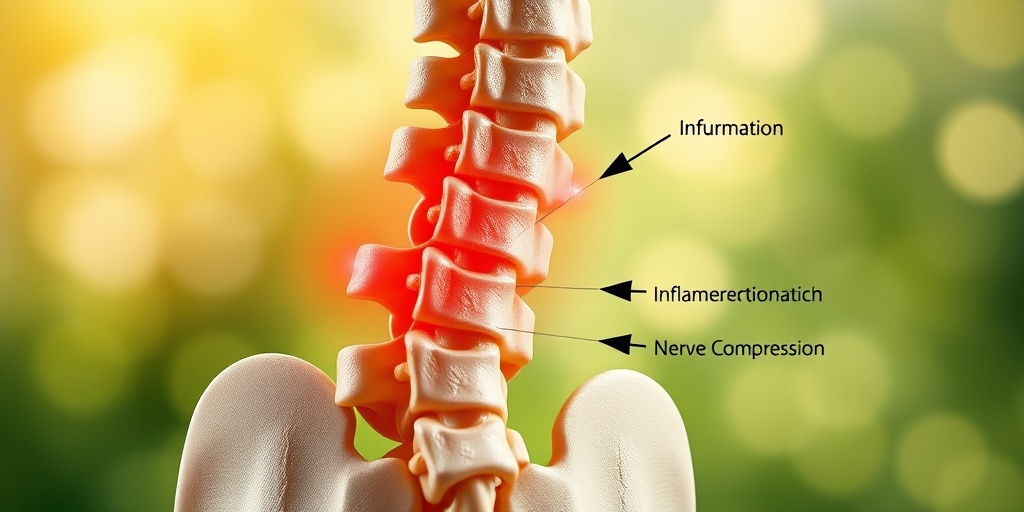
Lumbar Pain Causes
Lumbar pain, commonly referred to as lower back pain, is a prevalent issue that affects millions of people worldwide. Understanding the causes of lumbar pain is crucial for effective treatment and prevention. Here are some of the most common causes:
1. Muscle Strain
One of the leading causes of lumbar pain is muscle strain. This can occur due to:
- Improper lifting techniques
- Overexertion during physical activities
- Sudden awkward movements
When muscles are overstretched or torn, it can lead to significant discomfort and pain in the lumbar region.
2. Herniated Discs
A herniated disc occurs when the soft material inside a spinal disc bulges out, pressing on nearby nerves. This condition can cause severe lumbar pain and may also lead to symptoms like:
- Numbness
- Tingling sensations
- Weakness in the legs
Herniated discs are often a result of age-related wear and tear or injury.
3. Degenerative Disc Disease
As we age, the discs in our spine can degenerate, leading to lumbar pain. This condition is characterized by:
- Loss of cushioning between vertebrae
- Increased friction and pressure on spinal nerves
Degenerative disc disease can cause chronic pain and discomfort, particularly during movement.
4. Spinal Stenosis
Spinal stenosis is the narrowing of the spinal canal, which can put pressure on the spinal cord and nerves. This condition can lead to:
- Pain in the lower back
- Leg pain or cramping
- Difficulty walking
Spinal stenosis is often associated with aging and can significantly impact mobility.
5. Osteoarthritis
Osteoarthritis is a degenerative joint disease that can affect the lumbar spine. It occurs when the cartilage that cushions the joints wears down, leading to:
- Joint pain
- Stiffness
- Swelling
This condition can exacerbate lumbar pain, especially after prolonged periods of inactivity.
6. Injuries and Accidents
Injuries from accidents, falls, or sports can lead to acute lumbar pain. Common injuries include:
- Fractures
- Sprains
- Strains
These injuries can cause immediate pain and may require medical attention for proper healing.
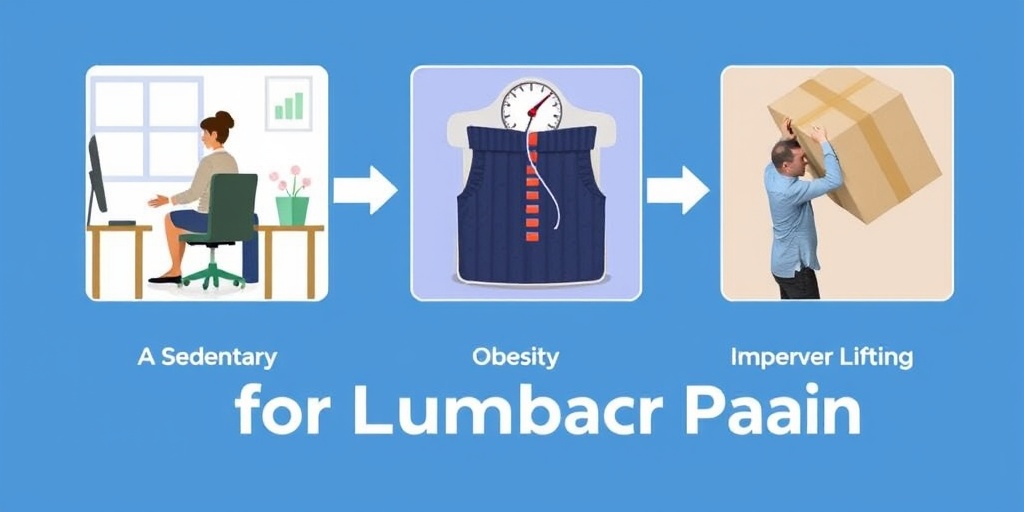
Lumbar Pain Risk Factors
Understanding the risk factors associated with lumbar pain can help individuals take proactive steps to reduce their chances of experiencing this condition. Here are some key risk factors to consider:
1. Age
As people age, the likelihood of developing lumbar pain increases. The natural wear and tear on the spine can lead to conditions such as degenerative disc disease and spinal stenosis.
2. Physical Inactivity
A sedentary lifestyle can weaken the muscles that support the spine, making individuals more susceptible to lumbar pain. Regular exercise is essential for maintaining strength and flexibility.
3. Obesity
Excess weight puts additional strain on the spine and can lead to various musculoskeletal issues, including lumbar pain. Maintaining a healthy weight through diet and exercise is crucial for spinal health.
4. Poor Posture
Prolonged periods of poor posture, especially while sitting or standing, can contribute to lumbar pain. It’s important to practice good posture and ergonomics, particularly for those who work at desks for long hours.
5. Occupational Hazards
Certain jobs that require heavy lifting, repetitive movements, or prolonged sitting can increase the risk of lumbar pain. Workers in physically demanding roles should take precautions to protect their backs.
6. Genetics
Some individuals may have a genetic predisposition to conditions that cause lumbar pain, such as herniated discs or arthritis. Family history can play a significant role in one’s risk level.
By understanding the causes and risk factors associated with lumbar pain, individuals can take proactive steps to manage their health and seek appropriate treatment when necessary. Remember, early intervention is key to preventing chronic pain and maintaining a healthy spine! 💪
Lumbar Pain Diagnosis
Lumbar pain, commonly referred to as lower back pain, is a prevalent issue that affects millions of people worldwide. Understanding how lumbar pain is diagnosed is crucial for effective treatment and management. Let’s explore the various methods healthcare professionals use to diagnose this condition.
Understanding Your Symptoms
The first step in diagnosing lumbar pain is a thorough assessment of your symptoms. Common symptoms associated with lumbar pain include:
- Localized pain: Pain that is concentrated in the lower back area.
- Radiating pain: Pain that travels down the legs, often referred to as radiculopathy.
- Stiffness: Difficulty in moving or bending due to tightness in the lower back.
- Muscle spasms: Involuntary contractions of the muscles in the lower back.
When visiting a healthcare provider, be prepared to discuss the onset of your symptoms, their intensity, and any activities that exacerbate or relieve the pain. This information is vital for an accurate diagnosis.
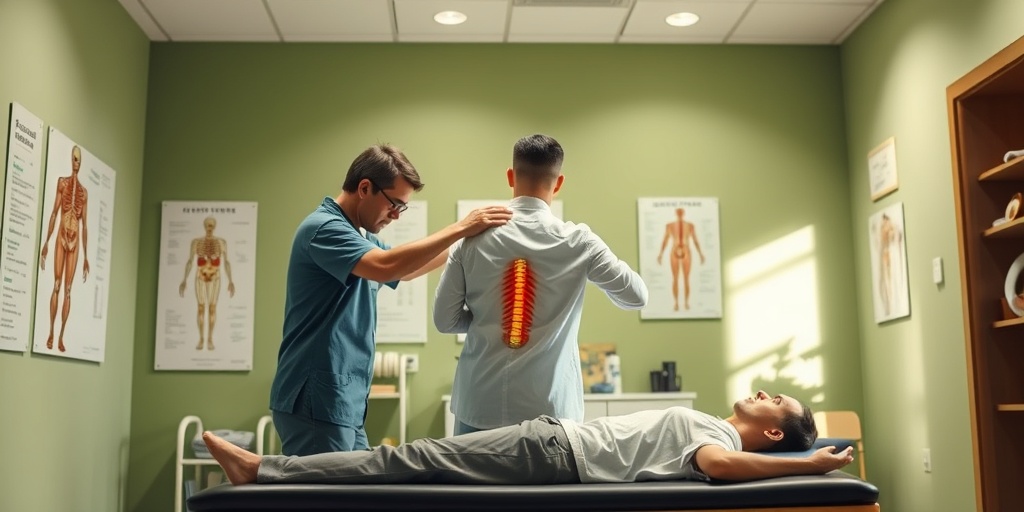
Physical Examination
After discussing your symptoms, your doctor will conduct a physical examination. This may involve:
- Palpation: The doctor will gently press on various areas of your back to identify pain points.
- Range of motion tests: You may be asked to bend, twist, or lift your legs to assess mobility and pain levels.
- Neurological tests: These tests evaluate your reflexes, muscle strength, and sensation in your legs.
These assessments help the doctor determine the underlying cause of your lumbar pain.
Imaging Tests
In some cases, your doctor may recommend imaging tests to get a clearer picture of your spine and surrounding structures. Common imaging tests include:
- X-rays: Useful for identifying fractures, dislocations, or degenerative changes in the spine.
- Magnetic Resonance Imaging (MRI): Provides detailed images of soft tissues, including discs and nerves, helping to identify herniated discs or spinal stenosis.
- Computed Tomography (CT) scans: Offers a more detailed view than X-rays and can help diagnose complex spinal issues.
These imaging tests are essential for confirming a diagnosis and ruling out other potential causes of lower back pain.
Laboratory Tests
In some instances, laboratory tests may be necessary to rule out infections or inflammatory conditions. Blood tests can help identify:
- Infections: Elevated white blood cell counts may indicate an infection.
- Inflammatory markers: Tests for conditions like rheumatoid arthritis or ankylosing spondylitis.
Once a diagnosis is established, your healthcare provider can recommend appropriate treatment options tailored to your specific condition.
Lumbar Pain Treatment Options
When it comes to treating lumbar pain, a variety of options are available, ranging from conservative measures to more invasive procedures. The choice of treatment often depends on the underlying cause of the pain and its severity.
Conservative Treatments
Many cases of lumbar pain can be effectively managed with conservative treatments, including:
- Rest: Short periods of rest can help alleviate acute pain, but prolonged inactivity should be avoided.
- Physical therapy: A physical therapist can design a personalized exercise program to strengthen the back and improve flexibility.
- Heat and cold therapy: Applying heat or cold packs can reduce inflammation and relieve pain.
- Over-the-counter pain relievers: Nonsteroidal anti-inflammatory drugs (NSAIDs) like ibuprofen can help manage pain and inflammation.
Medications
If conservative treatments are insufficient, your doctor may prescribe medications such as:
- Muscle relaxants: These can help relieve muscle spasms associated with lumbar pain.
- Prescription pain relievers: Stronger medications may be necessary for severe pain.
- Topical treatments: Creams or patches containing analgesics can provide localized relief.
Interventional Procedures
For chronic or severe lumbar pain that does not respond to conservative treatments, interventional procedures may be considered:
- Injections: Corticosteroid injections can reduce inflammation and provide temporary pain relief.
- Radiofrequency ablation: This procedure uses heat to disrupt nerve signals that transmit pain.
- Surgery: In cases of herniated discs or spinal stenosis, surgical options may be necessary to relieve pressure on nerves.
It’s essential to discuss all treatment options with your healthcare provider to determine the best approach for your specific situation. Remember, early intervention can lead to better outcomes and a quicker return to your daily activities! 🌟
Lumbar Pain Home Remedies
Lumbar pain, commonly referred to as lower back pain, can be a debilitating condition that affects your daily life. Fortunately, there are several effective home remedies that can help alleviate discomfort and promote healing. Here are some tried-and-true methods to consider:
1. Heat and Cold Therapy
Applying heat or cold to the affected area can significantly reduce lumbar pain. Cold therapy helps numb sharp pain and reduces inflammation, while heat therapy relaxes tense muscles and improves blood circulation. You can use:
- Cold packs for the first 48 hours after pain onset.
- Heating pads or warm towels for muscle relaxation.
2. Gentle Stretching and Exercise
Engaging in gentle stretching and low-impact exercises can strengthen the muscles supporting your spine. Consider incorporating:
- Cat-Cow Stretch: This yoga pose helps improve flexibility and relieve tension.
- Pelvic Tilts: Strengthens abdominal muscles and alleviates pressure on the lumbar region.
Always consult with a healthcare professional before starting any new exercise regimen, especially if you have existing health concerns.
3. Herbal Remedies
Some natural herbs are known for their anti-inflammatory properties and can provide relief from lumbar pain. Consider trying:
- Turmeric: Contains curcumin, which has potent anti-inflammatory effects.
- Ginger: Known for its pain-relieving properties, ginger can be consumed as tea or in supplement form.
4. Essential Oils
Essential oils can be a soothing addition to your pain relief routine. Oils such as peppermint and lavender can be diluted with a carrier oil and massaged into the lower back for relief. Alternatively, you can use a diffuser to enjoy their calming scents.
5. Maintain Good Posture
Improper posture can exacerbate lumbar pain. Be mindful of your posture while sitting, standing, or lifting heavy objects. Use ergonomic furniture and take regular breaks to stretch and move around, especially if you have a sedentary job.
Lumbar Pain Prevention Tips
Preventing lumbar pain is often easier than treating it. Here are some effective strategies to keep your back healthy and pain-free:
1. Stay Active
Regular physical activity strengthens the muscles that support your spine. Aim for at least 30 minutes of moderate exercise most days of the week. Activities like walking, swimming, or cycling can be beneficial.
2. Practice Proper Lifting Techniques
When lifting heavy objects, always bend at your knees and keep the object close to your body. Avoid twisting your back while lifting, as this can lead to injury.
3. Maintain a Healthy Weight
Excess weight can put additional strain on your lower back. Maintaining a healthy weight through a balanced diet and regular exercise can help reduce the risk of lumbar pain.
4. Invest in a Good Mattress
Your mattress plays a crucial role in spinal health. Choose a mattress that provides adequate support and comfort. A medium-firm mattress is often recommended for optimal spinal alignment.
5. Stay Hydrated
Proper hydration is essential for maintaining the elasticity of spinal discs. Aim to drink plenty of water throughout the day to keep your body hydrated and support overall health.
6. Incorporate Core Strengthening Exercises
Strengthening your core muscles can provide better support for your spine. Exercises like planks, bridges, and abdominal crunches can help build a strong core and reduce the risk of lumbar pain.
By implementing these home remedies and prevention tips, you can take proactive steps towards managing and preventing lumbar pain. Remember, if your pain persists or worsens, it’s essential to consult a healthcare professional for a proper diagnosis and treatment plan. 🌟

Frequently Asked Questions about Lumbar Pain
What is lumbar pain?
Lumbar pain refers to discomfort or pain that occurs in the lower back region. It can result from various factors, including muscle strain, injury, or underlying medical conditions.
What are the common causes of lumbar pain?
- Muscle or ligament strain
- Herniated discs
- Arthritis
- Skeletal irregularities
- Osteoporosis
What are the symptoms of lumbar pain?
Symptoms may include:
- Aching or stiffness in the lower back
- Pain that radiates down the legs
- Difficulty standing up straight
- Muscle spasms
How can I relieve lumbar pain?
There are several methods for lumbar pain relief, including:
- Over-the-counter pain medications
- Physical therapy and exercises
- Heat or ice therapy
- Massage therapy
- Using a lumbar support cushion
Are there specific exercises for lumbar pain?
Yes! Engaging in gentle stretching and strengthening exercises can help alleviate lumbar pain. Some effective exercises include:
- Knees-to-chest stretch
- Pelvic tilts
- Cat-cow stretch
- Child’s pose
What treatments are available for lumbar pain?
Treatment options for lumbar pain may include:
- Physical therapy
- Chiropractic care
- Prescription medications
- Injections for pain relief
- Surgery in severe cases
What is the ICD-10 code for lumbar pain?
The ICD-10 code for lumbar pain is M54.5. This code is used for medical billing and documentation purposes.
Can lumbar pain be a sign of a serious condition?
While many cases of lumbar pain are not serious, persistent or severe pain may indicate an underlying condition. It’s important to consult a healthcare professional if you experience:
- Unexplained weight loss
- Loss of bladder or bowel control
- Severe pain that doesn’t improve with rest
When should I see a doctor for lumbar pain?
If your lumbar pain persists for more than a few weeks, worsens, or is accompanied by other concerning symptoms, it is advisable to seek medical attention. 🩺