What Is Back Pain?
Back pain is a common ailment that affects millions of people worldwide. It can range from a dull, constant ache to a sudden, sharp pain that makes it difficult to move. Understanding what back pain is and its underlying causes is crucial for effective management and relief.
Types of Back Pain
Back pain can be categorized into two main types:
- Acute Back Pain: This type of pain comes on suddenly and is often the result of an injury, such as a fall or lifting something heavy. Acute back pain typically lasts for a few days to a few weeks.
- Chronic Back Pain: Chronic pain persists for more than three months and can be caused by various factors, including degenerative disc disease, arthritis, or previous injuries. This type of pain can significantly impact daily life and may require ongoing treatment.
Causes of Back Pain
There are numerous potential causes of back pain, including:
- Muscle or Ligament Strain: Heavy lifting or an awkward movement can strain back muscles and ligaments.
- Herniated Discs: Discs act as cushions between the vertebrae in your spine. If a disc is damaged, it can press on nerves, causing pain.
- Arthritis: Osteoarthritis can lead to narrowing of the space around the spinal cord, resulting in back pain.
- Skeletal Irregularities: Conditions like scoliosis can lead to back pain due to abnormal spine curvature.
Common Back Pain Symptoms
Recognizing the symptoms of back pain is essential for seeking appropriate treatment. Symptoms can vary widely depending on the cause and severity of the pain.
Typical Symptoms of Back Pain
Some common symptoms associated with back pain include:
- Dull, Aching Sensation: This is often the most common symptom, which can be persistent and nagging.
- Sharp, Stabbing Pain: This type of pain may occur suddenly and can be debilitating.
- Radiating Pain: Pain that travels down the legs or arms may indicate nerve involvement, such as sciatica.
- Stiffness: Many individuals experience stiffness in the back, making it difficult to move or bend.
- Muscle Spasms: Involuntary contractions of the back muscles can occur, leading to intense pain.
When to Seek Medical Attention
While many cases of back pain can be managed at home, certain symptoms warrant a visit to a healthcare professional:
- If the pain persists for more than a few weeks.
- If you experience severe pain that does not improve with rest.
- If you have numbness or tingling in your legs.
- If you experience unexplained weight loss or fever.
For those seeking back pain relief, it’s essential to consult with a healthcare provider to determine the underlying cause and appropriate treatment options. Resources like Yesil Health AI can provide evidence-based answers to your health questions, helping you navigate your back pain journey.
In conclusion, understanding back pain, its symptoms, and when to seek help can empower you to take control of your health. Whether through exercises, lifestyle changes, or medical intervention, there are numerous ways to manage and alleviate back pain effectively. Remember, you’re not alone in this journey! 🌟

Causes of Back Pain
Back pain is a common ailment that affects millions of people worldwide. Understanding the causes of back pain is crucial for effective treatment and prevention. Here are some of the most prevalent causes:
Muscle or Ligament Strain
One of the most frequent causes of back pain is a strain in the muscles or ligaments. This can occur due to:
- Heavy lifting or an awkward movement
- Prolonged periods of poor posture
- Sudden movements that stress the back
These strains can lead to inflammation and discomfort, making it essential to practice proper lifting techniques and maintain good posture.
Herniated Discs
A herniated disc occurs when the soft material inside a spinal disc pushes out, pressing on nearby nerves. This can cause significant pain, numbness, or weakness in the back and legs. Factors contributing to herniated discs include:
- Age-related wear and tear
- Genetic predisposition
- Obesity, which increases stress on the spine
Arthritis
Arthritis, particularly osteoarthritis, can lead to back pain as it causes the cartilage in the joints to wear down. This condition can result in:
- Stiffness and swelling in the back
- Reduced mobility
- Chronic pain that worsens with activity
In some cases, arthritis can also lead to spinal stenosis, a narrowing of the spinal canal that can cause nerve compression.
Osteoporosis
Osteoporosis is a condition characterized by weak and brittle bones, making them more susceptible to fractures. When vertebrae in the spine become weak, they can collapse, leading to severe back pain. Risk factors for osteoporosis include:
- Age
- Gender (women are at higher risk)
- Lack of calcium and vitamin D
Injuries and Accidents
Injuries from sports, falls, or accidents can lead to acute back pain. Common injuries include:
- Fractures
- Sprains
- Strains
These injuries may require medical attention and rehabilitation to recover fully.
Medical Conditions
Several medical conditions can also contribute to back pain, including:
- Kidney stones or infections
- Pancreatitis
- Infections of the spine
If back pain is accompanied by other symptoms, such as fever or unexplained weight loss, it’s essential to seek medical advice.
Risk Factors for Back Pain
While anyone can experience back pain, certain risk factors can increase the likelihood of developing this condition. Understanding these factors can help in prevention and management.
Age
As we age, the risk of back pain increases. The natural wear and tear on the spine, along with conditions like arthritis and osteoporosis, contribute to this heightened risk. Individuals over the age of 30 are particularly susceptible.
Weight
Being overweight puts additional stress on the spine and can lead to back pain. Excess body weight can cause the spine to become misaligned, leading to discomfort and pain. Maintaining a healthy weight through diet and exercise is crucial for spinal health.
Physical Inactivity
A sedentary lifestyle can weaken the muscles that support the spine, increasing the risk of back pain. Regular exercise, particularly back pain exercises that strengthen core muscles, can help prevent pain and improve overall spinal health.
Occupational Hazards
Jobs that require heavy lifting, prolonged sitting, or repetitive movements can increase the risk of back pain. It’s essential for individuals in such occupations to practice proper ergonomics and take regular breaks to reduce strain on the back.
Genetics
Some individuals may have a genetic predisposition to back pain due to inherited conditions such as scoliosis or other spinal disorders. If back pain runs in your family, it’s important to be proactive about spinal health.
Smoking
Smoking can hinder blood flow to the spine, leading to degeneration of spinal discs and increased risk of back pain. Quitting smoking can significantly improve overall health and reduce the risk of developing back issues.
By understanding the causes and risk factors associated with back pain, individuals can take proactive steps to manage their health and seek appropriate treatment when necessary. Remember, if you experience persistent or severe back pain, it’s essential to consult a healthcare professional for a proper diagnosis and treatment plan. 🩺
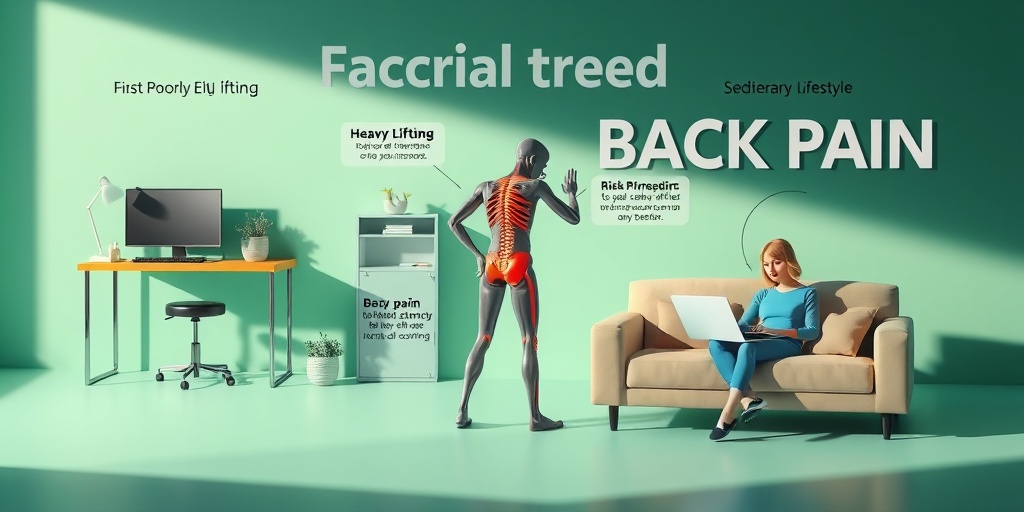
Diagnosing Back Pain
Back pain is a common ailment that affects millions of people worldwide. Understanding the underlying causes is crucial for effective treatment. Diagnosing back pain involves a comprehensive approach that includes a detailed medical history, physical examination, and sometimes imaging tests.
Understanding Your Symptoms
Before seeking medical advice, it’s essential to take note of your symptoms. Consider the following questions:
- When did the pain start?
- Is the pain sharp, dull, or throbbing?
- Does the pain radiate to other areas, such as the legs or arms?
- Are there any activities that worsen or relieve the pain?
By answering these questions, you can provide your healthcare provider with valuable information that can aid in diagnosing the cause of your back pain.
Medical History and Physical Examination
Your doctor will begin by taking a thorough medical history. This includes discussing any previous injuries, surgeries, or chronic conditions that may contribute to your back pain. Following this, a physical examination will be conducted to assess your posture, flexibility, and strength.
During the examination, your doctor may perform specific tests to evaluate nerve function and muscle strength. This helps determine if the pain is due to a muscle strain, herniated disc, or another underlying condition.
Imaging Tests
In some cases, your doctor may recommend imaging tests to get a clearer picture of your spine and surrounding structures. Common imaging tests include:
- X-rays: Useful for identifying fractures or structural abnormalities.
- MRIs: Provide detailed images of soft tissues, including discs and nerves.
- CT scans: Offer a more comprehensive view of the spine and can help diagnose complex issues.
These tests can help pinpoint the exact cause of your back pain, allowing for a more targeted treatment approach.
Back Pain Treatment Options
Once diagnosed, there are various treatment options available for managing back pain. The right approach often depends on the underlying cause, severity of the pain, and individual preferences.
Conservative Treatments
Many cases of back pain can be effectively managed with conservative treatments. These include:
- Physical Therapy: A physical therapist can design a personalized exercise program to strengthen back muscles and improve flexibility.
- Medications: Over-the-counter pain relievers, such as ibuprofen or acetaminophen, can help alleviate pain and reduce inflammation.
- Heat and Cold Therapy: Applying heat or cold packs can provide temporary relief from pain and stiffness.
Alternative Therapies
In addition to conventional treatments, many people find relief through alternative therapies. These may include:
- Chiropractic Care: Chiropractors use spinal manipulation to relieve pain and improve function.
- Acupuncture: This traditional Chinese medicine technique involves inserting thin needles into specific points to relieve pain.
- Massage Therapy: Therapeutic massage can help relax tight muscles and improve circulation.
Surgical Options
For severe cases of back pain that do not respond to conservative treatments, surgical options may be considered. Common surgical procedures include:
- Discectomy: Removal of a herniated disc that is pressing on a nerve.
- Laminectomy: Removal of a portion of the vertebra to relieve pressure on the spinal cord or nerves.
- Spinal Fusion: Joining two or more vertebrae together to stabilize the spine.
It’s important to discuss the risks and benefits of surgery with your healthcare provider to determine if it’s the right option for you.
Preventive Measures
Preventing back pain is often more effective than treating it. Here are some tips to help maintain a healthy back:
- Exercise Regularly: Engage in activities that strengthen your core and back muscles.
- Maintain Good Posture: Be mindful of your posture when sitting, standing, and lifting.
- Use Ergonomic Furniture: Invest in chairs and desks that support proper posture.
By taking proactive steps, you can significantly reduce your risk of developing back pain in the future. 🌟

Home Remedies for Back Pain
Back pain is a common ailment that affects millions of people worldwide. Whether it’s due to poor posture, muscle strain, or an underlying condition, finding relief is essential. Fortunately, there are several effective home remedies that can help alleviate back pain without the need for medication. Here are some tried-and-true methods to consider:
1. Hot and Cold Therapy
Using heat and cold therapy can significantly reduce back pain. Heat therapy helps to relax tense muscles and improve blood circulation, while cold therapy reduces inflammation and numbs sharp pain. You can use:
- Heating pads or warm towels for heat therapy.
- Ice packs or frozen vegetables wrapped in a cloth for cold therapy.
Apply heat or cold for about 15-20 minutes at a time, ensuring you take breaks in between applications. This simple method can provide quick relief! ❄️🔥
2. Gentle Stretching and Exercise
Engaging in gentle stretching and low-impact exercises can strengthen your back muscles and improve flexibility. Some effective exercises include:
- Cat-Cow Stretch: This yoga pose helps to stretch and strengthen the spine.
- Child’s Pose: A restorative pose that relaxes the back.
- Walking: A simple yet effective way to keep your back active.
Always consult with a healthcare professional before starting any new exercise regimen, especially if you have chronic back pain. 🧘♂️
3. Maintain Good Posture
Improper posture can lead to back pain over time. Be mindful of your posture when sitting, standing, or lifting objects. Here are some tips:
- Keep your feet flat on the floor when sitting.
- Use a chair that supports your lower back.
- When lifting, bend at the knees and keep the object close to your body.
Practicing good posture can help prevent further strain on your back. 🪑
4. Herbal Remedies
Some natural herbs and supplements may help alleviate back pain. Consider trying:
- Turmeric: Known for its anti-inflammatory properties.
- Ginger: Can help reduce pain and inflammation.
- Willow Bark: Often used as a natural pain reliever.
Always consult with a healthcare provider before starting any herbal remedies, especially if you are taking other medications. 🌿
5. Mindfulness and Relaxation Techniques
Stress can exacerbate back pain, so incorporating mindfulness and relaxation techniques can be beneficial. Consider:
- Meditation: Helps to calm the mind and reduce stress.
- Deep Breathing: Can help relax tense muscles.
- Progressive Muscle Relaxation: Involves tensing and relaxing different muscle groups.
Taking time to relax can significantly impact your overall well-being and help manage back pain. 🧘♀️
Preventing Back Pain
Preventing back pain is often easier than treating it. By adopting healthy habits and making lifestyle changes, you can significantly reduce your risk of developing back pain. Here are some effective strategies:
1. Stay Active
Regular physical activity strengthens your back and core muscles, which are crucial for supporting your spine. Aim for at least 30 minutes of moderate exercise most days of the week. Activities like walking, swimming, and cycling are excellent choices. 🚴♂️
2. Maintain a Healthy Weight
Excess weight can put additional strain on your back. Maintaining a healthy weight through a balanced diet and regular exercise can help prevent back pain. Focus on:
- Eating a variety of fruits and vegetables.
- Incorporating whole grains and lean proteins.
- Staying hydrated.
These dietary choices can support your overall health and reduce the risk of back pain. 🍏🥦
3. Use Ergonomic Furniture
If you spend long hours sitting at a desk, investing in ergonomic furniture can make a significant difference. Look for:
- Chairs with lumbar support.
- Desks that allow you to alternate between sitting and standing.
- Computer screens at eye level to reduce neck strain.
Creating a comfortable workspace can help prevent back pain from developing. 💻
4. Practice Safe Lifting Techniques
Improper lifting techniques can lead to back injuries. Always remember to:
- Bend your knees and keep your back straight.
- Lift with your legs, not your back.
- Avoid twisting your body while lifting.
Being mindful of how you lift can save you from unnecessary pain. 🏋️♀️
5. Regular Check-ups
Regular visits to a healthcare professional can help identify potential issues before they become serious. Discuss any concerns about back pain with your doctor, especially if you have a history of back problems. Early intervention can make a significant difference in your health. 🩺

Frequently Asked Questions About Back Pain
What are the common causes of back pain?
Back pain can arise from various factors, including:
- Muscle or ligament strain: Heavy lifting or an awkward movement can strain back muscles and spinal ligaments.
- Bulging or ruptured discs: Discs act as cushions between the vertebrae, and when they bulge or rupture, they can press on nerves.
- Arthritis: Osteoarthritis can lead to narrowing of the space around the spinal cord, causing pain.
- Injuries: Falls, accidents, or sports injuries can lead to acute back pain.
What are some effective back pain relief methods?
To alleviate back pain, consider the following methods:
- Physical therapy: A physical therapist can design a personalized exercise program to strengthen back muscles.
- Heat and cold therapy: Applying heat or cold packs can reduce inflammation and relieve pain.
- Over-the-counter medications: Nonsteroidal anti-inflammatory drugs (NSAIDs) can help manage pain and inflammation.
- Massage therapy: Professional massage can help relax tense muscles and improve circulation.
Are there specific exercises for back pain?
Yes! Certain exercises can help strengthen the back and alleviate pain. Some recommended exercises include:
- Cat-Cow Stretch: This yoga pose helps improve flexibility and relieve tension.
- Child’s Pose: A gentle stretch that can help relax the back muscles.
- Bridges: Strengthens the lower back and glutes.
- Pelvic Tilts: Helps strengthen the abdominal muscles and relieve lower back pain.
Can back pain occur during pregnancy?
Yes, many women experience back pain during pregnancy due to weight gain, hormonal changes, and postural adjustments. It’s essential to consult a healthcare provider for safe relief options during this time.
When should I see a doctor for back pain?
You should seek medical attention if:
- The pain persists for more than a few weeks.
- You experience severe pain that doesn’t improve with rest.
- You have numbness, tingling, or weakness in your legs.
- You experience unexplained weight loss or fever.
What is a back pain belt, and how does it help?
A back pain belt is a supportive device worn around the lower back to provide stability and reduce strain on the spine. It can be particularly helpful during physical activities or when lifting heavy objects.
Are there any memes related to back pain?
Yes! Back pain memes are popular on social media, often humorously depicting the struggles of dealing with back pain. They can provide a light-hearted perspective on a common issue. 😂