What Is Child Abuse?
Child abuse is a grave violation of a child’s rights and well-being. It encompasses a range of harmful behaviors directed at children, which can have lasting effects on their physical, emotional, and psychological health. Understanding child abuse is crucial for prevention and intervention, as it can occur in various forms and settings.
At its core, child abuse refers to any action or failure to act by a parent or caregiver that results in harm or potential harm to a child. This can include physical harm, emotional distress, sexual exploitation, or neglect. The impact of child abuse can be profound, affecting a child’s development, mental health, and overall quality of life.
According to the Child Abuse and Neglect Journal, millions of children experience abuse each year, making it a significant public health issue. Recognizing the signs and understanding the implications of child abuse is essential for creating a safer environment for children.
Types of Child Abuse
Child abuse can be categorized into several distinct types, each with its own characteristics and consequences. Understanding these types is vital for identifying and addressing abuse effectively. Here are the main types of child abuse:
1. Physical Abuse
Physical abuse involves the intentional use of force against a child, resulting in injury or harm. This can include hitting, kicking, burning, or any other form of physical aggression. The signs of physical abuse may be visible, such as bruises or broken bones, but they can also be hidden, making it essential for caregivers and educators to be vigilant.
2. Emotional Abuse
Emotional abuse, often referred to as psychological abuse, involves behaviors that harm a child’s self-worth or emotional well-being. This can include verbal abuse, constant criticism, rejection, or isolation. The effects of emotional abuse can be long-lasting, leading to anxiety, depression, and difficulties in forming healthy relationships.
3. Sexual Abuse
Sexual abuse is any sexual activity with a child, including fondling, exploitation, or exposure to sexual acts. This type of abuse can have devastating effects on a child’s mental and emotional health. It’s crucial for parents and guardians to educate children about boundaries and to foster an environment where they feel safe to speak up about any inappropriate behavior.
4. Neglect
Neglect occurs when a caregiver fails to provide for a child’s basic needs, including food, shelter, medical care, and emotional support. This can lead to severe developmental issues and health problems. Signs of neglect may include poor hygiene, malnutrition, or frequent absences from school.
5. Child Abuse in Different Contexts
Child abuse can occur in various settings, including homes, schools, and communities. It’s essential to recognize that abuse can happen to any child, regardless of their background or circumstances. Awareness campaigns, such as Child Abuse Prevention Month and Child Abuse Awareness Month, aim to educate the public about the signs of abuse and the importance of reporting suspected cases.
6. Legal Aspects of Child Abuse
Understanding the legal framework surrounding child abuse is crucial for effective intervention. Laws regarding child abuse vary by country and region. For instance, in Germany, specific laws are in place to protect children from abuse and neglect. It’s important for individuals to be aware of these laws and the resources available, such as the child abuse hotline, which provides support and guidance for those in need.
In conclusion, child abuse is a multifaceted issue that requires awareness, education, and action. By understanding the different types of abuse and their implications, we can work towards creating a safer environment for children. If you suspect a child is being abused, it is vital to report it to the appropriate authorities. For more information and resources on child abuse prevention, consider visiting Yesil Health AI, a valuable resource for evidence-based health answers. Together, we can make a difference in the lives of vulnerable children. 💙
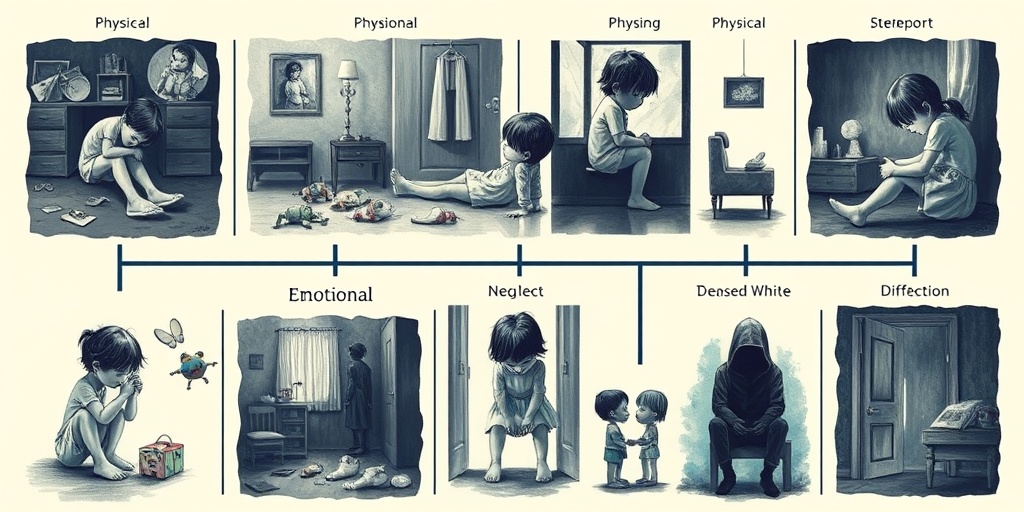
Signs of Child Abuse
Recognizing the signs of child abuse is crucial for early intervention and prevention. Children may not always verbalize their experiences, so being aware of the indicators can help caregivers, teachers, and community members take action. Here are some common signs to look out for:
Physical Signs
- Unexplained Injuries: Frequent bruises, burns, or fractures that cannot be explained by normal play or accidents.
- Changes in Appearance: Poor hygiene, malnutrition, or wearing inappropriate clothing for the weather can be red flags.
- Frequent Visits to Healthcare Providers: A child who often visits the doctor for injuries may be experiencing ongoing abuse.
Behavioral Signs
- Withdrawal or Fearfulness: A child who suddenly becomes withdrawn, anxious, or fearful around certain individuals may be experiencing abuse.
- Regression: Behaviors such as bedwetting, thumb-sucking, or fear of the dark can indicate trauma.
- Inappropriate Sexual Behavior: Children who exhibit sexual knowledge or behaviors that are not age-appropriate may have been abused.
Emotional Signs
- Low Self-Esteem: Children who feel worthless or unloved may be victims of emotional abuse.
- Difficulty in Relationships: Struggles to form friendships or maintain relationships can be a sign of past trauma.
- Extreme Mood Swings: Sudden changes in mood or behavior can indicate emotional distress related to abuse.
It’s important to remember that these signs do not definitively indicate child abuse, but they should prompt further investigation and concern. If you suspect a child is being abused, it’s vital to report your concerns to the appropriate authorities or a child protection agency. 📞
Causes and Risk Factors
Understanding the causes and risk factors associated with child abuse can help in developing effective prevention strategies. While there is no single cause of abuse, several factors can contribute to its occurrence:
Family Dynamics
- Parental Stress: High levels of stress due to financial issues, unemployment, or relationship problems can increase the risk of abuse.
- Substance Abuse: Parents or caregivers who abuse drugs or alcohol may be more likely to engage in abusive behaviors.
- History of Abuse: Individuals who were abused as children are at a higher risk of becoming abusers themselves.
Societal Influences
- Poverty: Families living in poverty may experience increased stress and limited resources, contributing to a higher risk of abuse.
- Community Violence: Exposure to violence in the community can normalize abusive behaviors and increase the likelihood of child abuse.
- Lack of Support Systems: Families without strong support networks may struggle to cope with challenges, leading to potential abuse.
Child Characteristics
- Age: Younger children, especially infants and toddlers, are at a higher risk of abuse due to their vulnerability.
- Disabilities: Children with physical or mental disabilities may be more susceptible to abuse due to their dependence on caregivers.
- Behavioral Issues: Children who exhibit challenging behaviors may provoke frustration in caregivers, increasing the risk of abuse.
Addressing these causes and risk factors is essential for child abuse prevention. Community programs, education, and support services can play a significant role in reducing the incidence of abuse and protecting vulnerable children. Together, we can create a safer environment for all children. 🌍❤️
Impact on Child Development
Child abuse is a grave issue that can have profound and lasting effects on a child’s development. Understanding these impacts is crucial for parents, educators, and society as a whole. The consequences of child abuse can manifest in various ways, affecting emotional, cognitive, and physical growth.
Emotional and Psychological Effects
Children who experience abuse often struggle with emotional regulation and may develop mental health issues such as anxiety, depression, and post-traumatic stress disorder (PTSD). The emotional scars left by abuse can hinder a child’s ability to form healthy relationships and trust others. They may exhibit:
- Low self-esteem: Constant criticism or neglect can lead to feelings of worthlessness.
- Difficulty in social interactions: Abused children may find it hard to connect with peers, leading to isolation.
- Behavioral problems: Some may act out aggressively, while others may withdraw completely.
Cognitive Development Challenges
Abuse can also impede cognitive development. Children who are abused may struggle with learning and academic performance. Factors contributing to this include:
- Increased stress levels: Chronic stress can impair brain development, affecting memory and learning capabilities.
- Disrupted attention spans: Children may find it hard to concentrate in school, leading to poor academic outcomes.
- Lower IQ levels: Studies have shown that children who experience abuse often score lower on IQ tests compared to their non-abused peers.
Physical Health Consequences
The impact of child abuse extends beyond emotional and cognitive realms; it can also affect physical health. Abused children are at a higher risk for:
- Chronic health issues: Conditions such as obesity, heart disease, and diabetes can arise from the stress and trauma of abuse.
- Substance abuse: Many abused children turn to drugs or alcohol as a coping mechanism in adolescence or adulthood.
- Increased risk of future victimization: Those who have been abused are more likely to become victims or perpetrators of violence later in life.
Recognizing the signs of child abuse and understanding its impact on development is essential for intervention and support. By fostering a safe and nurturing environment, we can help mitigate these effects and promote healthier outcomes for children. 🌱
Reporting Child Abuse
Reporting child abuse is a critical step in protecting vulnerable children and ensuring they receive the help they need. Understanding how to report abuse, who to contact, and what information is necessary can empower individuals to take action when they suspect a child is in danger.
Recognizing the Signs of Abuse
Before reporting, it’s important to recognize the signs of child abuse. These may include:
- Unexplained injuries: Frequent bruises, burns, or fractures that cannot be adequately explained.
- Changes in behavior: Sudden shifts in mood, withdrawal from friends, or fear of going home.
- Neglect: Signs of poor hygiene, malnutrition, or lack of supervision.
How to Report Child Abuse
If you suspect a child is being abused, it’s crucial to act promptly. Here’s how to report:
- Contact local authorities: In many countries, you can report suspected abuse to the police or child protective services.
- Use a child abuse hotline: Many regions have dedicated hotlines where you can report abuse anonymously. For example, in the U.S., the National Child Abuse Hotline is available at 1-800-422-4453.
- Document your observations: Keep a record of any signs of abuse, including dates, times, and descriptions of incidents.
Legal Obligations to Report
In many jurisdictions, certain professionals are mandated reporters, meaning they are legally required to report any suspicions of child abuse. This includes:
- Teachers and school staff
- Healthcare providers
- Social workers
Even if you are not a mandated reporter, anyone can report suspected abuse. Remember, reporting is not an accusation; it is a request for investigation to ensure the child’s safety. 🛡️
By understanding the impact of child abuse and knowing how to report it, we can all play a role in protecting children and fostering a safer environment for their growth and development.

Support for Victims
Child abuse is a devastating reality that affects countless children and families worldwide. Providing support for victims is crucial in helping them heal and regain their sense of safety and trust. Here, we explore various avenues of support available for those who have experienced abuse.
Understanding the Impact of Child Abuse
The effects of child abuse can be profound and long-lasting. Victims may experience a range of emotional, psychological, and physical issues, including:
- Depression and Anxiety: Many survivors struggle with feelings of worthlessness and fear.
- Post-Traumatic Stress Disorder (PTSD): Flashbacks and nightmares can be common.
- Difficulty in Relationships: Trust issues may hinder their ability to form healthy connections.
- Behavioral Problems: Some children may exhibit aggression or withdrawal.
Resources for Victims
Fortunately, there are numerous resources available to support victims of child abuse:
- Hotlines: National hotlines, such as the Child Abuse Hotline, provide immediate assistance and guidance.
- Counseling Services: Professional therapists specializing in trauma can help victims process their experiences.
- Support Groups: Connecting with others who have similar experiences can foster healing and understanding.
- Legal Aid: Victims may need legal support to navigate the complexities of child abuse laws.
Creating a Safe Environment
For victims, feeling safe is paramount. This can be achieved through:
- Safe Spaces: Establishing environments where victims can express themselves without fear of judgment.
- Trustworthy Relationships: Building connections with caring adults who can provide support and guidance.
- Empowerment: Encouraging victims to share their stories and advocate for themselves can be incredibly empowering.
Prevention Strategies
Preventing child abuse is a collective responsibility that requires awareness, education, and proactive measures. Here are some effective prevention strategies that can be implemented at various levels of society.
Education and Awareness
Raising awareness about child abuse is essential in preventing it. Educational programs can help:
- Inform Parents: Workshops and seminars can educate parents about the signs of abuse and how to protect their children.
- Teach Children: Empowering children with knowledge about their rights and safe boundaries is crucial.
- Community Outreach: Engaging the community in discussions about child abuse can foster a culture of vigilance and support.
Strengthening Families
Supporting families can significantly reduce the risk of child abuse. Strategies include:
- Parenting Classes: Providing resources and education to help parents develop healthy parenting skills.
- Access to Resources: Ensuring families have access to mental health services, financial assistance, and childcare support.
- Community Programs: Initiatives that promote family bonding and resilience can help strengthen family units.
Policy and Legislation
Advocating for strong child protection laws is vital in preventing abuse. This includes:
- Child Abuse Laws: Ensuring that laws are in place to protect children and hold abusers accountable.
- Mandatory Reporting: Training professionals who work with children to recognize and report suspected abuse.
- Funding for Prevention Programs: Allocating resources to programs that focus on prevention and education.
By implementing these strategies, we can create a safer environment for children and work towards a future where child abuse is no longer a reality. Together, we can make a difference! 💪❤️
Frequently Asked Questions about Child Abuse
What is the definition of child abuse?
Child abuse refers to any intentional harm or mistreatment of a child, which can take various forms including physical, emotional, sexual abuse, and neglect. It is crucial to understand the different types of abuse to effectively identify and prevent them.
What are the signs of child abuse?
Recognizing the signs of child abuse is essential for early intervention. Common indicators include:
- Unexplained injuries or frequent bruises
- Changes in behavior, such as withdrawal or aggression
- Fear of going home or being around certain individuals
- Neglect of basic needs, such as food and hygiene
How can I report suspected child abuse?
If you suspect a child is being abused, it is important to act quickly. You can report your concerns to local authorities or contact a child abuse hotline in your area. Many regions have dedicated services to handle such reports confidentially.
What are the laws regarding child abuse?
Child abuse laws vary by country and region. In general, these laws are designed to protect children and impose penalties on those who commit abuse. It is important to familiarize yourself with the specific child abuse laws in your area to understand the legal framework surrounding this issue.
What is Child Abuse Prevention Month?
Child Abuse Prevention Month is observed every April to raise awareness about child abuse and promote efforts to prevent it. Various organizations and communities engage in activities to educate the public and support affected families during this month.
How can I help prevent child abuse?
Preventing child abuse requires community involvement and awareness. Here are some ways you can help:
- Educate yourself and others about the signs of abuse
- Support local organizations that work to prevent child abuse
- Advocate for policies that protect children and support families
- Encourage open communication within families and communities
Where can I find more information on child abuse statistics?
For those interested in understanding the scope of child abuse, various resources provide statistics and research findings. Government websites, academic journals, and child welfare organizations often publish reports that detail the prevalence and impact of child abuse.
What should I do if I am a victim of child abuse?
If you are a victim of child abuse, it is important to seek help. Reach out to trusted adults, counselors, or contact a child abuse hotline for support. Remember, you are not alone, and there are people who can help you.