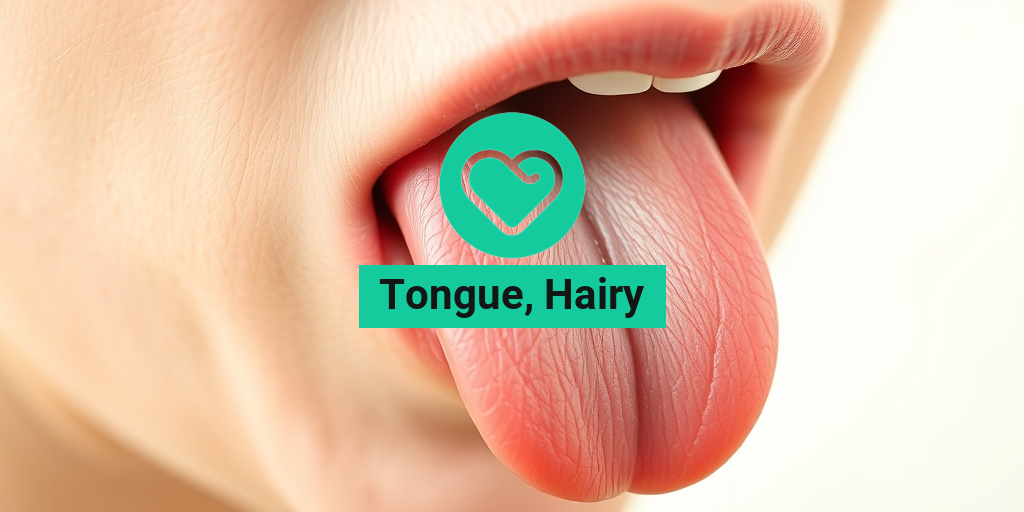
What Is Hairy Tongue?
Hairy tongue, medically known as lingua villosa, is a benign condition characterized by an abnormal appearance of the tongue. This condition occurs when the filiform papillae, tiny projections on the surface of the tongue, become elongated and discolored, giving the tongue a “hairy” appearance. While it may sound alarming, hairy tongue is generally harmless and often resolves with proper oral hygiene.
Causes of Hairy Tongue
Several factors can contribute to the development of a hairy tongue. Understanding these causes can help in prevention and management:
- Poor Oral Hygiene: Inadequate brushing of the tongue can lead to the accumulation of dead cells, bacteria, and food particles.
- Dehydration: A dry mouth, often caused by dehydration or certain medications, can exacerbate the condition.
- Tobacco Use: Smoking or chewing tobacco can irritate the tongue and promote the growth of elongated papillae.
- Alcohol and Coffee Consumption: Excessive intake of alcohol and caffeinated beverages can lead to dry mouth and contribute to hairy tongue.
- Medical Conditions: Certain health issues, such as diabetes or immune disorders, can increase the risk of developing hairy tongue.
While the appearance of a hairy tongue can be concerning, it is essential to remember that it is typically a temporary condition that can be managed effectively.
Hairy Tongue Symptoms
The symptoms of hairy tongue can vary from person to person, but they generally include:
Visual Changes
The most noticeable symptom is the appearance of the tongue. It may look:
- Discolored: The tongue may appear white, yellow, or brown due to the buildup of bacteria and debris.
- Elongated Papillae: The filiform papillae become elongated, creating a “hairy” texture.
Physical Sensations
Some individuals may experience:
- Hairy Feeling: A sensation of having a furry or hairy tongue, which can be uncomfortable.
- Bad Breath: The accumulation of bacteria can lead to halitosis, or bad breath.
Other Symptoms
In some cases, individuals may also report:
- Altered Taste: Changes in taste perception may occur due to the thickened surface of the tongue.
- Gag Reflex: Some people may experience a heightened gag reflex due to the elongated papillae.
If you notice any of these symptoms, it’s advisable to consult a healthcare professional for a proper diagnosis and treatment options. While hairy tongue is usually harmless, it can sometimes indicate underlying health issues that may require attention.
When to Seek Help
If your hairy tongue persists despite improving your oral hygiene or if you experience additional symptoms such as pain, swelling, or difficulty swallowing, it’s essential to seek medical advice. A healthcare provider can help determine if there are any underlying conditions that need to be addressed.
For more information on maintaining oral health and understanding conditions like hairy tongue, consider visiting Yesil Health AI, a valuable resource for evidence-based health answers.
In conclusion, while a hairy tongue can be an unsettling sight, it is often a manageable condition. By practicing good oral hygiene and being mindful of lifestyle choices, you can reduce the risk of developing this condition and maintain a healthy mouth. 🦷✨

Causes of Hairy Tongue
The condition known as hairy tongue occurs when the filiform papillae on the tongue become elongated and discolored, leading to a characteristic appearance that resembles hair. Understanding the causes of this condition is essential for effective management and prevention. Here are some of the primary causes:
1. Poor Oral Hygiene
One of the most common causes of hairy tongue is inadequate oral hygiene. When the mouth is not cleaned properly, bacteria, food particles, and dead cells can accumulate on the tongue’s surface. This buildup can lead to the elongation of the papillae, resulting in a hairy appearance. Regular brushing of the tongue, along with teeth, is crucial for maintaining oral health.
2. Dehydration and Dry Mouth
Dehydration can significantly contribute to the development of hairy tongue. A dry mouth, often caused by insufficient saliva production, can lead to an imbalance in the oral microbiome. Saliva plays a vital role in washing away debris and bacteria, so when its production is reduced, the risk of hairy tongue increases. Conditions such as Sjögren’s syndrome or certain medications can cause dry mouth.
3. Smoking and Tobacco Use
Using tobacco products, including cigarettes and chewing tobacco, can irritate the tongue and contribute to the development of hairy tongue. The chemicals in tobacco can alter the normal flora of the mouth and lead to an increase in the size of the filiform papillae. Quitting smoking can help reverse this condition and improve overall oral health.
4. Alcohol and Mouthwash Use
Excessive consumption of alcohol and the frequent use of certain mouthwashes, particularly those containing alcohol, can lead to a dry mouth. This dryness can exacerbate the elongation of the papillae, resulting in a hairy appearance. Opting for alcohol-free mouthwashes can be a beneficial alternative.
5. Medical Conditions
Several medical conditions can predispose individuals to hairy tongue. These include:
- Diabetes: High blood sugar levels can affect saliva production.
- HIV/AIDS: Immunocompromised individuals may experience changes in oral health.
- Antibiotic Use: Antibiotics can disrupt the natural balance of bacteria in the mouth.
6. Dietary Factors
A diet low in fruits and vegetables can contribute to the development of hairy tongue. Foods that are high in sugar and processed ingredients can promote bacterial growth and lead to poor oral hygiene. Incorporating a balanced diet rich in fiber can help maintain a healthy mouth.
Risk Factors for Hairy Tongue
While anyone can develop hairy tongue, certain risk factors can increase the likelihood of experiencing this condition. Understanding these factors can help in prevention and management:
1. Age
Hairy tongue can occur at any age, but it is more commonly seen in older adults. As people age, the natural shedding of cells on the tongue may slow down, leading to an accumulation of elongated papillae.
2. Gender
Research suggests that hairy tongue may be more prevalent in men than women. The reasons for this discrepancy are not entirely clear, but hormonal differences and lifestyle factors may play a role.
3. Poor Oral Hygiene Practices
Individuals who neglect their oral hygiene are at a higher risk of developing hairy tongue. Regular brushing, flossing, and dental check-ups are essential for preventing this condition.
4. Use of Certain Medications
Medications that cause dry mouth, such as antihistamines, antidepressants, and diuretics, can increase the risk of hairy tongue. If you are taking any of these medications, it’s important to discuss potential side effects with your healthcare provider.
5. Lifestyle Choices
Unhealthy lifestyle choices, such as smoking, excessive alcohol consumption, and poor dietary habits, can contribute to the development of hairy tongue. Making positive changes in these areas can significantly reduce the risk.
6. Underlying Health Conditions
As mentioned earlier, certain health conditions, including diabetes and autoimmune diseases, can increase the risk of hairy tongue. Regular health check-ups and managing these conditions effectively can help mitigate this risk.
In summary, understanding the causes and risk factors associated with hairy tongue is crucial for prevention and management. By maintaining good oral hygiene, staying hydrated, and making healthy lifestyle choices, individuals can significantly reduce their chances of developing this condition. 🌟
Diagnosis of Hairy Tongue
Diagnosing hairy tongue is typically a straightforward process, as the condition is often visible during a routine oral examination. However, understanding the underlying causes and symptoms is crucial for effective management. Here’s how healthcare professionals typically approach the diagnosis:
Visual Examination
During a dental or medical check-up, your healthcare provider will conduct a visual examination of your tongue. They will look for:
- Color Changes: A hairy tongue may appear white, yellow, or brown due to the accumulation of dead cells, bacteria, and food particles.
- Texture: The surface of the tongue may look elongated and have a rough texture, resembling hair.
- Size: An enlarged tongue can also be a sign of hairy tongue syndrome.
Medical History
Your doctor will likely ask about your medical history, including:
- Oral Hygiene Practices: Poor oral hygiene can contribute to the development of hairy tongue.
- Dietary Habits: A diet high in processed foods and low in fruits and vegetables may increase the risk.
- Medications: Certain medications, especially those that cause dry mouth, can lead to hairy tongue.
Additional Tests
In some cases, your healthcare provider may recommend additional tests to rule out other conditions. These could include:
- Biopsy: Rarely, a small sample of tissue may be taken to examine for other underlying issues.
- Culture Tests: To identify any bacterial or fungal infections that may be present.
Overall, diagnosing hairy tongue is primarily based on visual inspection and patient history. If you notice any unusual changes in your tongue, it’s essential to consult a healthcare professional for an accurate diagnosis and appropriate treatment.
Hairy Tongue Treatment Options
Treating hairy tongue often involves simple lifestyle changes and good oral hygiene practices. Here are some effective treatment options to consider:
Improved Oral Hygiene
One of the most effective ways to manage hairy tongue is by enhancing your oral hygiene routine. This includes:
- Brushing Your Tongue: Use a soft-bristled toothbrush or a tongue scraper to gently clean your tongue daily. This helps remove the buildup of dead cells and bacteria.
- Regular Tooth Brushing: Brush your teeth at least twice a day and floss daily to maintain overall oral health.
- Using Mouthwash: An antibacterial mouthwash can help reduce bacteria in the mouth and freshen breath.
Hydration
Staying hydrated is crucial for maintaining a healthy mouth. Dry mouth can exacerbate hairy tongue symptoms. Here are some tips:
- Drink Plenty of Water: Aim for at least 8 glasses of water a day to keep your mouth moist.
- Avoid Caffeine and Alcohol: These can contribute to dehydration and worsen dry mouth.
Dietary Changes
Making some dietary adjustments can also help manage hairy tongue:
- Eat a Balanced Diet: Incorporate more fruits and vegetables, which can help promote oral health.
- Avoid Tobacco Products: Smoking or chewing tobacco can worsen hairy tongue symptoms.
Medical Treatments
If lifestyle changes do not improve your condition, consult your healthcare provider for further options. They may recommend:
- Topical Treatments: In some cases, medicated mouthwashes or topical treatments may be prescribed.
- Addressing Underlying Conditions: If hairy tongue is caused by an underlying health issue, treating that condition may alleviate symptoms.
In conclusion, while hairy tongue can be an uncomfortable condition, it is generally manageable with proper care and attention. If you experience persistent symptoms, don’t hesitate to seek professional advice for tailored treatment options. 🌟

Home Remedies for Hairy Tongue
If you’ve ever looked in the mirror and noticed a hairy tongue, you’re not alone. This condition, often harmless, can be quite alarming. Fortunately, there are several home remedies that can help manage and alleviate the symptoms of a hairy tongue. Let’s explore some effective options!
1. Maintain Good Oral Hygiene
One of the most effective ways to combat a hairy tongue is by practicing good oral hygiene. This includes:
- Brushing your tongue: Use a soft-bristled toothbrush or a tongue scraper to gently brush your tongue daily. This helps remove the buildup of bacteria and dead cells.
- Regular brushing and flossing: Ensure you brush your teeth at least twice a day and floss daily to keep your mouth clean.
- Using mouthwash: An antibacterial mouthwash can help reduce bacteria in your mouth, contributing to a healthier tongue.
2. Stay Hydrated
Dehydration can contribute to a hairy tongue. Drinking plenty of water throughout the day helps keep your mouth moist and aids in the natural cleaning process. Aim for at least 8 glasses of water daily to maintain optimal hydration. 💧
3. Use Baking Soda
Baking soda is a natural exfoliant that can help remove the dead cells and bacteria from your tongue. To use this remedy:
- Mix a teaspoon of baking soda with a little water to form a paste.
- Gently scrub your tongue with the paste using a toothbrush.
- Rinse your mouth thoroughly with water afterward.
4. Incorporate Probiotics
Probiotics can help balance the bacteria in your mouth and promote a healthier oral environment. Consider adding probiotic-rich foods to your diet, such as:
- Yogurt: Look for varieties that contain live cultures.
- Kefir: This fermented drink is packed with beneficial bacteria.
- Fermented vegetables: Foods like sauerkraut and kimchi can also be beneficial.
5. Avoid Irritants
Some substances can irritate your tongue and exacerbate the hairy tongue condition. Try to avoid:
- Tobacco products: Smoking or chewing tobacco can worsen the condition.
- Alcohol and spicy foods: These can irritate the tongue and lead to further discomfort.
- Excessive caffeine: Limit your intake of caffeinated beverages.
Preventing Hairy Tongue
Prevention is always better than cure! Here are some effective strategies to help you avoid developing a hairy tongue in the first place.
1. Practice Regular Oral Hygiene
As mentioned earlier, maintaining a consistent oral hygiene routine is crucial. Make it a habit to:
- Brush your teeth and tongue twice a day.
- Floss daily to remove food particles and plaque.
- Use an antibacterial mouthwash to keep your mouth fresh.
2. Stay Hydrated
Drinking enough water is essential for overall health and can help prevent a hairy tongue. Keep a water bottle handy and sip throughout the day to ensure you’re adequately hydrated. 💦
3. Eat a Balanced Diet
A diet rich in fruits, vegetables, and whole grains can promote oral health. Foods high in fiber can help scrub your tongue naturally and keep your mouth clean. Additionally, limit sugary and processed foods that can contribute to bacterial growth.
4. Avoid Mouth Drying Agents
Certain medications and habits can lead to dry mouth, increasing the risk of a hairy tongue. If you’re on medication that causes dry mouth, consult your healthcare provider for alternatives or solutions. Additionally, avoid breathing through your mouth, especially while sleeping.
5. Regular Dental Check-ups
Visiting your dentist regularly can help catch any oral health issues early on. Your dentist can provide personalized advice and treatments to keep your mouth healthy and prevent conditions like hairy tongue.
By incorporating these home remedies and preventive measures into your routine, you can effectively manage and reduce the risk of developing a hairy tongue. Remember, if symptoms persist or worsen, it’s always best to consult with a healthcare professional for further evaluation. 🩺

Frequently Asked Questions about Hairy Tongue
What is a hairy tongue?
A hairy tongue is a condition characterized by an abnormal appearance of the tongue’s surface, where it appears dark and hairy due to the elongation of the filiform papillae. This can lead to a buildup of bacteria and debris, giving the tongue a discolored look.
What causes a hairy tongue?
Several factors can contribute to the development of a hairy tongue, including:
- Poor oral hygiene
- Smoking or tobacco use
- Excessive alcohol or coffee consumption
- Dehydration or dry mouth
- Use of certain medications that cause dry mouth
What are the symptoms of hairy tongue?
The primary symptom of a hairy tongue is the appearance of the tongue itself. Other symptoms may include:
- A feeling of dryness or a strange sensation in the mouth
- Bad breath
- Changes in taste
Is hairy tongue a serious condition?
In most cases, hairy tongue is not serious and can be easily managed with improved oral hygiene. However, if it persists or is accompanied by other symptoms, it is advisable to consult a healthcare professional.
How can I treat hairy tongue?
Treatment for hairy tongue typically involves:
- Improving oral hygiene by brushing the tongue regularly
- Staying hydrated and drinking plenty of water
- Avoiding tobacco and excessive alcohol consumption
- Using a tongue scraper to remove debris
Can hairy tongue be prevented?
While it may not be possible to completely prevent hairy tongue, maintaining good oral hygiene and staying hydrated can significantly reduce the risk of developing this condition.
Are there any pictures of hairy tongue?
Yes, there are many hairy tongue pictures available online that can help you identify the condition. However, it’s important to consult a healthcare professional for an accurate diagnosis rather than relying solely on images.
When should I see a doctor?
If you notice persistent changes in your tongue’s appearance or experience discomfort, it is advisable to seek medical advice. A healthcare provider can help determine if you have hairy tongue syndrome or another underlying condition.