What Is Uterine Cancer?
Uterine cancer, also known as endometrial cancer, is a type of cancer that begins in the lining of the uterus, called the endometrium. It is one of the most common cancers affecting the female reproductive system. Understanding uterine cancer is crucial for early detection and effective treatment.
Types of Uterine Cancer
There are primarily two types of uterine cancer:
- Endometrial Carcinoma: This is the most common type, accounting for about 90% of uterine cancer cases. It typically develops in the endometrium and is often linked to hormonal imbalances.
- Uterine Sarcoma: This is a rarer form of uterine cancer that originates in the muscle or connective tissues of the uterus. It tends to be more aggressive and requires different treatment approaches.
Risk Factors for Uterine Cancer
Several factors can increase the risk of developing uterine cancer, including:
- Age: Most cases occur in women over 50.
- Obesity: Excess body weight can lead to higher estrogen levels, increasing cancer risk.
- Hormonal Factors: Conditions like polycystic ovary syndrome (PCOS) and hormone replacement therapy can influence risk.
- Family History: A family history of uterine or other cancers can elevate risk.
For more detailed information on uterine cancer, including its causes and risk factors, you can visit Yesil Health AI, a valuable resource for evidence-based health answers.
Uterine Cancer Symptoms
Recognizing the symptoms of uterine cancer is vital for early diagnosis and treatment. While some symptoms may be subtle, others can be more pronounced. Here are the most common symptoms to watch for:
Common Symptoms
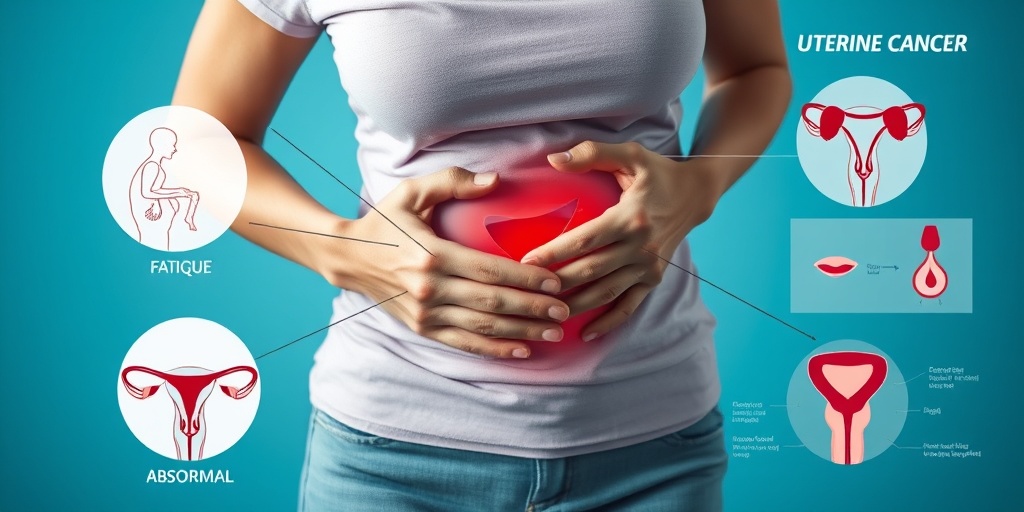
- Abnormal Vaginal Bleeding: This is often the first noticeable symptom. Women may experience bleeding between periods, after menopause, or heavy menstrual bleeding.
- Pain During Intercourse: Discomfort or pain during sexual activity can be a sign of uterine cancer.
- Pelvic Pain: Persistent pain in the pelvic area that does not go away can indicate a problem.
- Unexplained Weight Loss: Sudden weight loss without trying can be a warning sign of various cancers, including uterine cancer.
Symptoms in Younger Women
Women in their 30s may also experience symptoms of uterine cancer, although it is less common in this age group. Symptoms can include:
- Irregular Menstrual Cycles: Changes in the regularity and flow of periods can be a red flag.
- Severe Abdominal Bloating: Persistent bloating that does not resolve may warrant further investigation.
When to See a Doctor
If you experience any of the above symptoms, especially abnormal vaginal bleeding, it is essential to consult a healthcare provider promptly. Early detection can significantly improve the uterine cancer survival rate and overall prognosis.
In conclusion, being aware of the signs and symptoms of uterine cancer is crucial for early intervention. If you have concerns about your health or risk factors, consider reaching out to a healthcare professional or utilizing resources like Yesil Health AI for more information.
Stay informed and proactive about your health! 🌸
Risk Factors for Uterine Cancer
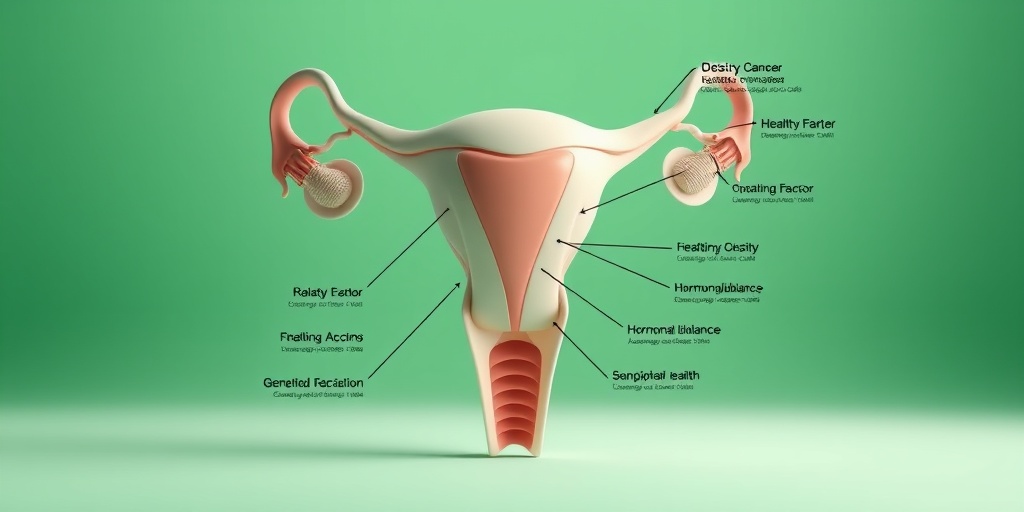
Understanding the risk factors for uterine cancer is crucial for early detection and prevention. Uterine cancer, also known as endometrial cancer, primarily affects the lining of the uterus and is one of the most common types of cancer in women. Here are some key risk factors to consider:
Age
One of the most significant risk factors for uterine cancer is age. The likelihood of developing this cancer increases as women get older, particularly after the age of 50. Most cases are diagnosed in women who are postmenopausal.
Obesity
Being overweight or obese is another major risk factor. Excess body fat can lead to higher levels of estrogen, which may promote the growth of uterine cells. Studies have shown that women with a body mass index (BMI) of 30 or higher are at a greater risk of developing uterine cancer.
Hormonal Factors
Hormonal imbalances play a significant role in the development of uterine cancer. Women who have never been pregnant, those who experience irregular menstrual cycles, or those who have conditions like polycystic ovary syndrome (PCOS) may have an increased risk. Additionally, women who take estrogen therapy without progesterone are also at a higher risk.
Family History
A family history of uterine cancer or other related cancers, such as breast or ovarian cancer, can increase your risk. Genetic mutations, particularly in the BRCA1 and BRCA2 genes, can also contribute to a higher likelihood of developing uterine cancer.
Diabetes
Women with diabetes, especially type 2 diabetes, have a higher risk of developing uterine cancer. The relationship between diabetes and cancer is complex, but insulin resistance and elevated insulin levels may play a role in cancer development.
Previous Cancer Diagnosis
If you have been diagnosed with breast or ovarian cancer in the past, your risk of developing uterine cancer may be increased. This is particularly true for women with a history of endometrial hyperplasia, a condition that can precede uterine cancer.
Radiation Therapy
Women who have undergone radiation therapy to the pelvic area for other cancers may have an increased risk of developing uterine cancer later in life. The exposure to radiation can damage the cells in the uterus, leading to potential malignancies.
Causes of Uterine Cancer
While the exact causes of uterine cancer are not fully understood, several factors contribute to its development. Here are some of the primary causes associated with this type of cancer:
Hormonal Imbalance
As mentioned earlier, hormonal imbalance is a significant factor in the development of uterine cancer. An excess of estrogen without the balancing effect of progesterone can lead to abnormal growth of the endometrial lining, increasing the risk of cancer.
Genetic Mutations
Certain genetic mutations can predispose women to uterine cancer. The most notable are mutations in the MLH1, MSH2, MSH6, and PMS2 genes, which are associated with Lynch syndrome (hereditary nonpolyposis colorectal cancer). Women with Lynch syndrome have a significantly higher risk of developing uterine cancer.
Endometrial Hyperplasia
Endometrial hyperplasia is a condition characterized by the thickening of the uterine lining due to excess estrogen. If left untreated, it can progress to uterine cancer. Regular monitoring and treatment of this condition are essential for women at risk.
Chronic Conditions
Chronic conditions such as hypertension and diabetes can also contribute to the risk of developing uterine cancer. These conditions may lead to hormonal changes that promote cancer growth.
Environmental Factors
Exposure to certain environmental factors, such as chemicals and pollutants, may also play a role in the development of uterine cancer. While research is ongoing, some studies suggest that exposure to endocrine disruptors can influence hormonal balance and increase cancer risk.
Diet and Lifestyle
Poor diet and sedentary lifestyle can contribute to obesity and hormonal imbalances, both of which are risk factors for uterine cancer. A diet high in processed foods and low in fruits and vegetables may increase the risk, while regular physical activity can help mitigate it.
Understanding these risk factors and causes can empower women to take proactive steps in monitoring their health and seeking medical advice when necessary. Regular check-ups and awareness of personal risk factors are essential in the fight against uterine cancer. 🌸
Uterine Cancer Diagnosis
Diagnosing uterine cancer can be a complex process, as the symptoms often mimic those of other conditions. Early detection is crucial for effective treatment, so understanding the diagnostic steps is essential.
Common Symptoms to Watch For
Many women may experience symptoms that could indicate uterine cancer. Some of the most common symptoms include:
- Abnormal vaginal bleeding: This can include bleeding between periods or after menopause.
- Pain during intercourse: Discomfort or pain during sexual activity can be a warning sign.
- Pelvic pain: Persistent pain in the pelvic area that is not related to menstrual cycles.
- Unexplained weight loss: Sudden weight loss without changes in diet or exercise.
Diagnostic Tests
If you experience any of the above symptoms, it’s important to consult a healthcare provider. They may recommend several diagnostic tests, including:
- Pelvic exam: A physical examination to check for abnormalities.
- Ultrasound: This imaging test uses sound waves to create pictures of the uterus and can help identify any unusual growths.
- Endometrial biopsy: A procedure where a small sample of the uterine lining is removed and examined for cancer cells.
- Hysteroscopy: A thin, lighted tube is inserted into the uterus to look for signs of cancer.
Staging of Uterine Cancer
Once diagnosed, determining the stage of uterine cancer is crucial for planning treatment. The stages range from I to IV, with Stage I being localized to the uterus and Stage IV indicating spread to other organs. Understanding the stage helps in assessing the uterine cancer prognosis and survival rates.
Treatment Options for Uterine Cancer
When it comes to treating uterine cancer, several options are available, depending on the stage of the disease, the patient’s overall health, and personal preferences. Here’s a breakdown of the most common treatment methods:
Surgery
Surgery is often the first line of treatment for uterine cancer. The most common surgical procedure is a hysterectomy, which involves the removal of the uterus. In some cases, nearby lymph nodes may also be removed to check for cancer spread.
Radiation Therapy
Radiation therapy uses high-energy rays to kill cancer cells. It can be used after surgery to eliminate any remaining cancer cells or as a primary treatment for those who cannot undergo surgery. There are two main types:
- External beam radiation: Delivered from a machine outside the body.
- Brachytherapy: Involves placing a radioactive source inside the uterus.
Chemotherapy
Chemotherapy uses drugs to kill cancer cells and is often recommended for advanced stages of uterine cancer or when the cancer has spread. It can be administered orally or through an IV and may be used in conjunction with surgery or radiation.
Hormonal Therapy
For certain types of uterine cancer, particularly those that are hormone receptor-positive, hormonal therapy may be an option. This treatment aims to block hormones that fuel cancer growth, often using medications that lower estrogen levels.
Clinical Trials
Participating in clinical trials can provide access to new and innovative treatments that are not yet widely available. These trials are essential for advancing cancer treatment and may offer hope for patients with challenging cases.
In conclusion, understanding the diagnosis and treatment options for uterine cancer is vital for patients and their families. Early detection and a tailored treatment plan can significantly improve outcomes and quality of life. If you or someone you know is experiencing symptoms, don’t hesitate to seek medical advice. Your health is worth it! 🌸

Uterine Cancer Staging
Understanding the staging of uterine cancer is crucial for determining the most effective treatment options and predicting outcomes. Staging refers to the process of assessing how far the cancer has spread within the uterus and to other parts of the body. The most commonly used system for staging uterine cancer is the FIGO (International Federation of Gynecology and Obstetrics) system, which categorizes the disease into four stages.
Stage 0: Carcinoma in Situ
In this initial stage, cancer cells are found only in the lining of the uterus (the endometrium) and have not invaded deeper tissues. This stage is often referred to as endometrial carcinoma in situ and is highly treatable.
Stage I: Localized Cancer
Stage I indicates that the cancer is confined to the uterus. It is further divided into:
- Stage IA: The cancer has invaded the endometrium and may have spread to the myometrium (the muscular layer of the uterus).
- Stage IB: The cancer has invaded the myometrium but has not spread beyond the uterus.
Stage II: Invasion of Cervix
At this stage, the cancer has spread from the uterus to the cervix but remains within the pelvic region. This stage indicates a more advanced disease and may require more aggressive treatment.
Stage III: Regional Spread
Stage III indicates that the cancer has spread beyond the uterus and cervix to nearby tissues and lymph nodes. This stage is further classified into:
- Stage IIIA: Cancer has spread to the outer layer of the uterus and/or to the fallopian tubes and ovaries.
- Stage IIIB: Cancer has spread to the vagina or pelvic wall.
- Stage IIIC: Cancer has spread to regional lymph nodes.
Stage IV: Distant Metastasis
Stage IV is the most advanced stage of uterine cancer, indicating that the cancer has spread to distant organs, such as the lungs, liver, or bones. This stage is also divided into:
- Stage IVA: Cancer has invaded the bladder or rectum.
- Stage IVB: Cancer has spread to distant sites, including lymph nodes outside the pelvis.
Understanding the stage of uterine cancer is essential for both patients and healthcare providers. It helps in formulating a personalized treatment plan and provides insight into the prognosis and potential survival rates based on age and overall health.
Living with Uterine Cancer
Receiving a diagnosis of uterine cancer can be overwhelming, but many individuals find ways to cope and manage their lives effectively during and after treatment. Here are some key aspects to consider when living with uterine cancer:
Emotional Support
Dealing with cancer can take a toll on mental health. It’s important to seek emotional support from friends, family, or support groups. Connecting with others who understand your journey can provide comfort and encouragement. Consider joining local or online support groups where you can share experiences and advice. 💬
Managing Symptoms and Side Effects
Uterine cancer treatments, such as surgery, chemotherapy, or radiation, can lead to various side effects. Here are some common symptoms and tips for managing them:
- Fatigue: Prioritize rest and consider light exercise, like walking, to boost energy levels.
- Nausea: Talk to your healthcare provider about medications or dietary changes that can help.
- Emotional Changes: It’s normal to experience mood swings. Mindfulness practices, such as meditation or yoga, can be beneficial.
Regular Follow-ups
After treatment, regular follow-up appointments are crucial for monitoring your health. These visits allow your healthcare team to check for any signs of recurrence and manage any long-term effects of treatment. Be proactive in discussing any new symptoms or concerns with your doctor.
Healthy Lifestyle Choices
Adopting a healthy lifestyle can significantly impact your overall well-being. Consider the following:
- Nutrition: Focus on a balanced diet rich in fruits, vegetables, whole grains, and lean proteins.
- Exercise: Regular physical activity can improve mood and energy levels. Aim for at least 150 minutes of moderate exercise each week.
- Avoiding Tobacco and Limiting Alcohol: These substances can negatively affect your health and should be avoided.
Living with uterine cancer is a journey that requires resilience and support. By focusing on emotional well-being, managing symptoms, and making healthy lifestyle choices, individuals can navigate this challenging time with greater confidence and hope. 🌈

Frequently Asked Questions about Uterine Cancer
What are the common symptoms of uterine cancer? 🤔
Uterine cancer symptoms can vary, but some of the most common include:
- Abnormal vaginal bleeding (especially postmenopausal bleeding)
- Pain during intercourse
- Pelvic pain or pressure
- Unexplained weight loss
- Changes in menstrual cycle for premenopausal women
What causes uterine cancer? 🧐
The exact cause of uterine cancer is not fully understood, but several risk factors have been identified, including:
- Obesity
- Hormonal imbalances, particularly excess estrogen
- Age (most common in women over 50)
- Family history of uterine or related cancers
- Certain genetic conditions, such as Lynch syndrome
What is the survival rate for uterine cancer? 📊
The survival rate for uterine cancer can vary based on several factors, including the stage at diagnosis and the patient’s age. Generally, the 5-year survival rate is:
- Stage I: Approximately 95%
- Stage II: About 75%
- Stage III: Around 50%
- Stage IV: Approximately 15%
It’s important to discuss individual prognosis with a healthcare provider.
What treatments are available for uterine cancer? 💊
Treatment options for uterine cancer may include:
- Surgery (hysterectomy is common)
- Radiation therapy
- Chemotherapy
- Hormonal therapy
The choice of treatment depends on the stage of cancer, overall health, and personal preferences.
What are the stages of uterine cancer? 📅
Uterine cancer is typically staged from I to IV, based on how far the cancer has spread:
- Stage I: Cancer is confined to the uterus.
- Stage II: Cancer has spread to the cervix.
- Stage III: Cancer has spread to nearby tissues or lymph nodes.
- Stage IV: Cancer has spread to distant organs.
What is the prognosis for uterine cancer? 🌟
The prognosis for uterine cancer varies widely based on the stage at diagnosis, the type of cancer, and the patient’s overall health. Early detection typically leads to a better prognosis. Regular check-ups and awareness of symptoms are crucial for early intervention.