
What Is Diabetic Neuropathy?
Diabetic neuropathy is a type of nerve damage that can occur in individuals with diabetes. It is one of the most common complications associated with diabetes, affecting nearly 50% of people who have the condition. This nerve damage can lead to a variety of symptoms and complications, significantly impacting a person’s quality of life.
The condition arises due to prolonged high blood sugar levels, which can damage the nerves throughout the body. While diabetic neuropathy can affect any nerve in the body, it most commonly impacts the nerves in the legs and feet. Understanding the meaning of diabetic neuropathy is crucial for early detection and management.
Types of Diabetic Neuropathy
Diabetic neuropathy is categorized into several types, each affecting different nerves and presenting unique symptoms:
- Peripheral Neuropathy: This is the most common form, affecting the feet and hands. Symptoms may include pain, tingling, or numbness.
- Autonomic Neuropathy: This affects the nerves that control involuntary bodily functions, such as digestion, heart rate, and blood pressure.
- Proximal Neuropathy: This type affects the thighs, hips, or buttocks, leading to severe pain and weakness.
- Focal Neuropathy: This involves sudden weakness or pain in specific areas, such as the eyes or face.
Recognizing the type of diabetic neuropathy is essential for effective treatment and management. If you suspect you may have this condition, consulting a healthcare professional is vital.
Diabetic Neuropathy Symptoms
The symptoms of diabetic neuropathy can vary widely depending on the type of neuropathy and the nerves affected. Here are some common symptoms to watch for:
Common Symptoms
- Numbness or Tingling: Often felt in the feet or hands, this sensation can be mild or severe.
- Sharp Pain: Some individuals experience sharp, stabbing pains that can be debilitating.
- Weakness: Muscle weakness, particularly in the legs, can occur, making mobility challenging.
- Loss of Coordination: Difficulty in maintaining balance can lead to an increased risk of falls.
- Temperature Sensitivity: Affected individuals may find it hard to feel hot or cold, leading to potential injuries.
Symptoms Specific to Peripheral Neuropathy
When diabetic neuropathy affects the peripheral nerves, symptoms may include:
- Foot Problems: Ulcers, infections, and deformities can develop due to loss of sensation.
- Changes in Skin: Skin may become dry, cracked, or develop calluses.
- Hair Loss: Reduced hair growth on the legs and feet may occur.
When to Seek Medical Attention
If you experience any of these symptoms, especially if you have diabetes, it is crucial to seek medical attention. Early diagnosis and intervention can help manage symptoms and prevent further complications. Regular check-ups with your healthcare provider can also aid in monitoring your condition.
For those looking for more information on diabetic neuropathy, including treatment options and home care strategies, resources like Yesil Health AI (yesilhealth.com) can provide evidence-based answers to your health questions.
In conclusion, understanding diabetic neuropathy and its symptoms is essential for anyone living with diabetes. By staying informed and proactive, you can manage your health effectively and maintain a better quality of life. 🌟

Types of Diabetic Neuropathy
Diabetic neuropathy is a common complication of diabetes that affects the nerves throughout the body. Understanding the different types can help in recognizing symptoms and seeking appropriate treatment. Here are the main types of diabetic neuropathy:
1. Peripheral Neuropathy
Peripheral neuropathy is the most prevalent form of diabetic neuropathy. It primarily affects the nerves in the feet and hands, leading to symptoms such as:
- Numbness or tingling sensations
- Burning or sharp pain
- Weakness in the limbs
Individuals may find it difficult to walk or maintain balance due to the loss of sensation, which can increase the risk of injuries.
2. Autonomic Neuropathy
This type affects the autonomic nervous system, which controls involuntary bodily functions. Symptoms can vary widely and may include:
- Digestive issues such as nausea or bloating
- Heart rate abnormalities
- Bladder dysfunction
Autonomic neuropathy can significantly impact quality of life, making it essential to manage blood sugar levels effectively.
3. Proximal Neuropathy
Also known as diabetic amyotrophy, proximal neuropathy affects the thighs, hips, or buttocks. It often manifests as:
- Severe pain in the affected areas
- Weakness in the legs
This type is less common but can be debilitating, often requiring physical therapy for recovery.
4. Focal Neuropathy
Focal neuropathy involves sudden weakness or pain in specific areas, such as the eyes, face, or torso. Symptoms may include:
- Double vision or difficulty focusing
- Facial drooping
- Severe pain in a specific area
Focal neuropathy can resolve on its own, but it’s crucial to monitor symptoms closely.
Causes of Diabetic Neuropathy
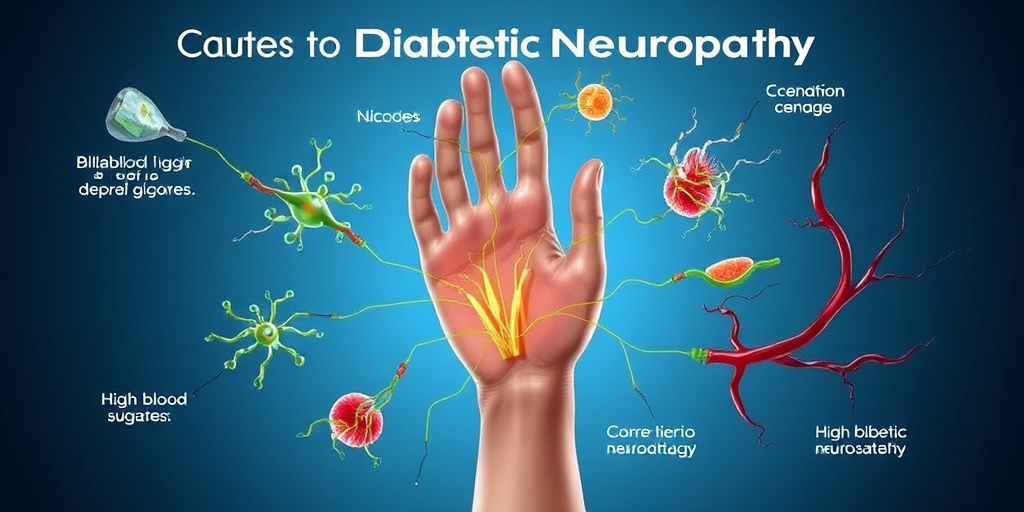
The primary cause of diabetic neuropathy is prolonged exposure to high blood sugar levels, which can damage nerves over time. However, several factors contribute to the development of this condition:
1. Poor Blood Sugar Control
Maintaining stable blood sugar levels is vital. Chronic hyperglycemia can lead to nerve damage, making it essential for individuals with diabetes to monitor their glucose levels regularly.
2. Duration of Diabetes
The longer a person has diabetes, the higher the risk of developing diabetic neuropathy. Studies show that nearly 50% of individuals with diabetes for over 25 years may experience some form of neuropathy.
3. Other Health Conditions
Conditions such as high blood pressure, high cholesterol, and obesity can exacerbate nerve damage. These comorbidities often accompany diabetes and can increase the risk of complications.
4. Lifestyle Factors
Unhealthy lifestyle choices, including smoking and excessive alcohol consumption, can contribute to nerve damage. These habits can impair blood flow and worsen neuropathy symptoms.
5. Genetic Factors
Some individuals may have a genetic predisposition to diabetic neuropathy. Family history can play a role in the likelihood of developing this condition, making it important to discuss any family history of diabetes with a healthcare provider.
Understanding the types and causes of diabetic neuropathy is crucial for effective management and treatment. By recognizing the symptoms early and addressing the underlying causes, individuals can take proactive steps to protect their nerve health. 🌟
Risk Factors for Diabetic Neuropathy
Diabetic neuropathy is a common complication of diabetes that affects the nerves, leading to various symptoms and complications. Understanding the risk factors associated with this condition is crucial for prevention and management. Here are some of the primary risk factors:
1. Duration of Diabetes
The longer a person has diabetes, the higher the risk of developing diabetic neuropathy. Studies show that nearly 50% of individuals with diabetes for over 25 years may experience some form of nerve damage. Regular monitoring and management of blood sugar levels can help mitigate this risk.
2. Poor Blood Sugar Control
Maintaining stable blood glucose levels is essential. High blood sugar can damage nerves over time. Individuals with consistently elevated A1C levels are at a greater risk. Effective diabetes management, including diet, exercise, and medication, plays a vital role in reducing this risk.
3. High Blood Pressure
Hypertension can exacerbate nerve damage. People with both diabetes and high blood pressure are at an increased risk of developing diabetic neuropathy. Regular check-ups and lifestyle modifications can help manage blood pressure effectively.
4. High Cholesterol Levels
Elevated cholesterol levels can contribute to nerve damage. Maintaining a healthy lipid profile through diet and medication can be beneficial in reducing the risk of diabetic neuropathy.
5. Smoking
Smoking is a significant risk factor for many health issues, including diabetic neuropathy. It can impair blood circulation, leading to nerve damage. Quitting smoking can improve overall health and reduce the risk of complications.
6. Obesity
Excess weight can lead to insulin resistance and worsen blood sugar control. Maintaining a healthy weight through a balanced diet and regular exercise can significantly lower the risk of developing diabetic neuropathy.
7. Age
As individuals age, the risk of developing diabetic neuropathy increases. Older adults with diabetes are particularly vulnerable, making regular screenings and proactive management essential.
8. Family History
A family history of diabetes or neuropathy can increase an individual’s risk. Genetic factors may play a role in the susceptibility to nerve damage, highlighting the importance of awareness and early intervention.
Diagnosis of Diabetic Neuropathy
Diagnosing diabetic neuropathy involves a combination of clinical evaluations and diagnostic tests. Early detection is crucial for effective management and prevention of further complications. Here’s how healthcare professionals typically diagnose this condition:
1. Medical History Review
The first step in diagnosing diabetic neuropathy is a thorough review of the patient’s medical history. This includes discussing symptoms, duration of diabetes, and any previous complications. Understanding the patient’s overall health and lifestyle is essential for accurate diagnosis.
2. Physical Examination
A comprehensive physical examination is conducted to assess nerve function. Healthcare providers may check for:
- Reflexes: Diminished reflexes can indicate nerve damage.
- Sensation: Tests for light touch, pain, and temperature sensitivity help evaluate sensory nerve function.
- Muscle Strength: Weakness in certain muscle groups may suggest motor nerve involvement.
3. Nerve Conduction Studies (NCS)
Nerve conduction studies measure how well electrical signals travel through the nerves. This test can help identify the presence and extent of nerve damage. It is often performed in conjunction with electromyography (EMG) to assess muscle response.
4. Quantitative Sensory Testing (QST)
QST is a specialized test that evaluates how nerves respond to various stimuli, such as vibration and temperature. This can provide additional information about sensory nerve function and help in diagnosing diabetic neuropathy.
5. Blood Tests
Blood tests may be conducted to check for underlying conditions that could contribute to nerve damage, such as vitamin deficiencies or thyroid disorders. Monitoring blood glucose levels is also essential in assessing the risk of diabetic neuropathy.
6. Skin Biopsy
In some cases, a skin biopsy may be performed to assess nerve fiber density. This test can help determine the extent of nerve damage and is particularly useful in diagnosing small fiber neuropathy.
Early diagnosis and intervention are key to managing diabetic neuropathy effectively. If you experience symptoms such as numbness, tingling, or pain in your extremities, consult a healthcare professional for a thorough evaluation. 🩺

Diabetic Neuropathy Treatment Options
Diabetic neuropathy is a common complication of diabetes that affects the nerves, leading to symptoms such as pain, tingling, and numbness, particularly in the feet and hands. Understanding the treatment options available is crucial for managing this condition effectively. Here, we explore various approaches to treating diabetic neuropathy.
Medications for Diabetic Neuropathy
Several medications can help alleviate the symptoms of diabetic neuropathy. These include:
- Antidepressants: Certain antidepressants, such as amitriptyline and duloxetine, can help relieve nerve pain.
- Anticonvulsants: Medications like gabapentin and pregabalin are often prescribed to reduce nerve pain.
- Topical Treatments: Creams containing capsaicin or lidocaine can be applied directly to the skin to provide localized relief.
- Opioids: In severe cases, opioids may be prescribed, but they are generally considered a last resort due to the risk of addiction.
Non-Pharmacological Treatments
In addition to medications, several non-pharmacological treatments can be beneficial:
- Physical Therapy: Engaging in physical therapy can help improve strength and mobility, reducing discomfort.
- Transcutaneous Electrical Nerve Stimulation (TENS): This therapy uses low-voltage electrical currents to relieve pain.
- Acupuncture: Some patients find relief through acupuncture, which may help stimulate nerve function.
Managing Blood Sugar Levels
One of the most effective ways to manage diabetic neuropathy is by maintaining optimal blood sugar levels. This can be achieved through:
- Diet: A balanced diet rich in whole grains, lean proteins, and healthy fats can help stabilize blood sugar levels.
- Regular Exercise: Physical activity not only helps control blood sugar but also improves circulation and nerve health.
- Monitoring: Regularly checking blood sugar levels can help you stay on track and make necessary adjustments to your treatment plan.
Managing Diabetic Neuropathy at Home
Living with diabetic neuropathy can be challenging, but there are several strategies you can implement at home to manage your symptoms effectively. Here are some practical tips:
Foot Care
Since diabetic neuropathy often affects the feet, proper foot care is essential:
- Daily Inspections: Check your feet daily for cuts, blisters, or any signs of infection.
- Proper Footwear: Wear well-fitting shoes to prevent injuries and blisters.
- Moisturizing: Keep your feet moisturized to prevent dry skin and cracking.
Diet and Nutrition
A healthy diet plays a significant role in managing diabetic neuropathy:
- Low Glycemic Index Foods: Incorporate foods that have a low glycemic index to help maintain stable blood sugar levels.
- Hydration: Drink plenty of water to stay hydrated, which is essential for nerve health.
- Supplements: Consider discussing with your doctor the possibility of taking supplements like alpha-lipoic acid or vitamin B12, which may support nerve health.
Stress Management
Managing stress is crucial for overall health and can help alleviate symptoms of diabetic neuropathy:
- Meditation and Mindfulness: Practicing mindfulness or meditation can help reduce stress and improve your mental well-being.
- Yoga: Gentle yoga can enhance flexibility and reduce pain while promoting relaxation.
- Support Groups: Connecting with others who have diabetic neuropathy can provide emotional support and practical advice.
By implementing these strategies, individuals with diabetic neuropathy can take proactive steps to manage their condition and improve their quality of life. Remember, always consult with your healthcare provider before making any significant changes to your treatment plan or lifestyle. 🌟

Frequently Asked Questions about Diabetic Neuropathy
What is Diabetic Neuropathy?
Diabetic neuropathy is a type of nerve damage that can occur in individuals with diabetes. It is caused by prolonged high blood sugar levels, which can lead to nerve injury, particularly in the legs and feet.
What are the common symptoms of Diabetic Neuropathy?
- Numbness or tingling in the feet or hands
- Sharp pain or sensitivity to touch
- Weakness in the muscles
- Loss of coordination and balance
- Digestive issues such as nausea or diarrhea
How is Diabetic Neuropathy diagnosed?
Diagnosis typically involves a physical examination, a review of medical history, and tests such as nerve conduction studies or electromyography to assess nerve function.
What are the treatment options for Diabetic Neuropathy?
Treatment for diabetic neuropathy focuses on managing symptoms and preventing further nerve damage. Options may include:
- Medications for pain relief, such as antidepressants or anticonvulsants
- Blood sugar control through diet, exercise, and insulin therapy
- Physical therapy to improve strength and coordination
- Home remedies like warm baths or topical treatments
Can Diabetic Neuropathy be treated at home?
Yes, there are several home treatments that may help alleviate symptoms, including:
- Regular foot care to prevent injuries
- Warm baths to soothe pain
- Gentle exercises to improve circulation
What is the ICD-10 code for Diabetic Neuropathy?
The ICD-10 code for diabetic neuropathy is E11.40, which is used for diabetic neuropathy without mention of complications.
What does Diabetic Neuropathy mean in simple terms?
In simple terms, diabetic neuropathy refers to nerve damage caused by diabetes, leading to symptoms like pain, numbness, and weakness, primarily in the feet and hands.
Is there a connection between Diabetic Neuropathy and foot problems?
Yes, diabetic neuropathy in feet is common. It can lead to a loss of sensation, making it difficult to feel injuries or infections, which can result in serious complications if not addressed.
What is the pathophysiology of Diabetic Neuropathy?
The pathophysiology of diabetic neuropathy involves metabolic and vascular changes due to high blood sugar levels, leading to nerve damage and impaired nerve function.
Can Diabetic Neuropathy be reversed?
While diabetic neuropathy cannot always be reversed, early diagnosis and effective management of blood sugar levels can help slow its progression and alleviate symptoms.
Where can I find more information about Diabetic Neuropathy?
For more detailed information, consider consulting healthcare professionals or reputable medical websites that specialize in diabetes and its complications.