What Is Lung Pumping?
Lung pumping, often referred to as pump lung, is a term that encompasses various techniques and exercises aimed at enhancing lung function and improving respiratory health. This concept is particularly relevant for individuals looking to boost their lung capacity, improve oxygen intake, and promote overall cardiovascular health. But what exactly does it involve?
The Mechanics of Lung Pumping
At its core, lung pumping involves the rhythmic expansion and contraction of the lungs, which can be achieved through specific exercises or devices designed to facilitate better airflow. The primary goal is to ensure that the lungs are effectively pumping blood and oxygen throughout the body. This process is crucial because the lungs play a vital role in delivering oxygen to the bloodstream and removing carbon dioxide.
Common Techniques
- Breathing Exercises: Techniques such as diaphragmatic breathing and pursed-lip breathing can significantly enhance lung function.
- Lung Pump Machines: Devices designed to assist with lung expansion can be beneficial, especially for individuals with respiratory conditions.
- Physical Activity: Engaging in aerobic exercises, such as running or swimming, can naturally promote lung pumping by increasing the demand for oxygen.
Understanding how to effectively engage in lung pumping can lead to improved respiratory health and overall well-being. Whether you’re an athlete looking to enhance performance or someone managing a chronic respiratory condition, incorporating lung pumping techniques into your routine can be highly beneficial. 🌬️
Lung Pump Benefits
The benefits of lung pumping extend beyond just improved lung capacity. Here are some of the key advantages:
1. Enhanced Oxygen Delivery
One of the primary benefits of lung pumping is the improved delivery of oxygen to the body’s tissues. By effectively pumping blood through the lungs, you ensure that your body receives the oxygen it needs to function optimally. This is particularly important for athletes and individuals engaging in high-intensity workouts. 🏃♂️
2. Improved Respiratory Function
Regular lung pumping exercises can lead to better respiratory function, which is essential for overall health. Improved lung function can help reduce the risk of respiratory diseases and conditions such as asthma and chronic obstructive pulmonary disease (COPD).
3. Increased Lung Capacity
Engaging in lung pumping techniques can help increase lung capacity over time. This means that your lungs can hold more air, allowing for deeper breaths and more efficient oxygen exchange. This is particularly beneficial for individuals who may have experienced a decline in lung function due to age or health conditions.
4. Enhanced Physical Performance
For athletes, lung pumping can lead to improved endurance and performance. By maximizing oxygen intake and improving lung efficiency, athletes can train harder and recover faster. This can be a game-changer in competitive sports.
5. Stress Reduction and Relaxation
Incorporating lung pumping exercises, such as deep breathing techniques, can also promote relaxation and reduce stress levels. This is because focused breathing helps activate the body’s relaxation response, leading to a sense of calm and well-being. 🧘♀️
6. Better Circulation
As the lungs pump blood effectively, circulation throughout the body improves. This can lead to better nutrient delivery to cells and more efficient waste removal, contributing to overall health.
In conclusion, pump lung techniques and exercises offer a multitude of benefits for individuals looking to enhance their respiratory health and overall well-being. Whether you’re interested in improving athletic performance or simply want to breathe easier, incorporating lung pumping into your routine can be a valuable step. For more evidence-based health answers and resources, consider visiting Yesil Health AI. 🌟

Lung Pump Techniques
The term pump lung refers to the essential function of the lungs in facilitating the movement of blood throughout the body. This process is crucial for maintaining oxygen levels and overall health. Understanding various lung pump techniques can enhance respiratory efficiency and improve overall well-being. Here are some effective techniques to consider:
1. Diaphragmatic Breathing
Diaphragmatic breathing, also known as abdominal or belly breathing, is a technique that encourages full oxygen exchange. This method engages the diaphragm, allowing for deeper breaths and improved lung capacity.
- How to do it: Sit or lie down comfortably. Place one hand on your chest and the other on your abdomen. Inhale deeply through your nose, ensuring your abdomen rises while your chest remains still. Exhale slowly through your mouth.
- Benefits: This technique can reduce stress, improve lung function, and enhance overall respiratory health.
2. Pursed-Lip Breathing
Pursed-lip breathing is another effective technique that helps keep the airways open longer, making it easier to breathe out and reducing shortness of breath.
- How to do it: Inhale slowly through your nose for two counts. Then, pucker your lips as if you are going to whistle and exhale slowly and gently for four counts.
- Benefits: This technique can help improve ventilation, decrease the work of breathing, and promote relaxation.
3. Segmental Breathing
Segmental breathing focuses on expanding specific areas of the lungs, which can be particularly beneficial for individuals recovering from lung conditions.
- How to do it: While sitting or lying down, place your hands on different segments of your chest and abdomen. Inhale deeply, focusing on expanding the area under your hands. Exhale slowly.
- Benefits: This technique can help improve lung capacity and promote better oxygenation.
Lung Pump Exercises
Incorporating lung pump exercises into your routine can significantly enhance lung function and overall cardiovascular health. These exercises not only strengthen the respiratory muscles but also improve blood circulation. Here are some effective exercises to try:
1. Breathing Exercises with Resistance
Using resistance can help strengthen the muscles involved in breathing. You can use a simple device or even your hands.
- How to do it: Inhale deeply, then place your hands on your abdomen and push gently while exhaling. This creates resistance and helps strengthen your diaphragm.
- Benefits: Increased lung capacity and improved respiratory muscle strength.
2. Cardiovascular Activities
Engaging in cardiovascular exercises is crucial for enhancing lung function. Activities like walking, jogging, cycling, or swimming can significantly improve your lung capacity.
- How to do it: Aim for at least 150 minutes of moderate aerobic activity each week. Start slow and gradually increase intensity.
- Benefits: These activities promote better oxygen exchange and improve overall cardiovascular health.
3. Yoga and Stretching
Yoga incorporates various breathing techniques and poses that can enhance lung function and promote relaxation.
- How to do it: Practice poses like the Cobra or Fish pose, which open up the chest and encourage deep breathing.
- Benefits: Yoga not only improves lung capacity but also reduces stress and enhances mental clarity.
4. Lung Pump Diving
Lung pump diving is a specialized technique used by divers to enhance their lung capacity and efficiency underwater.
- How to do it: Divers practice controlled breathing techniques while submerged, focusing on slow, deep breaths to maximize oxygen intake.
- Benefits: This technique can improve overall lung function and is beneficial for those who enjoy water sports.
Incorporating these lung pump techniques and exercises into your daily routine can lead to significant improvements in your respiratory health. Remember to consult with a healthcare professional before starting any new exercise program, especially if you have pre-existing health conditions. 🌬️💪
Lung Pump for Athletes
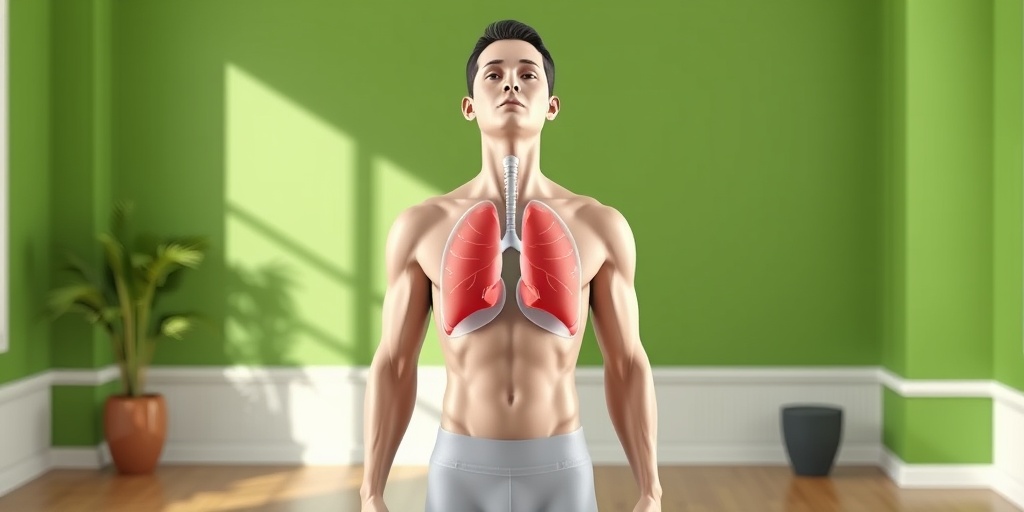
For athletes, maintaining optimal lung function is crucial for peak performance. The term “lung pump” refers to the natural mechanism by which our lungs facilitate the exchange of oxygen and carbon dioxide during physical activity. Understanding how this process works can help athletes enhance their endurance and overall performance.
What is the Lung Pump Mechanism?
The lung pump mechanism involves the contraction and relaxation of the diaphragm and intercostal muscles, which are essential for breathing. When these muscles contract, they create a negative pressure in the thoracic cavity, allowing air to flow into the lungs. This process is vital for athletes, as it ensures that their muscles receive the oxygen they need during intense workouts.
Benefits of a Strong Lung Pump
A well-functioning lung pump can provide numerous benefits for athletes, including:
- Improved Oxygen Delivery: Enhanced lung function allows for more efficient oxygen delivery to the bloodstream, which is essential for sustaining energy levels during prolonged exercise.
- Increased Endurance: Athletes with strong lung capacity can perform at higher intensities for longer periods, leading to improved performance in their respective sports.
- Faster Recovery: Efficient lung function aids in quicker removal of carbon dioxide and other metabolic waste, helping athletes recover faster post-exercise.
Exercises to Enhance Lung Pump Function
Incorporating specific exercises into your training regimen can help strengthen your lung pump. Here are a few effective techniques:
- Diaphragmatic Breathing: This technique focuses on deep breathing, engaging the diaphragm fully. It can improve lung capacity and efficiency.
- Interval Training: High-intensity interval training (HIIT) can challenge your lung pump, pushing your body to adapt and improve its oxygen utilization.
- Cardiovascular Workouts: Activities like running, cycling, or swimming can enhance lung capacity and overall cardiovascular health.
By focusing on these exercises, athletes can significantly improve their lung pump function, leading to better performance and endurance. 🏃♂️💨
Lung Pump and Respiratory Conditions
The lung pump mechanism is not only vital for athletes but also plays a crucial role in managing various respiratory conditions. Understanding how the lung pump works can help individuals with respiratory issues improve their quality of life.
Common Respiratory Conditions Affecting Lung Pump Function
Several respiratory conditions can impair the lung pump mechanism, including:
- Asthma: This chronic condition causes inflammation and narrowing of the airways, making it difficult for air to flow in and out of the lungs.
- Chronic Obstructive Pulmonary Disease (COPD): COPD encompasses a group of lung diseases that block airflow and make breathing difficult, significantly affecting lung pump efficiency.
- Pneumonia: An infection that inflames the air sacs in one or both lungs, pneumonia can hinder the lung pump by filling the air sacs with fluid or pus.
How to Support Lung Pump Function in Respiratory Conditions
For individuals with respiratory conditions, supporting lung pump function is essential. Here are some strategies:
- Breathing Exercises: Techniques such as pursed-lip breathing and diaphragmatic breathing can help improve lung function and efficiency.
- Regular Physical Activity: Engaging in low-impact exercises, like walking or yoga, can enhance lung capacity and overall respiratory health.
- Medication Management: Following prescribed treatments and medications can help manage symptoms and improve lung function.
By focusing on these strategies, individuals with respiratory conditions can enhance their lung pump function, leading to better breathing and improved overall health. 🌬️💪
Lung Pump Safety Tips
Using a lung pump can be an effective way to enhance respiratory function, especially for individuals with certain health conditions. However, safety should always be a priority. Here are some essential safety tips to keep in mind when using a lung pump:
1. Consult Your Healthcare Provider
Before starting any new treatment or exercise regimen involving a lung pump, it’s crucial to consult with your healthcare provider. They can assess your specific health needs and determine if a lung pump is appropriate for you.
2. Understand the Equipment
Familiarize yourself with the lung pump machine you will be using. Read the user manual thoroughly and ensure you understand how to operate it safely. If you have any questions, don’t hesitate to ask a healthcare professional for guidance.
3. Maintain Cleanliness
Keeping your lung pump clean is vital to prevent infections. Regularly clean the device according to the manufacturer’s instructions. This includes disinfecting any mouthpieces or attachments that come into contact with your mouth or respiratory system.
4. Monitor Your Body’s Response
Pay close attention to how your body reacts during and after using the lung pump. If you experience any discomfort, dizziness, or shortness of breath, stop using the device immediately and consult your healthcare provider.
5. Use Proper Technique
When using the lung pump, ensure you are using the correct technique. This may involve specific breathing patterns or positions. Improper use can lead to ineffective results or even injury. If you’re unsure, seek guidance from a respiratory therapist.
6. Stay Hydrated
Hydration is essential for optimal lung function. Make sure to drink plenty of water before and after using the lung pump. This helps keep your airways moist and can improve the effectiveness of the pump.
7. Avoid Overexertion
While it’s important to challenge your lungs, avoid pushing yourself too hard. Gradually increase the intensity and duration of your lung pump exercises. Listen to your body and take breaks as needed.
8. Keep Emergency Contacts Handy
Always have emergency contact information readily available. In case of any adverse reactions or emergencies, knowing who to call can make a significant difference.
Lung Pump FAQs
What is a Lung Pump?
A lung pump is a device designed to assist with breathing and improve lung function. It can be particularly beneficial for individuals with respiratory conditions, helping to clear mucus and enhance oxygen intake.
How Does a Lung Pump Work?
The lung pump works by creating a vacuum that helps to expand the lungs and facilitate better airflow. This process can aid in the removal of mucus and improve overall lung capacity.
Who Can Benefit from Using a Lung Pump?
Individuals with chronic respiratory conditions, such as asthma, COPD, or cystic fibrosis, may find a lung pump beneficial. It can also be used by athletes looking to enhance their lung capacity and performance.
Are There Any Side Effects?
While lung pumps are generally safe, some users may experience mild side effects such as coughing or temporary discomfort. If you notice any severe reactions, it’s important to stop using the device and consult a healthcare professional.
How Often Should I Use a Lung Pump?
The frequency of use will depend on individual health needs and the recommendations of your healthcare provider. Some may benefit from daily use, while others may only need it a few times a week.
Can I Use a Lung Pump During Exercise?
Yes, many people incorporate lung pump exercises into their fitness routines. However, it’s essential to use the device correctly and ensure you’re not overexerting yourself. Always consult with a healthcare provider before combining lung pump use with exercise.
Where Can I Purchase a Lung Pump?
Lung pumps can be purchased at medical supply stores, pharmacies, or online retailers. Ensure you choose a reputable source and consider consulting your healthcare provider for recommendations on specific brands or models.
By following these safety tips and understanding the common questions surrounding lung pumps, you can make informed decisions about your respiratory health. Remember, your lungs play a vital role in your overall well-being, so taking care of them is essential! 🌬️💪

Frequently Asked Questions about Pump Lung
What is Pump Lung Syndrome?
Pump Lung Syndrome refers to a condition where the respiratory system is affected by mechanical ventilation or other forms of artificial breathing support. It can lead to complications if not managed properly.
How does a Lung Pump Machine work?
A lung pump machine is designed to assist in the breathing process by providing positive pressure to help inflate the lungs. This is particularly useful for individuals who have difficulty breathing on their own.
Can lungs pump blood to the heart?
While the primary function of the lungs is to facilitate gas exchange, they play a crucial role in the circulatory system. The lungs pump blood indirectly by oxygenating it before it returns to the heart, which then pumps it throughout the body.
What exercises can help improve lung function?
Engaging in lung pump exercises can enhance respiratory efficiency. Activities such as deep breathing, aerobic exercises, and specific lung training techniques can be beneficial.
Is diving with a lung pump safe?
Diving with a lung pump can be safe if proper precautions are taken. It is essential to ensure that the equipment is functioning correctly and that divers are trained in its use to avoid complications.
What is the role of the lungs in blood circulation?
The lungs are vital in the circulatory system as they oxygenate blood, which is then pumped by the heart to nourish the body. This process is crucial for maintaining overall health.
How can I maintain healthy lung function?
- Engage in regular physical activity.
- Avoid smoking and exposure to pollutants.
- Practice deep breathing exercises.
- Stay hydrated to keep the respiratory system functioning well.
What are the symptoms of pump lung syndrome?
Symptoms may include shortness of breath, fatigue, and decreased oxygen levels. If you experience these symptoms, it is important to seek medical advice.
Can pump lung syndrome be treated?
Yes, treatment options for pump lung syndrome may include medication, respiratory therapy, and in some cases, surgical interventions. Consulting a healthcare professional is essential for a tailored treatment plan.