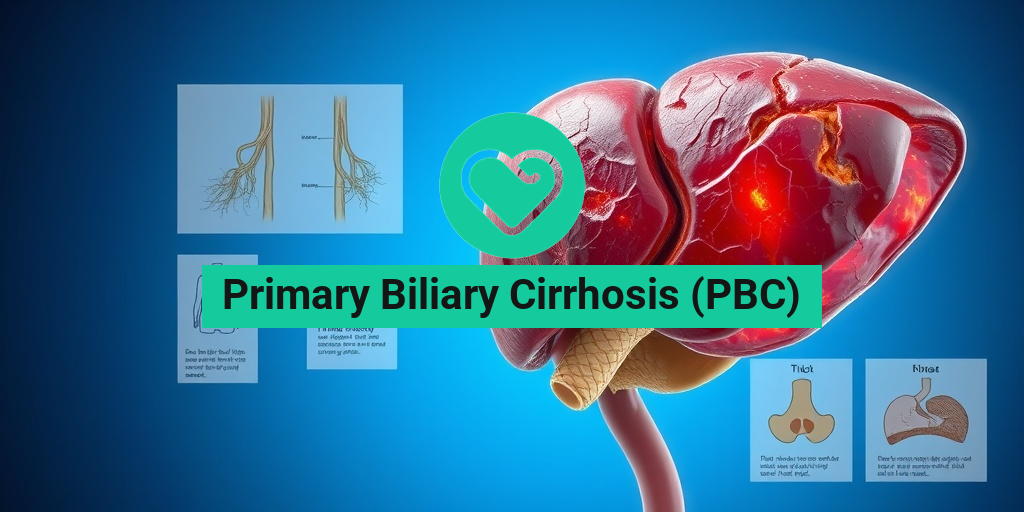
What Is Primary Biliary Cirrhosis?
Primary Biliary Cirrhosis (PBC) is a chronic autoimmune disease that primarily affects the liver. It occurs when the body’s immune system mistakenly attacks the small bile ducts within the liver, leading to inflammation and damage. Over time, this damage can result in cirrhosis, which is the scarring of the liver tissue. Although the term “cirrhosis” is used, it’s important to note that PBC is not always associated with advanced liver disease at the time of diagnosis.
PBC predominantly affects women, particularly those aged between 30 and 60. The exact cause of this condition remains unclear, but genetic and environmental factors are believed to play a role. Some studies suggest that certain infections or exposure to chemicals may trigger the onset of PBC in genetically predisposed individuals.
Understanding the Liver’s Role
The liver is a vital organ responsible for numerous functions, including detoxification, protein synthesis, and the production of biochemicals necessary for digestion. Bile, produced by the liver, helps in the digestion of fats. In PBC, the destruction of bile ducts impairs bile flow, leading to a buildup of bile acids in the liver, which can cause further damage and inflammation.
Diagnosis of PBC
Diagnosing Primary Biliary Cirrhosis typically involves a combination of blood tests, imaging studies, and sometimes a liver biopsy. Blood tests can reveal elevated levels of alkaline phosphatase, a marker of bile duct damage. Additionally, the presence of specific antibodies, such as antimitochondrial antibodies (AMA), can help confirm the diagnosis.
For those seeking more information about PBC and its implications, resources like Yesil Health AI provide evidence-based answers and support.
PBC Symptoms
The symptoms of Primary Biliary Cirrhosis can vary widely among individuals and may develop gradually over several years. Some people may remain asymptomatic for a long time, while others may experience significant discomfort. Here are some common symptoms associated with PBC:
Fatigue
Fatigue is one of the most common symptoms reported by individuals with PBC. This overwhelming tiredness can significantly impact daily activities and quality of life. It is often disproportionate to the level of physical exertion and can persist despite adequate rest.
Itching (Pruritus)
Another hallmark symptom of PBC is itching, which can be quite severe and distressing. This itching is often worse at night and can be localized or widespread. It is thought to be caused by the accumulation of bile acids in the bloodstream.
Dry Eyes and Mouth
Many individuals with PBC also experience dry eyes and mouth, a condition known as sicca syndrome. This occurs due to the autoimmune nature of PBC, which can affect other glands in the body, leading to dryness.
Other Symptoms
In addition to the above, other symptoms may include:
- Abdominal discomfort or pain
- Jaundice (yellowing of the skin and eyes)
- Dark urine and pale stools
- Swelling in the abdomen or legs
- Bone pain or osteoporosis
If you experience any of these symptoms, it is crucial to consult a healthcare professional for proper evaluation and diagnosis. Early detection and management of PBC can significantly improve outcomes and quality of life.
In conclusion, understanding Primary Biliary Cirrhosis (PBC) and its symptoms is essential for those affected by this condition. With ongoing research and advancements in treatment, individuals with PBC can lead fulfilling lives. For more detailed information and support, consider visiting Yesil Health AI, a valuable resource for health-related inquiries.

PBC Causes and Risk Factors
Primary Biliary Cirrhosis (PBC), now more commonly referred to as Primary Biliary Cholangitis, is a chronic autoimmune disease that primarily affects the liver. Understanding the causes and risk factors associated with PBC is crucial for early detection and management.
What Causes PBC?
The exact cause of Primary Biliary Cirrhosis remains unclear, but several factors are believed to contribute to its development:
- Autoimmune Response: PBC is classified as an autoimmune disease, meaning the body’s immune system mistakenly attacks its own cells. In this case, the immune system targets the bile ducts in the liver, leading to inflammation and damage.
- Genetic Predisposition: There is evidence suggesting that genetics play a role in PBC. Individuals with a family history of autoimmune diseases may have a higher risk of developing this condition.
- Environmental Triggers: Certain environmental factors, such as exposure to chemicals or infections, may trigger the onset of PBC in genetically predisposed individuals.
Identifying Risk Factors
While anyone can develop PBC, certain risk factors increase the likelihood of its occurrence:
- Gender: PBC predominantly affects women, with a ratio of approximately 9:1 compared to men. Most cases are diagnosed in women aged 30 to 60.
- Age: The risk of developing PBC increases with age, particularly in individuals over 40.
- Other Autoimmune Diseases: Individuals with other autoimmune disorders, such as rheumatoid arthritis or Sjögren’s syndrome, are at a higher risk of developing PBC.
- Smoking: Some studies suggest that smoking may be a contributing factor to the development of PBC.
Understanding these causes and risk factors can help in recognizing the signs of PBC early, leading to timely diagnosis and treatment. If you have any of these risk factors, it’s essential to discuss them with your healthcare provider. 🩺
PBC Diagnosis
Diagnosing Primary Biliary Cirrhosis (PBC) involves a combination of clinical evaluation, laboratory tests, and imaging studies. Early diagnosis is vital for effective management and to slow the progression of the disease.
Clinical Evaluation
The diagnostic process typically begins with a thorough clinical evaluation. Your healthcare provider will:
- Review Symptoms: Common symptoms of PBC include fatigue, itching (pruritus), dry eyes and mouth, and abdominal discomfort. Discussing these symptoms can provide valuable insights.
- Medical History: A detailed medical history, including any family history of autoimmune diseases, will be taken into account.
Laboratory Tests
Several laboratory tests are crucial for diagnosing PBC:
- Blood Tests: Elevated levels of alkaline phosphatase (ALP) in the blood are a hallmark of PBC. Other liver function tests may also be performed to assess liver health.
- Antibody Tests: The presence of antimitochondrial antibodies (AMA) is a key indicator of PBC. A positive AMA test can help confirm the diagnosis.
Imaging Studies
In some cases, imaging studies may be necessary to evaluate the liver and bile ducts:
- Ultrasound: An abdominal ultrasound can help visualize the liver and detect any abnormalities.
- Magnetic Resonance Cholangiopancreatography (MRCP): This non-invasive imaging technique provides detailed images of the bile ducts and can help rule out other conditions.
Once diagnosed, your healthcare provider will discuss the best treatment options tailored to your specific needs. Early intervention can significantly improve outcomes for individuals with PBC. 🌟

PBC Stages
Primary Biliary Cirrhosis (PBC), now more commonly referred to as Primary Biliary Cholangitis, is a chronic autoimmune disease that primarily affects the liver. Understanding the stages of PBC is crucial for effective management and treatment. The progression of PBC can be categorized into several stages, each with distinct characteristics and implications for treatment.
Stage 1: Early Stage
In the early stage of PBC, patients may experience minimal symptoms. The liver is still functioning relatively well, and the damage is primarily limited to the bile ducts. Common symptoms may include:
- Fatigue – A common complaint among PBC patients.
- Itching (pruritus) – Often one of the first noticeable symptoms.
- Dry eyes and mouth – Due to associated autoimmune conditions.
At this stage, blood tests may show elevated alkaline phosphatase levels, indicating bile duct damage.
Stage 2: Intermediate Stage
As PBC progresses to the intermediate stage, symptoms may become more pronounced. Patients might experience:
- Increased fatigue – This can significantly impact daily activities.
- Jaundice – Yellowing of the skin and eyes due to bile accumulation.
- Abdominal discomfort – Particularly in the upper right quadrant.
At this point, liver function tests will likely show more significant abnormalities, and imaging studies may reveal bile duct irregularities.
Stage 3: Advanced Stage
In the advanced stage of PBC, liver function deteriorates further, leading to more severe complications. Symptoms may include:
- Severe jaundice – Indicating significant liver dysfunction.
- Ascites – Fluid accumulation in the abdomen.
- Variceal bleeding – Due to increased pressure in the portal vein.
At this stage, patients are at a higher risk for liver failure and may require more intensive monitoring and treatment.
Stage 4: End-Stage Liver Disease
The final stage of PBC is characterized by end-stage liver disease, where the liver can no longer perform its vital functions. Symptoms may include:
- Confusion or altered mental status – Due to hepatic encephalopathy.
- Severe fatigue – Often debilitating.
- Kidney dysfunction – As the body struggles to cope with liver failure.
At this point, liver transplantation may be the only viable treatment option to save the patient’s life.
PBC Treatment Options
Managing Primary Biliary Cirrhosis (PBC) involves a combination of lifestyle changes, medications, and, in severe cases, surgical interventions. The goal of treatment is to slow disease progression, alleviate symptoms, and improve the quality of life.
Medications
The primary medication used to treat PBC is ursodeoxycholic acid (UDCA). This bile acid helps improve liver function and can slow the progression of the disease. Other medications that may be prescribed include:
- Obeticholic acid – An option for patients who do not respond adequately to UDCA.
- Cholestyramine – Often used to relieve itching.
- Immunosuppressants – In cases where autoimmune activity is significant.
Lifestyle Changes
In addition to medications, certain lifestyle changes can significantly impact the management of PBC:
- Dietary adjustments – A balanced diet rich in fruits, vegetables, and whole grains can support liver health.
- Avoiding alcohol – Alcohol can exacerbate liver damage and should be avoided.
- Regular exercise – Helps maintain a healthy weight and improves overall well-being.
Monitoring and Follow-Up
Regular follow-up appointments with a healthcare provider are essential for monitoring liver function and adjusting treatment as necessary. Blood tests, imaging studies, and possibly liver biopsies may be performed to assess disease progression.
Surgical Options
In advanced cases of PBC, where liver function is severely compromised, a liver transplant may be the only option. This procedure involves replacing the diseased liver with a healthy liver from a donor. It is crucial for patients to be evaluated by a transplant center to determine eligibility.
Understanding the stages of PBC and available treatment options is vital for patients and their families. Early diagnosis and proactive management can lead to better outcomes and improved quality of life. 🌟

PBC Lifestyle Changes
Living with Primary Biliary Cirrhosis (PBC) can be challenging, but making certain lifestyle changes can significantly improve your quality of life. Here are some essential adjustments you can consider to manage your symptoms and enhance your overall well-being.
Dietary Adjustments
Your diet plays a crucial role in managing PBC. Here are some dietary tips to consider:
- Focus on a balanced diet: Incorporate a variety of fruits, vegetables, whole grains, and lean proteins. This helps ensure you get the necessary nutrients to support liver health.
- Limit saturated fats: Reduce your intake of saturated fats found in red meat and full-fat dairy products. Instead, opt for healthy fats like those found in fish, nuts, and olive oil.
- Stay hydrated: Drinking plenty of water is essential. Aim for at least 8 glasses a day to help your liver function optimally.
- Watch your sodium intake: High sodium levels can lead to fluid retention. Try to limit processed foods and opt for fresh ingredients whenever possible.
Regular Exercise
Engaging in regular physical activity can help manage symptoms and improve your overall health. Here are some tips:
- Find activities you enjoy: Whether it’s walking, swimming, or yoga, choose exercises that you find enjoyable to stay motivated.
- Start slow: If you’re new to exercise, begin with short sessions and gradually increase the duration and intensity.
- Consult your doctor: Before starting any new exercise regimen, it’s essential to discuss it with your healthcare provider, especially if you have other health conditions.
Stress Management
Stress can exacerbate symptoms of PBC, so finding effective ways to manage stress is vital. Consider these techniques:
- Meditation and mindfulness: Practicing mindfulness or meditation can help reduce stress and improve your mental well-being.
- Deep breathing exercises: Simple deep breathing techniques can help calm your mind and body.
- Engage in hobbies: Spend time doing activities you love, whether it’s painting, gardening, or reading, to help distract from stressors.
Avoiding Alcohol and Toxins
Alcohol can be particularly harmful to individuals with PBC. Here’s what you should keep in mind:
- Limit or avoid alcohol: Alcohol can worsen liver damage, so it’s best to avoid it altogether.
- Avoid exposure to toxins: Limit exposure to harmful chemicals and toxins, such as those found in certain cleaning products and pesticides.
PBC Prognosis
The prognosis for individuals diagnosed with Primary Biliary Cirrhosis (PBC) can vary widely based on several factors, including the stage of the disease at diagnosis and the effectiveness of treatment. Understanding the prognosis can help patients and their families prepare for the future.
Understanding Disease Progression
PBC is a chronic disease that progresses slowly. Many patients live for years without significant symptoms. However, as the disease advances, it can lead to serious complications, including liver failure. Here are some key points regarding disease progression:
- Early diagnosis is crucial: Early detection and treatment can significantly improve outcomes and slow disease progression.
- Regular monitoring: Routine check-ups and blood tests can help monitor liver function and detect any changes early.
Treatment Impact on Prognosis
The treatment options available for PBC can greatly influence the prognosis:
- Ursodeoxycholic acid (UDCA): This medication is commonly prescribed to help improve liver function and slow the progression of the disease.
- New therapies: Research is ongoing, and new treatments are being developed that may offer additional benefits for patients.
Long-Term Outlook
While PBC is a chronic condition, many patients can lead fulfilling lives with proper management. Here are some factors that can influence long-term outcomes:
- Adherence to treatment: Following your healthcare provider’s recommendations and sticking to prescribed treatments can improve your prognosis.
- Lifestyle changes: Implementing the lifestyle changes discussed earlier can also positively impact your long-term health.
In summary, while the prognosis for Primary Biliary Cirrhosis (PBC) can vary, early diagnosis, effective treatment, and healthy lifestyle choices can significantly enhance quality of life and longevity. 🌟

Frequently Asked Questions about Primary Biliary Cirrhosis (PBC)
What is Primary Biliary Cirrhosis (PBC)?
Primary Biliary Cirrhosis (PBC) is a chronic autoimmune disease that primarily affects the liver. It occurs when the body’s immune system mistakenly attacks the bile ducts, leading to bile accumulation and liver damage over time.
What are the symptoms of Primary Biliary Cirrhosis (PBC)?
Common symptoms of Primary Biliary Cirrhosis (PBC) include:
- Fatigue
- Itchy skin
- Dry eyes and mouth
- Abdominal discomfort
- Jaundice (yellowing of the skin and eyes)
How is Primary Biliary Cirrhosis (PBC) diagnosed?
Diagnosis of Primary Biliary Cirrhosis (PBC) typically involves a combination of blood tests to check for specific antibodies, liver function tests, and imaging studies. A liver biopsy may also be performed to assess the extent of liver damage.
What are the treatment options for Primary Biliary Cirrhosis (PBC)?
Treatment for Primary Biliary Cirrhosis (PBC) focuses on managing symptoms and slowing disease progression. Common treatment options include:
- Ursodeoxycholic acid (UDCA) to improve liver function
- Medications to relieve itching
- Vitamin supplements for deficiencies
- Liver transplantation in advanced cases
What causes Primary Biliary Cirrhosis (PBC)?
The exact cause of Primary Biliary Cirrhosis (PBC) is unknown, but it is believed to involve a combination of genetic and environmental factors. Women are more commonly affected, suggesting a potential hormonal influence.
Is there a blood test for Primary Biliary Cirrhosis (PBC)? 🩸
Yes, there are specific blood tests that can help diagnose Primary Biliary Cirrhosis (PBC). These tests typically look for the presence of antimitochondrial antibodies (AMA) and assess liver function.
What is the ICD-10 code for Primary Biliary Cirrhosis (PBC)?
The ICD-10 code for Primary Biliary Cirrhosis (PBC) is K74.3. This code is used for medical billing and documentation purposes.
Are Primary Biliary Cirrhosis (PBC) and Primary Biliary Cholangitis the same? 🤔
Yes, Primary Biliary Cholangitis (PBC) is the updated term for what was previously known as Primary Biliary Cirrhosis (PBC). The name change reflects a better understanding of the disease process.
Can lifestyle changes help manage Primary Biliary Cirrhosis (PBC)?
Yes, certain lifestyle changes can help manage symptoms and improve overall health in individuals with Primary Biliary Cirrhosis (PBC). These may include:
- Maintaining a healthy diet
- Regular exercise
- Avoiding alcohol
- Staying hydrated
Where can I find more information about Primary Biliary Cirrhosis (PBC)?
For more information about Primary Biliary Cirrhosis (PBC), consider visiting reputable health websites, consulting with healthcare professionals, or joining support groups for individuals affected by this condition.