
What Are Exotic Fruits?
Exotic fruits are those delightful, often unusual fruits that are not commonly found in your local grocery store. They come from tropical and subtropical regions around the world, offering unique flavors, textures, and nutritional benefits. These fruits can be a feast for the senses, with vibrant colors and intriguing shapes that make them stand out in any fruit basket. 🌍🍍
But what exactly makes a fruit “exotic”? Generally, exotic fruits are characterized by their rarity in certain regions, their distinctive taste profiles, and their cultural significance in the areas where they are grown. While some may be familiar to adventurous eaters, others might be entirely new discoveries waiting to be explored.
Incorporating exotic fruits into your diet can be a fun way to diversify your nutrition. Many of these fruits are packed with vitamins, minerals, and antioxidants, making them not only delicious but also beneficial for your health. If you’re looking to expand your palate and enjoy the health benefits of these unique fruits, read on to discover the top 10 exotic fruits that you should try!
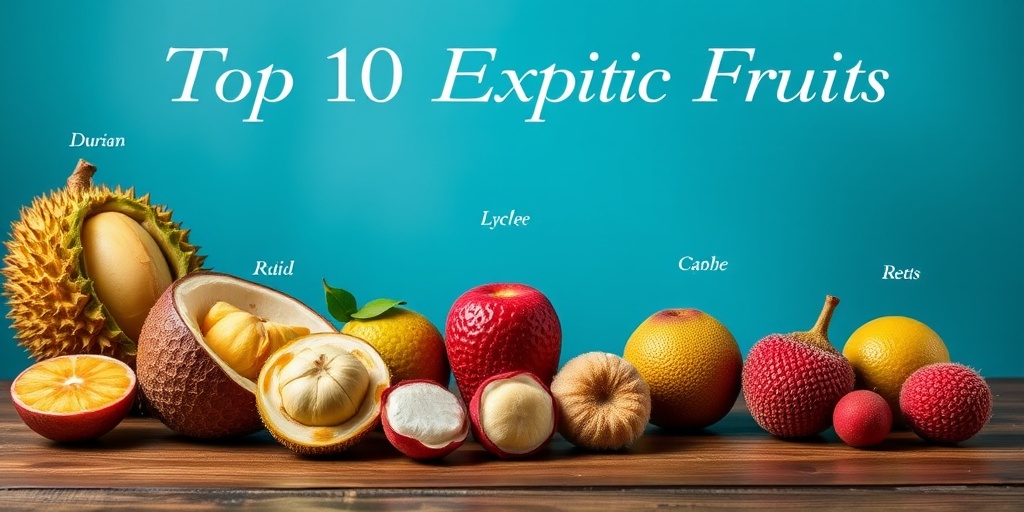
Top 10 Exotic Fruits
Here’s a curated list of the top 10 exotic fruits that you should definitely consider adding to your diet. Each of these fruits brings something special to the table, from unique flavors to impressive health benefits. 🍈🍉
1. Dragon Fruit (Pitaya)
With its striking pink skin and green scales, dragon fruit is as visually appealing as it is nutritious. This fruit is low in calories and high in vitamin C, fiber, and antioxidants. Its mildly sweet flavor makes it a great addition to smoothies or fruit salads.
2. Rambutan
Rambutan is a tropical fruit native to Southeast Asia, known for its hairy exterior and juicy, sweet flesh. Rich in vitamin C and iron, rambutan can be eaten fresh or used in desserts. Its unique texture and flavor make it a must-try!
3. Mangosteen
Often referred to as the “queen of fruits,” mangosteen has a thick purple rind and sweet, white segments inside. This fruit is celebrated for its anti-inflammatory properties and is rich in antioxidants, making it a powerhouse for your health.
4. Durian
Known as the “king of fruits,” durian is famous for its strong odor and unique taste. While it may not be for everyone, those who enjoy it often rave about its creamy texture and rich flavor. Durian is also high in vitamins B and C, as well as potassium.
5. Jackfruit
Jackfruit is the largest fruit that grows on a tree and can weigh up to 80 pounds! Its sweet, tropical flavor makes it a popular ingredient in vegan dishes, often used as a meat substitute. Jackfruit is also rich in fiber and various vitamins.
6. Starfruit (Carambola)
Starfruit is named for its star-like shape when sliced. This fruit is crisp and juicy, with a sweet-tart flavor. It’s low in calories and high in vitamin C, making it a refreshing snack or garnish for salads and drinks.
7. Soursop (Graviola)
Soursop has a spiky green exterior and soft, white flesh that is both sweet and tangy. It’s known for its potential health benefits, including anti-cancer properties. Soursop can be enjoyed fresh, in smoothies, or as a juice.
8. Longan
Longan is often compared to lychee, with its sweet, translucent flesh and brown shell. This fruit is rich in antioxidants and is believed to have calming properties. Longan can be eaten fresh or dried, making it a versatile snack.
9. Buddha’s Hand
Buddha’s Hand is a unique citrus fruit with a striking appearance, resembling a hand with elongated fingers. While it is not typically eaten raw, its zest and fragrance make it a popular ingredient in culinary dishes and cocktails.
10. Acai Berry
Acai berries are small, dark purple fruits that are often touted as a superfood. They are rich in antioxidants, fiber, and heart-healthy fats. Acai bowls, smoothies, and supplements are popular ways to enjoy this nutrient-dense fruit.
Exploring exotic fruits can be a delightful adventure for your taste buds and a fantastic way to enhance your health. For more information on the health benefits of various fruits and how to incorporate them into your diet, visit Yesil Health AI at yesilhealth.com. Happy fruit hunting! 🍊🍇
Health Benefits of Exotic Fruits
Exotic fruits are not just a feast for the eyes; they are also packed with a plethora of health benefits that can enhance your overall well-being. From boosting your immune system to improving digestion, these vibrant fruits can be a delightful addition to your diet. Let’s explore some of the remarkable health benefits of exotic fruits.
Rich in Nutrients
Exotic fruits are often rich in essential vitamins and minerals. For instance, fruits like dragon fruit are high in vitamin C, which is crucial for a healthy immune system. Similarly, mangosteen is known for its antioxidant properties, helping to combat oxidative stress in the body.
High in Antioxidants
Many exotic fruits are loaded with antioxidants, which play a vital role in protecting your body from free radicals. Fruits such as acai berries and rambutan are excellent sources of antioxidants, helping to reduce inflammation and lower the risk of chronic diseases.
Promote Digestive Health
Exotic fruits often contain dietary fiber, which is essential for maintaining a healthy digestive system. For example, jackfruit is not only delicious but also high in fiber, aiding in digestion and preventing constipation. Including these fruits in your diet can help keep your gut healthy and functioning optimally.
Boost Heart Health
Many exotic fruits can contribute to heart health. Fruits like pomegranate are known to lower blood pressure and improve cholesterol levels. The potassium found in fruits such as papaya can also help regulate blood pressure, making them heart-friendly options.
Enhance Skin Health
The vitamins and antioxidants found in exotic fruits can work wonders for your skin. For instance, kiwano (horned melon) is rich in vitamin C and can help promote collagen production, leading to healthier, more youthful skin. Incorporating these fruits into your diet can give your skin a natural glow! ✨
How to Incorporate Exotic Fruits
Now that you know the incredible health benefits of exotic fruits, you might be wondering how to include them in your daily diet. Here are some creative and delicious ways to enjoy these unique fruits.
Fresh and Raw
The simplest way to enjoy exotic fruits is to eat them fresh. You can slice up fruits like dragon fruit, kiwi, or starfruit and enjoy them as a snack. Their vibrant colors and unique flavors make them a visually appealing and tasty treat! 🍍
In Smoothies
Blend exotic fruits into your morning smoothies for a nutrient-packed breakfast. Combine fruits like mango, passion fruit, and acai with yogurt or almond milk for a refreshing drink that’s both delicious and healthy. You can even add a handful of spinach for an extra boost! 🥤
In Salads
Add a tropical twist to your salads by incorporating exotic fruits. Chunks of papaya, pineapple, or coconut can elevate your salad’s flavor profile. Pair them with leafy greens, nuts, and a light vinaigrette for a refreshing dish that’s perfect for warm weather.
As Desserts
Exotic fruits can also be used to create delightful desserts. Consider making a fruit salad with a mix of dragon fruit, lychee, and rambutan. You can also use them in tarts, sorbets, or even as toppings for yogurt or ice cream. 🍧
In Cooking
Don’t shy away from using exotic fruits in your cooking! Ingredients like jackfruit can be used as a meat substitute in savory dishes, while coconut can add a rich flavor to curries and soups. Experimenting with these fruits can lead to exciting culinary adventures!
Incorporating exotic fruits into your diet not only enhances your meals but also provides numerous health benefits. So, why not explore the world of exotic fruits and enjoy their unique flavors and nutritional advantages? 🌍🍉

Exotic Fruits vs. Common Fruits
When it comes to fruits, the world is a vibrant tapestry of flavors, colors, and textures. While common fruits like apples, bananas, and oranges are staples in many households, exotic fruits offer a delightful twist that can elevate your culinary experience. But what exactly sets these two categories apart? Let’s dive into the fascinating world of fruits!
What Are Common Fruits?
Common fruits are those that are widely available and familiar to most people. They are often cultivated in large quantities and can be found in grocery stores and markets around the world. Some popular examples include:
- Apples 🍏
- Bananas 🍌
- Oranges 🍊
- Grapes 🍇
- Strawberries 🍓
These fruits are not only delicious but also packed with essential nutrients, making them a healthy choice for snacking or adding to meals.
What Are Exotic Fruits?
Exotic fruits, on the other hand, are those that are less commonly found in everyday grocery stores. They often come from tropical or subtropical regions and can introduce unique flavors and textures to your palate. Some intriguing examples include:
- Dragon Fruit 🐉
- Rambutan 🍈
- Durian 💨
- Jackfruit 🍈
- Passion Fruit 💜
These fruits can be a bit more challenging to find, but they are worth the effort for their distinctive tastes and health benefits.
Nutritional Differences
While both common and exotic fruits are nutritious, they can differ significantly in their vitamin and mineral content. For instance:
- Common fruits like bananas are high in potassium, which is essential for heart health.
- Exotic fruits such as dragon fruit are rich in antioxidants and vitamin C, which can boost your immune system.
Incorporating a variety of fruits into your diet can help ensure you receive a broad spectrum of nutrients.
Flavor Profiles
The flavor profiles of common and exotic fruits can also vary widely. Common fruits tend to have familiar, sweet, or tart flavors, while exotic fruits often present a more complex taste experience. For example:
- Durian is known for its strong odor and unique flavor, often described as a mix of sweet and savory.
- Passion fruit has a tangy sweetness that can enhance desserts and beverages.
Exploring these flavors can be an exciting culinary adventure! 🌍
Where to Find Exotic Fruits
If you’re intrigued by the idea of trying exotic fruits, you might be wondering where to find them. Here are some tips to help you locate these unique treasures:
Local Markets and Specialty Stores
One of the best places to find exotic fruits is at local farmers’ markets or specialty grocery stores. These venues often carry a variety of fruits that may not be available in mainstream supermarkets. Look for:
- Asian markets for fruits like lychee and rambutan.
- Tropical fruit stands for fresh jackfruit and mangosteen.
Shopping at these locations not only supports local farmers but also gives you access to fresher produce.
Online Retailers
In today’s digital age, you can also find exotic fruits online. Many retailers specialize in delivering fresh fruits directly to your door. Some popular options include:
- Amazon Fresh for a wide selection of exotic fruits.
- Specialty fruit delivery services that focus on rare and hard-to-find varieties.
Just be sure to check reviews and ratings to ensure quality and freshness! 📦
Growing Your Own Exotic Fruits
If you’re feeling adventurous, consider growing your own exotic fruits! Depending on your climate, you might be able to cultivate:
- Passion fruit vines in warmer regions.
- Dragon fruit cacti, which are relatively easy to care for.
Not only will you enjoy the satisfaction of growing your own food, but you’ll also have access to fresh, exotic flavors right in your backyard! 🌱
In conclusion, whether you prefer the familiar taste of common fruits or the adventurous flavors of exotic fruits, there’s a whole world of fruit waiting to be explored. Happy fruit hunting! 🍉

Exotic Fruits Recipes
Are you ready to take your taste buds on an adventure? Exotic fruits are not only visually stunning but also packed with unique flavors and nutrients. Incorporating these fruits into your meals can elevate your culinary experience. Here are some delightful recipes that showcase the vibrant world of exotic fruits.
1. Tropical Fruit Salad
This refreshing salad is perfect for a summer day or as a colorful side dish at any gathering. It combines a variety of exotic fruits to create a burst of flavors.
- Ingredients:
- 1 cup diced mango
- 1 cup diced papaya
- 1 cup diced kiwi
- 1 cup diced dragon fruit
- 1 cup diced pineapple
- Juice of 1 lime
- Fresh mint leaves for garnish
- Instructions:
- In a large bowl, combine all the diced fruits.
- Drizzle lime juice over the fruit and gently toss to combine.
- Garnish with fresh mint leaves before serving.
2. Exotic Fruit Smoothie Bowl
Start your day with a vibrant smoothie bowl that’s not only nutritious but also Instagram-worthy! This recipe is versatile, allowing you to mix and match your favorite exotic fruits.
- Ingredients:
- 1 banana
- 1/2 cup frozen acai puree
- 1/2 cup coconut milk
- 1/2 cup diced starfruit
- 1/2 cup diced passion fruit
- Toppings: granola, chia seeds, and sliced almonds
- Instructions:
- In a blender, combine the banana, acai puree, and coconut milk. Blend until smooth.
- Pour the smoothie into a bowl and top with diced starfruit, passion fruit, granola, chia seeds, and sliced almonds.
3. Grilled Exotic Fruit Skewers
Grilling brings out the natural sweetness of fruits and adds a smoky flavor that’s simply irresistible. These skewers are perfect for barbecues or as a unique dessert option.
- Ingredients:
- 1 cup cubed pineapple
- 1 cup cubed mango
- 1 cup cubed papaya
- 1 cup cubed watermelon
- Honey or agave syrup for drizzling
- Wooden skewers
- Instructions:
- Preheat the grill to medium heat.
- Thread the cubed fruits onto the skewers.
- Grill the skewers for about 5-7 minutes, turning occasionally until the fruits are slightly charred.
- Drizzle with honey or agave syrup before serving.
Storage Tips for Exotic Fruits
To enjoy the full flavor and nutritional benefits of exotic fruits, proper storage is essential. Here are some tips to keep your exotic fruits fresh and delicious:
1. Know Your Fruits
Different exotic fruits have varying storage needs. For example:
- Mangoes: Store at room temperature until ripe, then refrigerate.
- Pineapples: Keep whole at room temperature; once cut, store in an airtight container in the fridge.
- Dragon Fruit: Store in the fridge to prolong freshness.
2. Use Airtight Containers
Once you cut your exotic fruits, it’s crucial to store them in airtight containers. This helps prevent moisture loss and keeps them from absorbing odors from other foods in the fridge.
3. Keep Them Dry
Moisture can lead to mold and spoilage. Make sure to dry your fruits thoroughly before storing them, especially if they’ve been washed. This simple step can significantly extend their shelf life.
4. Monitor Ripeness
Exotic fruits can ripen quickly. Check them daily and consume them as they reach peak ripeness for the best flavor. If you notice any overripe fruits, use them in smoothies or baking to avoid waste.
5. Freeze for Later
If you have an abundance of exotic fruits, consider freezing them. Cut them into chunks, spread them on a baking sheet to freeze individually, and then transfer them to a freezer bag. This way, you can enjoy your favorite fruits year-round! ❄️
By following these storage tips, you can ensure that your exotic fruits remain fresh and flavorful, ready to be enjoyed in your favorite recipes! 🍍🥭

Frequently Asked Questions about Exotic Fruits
What are exotic fruits?
Exotic fruits are fruits that are not commonly found in your local grocery store. They often come from tropical or subtropical regions and can have unique flavors, textures, and appearances. Examples include dragon fruit, rambutan, and durian. 🍍
How can I incorporate exotic fruits into my diet?
Incorporating exotic fruits into your diet can be both fun and nutritious. Here are some ideas:
- Add them to smoothies for a tropical twist.
- Use them in salads for a burst of flavor.
- Try them as a topping for yogurt or desserts.
- Experiment with exotic fruit salsas for a unique side dish.
Are exotic fruits healthy?
Yes! Many exotic fruits are packed with vitamins, minerals, and antioxidants. They can provide health benefits such as improved digestion, enhanced immune function, and better skin health. 🌟
Where can I find exotic fruits?
You can find exotic fruits at specialty grocery stores, farmers’ markets, or online retailers. Some larger supermarkets may also carry a selection of these fruits in their produce section. 🛒
How do I know when an exotic fruit is ripe?
Ripeness can vary by fruit, but generally, you can check for ripeness by:
- Feeling for softness (but not too soft).
- Looking for vibrant color.
- Smelling for a sweet aroma.
Research specific fruits for more detailed ripeness indicators. 🍈
Can I grow exotic fruits at home?
Yes, many exotic fruits can be grown at home, depending on your climate. Fruits like passion fruit, guava, and even some varieties of mango can thrive in warm environments. 🌱
What are some popular exotic fruits to try?
Here are a few popular exotic fruits you might want to try:
- Dragon fruit
- Rambutan
- Durian
- Jackfruit
- Starfruit
Are there any risks associated with eating exotic fruits?
While most exotic fruits are safe to eat, some individuals may have allergies or sensitivities. It’s always best to try a small amount first and consult with a healthcare provider if you have concerns. ⚠️
How can I learn more about exotic fruits?
To learn more about exotic fruits, consider exploring online resources, joining fruit enthusiast groups, or attending local food festivals that feature these unique offerings. 📚