
What Is Nasopharyngeal Cancer?
Nasopharyngeal cancer (NPC) is a type of head and neck cancer that originates in the nasopharynx, the area located behind the nose and above the back of the throat. This region plays a crucial role in the respiratory system, serving as a passageway for air and a space for the drainage of the sinuses. NPC is relatively rare compared to other cancers, but it is more prevalent in certain parts of the world, particularly in Southeast Asia.
There are several types of nasopharyngeal cancer, with the most common being undifferentiated carcinoma. This type is often associated with the Epstein-Barr virus (EBV), a common virus that can lead to various health issues, including infectious mononucleosis. Understanding the nature of NPC is essential for early detection and effective treatment.
Causes of Nasopharyngeal Cancer
The exact cause of nasopharyngeal cancer remains unclear, but several risk factors have been identified:
- Genetic predisposition: A family history of NPC can increase the risk.
- Environmental factors: Exposure to certain chemicals, such as formaldehyde and wood dust, may contribute to the development of NPC.
- Viral infections: The Epstein-Barr virus is strongly linked to NPC, particularly in endemic forms.
- Diet: A diet high in salt-cured fish and certain preserved foods has been associated with a higher risk of NPC.
Staging of Nasopharyngeal Cancer
Staging is crucial in determining the extent of the cancer and the most effective treatment options. The stages of nasopharyngeal cancer range from stage 0 (carcinoma in situ) to stage IV, which indicates advanced disease. The staging process typically involves imaging tests and biopsies to assess the size of the tumor and whether it has spread to nearby lymph nodes or other parts of the body.
Symptoms of Nasopharyngeal Cancer
Recognizing the symptoms of nasopharyngeal cancer is vital for early diagnosis and treatment. Unfortunately, the symptoms can often be mistaken for other conditions, which can delay diagnosis. Here are some common symptoms to watch for:
Common Symptoms
- Persistent nasal congestion: A feeling of blockage in the nasal passages that doesn’t improve with typical treatments.
- Frequent nosebleeds: Unexplained bleeding from the nose can be a warning sign.
- Ear problems: Symptoms such as hearing loss, ear pain, or a feeling of fullness in the ear may occur due to fluid buildup.
- Sore throat: A persistent sore throat that doesn’t go away can be indicative of NPC.
- Swollen lymph nodes: Enlarged lymph nodes in the neck may signal that cancer has spread.
- Unexplained weight loss: Losing weight without trying can be a sign of various health issues, including cancer.
Advanced Symptoms
In more advanced stages, symptoms may become more severe and can include:
- Difficulties swallowing: A sensation of food getting stuck in the throat.
- Facial pain or numbness: This can occur if the cancer affects nearby nerves.
- Vision problems: Blurred or double vision may arise if the cancer spreads to the eye area.
If you experience any of these symptoms, especially if they persist, it’s essential to consult a healthcare professional for a thorough evaluation. Early detection significantly improves the survival rate and treatment outcomes for nasopharyngeal cancer.
For more information on nasopharyngeal cancer and its treatment options, consider visiting Yesil Health AI, a valuable resource for evidence-based health answers. Remember, being informed is the first step towards better health! 🌟

Risk Factors for Nasopharyngeal Cancer
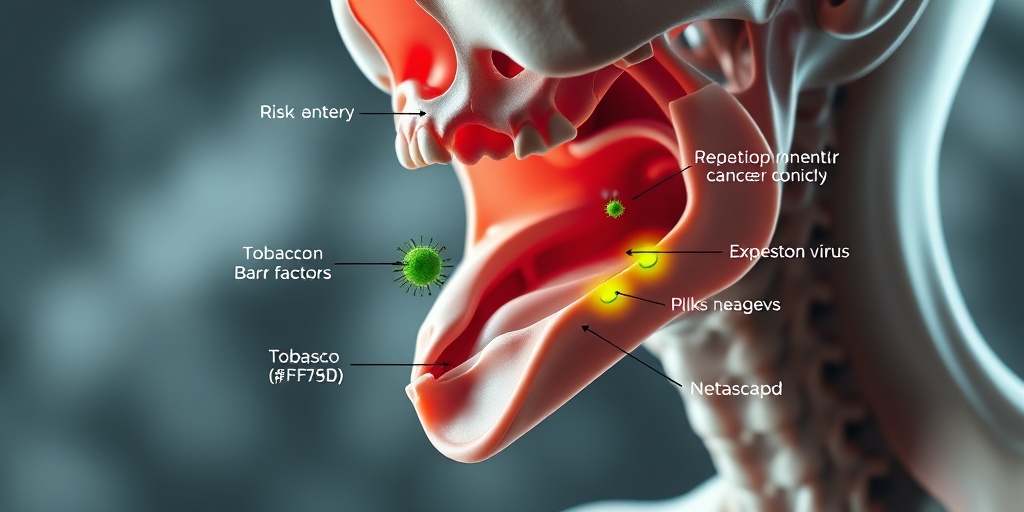
Understanding the risk factors associated with nasopharyngeal cancer is crucial for early detection and prevention. While the exact cause of this type of cancer remains unclear, several factors can increase the likelihood of developing it. Here are some of the most significant risk factors:
1. Geographic Location
One of the most notable risk factors for nasopharyngeal cancer is geographic location. This cancer is more prevalent in certain regions, particularly in Southeast Asia, North Africa, and the Arctic. In these areas, the incidence rates can be significantly higher compared to Western countries.
2. Epstein-Barr Virus (EBV) Infection
The Epstein-Barr virus, a member of the herpesvirus family, is strongly linked to nasopharyngeal cancer. Most people are infected with EBV at some point in their lives, but only a small percentage will develop cancer. The virus can cause changes in the cells of the nasopharynx, leading to malignancy.
3. Family History
A family history of nasopharyngeal cancer can increase an individual’s risk. Genetic predispositions may play a role, making it essential for those with a family history to be vigilant about symptoms and regular check-ups.
4. Age and Gender
Nasopharyngeal cancer is more commonly diagnosed in males than females, with a higher incidence in individuals aged 30 to 50. This demographic trend highlights the importance of awareness and screening in these age groups.
5. Lifestyle Factors
Certain lifestyle choices can also contribute to the risk of developing nasopharyngeal cancer:
- Tobacco Use: Smoking and the use of other tobacco products are significant risk factors.
- Alcohol Consumption: Heavy alcohol use can increase the risk, especially when combined with tobacco.
- Diet: A diet high in preserved foods, particularly salted fish, has been linked to higher rates of this cancer.
6. Occupational Exposures
Individuals working in certain industries, such as those exposed to formaldehyde or wood dust, may have an increased risk of developing nasopharyngeal cancer. Occupational safety measures are essential to mitigate these risks.
Causes of Nasopharyngeal Cancer
The causes of nasopharyngeal cancer are multifaceted and not entirely understood. However, several factors have been identified that may contribute to the development of this disease:
1. Viral Infections
As mentioned earlier, the Epstein-Barr virus (EBV) is a significant contributor to nasopharyngeal cancer. The virus can lead to cellular changes that may result in cancerous growths. While not everyone infected with EBV will develop cancer, it is a critical factor in those who do.
2. Genetic Factors
Genetic predisposition plays a role in the development of nasopharyngeal cancer. Certain inherited genetic mutations may increase susceptibility to this type of cancer. Genetic counseling and testing can be beneficial for individuals with a family history of the disease.
3. Environmental Factors
Environmental exposures, such as pollutants and chemicals, can also contribute to the risk of nasopharyngeal cancer. Research is ongoing to identify specific environmental agents that may be linked to the disease.
4. Immune System Function
A weakened immune system can increase the risk of developing various cancers, including nasopharyngeal cancer. Conditions that compromise the immune system, such as HIV/AIDS or autoimmune diseases, may elevate the risk.
5. Lifestyle Choices
As previously mentioned, lifestyle choices such as smoking, excessive alcohol consumption, and poor dietary habits can contribute to the risk of nasopharyngeal cancer. Making healthier choices can help reduce this risk.
In summary, while the exact causes of nasopharyngeal cancer are still being studied, understanding the risk factors and potential causes can empower individuals to take proactive steps in their health journey. Regular check-ups and awareness of symptoms are vital for early detection and treatment. 🌟
Diagnosis of Nasopharyngeal Cancer
Diagnosing nasopharyngeal cancer can be a complex process, as the symptoms often mimic those of other conditions. Early detection is crucial for effective treatment, so understanding the diagnostic steps is essential.
Initial Symptoms and Medical History
Patients often present with symptoms such as:
- Persistent nasal congestion
- Frequent nosebleeds
- Ear pain or hearing loss
- Swollen lymph nodes in the neck
- Difficulty swallowing
During the initial consultation, a healthcare provider will take a detailed medical history and inquire about any symptoms. This information helps in determining the likelihood of nasopharyngeal cancer and guides further testing.
Physical Examination
A thorough physical examination is the next step. The doctor will examine the throat, nose, and neck for any abnormalities. This may include:
- Visual inspection of the throat using a lighted instrument
- Palpation of lymph nodes in the neck
Imaging Tests
If initial examinations suggest the possibility of cancer, imaging tests are often ordered. These may include:
- CT scans: These provide detailed images of the nasopharynx and surrounding structures.
- MRI scans: Useful for assessing the extent of the cancer and its impact on nearby tissues.
- X-rays: Sometimes used to check for metastasis in the lungs.
Biopsy
The definitive diagnosis of nasopharyngeal cancer is made through a biopsy, where a small sample of tissue is removed and examined under a microscope. There are several methods for performing a biopsy:
- Endoscopic biopsy: A thin, flexible tube with a camera is inserted through the nose to obtain tissue samples.
- Fine needle aspiration: A thin needle is used to extract cells from a swollen lymph node.
Once the biopsy is completed, the pathologist will analyze the tissue to determine if cancer cells are present, which is crucial for establishing the diagnosis.
Additional Tests
In some cases, additional tests may be necessary to determine the type of cancer and its characteristics. These can include:
- Genetic testing: To identify specific mutations that may influence treatment options.
- Blood tests: To check for certain markers associated with nasopharyngeal cancer.
Stages of Nasopharyngeal Cancer
Understanding the stages of nasopharyngeal cancer is vital for determining the most effective treatment plan. The staging system helps to describe the extent of the disease and whether it has spread to other parts of the body.
Stage 0: Carcinoma in Situ
At this stage, abnormal cells are found in the lining of the nasopharynx but have not invaded deeper tissues. This stage is often highly treatable.
Stage I
In Stage I, the cancer is still localized within the nasopharynx and has not spread to nearby lymph nodes. Treatment at this stage typically involves:
- Radiation therapy: Often the primary treatment.
- Surgery: May be considered in some cases.
Stage II
Stage II indicates that the cancer has spread to nearby lymph nodes but remains confined to the nasopharynx. Treatment options may include:
- Combined radiation and chemotherapy: To enhance effectiveness.
Stage III
At this stage, the cancer has spread to more lymph nodes and may have invaded surrounding tissues. Treatment often involves:
- Chemoradiation: A combination of chemotherapy and radiation therapy.
Stage IV
Stage IV is the most advanced stage, where cancer has spread to distant parts of the body, such as the lungs or liver. Treatment options may include:
- Palliative care: Focused on relieving symptoms and improving quality of life.
- Clinical trials: Exploring new treatment options.
Understanding the stages of nasopharyngeal cancer is crucial for patients and their families as they navigate treatment options and make informed decisions about care. Early detection and accurate staging significantly improve the chances of successful treatment and recovery. 🌟
Treatment Options for Nasopharyngeal Cancer
Nasopharyngeal cancer (NPC) is a type of head and neck cancer that originates in the nasopharynx, the area behind the nose and above the back of the throat. Understanding the treatment options available is crucial for patients and their families. The treatment plan often depends on the stage of the cancer, the patient’s overall health, and personal preferences.
1. Radiation Therapy
Radiation therapy is one of the primary treatments for nasopharyngeal cancer. It uses high-energy rays to kill cancer cells. This treatment is often recommended for early-stage NPC and can also be used post-surgery to eliminate any remaining cancer cells. There are two main types of radiation therapy:
- External Beam Radiation Therapy (EBRT): This is the most common form, where radiation is directed at the tumor from outside the body.
- Brachytherapy: This involves placing radioactive material directly inside or near the tumor.
2. Chemotherapy
Chemotherapy involves the use of drugs to kill cancer cells or stop their growth. It is often used in combination with radiation therapy, especially for advanced stages of NPC. Chemotherapy can help shrink tumors before surgery or eliminate remaining cancer cells afterward. Common chemotherapy drugs for NPC include:
- Cisplatin
- 5-Fluorouracil
- Docetaxel
3. Surgery
Surgery is less common for nasopharyngeal cancer due to the location of the tumor. However, it may be necessary in certain cases, particularly if the cancer has spread to nearby tissues. Surgical options may include:
- Endoscopic Surgery: A minimally invasive procedure using a thin tube with a camera to remove the tumor.
- Radical Neck Dissection: This involves removing lymph nodes and surrounding tissues if the cancer has spread.
4. Targeted Therapy
Targeted therapy is a newer approach that uses drugs to specifically target cancer cells without affecting normal cells. This treatment is still being researched for NPC but shows promise in clinical trials. It may be an option for patients with specific genetic markers.
5. Immunotherapy
Immunotherapy helps the body’s immune system fight cancer. This treatment is gaining traction in the fight against nasopharyngeal cancer, especially for patients who do not respond to traditional therapies. It works by enhancing the immune response against cancer cells.
Living with Nasopharyngeal Cancer
Receiving a diagnosis of nasopharyngeal cancer can be overwhelming. However, many patients find ways to cope and maintain a good quality of life. Here are some important aspects to consider when living with NPC:
1. Managing Symptoms
Patients may experience various symptoms, including difficulty swallowing, nasal congestion, and ear pain. It’s essential to communicate openly with healthcare providers about any symptoms to manage them effectively. Supportive care options include:
- Pain Management: Medications and therapies can help alleviate discomfort.
- Nutritional Support: Working with a dietitian can ensure proper nutrition, especially if swallowing is difficult.
2. Emotional Well-being
Living with cancer can take a toll on mental health. It’s important to seek support from friends, family, or support groups. Many patients find that talking about their experiences helps them cope. Consider:
- Joining Support Groups: Connecting with others who understand can provide comfort and advice.
- Professional Counseling: A therapist can help navigate the emotional challenges of a cancer diagnosis.
3. Follow-up Care
Regular follow-up appointments are crucial for monitoring recovery and detecting any recurrence of cancer. These visits may include:
- Physical Examinations: To check for any signs of cancer returning.
- Imaging Tests: Such as CT scans or MRIs to monitor the nasopharynx and surrounding areas.
4. Lifestyle Adjustments
Making healthy lifestyle choices can significantly impact overall well-being. Consider incorporating:
- Regular Exercise: Helps improve mood and physical health.
- A Balanced Diet: Focus on whole foods, fruits, and vegetables to support recovery.
Living with nasopharyngeal cancer is a journey that requires resilience and support. By understanding treatment options and focusing on holistic well-being, patients can navigate this challenging time with hope and strength. 🌟

Frequently Asked Questions about Nasopharyngeal Cancer
What is Nasopharyngeal Cancer?
Nasopharyngeal cancer is a type of cancer that occurs in the nasopharynx, the area located behind the nose and above the back of the throat. It is classified as a head and neck cancer and can affect various functions, including breathing and swallowing.
What are the symptoms of Nasopharyngeal Cancer?
Common nasopharyngeal cancer symptoms may include:
- Persistent nasal congestion or blockage
- Frequent nosebleeds
- Ear pain or hearing loss
- Sore throat or difficulty swallowing
- Swelling in the neck due to enlarged lymph nodes
What causes Nasopharyngeal Cancer?
The exact causes of nasopharyngeal cancer are not fully understood, but several factors may increase the risk, including:
- Infection with the Epstein-Barr virus (EBV)
- Genetic predisposition
- Exposure to certain chemicals and substances
- Smoking and alcohol consumption
How is Nasopharyngeal Cancer staged?
Nasopharyngeal cancer staging is crucial for determining the extent of the disease and planning treatment. The stages range from I (localized) to IV (advanced), with various subcategories based on tumor size and lymph node involvement.
Is Nasopharyngeal Cancer curable?
Many patients wonder if nasopharyngeal cancer is curable. The prognosis depends on several factors, including the stage at diagnosis, the patient’s overall health, and the effectiveness of treatment. Early-stage nasopharyngeal cancer has a higher chance of successful treatment.
What are the treatment options for Nasopharyngeal Cancer?
Treatment for nasopharyngeal cancer may include:
- Radiation therapy
- Chemotherapy
- Surgery (in some cases)
Combination therapies are often used to enhance effectiveness.
What is the survival rate for Nasopharyngeal Cancer?
The nasopharyngeal cancer survival rate varies based on the stage at diagnosis and other factors. Generally, early-stage patients have a better prognosis compared to those diagnosed at a later stage.
What is the prognosis for Stage 4 Nasopharyngeal Cancer?
The prognosis for stage 4 nasopharyngeal cancer can be challenging, as the cancer has spread beyond the nasopharynx. Treatment may focus on managing symptoms and improving quality of life, but outcomes can vary significantly.
How is Nasopharyngeal Cancer classified in ICD-10?
In the ICD-10 coding system, nasopharyngeal cancer ICD 10 is classified under C11, which specifically refers to malignant neoplasms of the nasopharynx.
Where can I find support for Nasopharyngeal Cancer?
Support groups and resources are available for those affected by nasopharyngeal cancer. Organizations such as the American Cancer Society provide information, support, and community connections for patients and their families.