What Is Hirschsprung’s Disease?
Hirschsprung’s Disease is a congenital condition that affects the large intestine (colon) and causes problems with passing stool. This condition occurs when nerve cells (ganglion cells) are absent in a segment of the bowel, leading to a lack of muscle contractions that are necessary for moving stool through the intestines. As a result, the affected portion of the colon becomes enlarged and can lead to severe constipation or intestinal obstruction.
This disease is typically diagnosed in infants, but it can also be identified in older children and, in rare cases, adults. The severity of Hirschsprung’s Disease can vary significantly, depending on how much of the colon is affected. Understanding this condition is crucial for effective management and treatment.
Causes of Hirschsprung’s Disease
The exact cause of Hirschsprung’s Disease is not fully understood, but it is believed to result from a combination of genetic and environmental factors. The absence of ganglion cells in the colon occurs during fetal development, and certain genetic mutations have been linked to the condition. It is also more common in individuals with a family history of the disease, as well as in those with other congenital conditions.
Diagnosis and Testing
Diagnosing Hirschsprung’s Disease typically involves a combination of physical examinations, medical history assessments, and specialized tests. Common diagnostic methods include:
- Rectal Biopsy: A small sample of tissue is taken from the rectum to check for the presence of ganglion cells.
- X-rays: Imaging tests can help visualize the intestines and identify any blockages.
- Contrast Enema: A special dye is introduced into the colon to highlight any abnormalities on X-ray images.
Hirschsprung’s Symptoms
The symptoms of Hirschsprung’s Disease can vary based on the age of the individual and the severity of the condition. In infants, symptoms may appear shortly after birth, while older children may exhibit signs later. Here are some common symptoms to watch for:
Symptoms in Infants
- Severe Constipation: Difficulty passing stool is often the first noticeable symptom.
- Abdominal Swelling: The abdomen may appear distended due to the buildup of stool.
- Vomiting: Infants may vomit, which can sometimes be green or bilious.
- Failure to Thrive: Poor weight gain and growth can occur due to inadequate nutrition.
Symptoms in Older Children and Adults
In older children and adults, symptoms may be less obvious and can include:
- Chronic Constipation: Ongoing difficulty with bowel movements.
- Foul-smelling Stool: Stools may have a particularly strong odor due to bacterial overgrowth.
- Abdominal Pain: Discomfort or pain in the abdomen can occur, especially after eating.
- Diarrhea: Some individuals may experience episodes of diarrhea, alternating with constipation.
When to Seek Medical Attention
If you notice any of the above symptoms in your child or yourself, it is essential to consult a healthcare professional. Early diagnosis and intervention can significantly improve outcomes and quality of life for those affected by Hirschsprung’s Disease.
For more information and resources on Hirschsprung’s Disease, consider visiting Yesil Health AI, where you can find evidence-based health answers tailored to your needs.
Understanding Hirschsprung’s Disease is vital for managing its symptoms and ensuring a better quality of life. With proper diagnosis and treatment, individuals can lead healthy, fulfilling lives. 🌟
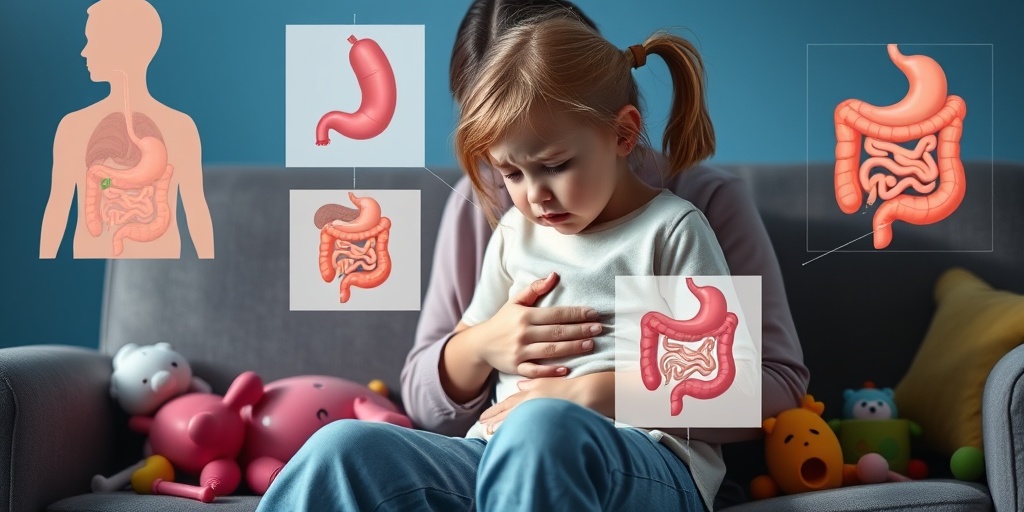
Hirschsprung’s Causes
Hirschsprung’s Disease is a congenital condition that affects the large intestine (colon) and causes problems with passing stool. Understanding the causes of this condition is crucial for early diagnosis and effective management. Let’s delve into the primary causes of Hirschsprung’s Disease.
Genetic Factors
One of the leading causes of Hirschsprung’s Disease is genetic mutations. This condition often occurs due to a lack of nerve cells (ganglia) in a segment of the colon, which is essential for bowel movements. The absence of these nerve cells is typically linked to genetic factors. Studies have shown that children with a family history of Hirschsprung’s are at a higher risk of developing the disease. Specific genes, such as RET, have been identified as playing a significant role in the development of this condition.
Developmental Issues During Pregnancy
Hirschsprung’s Disease occurs during fetal development when the nerve cells fail to migrate to the colon. This failure can lead to a segment of the intestine that lacks the necessary nerve cells, resulting in a blockage. Factors that may contribute to this developmental issue include:
- Maternal health conditions: Certain maternal health issues, such as diabetes or autoimmune diseases, may increase the risk.
- Environmental factors: Exposure to certain environmental toxins during pregnancy may also play a role.
Associated Conditions
Hirschsprung’s Disease is often associated with other congenital conditions. Children with this disease may also have:
- Down syndrome
- Congenital heart defects
- Other gastrointestinal disorders
These associations suggest that there may be a broader spectrum of developmental issues that can affect the nervous system and gastrointestinal tract.
Hirschsprung’s Risk Factors
Identifying the risk factors for Hirschsprung’s Disease can help in early detection and intervention. While the exact cause remains unclear, several factors can increase the likelihood of developing this condition.
Family History
As mentioned earlier, a family history of Hirschsprung’s Disease significantly increases the risk. If a sibling or parent has had the condition, the chances of another child being affected rise considerably. Genetic counseling may be beneficial for families with a history of this disease.
Gender
Research indicates that Hirschsprung’s Disease is more common in males than females. The ratio is approximately 4:1, meaning that for every four boys diagnosed, only one girl is affected. This gender disparity suggests that hormonal or genetic factors may influence the development of the disease.
Other Congenital Anomalies
Children born with other congenital anomalies are at a higher risk of developing Hirschsprung’s Disease. Conditions such as:
- Down syndrome
- Neurofibromatosis
- Congenital heart defects
These conditions often involve developmental issues that can affect the nervous system, increasing the likelihood of Hirschsprung’s.
Ethnicity
Studies have shown that certain ethnic groups may have a higher prevalence of Hirschsprung’s Disease. For instance, it appears to be more common in individuals of African descent compared to those of European or Asian descent. Understanding these demographic factors can aid in awareness and early diagnosis.
Maternal Age
Some research suggests that advanced maternal age may be a risk factor for Hirschsprung’s Disease. Women who are older when they give birth may have a higher likelihood of having a child with this condition, although the reasons for this correlation are still being studied.
In summary, while the exact causes of Hirschsprung’s Disease remain complex and multifactorial, understanding the risk factors can help in early detection and management. If you suspect that your child may have Hirschsprung’s Disease, it is essential to consult a healthcare professional for proper evaluation and guidance. 🩺

Hirschsprung’s Diagnosis
Diagnosing Hirschsprung’s Disease can be a complex process, as the symptoms often mimic those of other gastrointestinal disorders. This congenital condition affects the large intestine, leading to severe constipation or intestinal obstruction due to the absence of nerve cells in the bowel. Early diagnosis is crucial for effective management and treatment.
Recognizing Symptoms
Parents and caregivers should be vigilant for signs of Hirschsprung’s Disease in infants and children. Common symptoms include:
- Severe constipation: This is often the most noticeable symptom, where a child may struggle to pass stool.
- Abdominal swelling: A distended abdomen can indicate a blockage in the intestines.
- Vomiting: Frequent vomiting, especially if it is green or bilious, can be a sign of intestinal obstruction.
- Failure to thrive: Infants may not gain weight or grow as expected due to feeding difficulties.
- Diarrhea: In some cases, children may experience watery stools, which can occur due to overflow from the obstructed bowel.
Diagnostic Tests
If Hirschsprung’s Disease is suspected, healthcare providers will typically conduct several tests to confirm the diagnosis:
- Physical examination: A thorough examination can reveal signs of abdominal distension and other symptoms.
- X-rays: Abdominal X-rays can help visualize blockages in the intestines.
- Contrast enema: This test involves filling the colon with a contrast material to highlight abnormalities on X-ray images.
- Rectal biopsy: The definitive test for Hirschsprung’s Disease is a biopsy of the rectal tissue, which can confirm the absence of nerve cells.
Early diagnosis is essential, as untreated Hirschsprung’s Disease can lead to serious complications, including enterocolitis, a potentially life-threatening infection of the intestines. If you notice any concerning symptoms in your child, consult a healthcare professional promptly. 🩺
Hirschsprung’s Treatment Options
Treatment for Hirschsprung’s Disease primarily involves surgical intervention, as this condition cannot be managed effectively with medication alone. The goal of treatment is to remove the affected portion of the colon and restore normal bowel function.
Surgical Procedures
There are a few surgical options available, depending on the severity of the condition and the age of the patient:
- Pull-through surgery: This is the most common procedure for Hirschsprung’s Disease. The surgeon removes the diseased segment of the colon and connects the healthy part to the rectum. This surgery is usually performed in infancy or early childhood.
- Colostomy: In some cases, a temporary colostomy may be necessary. This involves creating an opening in the abdomen to divert stool into a bag while the child grows and prepares for the pull-through surgery.
Non-Surgical Options
While surgery is the primary treatment for Hirschsprung’s Disease, some non-surgical options may help manage symptoms, especially in mild cases:
- Dietary changes: A high-fiber diet can help alleviate constipation and promote regular bowel movements.
- Medications: Laxatives or stool softeners may be prescribed to ease bowel movements, but these are typically temporary measures.
Post-Surgery Care
After surgery, children will require careful monitoring and follow-up care. It’s essential to watch for any signs of complications, such as:
- Infection: Look for redness, swelling, or discharge at the surgical site.
- Changes in bowel habits: Any new symptoms should be reported to a healthcare provider.
With appropriate treatment and care, most children with Hirschsprung’s Disease can lead healthy, active lives. Regular follow-ups with a pediatric gastroenterologist are crucial to ensure ongoing health and development. 🌟

Hirschsprung’s Complications
Hirschsprung’s Disease is a congenital condition that affects the large intestine, leading to difficulties in passing stool. While early diagnosis and treatment can significantly improve outcomes, there are potential complications that can arise if the condition is not managed properly. Understanding these complications is crucial for both patients and caregivers.
1. Intestinal Obstruction
One of the most common complications of Hirschsprung’s Disease is intestinal obstruction. This occurs when the affected segment of the colon is unable to move stool along the digestive tract. Symptoms may include:
- Severe abdominal pain
- Swelling of the abdomen
- Vomiting
- Infrequent or absent bowel movements
If left untreated, intestinal obstruction can lead to serious health issues, including bowel perforation, which is a medical emergency. 🚨
2. Enterocolitis
Enterocolitis is another serious complication that can occur in children with Hirschsprung’s Disease. This condition involves inflammation of the intestines and can lead to severe diarrhea, fever, and abdominal distension. It is essential to recognize the symptoms early and seek medical attention, as enterocolitis can be life-threatening if not treated promptly.
3. Fecal Incontinence
Even after surgical treatment, some individuals may experience fecal incontinence, which is the inability to control bowel movements. This can be due to nerve damage or changes in bowel function. Patients may require additional therapies, such as biofeedback or medications, to manage this complication effectively.
4. Growth and Nutritional Issues
Children with Hirschsprung’s Disease may face growth and nutritional challenges due to chronic constipation or malabsorption. It’s vital for caregivers to monitor growth patterns and nutritional intake closely. A dietitian can help create a balanced diet that supports healthy growth and development. 🥦🍎
Hirschsprung’s Long-Term Outlook
The long-term outlook for individuals with Hirschsprung’s Disease has improved significantly with advancements in medical treatment and surgical techniques. However, the prognosis can vary based on several factors, including the extent of the disease and the age at which treatment is initiated.
1. Surgical Outcomes
Most children with Hirschsprung’s Disease undergo surgery to remove the affected portion of the colon. The success of this surgery often leads to a significant improvement in bowel function. Many children can achieve normal bowel habits, but some may still experience challenges, such as:
- Constipation
- Fecal incontinence
- Abdominal pain
Regular follow-ups with healthcare providers are essential to monitor these issues and adjust treatment plans as necessary.
2. Quality of Life
With appropriate management, many individuals with Hirschsprung’s Disease can lead fulfilling lives. Quality of life can be significantly enhanced through supportive therapies, including:
- Physical therapy
- Dietary modifications
- Psychological support
These interventions can help address any lingering issues related to bowel function and overall well-being. 🌟
3. Transitioning to Adulthood
For those diagnosed with Hirschsprung’s Disease in childhood, transitioning to adulthood can present unique challenges. Adults may experience ongoing gastrointestinal issues, and it is crucial for them to maintain regular check-ups with a gastroenterologist. Understanding the condition and its implications can empower individuals to advocate for their health effectively.
4. Support and Resources
Support groups and resources are available for individuals and families affected by Hirschsprung’s Disease. Connecting with others who share similar experiences can provide emotional support and practical advice. Organizations dedicated to gastrointestinal health can also offer valuable information and resources. 🤝
In conclusion, while Hirschsprung’s Disease can lead to various complications, early diagnosis and comprehensive treatment can significantly improve long-term outcomes. With the right support and management, individuals can thrive and enjoy a good quality of life.

Frequently Asked Questions about Hirschsprung’s Disease
What is Hirschsprung’s Disease?
Hirschsprung’s Disease is a congenital condition that affects the large intestine (colon) and causes problems with passing stool. It occurs when nerve cells (ganglion cells) are absent in a segment of the bowel, leading to a blockage due to the inability of the affected segment to relax.
What are the symptoms of Hirschsprung’s Disease?
Common symptoms of Hirschsprung’s Disease include:
- Severe constipation or inability to pass stool
- Swollen abdomen
- Vomiting, which may include bile
- Failure to thrive in infants
- Diarrhea in older children
Can adults have Hirschsprung’s Disease?
Yes, while Hirschsprung’s Disease is typically diagnosed in infants, some adults may have undiagnosed cases. Symptoms in adults can include chronic constipation, abdominal pain, and bloating.
What are the treatment options for Hirschsprung’s Disease?
The primary treatment for Hirschsprung’s Disease is surgery to remove the affected portion of the colon. In some cases, non-surgical treatments may help manage symptoms, but surgery is often necessary for a permanent solution.
Is there a way to treat Hirschsprung’s Disease without surgery?
While surgery is the definitive treatment for Hirschsprung’s Disease, some non-surgical management strategies may include:
- Dietary changes to ease constipation
- Medications to stimulate bowel movements
- Regular bowel regimen to promote regularity
However, these methods do not cure the condition and are typically used as temporary measures.
What is the ICD-10 code for Hirschsprung’s Disease?
The ICD-10 code for Hirschsprung’s Disease is Q43.1. This code is used for medical billing and documentation purposes.
How do you pronounce Hirschsprung’s Disease?
The pronunciation of Hirschsprung’s Disease is “Hirsh-sproong’s.” It can be helpful to break it down into syllables for easier pronunciation.
What role does radiology play in diagnosing Hirschsprung’s Disease?
Radiology can assist in diagnosing Hirschsprung’s Disease through imaging studies such as X-rays or contrast enemas, which can reveal the presence of a blockage in the colon.
What should I do if I suspect my child has Hirschsprung’s Disease?
If you suspect that your child may have Hirschsprung’s Disease, it is important to consult a healthcare professional for an accurate diagnosis and appropriate management. Early intervention can lead to better outcomes.