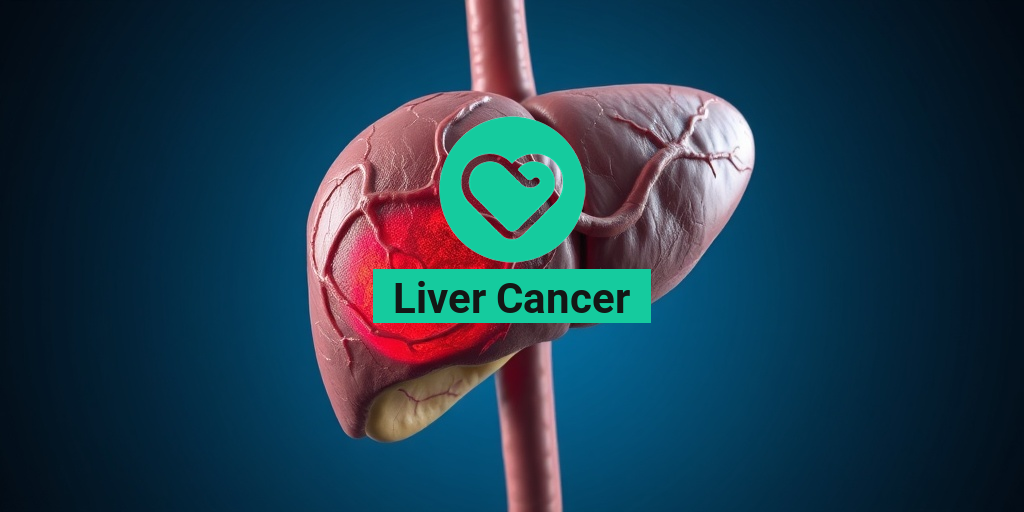
What Is Liver Cancer?
Liver cancer, also known as hepatocellular carcinoma (HCC), is a type of cancer that originates in the liver, one of the body’s vital organs responsible for various functions, including detoxification, protein synthesis, and the production of biochemicals necessary for digestion. This form of cancer is particularly concerning because it often develops in individuals with chronic liver diseases, such as cirrhosis or hepatitis B and C infections.
Globally, liver cancer ranks as the sixth most common cancer and the fourth leading cause of cancer-related deaths. Understanding liver cancer is crucial for early detection and effective treatment. The disease can be classified into several stages, which helps determine the most appropriate treatment options and the overall prognosis for the patient.
Types of Liver Cancer
There are several types of liver cancer, but the most common include:
- Hepatocellular Carcinoma (HCC): This is the most prevalent form, accounting for about 75% of liver cancer cases.
- Cholangiocarcinoma: Also known as bile duct cancer, this type arises in the bile ducts within or outside the liver.
- Hepatoblastoma: A rare type of liver cancer that primarily affects children.
Risk Factors for Liver Cancer
Several factors can increase the risk of developing liver cancer, including:
- Chronic Viral Hepatitis: Infection with hepatitis B or C viruses significantly raises the risk.
- Cirrhosis: Scarring of the liver due to alcohol abuse, fatty liver disease, or other conditions can lead to liver cancer.
- Obesity: Excess body weight is linked to an increased risk of liver cancer.
- Diabetes: Individuals with diabetes may have a higher risk of developing liver cancer.
Understanding these risk factors can help in taking preventive measures and seeking early medical advice if necessary.
Liver Cancer Symptoms
Recognizing the symptoms of liver cancer is vital for early diagnosis and treatment. Unfortunately, the symptoms often do not appear until the disease is advanced. Here are some common symptoms to watch for:
Common Symptoms of Liver Cancer
- Unexplained Weight Loss: Sudden weight loss without trying can be a significant warning sign.
- Loss of Appetite: A noticeable decrease in appetite may occur.
- Abdominal Pain: Persistent pain in the upper right side of the abdomen can indicate liver issues.
- Fatigue: Chronic tiredness that doesn’t improve with rest is a common symptom.
- Jaundice: Yellowing of the skin and eyes can signal liver dysfunction.
- Swelling: Fluid buildup in the abdomen (ascites) or swelling in the legs can occur.
Symptoms in Women
While liver cancer symptoms can be similar for both genders, women may experience additional symptoms, such as:
- Menstrual Changes: Irregularities in menstrual cycles can occur.
- Hormonal Changes: Symptoms related to hormonal imbalances may be more pronounced.
If you or someone you know is experiencing these symptoms, it is crucial to consult a healthcare professional for a thorough evaluation. Early detection can significantly improve the survival rate and overall prognosis for liver cancer patients.
For more information on liver cancer and its management, consider visiting Yesil Health AI, a valuable resource for evidence-based health answers. Remember, knowledge is power when it comes to health!
Liver Cancer Risk Factors
Liver cancer, particularly hepatocellular carcinoma, is a serious health concern that affects thousands of individuals each year. Understanding the risk factors associated with liver cancer can help in early detection and prevention. Here are some of the most significant risk factors:
Chronic Liver Diseases
Individuals with chronic liver diseases are at a higher risk of developing liver cancer. Conditions such as:
- Hepatitis B and C: These viral infections can lead to chronic inflammation and liver damage, increasing the likelihood of cancer.
- Cirrhosis: This condition, often resulting from long-term liver damage, can significantly elevate the risk of liver cancer.
Alcohol Consumption
Excessive alcohol consumption is another major risk factor. Chronic alcohol abuse can lead to liver cirrhosis, which is a precursor to liver cancer. It’s essential to limit alcohol intake to reduce this risk.
Obesity and Diabetes
Obesity and type 2 diabetes are increasingly recognized as significant risk factors for liver cancer. The accumulation of fat in the liver can lead to non-alcoholic fatty liver disease (NAFLD), which may progress to cirrhosis and subsequently liver cancer.
Exposure to Aflatoxins
Aflatoxins are toxic compounds produced by certain molds that can contaminate food supplies, particularly grains and nuts. Long-term exposure to aflatoxins is linked to an increased risk of liver cancer, especially in regions where food safety regulations are lax.
Family History
A family history of liver cancer can also increase an individual’s risk. Genetic predispositions may play a role, making it crucial for those with a family history to undergo regular screenings.
Age and Gender
Age is a significant factor, as liver cancer is more common in individuals over the age of 55. Additionally, men are more likely to develop liver cancer than women, which may be attributed to higher rates of hepatitis infections and alcohol consumption among males.
Liver Cancer Causes
Understanding the causes of liver cancer is vital for prevention and early intervention. While the exact cause can vary from person to person, several key factors contribute to the development of this disease:
Viral Infections
Chronic infections with hepatitis B and C viruses are among the leading causes of liver cancer worldwide. These viruses can cause long-term liver inflammation and damage, leading to cancerous changes in liver cells.
Cirrhosis
Cirrhosis, which can result from various factors such as chronic alcohol abuse, hepatitis infections, and fatty liver disease, is a significant cause of liver cancer. The scar tissue formed in the liver disrupts normal liver function and increases the risk of cancer development.
Metabolic Disorders
Conditions like hemochromatosis (excess iron accumulation) and Wilson’s disease (copper accumulation) can lead to liver damage and increase the risk of liver cancer. These metabolic disorders can cause chronic inflammation and cirrhosis over time.
Environmental Factors
Exposure to certain chemicals and toxins, such as vinyl chloride and arsenic, has been linked to an increased risk of liver cancer. Occupational exposure to these substances can pose significant health risks.
Diet and Lifestyle Choices
Poor dietary habits, such as a diet high in processed foods and low in fruits and vegetables, can contribute to obesity and liver disease, increasing the risk of liver cancer. Maintaining a healthy lifestyle, including regular exercise and a balanced diet, is crucial for liver health.
Genetic Factors
Genetic predispositions can also play a role in liver cancer development. Certain inherited conditions may increase the risk, making it essential for individuals with a family history of liver cancer to discuss screening options with their healthcare provider.
By understanding the risk factors and causes of liver cancer, individuals can take proactive steps to reduce their risk and promote better liver health. Regular check-ups and screenings are vital for early detection and effective management of liver-related conditions. 🌟
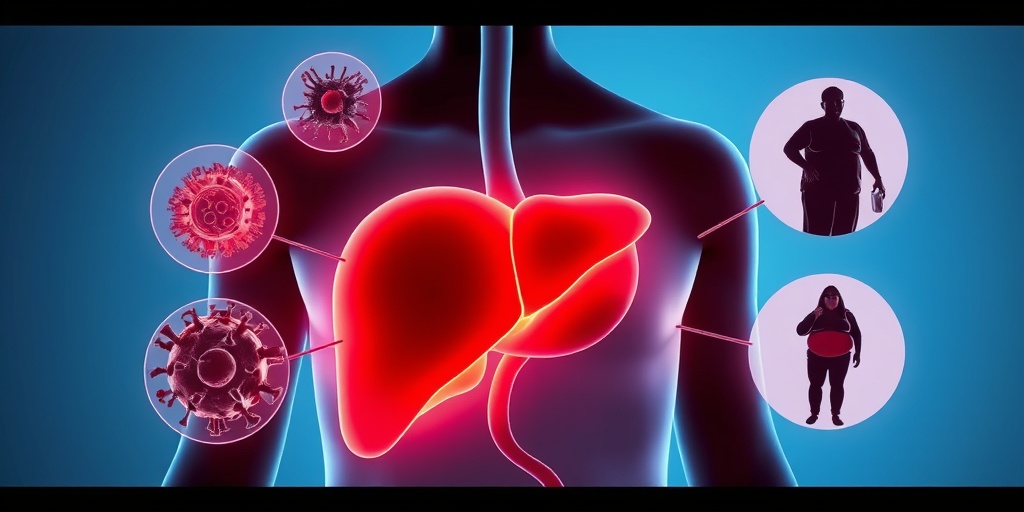
Liver Cancer Diagnosis
Diagnosing liver cancer can be a complex process, as the symptoms often mimic those of other liver diseases. Early detection is crucial for effective treatment, so understanding the diagnostic methods is essential.
Common Symptoms to Watch For
Many individuals may not experience noticeable symptoms in the early stages of liver cancer. However, as the disease progresses, some common symptoms may include:
- Unexplained weight loss: Losing weight without trying can be a significant indicator.
- Loss of appetite: A sudden decrease in hunger can signal underlying issues.
- Abdominal pain: Discomfort or pain in the upper right side of the abdomen may occur.
- Jaundice: Yellowing of the skin and eyes is a classic symptom of liver problems.
- Fatigue: Persistent tiredness that doesn’t improve with rest can be a warning sign.
Diagnostic Tests for Liver Cancer
If liver cancer is suspected, healthcare providers will typically recommend a series of tests to confirm the diagnosis:
- Blood Tests: These tests check for liver function and the presence of tumor markers, such as alpha-fetoprotein (AFP).
- Imaging Tests: Techniques like ultrasound, CT scans, and MRIs help visualize the liver and identify any tumors.
- Biopsy: In some cases, a small sample of liver tissue may be taken for examination under a microscope to confirm cancer.
It’s important to consult with a healthcare professional if you experience any of the symptoms mentioned above. Early diagnosis can significantly improve the liver cancer survival rate and overall prognosis.
Liver Cancer Staging
Once diagnosed, determining the stage of liver cancer is crucial for developing an effective treatment plan. Staging refers to the extent of cancer in the body and helps guide treatment options.
Understanding the Staging System
Liver cancer is typically staged using the TNM system, which considers three key factors:
- T (Tumor): This indicates the size of the primary tumor and whether it has invaded nearby tissues.
- N (Nodes): This assesses whether the cancer has spread to nearby lymph nodes.
- M (Metastasis): This determines if the cancer has spread to distant parts of the body.
Stages of Liver Cancer
Liver cancer is classified into several stages, which can be summarized as follows:
- Stage I: The cancer is small and localized within the liver.
- Stage II: The tumor may be larger or there may be multiple tumors, but they are still confined to the liver.
- Stage III: The cancer has spread to nearby blood vessels or lymph nodes.
- Stage IV: This is the most advanced stage, where cancer has spread to distant organs.
Understanding the stage of liver cancer is vital for determining the appropriate treatment options, which may include surgery, chemotherapy, or targeted therapies. Each stage presents unique challenges and considerations for both patients and healthcare providers.
In conclusion, early diagnosis and accurate staging are critical components in the fight against liver cancer. If you or someone you know is experiencing symptoms or has risk factors for liver cancer, seeking medical advice promptly can make a significant difference in outcomes. 🌟
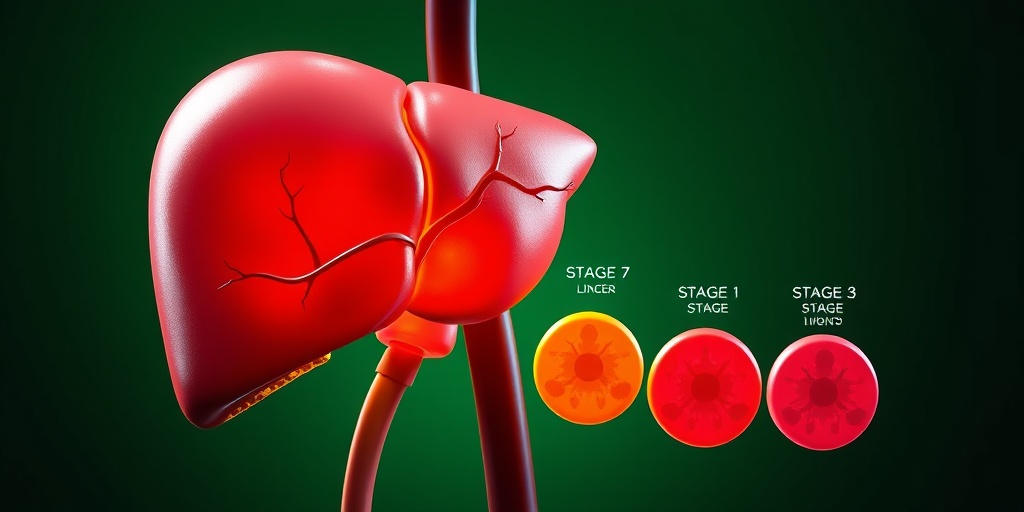
Liver Cancer Treatment Options
Liver cancer, a serious condition that affects thousands of individuals each year, requires a comprehensive approach to treatment. Understanding the various liver cancer treatment options available can empower patients and their families to make informed decisions. Here, we explore the most common treatment modalities for liver cancer.
Surgery
Surgery is often the first line of treatment for liver cancer, especially in its early stages. The two primary surgical options include:
- Liver Resection: This involves the surgical removal of the tumor along with a margin of healthy liver tissue. It is typically recommended for patients with a single tumor and good liver function.
- Liver Transplant: In cases where the cancer is confined to the liver and the patient has underlying liver disease, a transplant may be the best option. This procedure replaces the diseased liver with a healthy one from a donor.
Localized Treatments
For patients who may not be candidates for surgery, localized treatments can be effective. These include:
- Ablation: Techniques such as radiofrequency ablation (RFA) or microwave ablation destroy cancer cells using heat.
- Embolization: This involves blocking the blood supply to the tumor, effectively starving it of nutrients. Transarterial chemoembolization (TACE) is a common method used.
Systemic Treatments
Systemic treatments involve medications that circulate throughout the body. These include:
- Chemotherapy: While not as effective for liver cancer as for other types, some patients may receive chemotherapy to shrink tumors before surgery.
- Targeted Therapy: Drugs like sorafenib and lenvatinib target specific pathways involved in cancer growth and can be used for advanced liver cancer.
- Immunotherapy: This innovative approach helps the body’s immune system recognize and attack cancer cells. Nivolumab and pembrolizumab are examples of immunotherapy drugs being studied for liver cancer.
Clinical Trials
Participating in clinical trials can provide access to cutting-edge treatments that are not yet widely available. These trials often explore new drugs, combinations of therapies, or novel approaches to treatment. Discussing clinical trial options with a healthcare provider can be a valuable step in the treatment journey.
Liver Cancer Prevention
Preventing liver cancer is a crucial aspect of maintaining liver health. While not all cases can be prevented, there are several strategies that can significantly reduce the risk of developing this disease.
Maintain a Healthy Lifestyle
Adopting a healthy lifestyle is one of the most effective ways to lower the risk of liver cancer. Here are some key components:
- Balanced Diet: Eating a diet rich in fruits, vegetables, whole grains, and lean proteins can support liver health. Avoiding processed foods and excessive sugar is also beneficial.
- Regular Exercise: Engaging in regular physical activity helps maintain a healthy weight and reduces the risk of liver disease.
- Avoid Alcohol: Excessive alcohol consumption is a major risk factor for liver cancer. Limiting alcohol intake or abstaining altogether can significantly lower your risk.
Vaccination and Screening
Preventive measures such as vaccination and regular screening can also play a vital role:
- Hepatitis B Vaccine: Since chronic hepatitis B infection is a leading cause of liver cancer, vaccination can help prevent this virus.
- Hepatitis C Screening: Early detection and treatment of hepatitis C can prevent liver damage and reduce the risk of cancer.
Manage Underlying Conditions
Conditions such as cirrhosis, fatty liver disease, and diabetes can increase the risk of liver cancer. Managing these conditions through regular medical care and lifestyle changes is essential. Working closely with healthcare providers to monitor and treat these issues can help mitigate risks.
By understanding the treatment options and implementing effective prevention strategies, individuals can take proactive steps towards liver health and reduce their risk of liver cancer. 🌟

Frequently Asked Questions about Liver Cancer
What are the common symptoms of liver cancer? 🤔
Common symptoms of liver cancer may include:
- Unexplained weight loss
- Loss of appetite
- Abdominal pain or discomfort
- Fatigue and weakness
- Nausea and vomiting
- Jaundice (yellowing of the skin and eyes)
What causes liver cancer? 🦠
The causes of liver cancer can vary, but some common factors include:
- Chronic viral hepatitis (Hepatitis B and C)
- Cirrhosis of the liver
- Excessive alcohol consumption
- Obesity and diabetes
- Exposure to aflatoxins (toxins produced by certain molds)
What are the treatment options for liver cancer? 💊
Treatment for liver cancer may include:
- Surgery (partial hepatectomy or liver transplant)
- Radiofrequency ablation
- Chemotherapy
- Targeted therapy
- Immunotherapy
What is the survival rate for liver cancer? 📊
The survival rate for liver cancer can depend on various factors, including the stage at diagnosis and overall health. Generally, the 5-year survival rate is:
- Localized stage: about 31%
- Regional stage: about 11%
- Distant stage: about 3%
What is the life expectancy for someone with liver cancer? ⏳
Life expectancy can vary significantly based on the stage of the disease, treatment options, and individual health factors. Early detection and treatment can improve outcomes.
What is the prognosis for liver cancer? 🔍
The prognosis for liver cancer depends on several factors, including:
- Stage of cancer at diagnosis
- Response to treatment
- Overall health and liver function
Are there different stages of liver cancer? 📅
Yes, liver cancer is typically classified into stages, which help determine treatment options and prognosis. The stages range from early (stage I) to advanced (stage IV), with each stage indicating the extent of cancer spread.