What Is Teen Substance Abuse?
Teen substance abuse refers to the harmful or hazardous use of psychoactive substances, including alcohol and illicit drugs, by adolescents. This issue is increasingly prevalent in today’s society, affecting not only the individuals involved but also their families and communities. Understanding what constitutes teen substance abuse is crucial for early intervention and effective treatment.
During adolescence, young people undergo significant physical, emotional, and social changes. These changes can lead to experimentation with substances as they seek to fit in, cope with stress, or simply explore their identities. However, when this experimentation escalates into regular use or dependency, it becomes a serious concern.
The Scope of the Problem
According to recent statistics, a significant percentage of teens have reported using substances at least once. This includes alcohol, marijuana, prescription medications, and other illicit drugs. The teen substance abuse statistics reveal alarming trends, with many teens starting to use substances as early as middle school. This early onset can lead to long-term consequences, including addiction, mental health issues, and academic struggles.
Why Do Teens Abuse Substances?
Several factors contribute to teen substance abuse, including:
- Peer Pressure: The desire to fit in with friends can lead teens to experiment with drugs and alcohol.
- Stress and Anxiety: Many teens face academic pressures, family issues, and social challenges that can drive them to seek relief through substances.
- Curiosity: Adolescents are naturally curious and may want to explore the effects of drugs and alcohol.
- Family History: A family history of substance abuse can increase the likelihood of a teen developing similar issues.
Recognizing these factors is essential for parents, educators, and healthcare providers to help prevent and address substance abuse in teens.
Signs of Substance Abuse in Teens
Identifying teen substance abuse can be challenging, as many signs may overlap with typical adolescent behavior. However, being aware of the warning signs can help parents and guardians intervene early. Here are some common indicators:
Behavioral Changes
One of the most noticeable signs of substance abuse is a change in behavior. This can include:
- Withdrawal: A teen may isolate themselves from family and friends, preferring to spend time alone.
- Decline in Academic Performance: A sudden drop in grades or loss of interest in school activities can be a red flag.
- Changes in Social Circles: New friends who engage in substance use can influence a teen’s behavior.
Physical Signs
Physical symptoms can also indicate substance abuse. Look for:
- Changes in Appearance: Neglecting personal hygiene or a sudden change in style can be a sign.
- Unusual Smells: The smell of alcohol, marijuana, or other drugs can be a clear indicator.
- Health Issues: Frequent nosebleeds, coughing, or changes in appetite may suggest substance use.
Emotional and Mental Health Signs
Substance abuse can significantly impact a teen’s emotional and mental health. Signs to watch for include:
- Increased Irritability: Mood swings or increased anger can be a response to substance use.
- Depression or Anxiety: Substance abuse often co-occurs with mental health issues.
- Risky Behavior: Engaging in dangerous activities, such as driving under the influence, is a serious concern.
If you notice these signs in your teen, it’s essential to approach the situation with care and understanding. Open communication can encourage them to share their struggles and seek help.
Seeking Help
If you suspect your teen is struggling with substance abuse, consider reaching out for professional help. There are numerous teen substance abuse treatment programs available, including counseling and rehabilitation services. Resources like Yesil Health AI can provide evidence-based information and guidance on finding the right treatment options.
Addressing teen substance abuse early can lead to better outcomes and help your teen develop healthier coping mechanisms. Remember, you are not alone in this journey, and support is available. 🌟

Common Substances Abused by Teens
Teen substance abuse is a growing concern that affects not only the individuals involved but also their families and communities. Understanding the common substances that teens abuse can help parents, educators, and healthcare providers identify and address these issues early on. Here are some of the most frequently abused substances among teenagers:
1. Alcohol
Alcohol remains one of the most widely abused substances among teens. Many young people perceive it as a socially acceptable way to have fun, often leading to binge drinking. According to recent statistics, about 30% of high school students reported consuming alcohol in the past month. This can result in serious health risks, including impaired judgment and increased likelihood of accidents.
2. Marijuana
Marijuana is another substance that is commonly used by teens. With the increasing legalization and normalization of cannabis in various regions, many teens believe it is harmless. However, studies show that regular marijuana use can negatively impact cognitive development and lead to dependency issues.
3. Prescription Medications
Prescription drugs, particularly opioids, stimulants, and anti-anxiety medications, are increasingly being misused by teenagers. Many teens believe that because these medications are prescribed by doctors, they are safe to use recreationally. This misconception can lead to dangerous consequences, including addiction and overdose.
4. Nicotine and Vaping Products
The rise of vaping has introduced a new wave of nicotine use among teens. Many young people are drawn to flavored e-cigarettes, often unaware of the health risks associated with nicotine addiction. Data indicates that nearly 20% of high school students reported using e-cigarettes, making it a significant concern for public health.
5. Cocaine and Other Stimulants
While less common than alcohol or marijuana, cocaine and other stimulants are still abused by some teens. These substances can lead to severe health issues, including heart problems and mental health disorders. The allure of increased energy and euphoria can be tempting, but the risks far outweigh the benefits.
6. Hallucinogens
Hallucinogens, such as LSD and psilocybin mushrooms, are also used by some teenagers. These substances can cause profound changes in perception and mood, leading to unpredictable behavior and potential psychological issues. Awareness of the dangers associated with these drugs is crucial for prevention efforts.
Causes of Teen Substance Abuse
Understanding the causes of teen substance abuse is essential for developing effective prevention and intervention strategies. Various factors contribute to why teenagers may turn to drugs or alcohol, including:
1. Peer Pressure
One of the most significant influences on teen behavior is peer pressure. Teens often feel compelled to fit in with their friends, which can lead them to experiment with substances. The desire to be accepted can override their better judgment, making them more susceptible to trying drugs or alcohol.
2. Family Dynamics
The family environment plays a crucial role in a teen’s likelihood of substance abuse. Teens from families with a history of substance abuse or those experiencing dysfunction, such as divorce or neglect, may be more inclined to use drugs as a coping mechanism. Supportive family relationships can act as a protective factor against substance abuse.
3. Mental Health Issues
Many teens struggle with mental health issues, such as anxiety, depression, or ADHD. These conditions can lead them to self-medicate with substances to alleviate their symptoms. Addressing mental health needs is vital in preventing substance abuse among teenagers.
4. Stress and Academic Pressure
Today’s teens face immense pressure to succeed academically and socially. This stress can lead some to seek relief through substance use. Whether it’s to cope with school-related anxiety or social expectations, the need to escape can drive teens toward drugs and alcohol.
5. Lack of Awareness
Many teens may not fully understand the risks associated with substance use. A lack of education about the dangers of drugs and alcohol can lead to experimentation. Comprehensive education programs that inform teens about the consequences of substance abuse are essential for prevention.
6. Accessibility
The availability of substances can significantly influence teen usage rates. If drugs and alcohol are easily accessible, teens are more likely to experiment. Communities must work together to limit access to these substances and promote healthier alternatives.
By understanding the common substances abused by teens and the underlying causes of substance abuse, we can better equip ourselves to support and guide young people toward healthier choices. 🌟
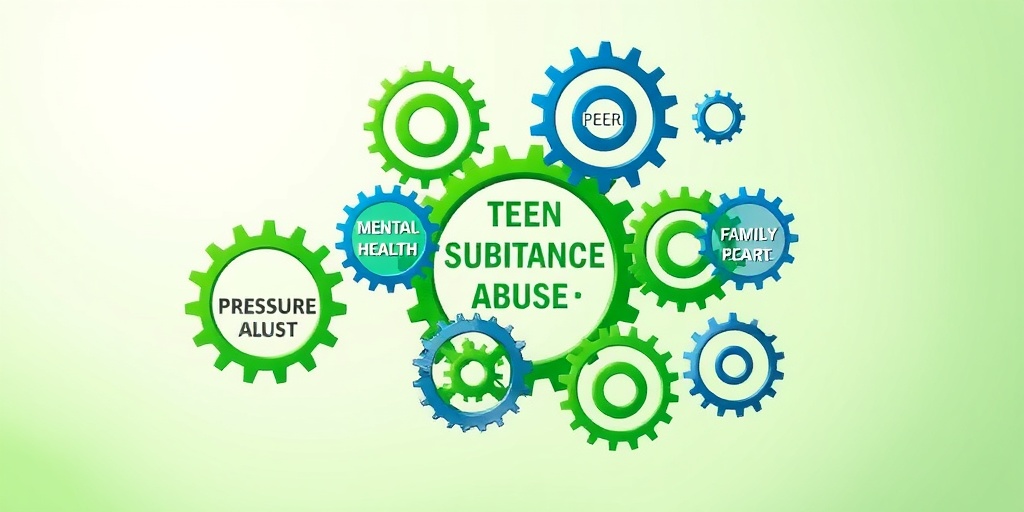
Impact on Teen Mental Health
Teen substance abuse is a pressing issue that can have profound effects on mental health. As adolescents navigate the tumultuous years of growth and self-discovery, the introduction of drugs or alcohol can lead to a myriad of psychological challenges.
Understanding the Connection
Substance abuse during the teenage years can significantly alter brain development. The teenage brain is still maturing, particularly in areas responsible for decision-making, impulse control, and emotional regulation. When substances are introduced, they can disrupt this natural development, leading to:
- Increased Anxiety and Depression: Many teens turn to substances as a coping mechanism, but this often exacerbates underlying mental health issues.
- Higher Risk of Mood Disorders: Substance abuse can lead to mood swings, irritability, and even long-term mood disorders.
- Social Isolation: Teens struggling with substance abuse may withdraw from friends and family, leading to feelings of loneliness and despair.
Long-Term Consequences
The impact of teen substance abuse on mental health can extend well into adulthood. Studies show that individuals who abused substances during their teenage years are at a higher risk for:
- Chronic Mental Health Issues: Conditions such as anxiety disorders, depression, and bipolar disorder can persist long after substance use has ceased.
- Increased Risk of Addiction: Early exposure to drugs or alcohol can lead to a higher likelihood of developing substance use disorders later in life.
- Impaired Academic and Occupational Performance: Mental health struggles can hinder academic achievement and job performance, leading to a cycle of failure and frustration.
Recognizing the signs of substance abuse is crucial for early intervention. Parents and guardians should be vigilant for changes in behavior, mood swings, and declining academic performance, as these can be indicators of deeper issues related to substance use.
Prevention Strategies for Parents
Preventing teen substance abuse requires a proactive approach from parents and guardians. Here are some effective strategies to help keep your teen safe and healthy:
Open Communication
Establishing a strong line of communication is essential. Encourage your teen to talk about their feelings, experiences, and peer pressures. Here are some tips:
- Listen Actively: Show genuine interest in what your teen has to say without judgment.
- Discuss Substance Use: Talk openly about the risks associated with drugs and alcohol, using age-appropriate language.
- Share Personal Stories: If applicable, share your own experiences with substance use to provide context and understanding.
Set Clear Expectations
Establishing clear rules and expectations regarding substance use can help deter risky behaviors. Consider the following:
- Define Consequences: Make sure your teen understands the consequences of substance use, both at home and in broader society.
- Encourage Healthy Activities: Promote involvement in sports, arts, or community service to provide positive outlets for energy and creativity.
- Be a Role Model: Demonstrate healthy behaviors and coping mechanisms in your own life.
Educate About Peer Pressure
Peer pressure is a significant factor in teen substance abuse. Equip your teen with strategies to handle these situations:
- Role-Playing Scenarios: Practice responses to peer pressure in a safe environment.
- Encourage Assertiveness: Teach your teen to say no confidently and to seek out supportive friends who share their values.
- Discuss the Importance of Choice: Reinforce that they have the power to make their own decisions, regardless of what others may think.
By implementing these prevention strategies, parents can play a crucial role in reducing the risk of teen substance abuse and fostering a supportive environment for their children. Remember, early intervention and open dialogue can make all the difference in a teen’s life. 🌟

Treatment Options for Teens
When it comes to teen substance abuse, early intervention is crucial. Understanding the various treatment options available can empower parents and guardians to make informed decisions. Here’s a breakdown of the most effective treatment options for teens struggling with substance abuse.
1. Outpatient Treatment Programs
Outpatient treatment programs are designed for teens who do not require 24-hour supervision. These programs allow teens to attend therapy sessions while continuing their daily activities, such as school and work. Outpatient treatment typically includes:
- Individual Counseling: One-on-one sessions with a licensed therapist to address personal issues related to substance use.
- Group Therapy: Sessions with peers facing similar challenges, providing support and shared experiences.
- Family Therapy: Involving family members in the treatment process to improve communication and support systems.
2. Inpatient Treatment Programs
For teens with severe substance abuse issues, inpatient treatment may be necessary. This type of program provides a structured environment where teens can focus solely on their recovery. Key features include:
- 24/7 Supervision: Constant monitoring by healthcare professionals ensures safety and support.
- Comprehensive Care: Access to medical care, therapy, and educational support all in one location.
- Detoxification: Medical assistance to safely manage withdrawal symptoms if necessary.
3. Therapeutic Boarding Schools
Therapeutic boarding schools combine education with treatment for substance abuse. These schools provide a structured environment where teens can receive academic instruction while participating in therapy and recovery programs. Benefits include:
- Holistic Approach: Focus on emotional, physical, and educational development.
- Peer Support: Living with other teens who are also in recovery fosters a sense of community.
- Life Skills Training: Programs designed to teach essential skills for a successful future.
4. Support Groups
Support groups, such as Alcoholics Anonymous (AA) or Narcotics Anonymous (NA), can be beneficial for teens in recovery. These groups provide a safe space for sharing experiences and receiving encouragement from others who understand the challenges of substance abuse. Many communities also offer specific support groups for teens, which can be found by searching for teen substance abuse counseling near me.
Supporting Recovery in Teens
Supporting a teen through recovery from substance abuse is a multifaceted process that requires patience, understanding, and active involvement. Here are some effective strategies to help your teen on their journey to recovery.
1. Open Communication
Establishing open lines of communication is vital. Encourage your teen to express their feelings and concerns without fear of judgment. This can help build trust and make them feel supported. Here are some tips for effective communication:
- Listen Actively: Show genuine interest in what your teen has to say.
- Avoid Blame: Focus on understanding rather than criticizing their choices.
- Be Patient: Recovery is a process, and your teen may need time to open up.
2. Encourage Healthy Activities
Engaging in healthy activities can provide a positive outlet for your teen. Encourage them to participate in:
- Sports: Physical activity can boost mood and reduce stress.
- Arts and Crafts: Creative expression can be therapeutic.
- Volunteering: Helping others can foster a sense of purpose and community.
3. Set Boundaries and Expectations
Establishing clear boundaries and expectations can help your teen understand the importance of accountability in their recovery. Make sure to:
- Discuss Rules: Clearly outline household rules regarding substance use.
- Monitor Activities: Stay involved in your teen’s life and know their friends and activities.
- Encourage Responsibility: Help them take ownership of their recovery journey.
4. Seek Professional Help
Don’t hesitate to seek professional help if needed. Therapists, counselors, and support groups can provide valuable resources and guidance. Searching for teen substance abuse treatment options in your area can lead you to the right support.
By understanding the treatment options available and actively supporting your teen’s recovery, you can play a crucial role in helping them overcome the challenges of substance abuse. Remember, recovery is a journey, and your support can make all the difference! 🌟

Frequently Asked Questions about Teen Substance Abuse
What is teen substance abuse?
Teen substance abuse refers to the harmful or hazardous use of psychoactive substances, including alcohol and illicit drugs, by adolescents. This behavior can lead to significant health, social, and legal issues.
What are the signs of substance abuse in teenagers?
- Changes in behavior or mood
- Decline in academic performance
- Withdrawal from family and friends
- Physical health issues, such as weight loss or poor hygiene
- Legal problems or trouble with authorities
What are the statistics on teen substance abuse?
According to recent studies, a significant percentage of teenagers experiment with drugs and alcohol. Teen substance abuse statistics indicate that early exposure can lead to long-term addiction and health problems.
What treatment options are available for teen substance abuse?
There are various teen substance abuse treatment options available, including:
- Inpatient rehabilitation programs
- Outpatient counseling and therapy
- Support groups and peer counseling
- Family therapy sessions
How can I find teen substance abuse programs near me?
To locate teen substance abuse programs near me, consider searching online for local treatment centers, consulting with healthcare providers, or contacting community organizations that specialize in adolescent health.
What role does counseling play in treating teen substance abuse?
Teen substance abuse counseling is crucial in helping adolescents understand their addiction, develop coping strategies, and rebuild their lives. Counselors provide support and guidance tailored to the unique challenges faced by teenagers.
Are there any resources for parents dealing with teen substance abuse?
Yes, there are numerous resources available for parents, including support groups, educational materials, and counseling services. Engaging with these resources can help parents better understand and address their child’s substance use.
How can I talk to my teen about substance abuse?
Approaching the topic of teen substance abuse can be challenging. It’s important to create a safe and open environment for discussion. Listen actively, express your concerns without judgment, and encourage your teen to share their feelings.
What are the long-term effects of teen substance abuse?
The long-term effects of teen substance abuse can include chronic health issues, mental health disorders, and difficulties in personal relationships and career development. Early intervention is key to preventing these outcomes.