What Are Hives?
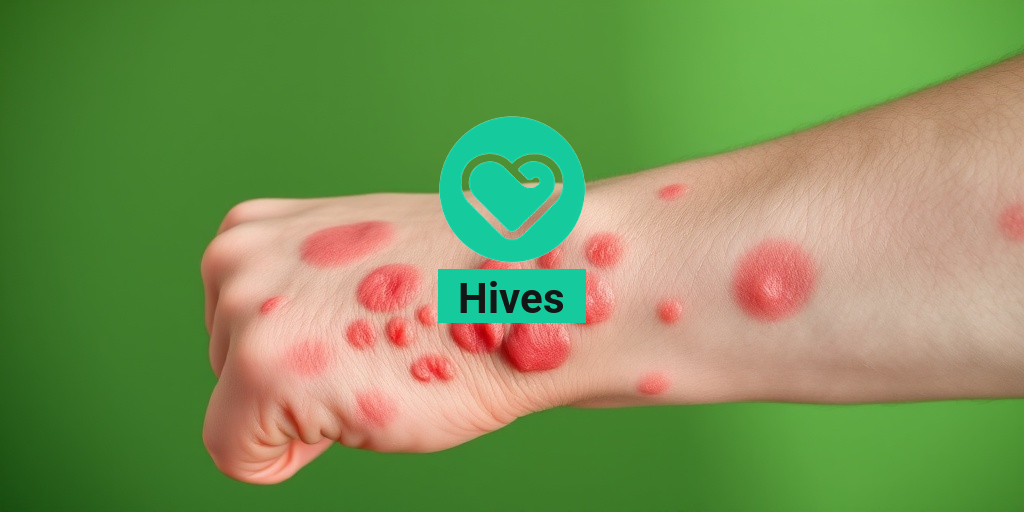
Hives, also known as urticaria, are raised, itchy welts that can appear on the skin. They can vary in size and shape, often changing rapidly. Hives can be triggered by a variety of factors, including allergies, stress, medications, and even certain foods. Understanding what hives are and how they manifest is crucial for effective management and treatment.
Types of Hives
Hives can be classified into two main types:
- Acute Hives: These hives last less than six weeks and are often caused by allergic reactions to food, medications, or insect stings.
- Chronic Hives: These persist for six weeks or longer and may have no identifiable cause. Chronic hives can be more challenging to treat and may require a comprehensive evaluation by a healthcare professional.
How Hives Develop
Hives occur when the body releases histamine and other chemicals into the bloodstream, leading to swelling and inflammation in the skin. This reaction can be triggered by:
- Allergens (e.g., pollen, pet dander)
- Food (e.g., nuts, shellfish)
- Medications (e.g., antibiotics, aspirin)
- Physical stimuli (e.g., heat, cold, pressure)
- Infections (e.g., viral infections)
It’s essential to identify the underlying cause of hives to prevent future outbreaks. If you’re experiencing persistent or severe hives, consider consulting a healthcare provider or visiting Yesil Health AI for evidence-based health answers.
Hives Symptoms
The primary symptom of hives is the appearance of raised, itchy welts on the skin. However, the symptoms can vary from person to person. Here are some common symptoms associated with hives:
Itching and Discomfort
One of the most bothersome symptoms of hives is itching. The welts can be intensely itchy, leading to scratching that may worsen the condition. It’s important to resist the urge to scratch, as this can lead to skin irritation or infection.
Appearance of Welts
The welts associated with hives can appear anywhere on the body and may change in size and shape. They can be:
- Red or skin-colored: The color of the welts can vary, but they often appear red or pink against the surrounding skin.
- Flat or raised: Hives can be flat or raised above the skin’s surface, giving them a distinctive appearance.
- Variable in size: Some hives may be small, while others can be large and cover significant areas of skin.
Other Associated Symptoms
In some cases, hives may be accompanied by other symptoms, including:
- Swelling: In addition to welts, some individuals may experience swelling in areas such as the lips, eyes, or throat.
- Difficulty breathing: If hives are accompanied by difficulty breathing or swelling of the throat, it may indicate a severe allergic reaction (anaphylaxis) that requires immediate medical attention.
- Abdominal pain: Some people may experience gastrointestinal symptoms, such as abdominal pain or cramping, especially if the hives are triggered by food allergies.
If you notice any of these symptoms, especially if they are severe or persistent, it’s crucial to seek medical advice. For more information on managing hives and understanding their causes, visit Yesil Health AI, a valuable resource for health-related inquiries.
In conclusion, hives can be a frustrating and uncomfortable condition, but understanding their symptoms and triggers can help you manage them effectively. If you suspect you have hives or are experiencing symptoms, don’t hesitate to reach out to a healthcare professional for guidance and support. 🌼
Hives Triggers
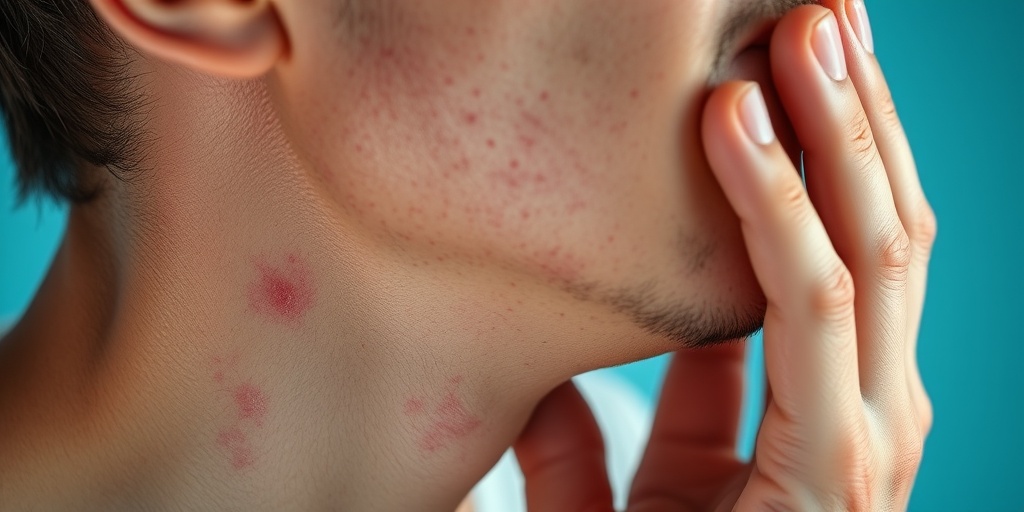
Hives, also known as urticaria, are raised, itchy welts on the skin that can vary in size and shape. They can appear anywhere on the body and often come and go quickly. Understanding the triggers of hives is essential for managing and preventing outbreaks. Here are some common triggers that you should be aware of:
Allergic Reactions
One of the most common causes of hives is an allergic reaction. This can occur due to:
- Food allergies: Common culprits include nuts, shellfish, eggs, and dairy.
- Medications: Certain medications, such as antibiotics and non-steroidal anti-inflammatory drugs (NSAIDs), can trigger hives.
- Insect stings or bites: Reactions to insect venom can lead to hives.
Environmental Factors
Environmental factors can also play a significant role in triggering hives. These include:
- Temperature changes: Sudden changes in temperature, such as exposure to cold air or hot water, can provoke hives.
- Sunlight: Some individuals may develop hives after sun exposure, a condition known as solar urticaria.
- Pressure: Physical pressure on the skin, such as from tight clothing or sitting for long periods, can lead to hives.
Stress and Emotions
Emotional stress can also trigger hives in some people. Stressful situations can lead to the release of histamines in the body, which can cause the characteristic welts. It’s essential to find effective stress management techniques, such as meditation or yoga, to help reduce the likelihood of hives outbreaks.
Infections
Viral infections, such as the common cold or flu, can sometimes lead to hives. The body’s immune response to the infection may trigger the release of histamines, resulting in hives. If you notice hives appearing alongside other symptoms of an infection, it may be worth consulting a healthcare professional.
Hives Diagnosis
Diagnosing hives can sometimes be straightforward, but in other cases, it may require a thorough evaluation. Here’s what you can expect during the diagnosis of hives:
Medical History Review
Your healthcare provider will begin by taking a detailed medical history. They will ask about:
- Symptoms: When did the hives start? How long do they last? Are they itchy?
- Triggers: Have you noticed any specific triggers that lead to outbreaks?
- Allergies: Do you have any known allergies or have you experienced hives before?
Physical Examination
A physical examination is crucial in diagnosing hives. Your doctor will look at the welts and may ask you to describe any other symptoms you are experiencing. This examination helps to rule out other skin conditions that may resemble hives.
Allergy Testing
If your doctor suspects that allergies are the cause of your hives, they may recommend allergy testing. This can include:
- Skin prick tests: Small amounts of allergens are applied to your skin to see if a reaction occurs.
- Blood tests: These tests can help identify specific allergies or underlying conditions that may be contributing to your hives.
Additional Tests
In some cases, your doctor may recommend additional tests to rule out other conditions. These tests can include:
- Patch testing: This is used to identify delayed allergic reactions.
- Biopsy: In rare cases, a skin biopsy may be performed to examine the skin more closely.
Understanding the triggers and diagnosis of hives is essential for effective management. If you experience persistent or severe hives, it’s important to consult a healthcare professional for a proper evaluation and treatment plan. 🌟

Hives Treatment Options
Hives, also known as urticaria, are raised, itchy welts on the skin that can vary in size and shape. They can be triggered by various factors, including allergies, stress, and certain medications. If you’re experiencing hives, it’s essential to understand the available treatment options to alleviate your symptoms effectively.
Over-the-Counter Medications
One of the first lines of defense against hives is the use of over-the-counter (OTC) antihistamines. These medications work by blocking the action of histamine, a substance in the body that causes allergic symptoms. Some popular OTC antihistamines include:
- Loratadine (Claritin)
- Cetirizine (Zyrtec)
- Diphenhydramine (Benadryl)
These medications can help reduce itching and swelling, providing relief from the discomfort associated with hives. Always follow the recommended dosage and consult with a healthcare professional if you have any concerns.
Prescription Medications
For more severe cases of hives, your doctor may prescribe stronger medications. These can include:
- Prescription antihistamines – These may be more potent than OTC options and can provide better relief.
- Corticosteroids – These are anti-inflammatory medications that can help reduce swelling and redness.
- Immunosuppressants – In chronic cases, medications like omalizumab (Xolair) may be prescribed to help control symptoms.
It’s crucial to discuss the potential side effects and benefits of these medications with your healthcare provider to determine the best course of action for your situation.
Identifying and Avoiding Triggers
Understanding what triggers your hives is a vital part of managing the condition. Common triggers include:
- Food allergies – Common allergens include nuts, shellfish, and eggs.
- Environmental factors – Pollen, pet dander, and dust mites can provoke hives.
- Stress – Emotional stress can lead to outbreaks.
- Medications – Certain drugs, including antibiotics and non-steroidal anti-inflammatory drugs (NSAIDs), can cause hives.
Keeping a diary to track your symptoms and potential triggers can help you and your healthcare provider develop a tailored treatment plan.
Hives Home Remedies
If you’re looking for natural ways to alleviate the discomfort of hives, several home remedies may provide relief. While these remedies can be effective, it’s essential to consult with a healthcare professional if your symptoms persist or worsen.
Cool Compresses
Applying a cool compress to the affected areas can help soothe itching and reduce inflammation. Simply soak a clean cloth in cold water, wring it out, and place it on the hives for 10-15 minutes. This can provide immediate relief and help calm your skin. ❄️
Oatmeal Baths
Taking an oatmeal bath can be a soothing remedy for hives. Oatmeal has anti-inflammatory properties that can help relieve itching. To prepare an oatmeal bath:
- Grind plain oatmeal into a fine powder.
- Add the powdered oatmeal to warm bathwater.
- Soak in the bath for 15-20 minutes.
This natural remedy can help hydrate your skin and reduce irritation. 🛁
Aloe Vera Gel
Aloe vera is well-known for its soothing properties and can be applied directly to the hives. It helps cool the skin and may reduce inflammation. Use pure aloe vera gel for the best results, and apply it as needed throughout the day. 🌿
Herbal Remedies
Some herbal remedies may also help alleviate hives symptoms. Consider trying:
- Chamomile tea – Drinking chamomile tea may help reduce inflammation and promote relaxation.
- Green tea – Rich in antioxidants, green tea can help support your immune system.
Always consult with a healthcare provider before starting any new herbal remedies, especially if you are taking other medications.
In conclusion, while hives can be uncomfortable and frustrating, understanding your treatment options and exploring home remedies can help you manage your symptoms effectively. Remember to consult with a healthcare professional for personalized advice and treatment plans. 🌼

Hives Prevention Tips
Hives, also known as urticaria, can be an uncomfortable and sometimes distressing condition characterized by raised, itchy welts on the skin. While it’s essential to know how to treat hives when they occur, understanding how to prevent them can significantly improve your quality of life. Here are some effective hives prevention tips to keep those pesky welts at bay.
Identify and Avoid Triggers
One of the most effective ways to prevent hives is to identify what triggers your outbreaks. Common triggers include:
- Food Allergies: Certain foods like nuts, shellfish, eggs, and dairy can cause hives.
- Environmental Factors: Pollen, pet dander, and dust mites are common allergens.
- Medications: Some people may react to antibiotics or non-steroidal anti-inflammatory drugs (NSAIDs).
- Temperature Changes: Sudden changes in temperature, such as hot showers or cold weather, can trigger hives.
Keeping a hives diary can help you track your outbreaks and identify patterns related to your triggers. Once you know what causes your hives, you can take steps to avoid those triggers.
Maintain a Healthy Lifestyle
Adopting a healthy lifestyle can bolster your immune system and reduce the likelihood of hives. Here are some tips:
- Stay Hydrated: Drinking plenty of water helps keep your skin hydrated and may reduce the severity of hives.
- Eat a Balanced Diet: Incorporate fruits, vegetables, whole grains, and lean proteins into your meals to support overall health.
- Exercise Regularly: Physical activity can improve circulation and boost your immune system.
- Manage Stress: Stress is a known trigger for hives. Consider practices like yoga, meditation, or deep-breathing exercises to help manage stress levels.
Use Gentle Skin Care Products
Harsh soaps and skin care products can irritate your skin and potentially trigger hives. Opt for:
- Fragrance-Free Products: Choose soaps, lotions, and detergents that are free from fragrances and dyes.
- Hypoallergenic Options: Look for products labeled as hypoallergenic, which are less likely to cause allergic reactions.
- Moisturizers: Regularly applying a gentle moisturizer can help maintain your skin’s barrier and reduce irritation.
Dress Appropriately
Wearing the right clothing can also help prevent hives. Consider the following:
- Loose-Fitting Clothes: Tight clothing can irritate the skin and trigger hives. Opt for loose, breathable fabrics.
- Natural Fibers: Cotton and linen are less likely to irritate the skin compared to synthetic materials.
- Layering: If you’re sensitive to temperature changes, dress in layers to easily adjust to your environment.
Hives: When to See a Doctor
While many cases of hives are mild and can be managed at home, there are instances when you should seek medical attention. Knowing when to see a doctor can help prevent complications and ensure you receive the appropriate care.
Persistent or Severe Symptoms
If your hives last longer than six weeks or are accompanied by severe symptoms, it’s time to consult a healthcare professional. Symptoms that warrant a visit include:
- Difficulty Breathing: If you experience shortness of breath or wheezing, seek immediate medical help.
- Swelling: Swelling of the face, lips, or throat can indicate a serious allergic reaction.
- Severe Itching: If the itching is unbearable and affecting your daily life, a doctor can provide relief options.
Signs of an Allergic Reaction
Hives can sometimes be a sign of a more severe allergic reaction known as anaphylaxis. If you notice any of the following symptoms, seek emergency medical care:
- Rapid Heartbeat: A sudden increase in heart rate can indicate a serious reaction.
- Dizziness or Fainting: These symptoms may suggest a drop in blood pressure.
- Gastrointestinal Symptoms: Nausea, vomiting, or diarrhea can accompany severe allergic reactions.
Consulting a Specialist
If you frequently experience hives or have a history of allergies, consider consulting an allergist or dermatologist. They can perform tests to identify specific triggers and recommend appropriate treatments, such as antihistamines or corticosteroids.
Understanding hives and knowing when to seek help can empower you to manage this condition effectively. By following prevention tips and recognizing when to consult a doctor, you can minimize the impact of hives on your life. 🌼

Frequently Asked Questions about Hives
What are hives?
Hives, also known as urticaria, are raised, itchy welts on the skin that can vary in size and shape. They can appear anywhere on the body and may be triggered by various factors, including allergens, stress, or certain medications.
What causes hives?
There are numerous potential causes of hives, including:
- Allergic reactions to foods, medications, or insect stings
- Infections or illnesses
- Environmental factors such as temperature changes or sunlight
- Stress or anxiety
- Physical triggers like pressure or scratching
Can hives appear on the face?
Yes, hives on the face are common and can be particularly distressing. They may cause swelling and discomfort, and it’s essential to identify the underlying cause to manage them effectively.
How long do hives last?
The duration of hives rash can vary. Acute hives may last for a few hours to a few days, while chronic hives can persist for weeks or even months. If hives last longer than six weeks, it is advisable to consult a healthcare professional.
Are hives contagious?
No, hives are not contagious. They are a reaction of the immune system and cannot be spread from person to person.
What treatments are available for hives?
Treatment options for hives may include:
- Antihistamines to relieve itching and swelling
- Topical corticosteroids for localized reactions
- Oral corticosteroids for severe cases
- Avoiding known triggers
When should I see a doctor for hives?
If you experience severe symptoms, such as difficulty breathing, swelling of the face or throat, or if hives persist for an extended period, it is crucial to seek medical attention immediately. These could be signs of a more serious allergic reaction.
Can stress cause hives?
Yes, stress can be a trigger for hives. Emotional stress may lead to physical reactions in the body, including the development of hives. Managing stress through relaxation techniques or therapy can help reduce occurrences.
Is there a connection between hives and food allergies?
Absolutely! Certain foods can trigger hives in individuals with food allergies. Common culprits include nuts, shellfish, eggs, and dairy. Keeping a food diary can help identify potential triggers.
What does it mean if I have chronic hives?
Chronic hives, lasting more than six weeks, may indicate an underlying health issue or autoimmune disorder. It’s essential to consult a healthcare provider for a thorough evaluation and appropriate management.
Can hives be prevented?
While it may not be possible to prevent all cases of hives, avoiding known triggers, managing stress, and maintaining a healthy lifestyle can help reduce the frequency and severity of outbreaks.