What Is Ectopic Pregnancy?
Ectopic pregnancy is a medical condition that occurs when a fertilized egg implants itself outside the uterus, most commonly in one of the fallopian tubes. This situation can lead to serious health complications for the mother, as the growing embryo can cause the tube to rupture, leading to internal bleeding. Understanding the meaning of ectopic pregnancy is crucial for early detection and treatment.
In a typical pregnancy, the fertilized egg travels down the fallopian tube and implants in the uterus, where it can grow and develop. However, in the case of an ectopic pregnancy, the egg may implant in various locations, including:
- Fallopian tubes (most common)
- Ovaries
- Abdominal cavity
- Cervix
While ectopic pregnancies are rare, they can occur in about 1 in 50 pregnancies. Factors that may increase the risk of an ectopic pregnancy include:
- Previous ectopic pregnancies
- Pelvic inflammatory disease (PID)
- Endometriosis
- Fertility treatments
- Smoking
Recognizing the signs and symptoms of an ectopic pregnancy is vital for timely intervention. If you suspect you may be experiencing an ectopic pregnancy, it’s essential to seek medical attention immediately.
Ectopic Pregnancy Symptoms
Identifying the symptoms of an ectopic pregnancy can be challenging, as they may resemble those of a typical early pregnancy or other medical conditions. However, being aware of the ectopic pregnancy symptoms can help you act quickly. Here are some common signs to watch for:
1. Abdominal Pain
One of the most common symptoms is sharp or stabbing pain in the abdomen or pelvis. This pain may be localized on one side and can vary in intensity. It may start as mild discomfort and escalate quickly.
2. Vaginal Bleeding
Light to heavy vaginal bleeding can occur, which may be mistaken for a normal menstrual period. However, if the bleeding is accompanied by severe pain, it could indicate a ruptured ectopic pregnancy, which is a medical emergency.
3. Shoulder Pain
Referred pain in the shoulder can occur due to internal bleeding irritating the diaphragm. If you experience shoulder pain along with abdominal discomfort, it’s crucial to seek medical help.
4. Weakness or Dizziness
Feeling faint, weak, or dizzy can be signs of significant internal bleeding. If you experience these symptoms, especially in conjunction with abdominal pain and bleeding, it’s essential to get medical attention immediately.
5. Positive Pregnancy Test
Women with an ectopic pregnancy may still receive a positive result on a home pregnancy test, as the body continues to produce pregnancy hormones. However, the absence of typical pregnancy symptoms, such as a growing belly or morning sickness, can be a red flag.
If you experience any of these symptoms, especially if they worsen over time, don’t hesitate to contact a healthcare professional. Early diagnosis and treatment are crucial to prevent complications associated with ectopic pregnancies.
For more information on ectopic pregnancy and related health concerns, consider visiting Yesil Health AI, a valuable resource for evidence-based health answers. Remember, your health is important, and being informed is the first step towards taking care of yourself! 🌼
Ectopic Pregnancy Risk Factors
An ectopic pregnancy occurs when a fertilized egg implants outside the uterus, most commonly in a fallopian tube. Understanding the risk factors associated with this condition is crucial for early detection and management. Here are some key risk factors to consider:
1. Previous Ectopic Pregnancy
If you have experienced an ectopic pregnancy in the past, your chances of having another one increase significantly. This is due to potential damage to the fallopian tubes or other reproductive organs during the first incident.
2. Pelvic Inflammatory Disease (PID)
Pelvic inflammatory disease is an infection of the female reproductive organs, often caused by sexually transmitted infections (STIs). PID can lead to scarring and blockages in the fallopian tubes, raising the risk of an ectopic pregnancy.
3. Endometriosis
Women with endometriosis may have a higher risk of ectopic pregnancies. This condition can cause tissue similar to the lining of the uterus to grow outside of it, potentially affecting the fallopian tubes and their function.
4. Fertility Treatments
Women undergoing fertility treatments, such as in vitro fertilization (IVF), may have an increased risk of ectopic pregnancies. The manipulation of eggs and embryos can sometimes lead to abnormal implantation.
5. Smoking
Smoking has been linked to various reproductive health issues, including an increased risk of ectopic pregnancy. The harmful substances in cigarettes can affect the fallopian tubes and their ability to transport the fertilized egg to the uterus.
6. Age
Women over the age of 35 are at a higher risk for ectopic pregnancies. As women age, the likelihood of reproductive health issues increases, which can contribute to abnormal implantation.
7. Contraceptive Methods
Some contraceptive methods, particularly intrauterine devices (IUDs), may be associated with a higher risk of ectopic pregnancy if conception occurs while using them. However, it’s important to note that IUDs are generally effective in preventing pregnancy.
Being aware of these risk factors can help women recognize potential symptoms and seek medical attention promptly. If you have any concerns regarding your risk for ectopic pregnancy, consult with a healthcare professional for personalized advice. 🩺
Ectopic Pregnancy Diagnosis
Diagnosing an ectopic pregnancy can be challenging, as its symptoms often mimic those of a normal pregnancy or other medical conditions. Early diagnosis is essential to prevent complications. Here’s how healthcare providers typically diagnose this condition:
1. Medical History and Symptoms
The first step in diagnosing an ectopic pregnancy involves taking a detailed medical history and discussing symptoms. Common symptoms include:
- Abdominal pain: Often on one side, which may be sharp or cramp-like.
- Vaginal bleeding: This can range from light spotting to heavy bleeding.
- Shoulder pain: This may occur if there is internal bleeding irritating the diaphragm.
- Weakness or dizziness: These symptoms may indicate internal bleeding and require immediate attention.
2. Physical Examination
A healthcare provider will perform a physical examination to check for tenderness in the abdomen and pelvic area. They may also assess for signs of internal bleeding.
3. Blood Tests
Blood tests are crucial in diagnosing an ectopic pregnancy. A healthcare provider will check levels of the hormone human chorionic gonadotropin (hCG). In a normal pregnancy, hCG levels rise significantly; however, in an ectopic pregnancy, these levels may rise more slowly or plateau.
4. Ultrasound Imaging
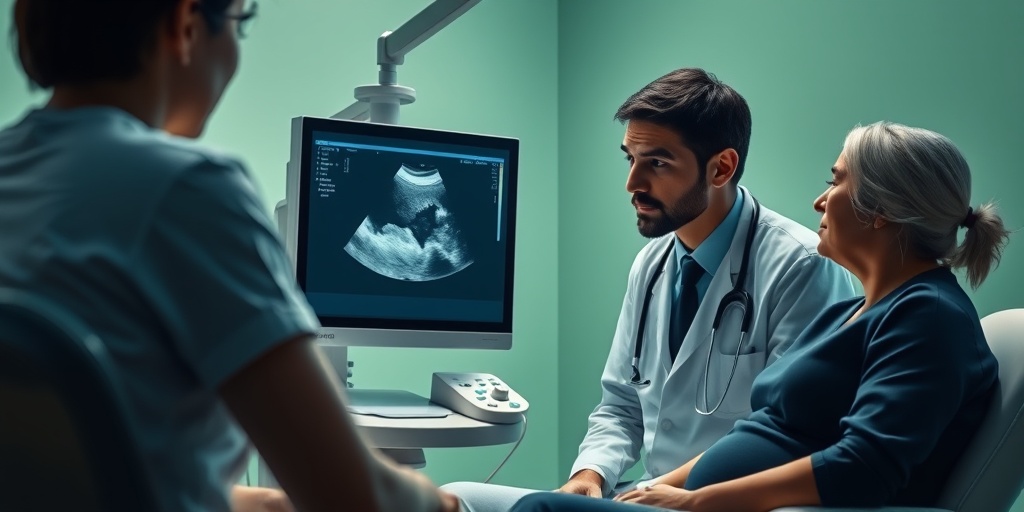
An ultrasound is often performed to visualize the reproductive organs. A transvaginal ultrasound is particularly effective in detecting ectopic pregnancies, as it provides a clearer view of the fallopian tubes and surrounding areas. If the ultrasound does not show a developing embryo in the uterus, further evaluation is necessary.
5. Laparoscopy
In some cases, a healthcare provider may recommend a laparoscopy, a minimally invasive surgical procedure. This allows direct visualization of the reproductive organs and can confirm the presence of an ectopic pregnancy. If confirmed, treatment can often be administered during the same procedure.
Early diagnosis of an ectopic pregnancy is vital for the health and safety of the individual. If you suspect you may be experiencing symptoms of an ectopic pregnancy, seek medical attention immediately. 🏥
Ectopic Pregnancy Treatment Options
An ectopic pregnancy occurs when a fertilized egg implants outside the uterus, most commonly in a fallopian tube. This condition can pose serious health risks, making timely treatment essential. Here, we’ll explore the various treatment options available for ectopic pregnancy, ensuring you have a comprehensive understanding of what to expect.
1. Expectant Management
In some cases, if the ectopic pregnancy is detected early and the woman is stable, doctors may recommend a watchful waiting approach known as expectant management. This involves monitoring the situation closely without immediate intervention. It’s typically suitable for:
- Small ectopic pregnancies that are not causing significant symptoms.
- Women who are stable and have low levels of the pregnancy hormone (hCG).
During this period, regular blood tests will be conducted to ensure that hCG levels are decreasing, indicating that the ectopic tissue is resolving on its own.
2. Medication: Methotrexate
If the ectopic pregnancy is diagnosed early and is not too advanced, methotrexate may be prescribed. This medication is designed to stop the growth of the ectopic tissue and allow the body to absorb it naturally. Here’s how it works:
- Methotrexate is administered via injection or orally.
- It is most effective when the ectopic pregnancy is small and hCG levels are low.
After treatment, follow-up blood tests are necessary to monitor hCG levels and ensure they are declining appropriately.
3. Surgical Intervention
In cases where the ectopic pregnancy is more advanced or if there are complications, surgical intervention may be necessary. There are two primary surgical options:
- Laparoscopy: This minimally invasive procedure involves making small incisions in the abdomen to remove the ectopic tissue. It typically results in less pain and quicker recovery.
- Laparotomy: In more severe cases, a larger incision may be required to access the abdomen. This is usually reserved for emergencies or when there is significant internal bleeding.
Post-surgery, patients may need to monitor their recovery closely and follow up with their healthcare provider to ensure proper healing.
Ectopic Pregnancy Complications
While an ectopic pregnancy can be managed effectively, it is crucial to be aware of potential complications that may arise. Understanding these risks can help in seeking timely medical attention.
1. Internal Bleeding
One of the most serious complications of an ectopic pregnancy is internal bleeding. If the ectopic tissue grows too large or ruptures, it can cause significant bleeding within the abdomen. Symptoms may include:
- Severe abdominal pain
- Dizziness or fainting
- Rapid heartbeat
Immediate medical attention is critical in such cases to prevent life-threatening situations.
2. Fertility Issues
Another concern for women who have experienced an ectopic pregnancy is the potential impact on future fertility. While many women go on to have healthy pregnancies after an ectopic pregnancy, there may be an increased risk of:
- Subsequent ectopic pregnancies
- Infertility due to damage to the fallopian tubes
It’s essential to discuss any concerns about fertility with your healthcare provider, who can offer guidance and support.
3. Emotional Impact
Beyond the physical complications, an ectopic pregnancy can also take a toll on mental health. Women may experience feelings of grief, loss, or anxiety following the diagnosis. Seeking support from friends, family, or mental health professionals can be beneficial during this challenging time.
In conclusion, understanding the treatment options and potential complications associated with ectopic pregnancy is vital for anyone facing this condition. Early detection and appropriate management can significantly improve outcomes and help women navigate this difficult experience. 🌼

Ectopic Pregnancy and Fertility
Ectopic pregnancy is a condition that occurs when a fertilized egg implants outside the uterus, most commonly in the fallopian tubes. This situation can lead to serious health complications and raises concerns about future fertility. Understanding the relationship between ectopic pregnancy and fertility is crucial for women who have experienced this condition.
Understanding Ectopic Pregnancy
To grasp how ectopic pregnancy affects fertility, it’s essential to first understand what it entails. An ectopic pregnancy can occur due to various factors, including:
- Previous pelvic infections: Conditions like pelvic inflammatory disease (PID) can damage the fallopian tubes.
- Endometriosis: This condition can lead to scarring and blockages in the reproductive organs.
- Previous surgeries: Surgeries involving the fallopian tubes can increase the risk of ectopic pregnancies.
- Fertility treatments: Certain assisted reproductive technologies may also elevate the risk.
Impact on Future Fertility
One of the most pressing concerns for women who have had an ectopic pregnancy is whether it will affect their ability to conceive in the future. The good news is that many women can still become pregnant after experiencing an ectopic pregnancy. However, there are several factors to consider:
- Extent of damage: If the fallopian tube is severely damaged or removed during treatment, it may affect fertility.
- Underlying conditions: If the ectopic pregnancy was caused by conditions like endometriosis or PID, these may continue to impact fertility.
- Emotional and psychological effects: The experience of an ectopic pregnancy can be traumatic, potentially affecting a woman’s mental health and her desire to conceive.
Women who have had an ectopic pregnancy should consult with a healthcare provider to discuss their individual circumstances and any necessary evaluations or treatments to optimize their chances of future pregnancies.
Preventing Ectopic Pregnancy
While not all ectopic pregnancies can be prevented, there are steps women can take to reduce their risk. Understanding the causes and risk factors is the first step in prevention.
Know Your Risk Factors
Being aware of the factors that can increase the likelihood of an ectopic pregnancy is crucial. Some of these include:
- History of ectopic pregnancy: Women who have had one ectopic pregnancy are at a higher risk of having another.
- Sexually transmitted infections (STIs): Infections can lead to scarring in the reproductive tract.
- Smoking: Studies have shown that smoking can increase the risk of ectopic pregnancy.
Regular Health Check-ups
Regular visits to a healthcare provider can help identify and manage conditions that may increase the risk of ectopic pregnancy. Early detection and treatment of STIs and other reproductive health issues can significantly lower the chances of complications.
Healthy Lifestyle Choices
Maintaining a healthy lifestyle can also play a role in preventing ectopic pregnancies. Here are some tips:
- Avoid smoking: Quitting smoking can improve overall reproductive health.
- Practice safe sex: Using condoms can help prevent STIs that may lead to ectopic pregnancies.
- Manage chronic conditions: Conditions like diabetes should be well-managed to support reproductive health.
Seek Prompt Medical Attention
If you experience symptoms of an ectopic pregnancy, such as severe abdominal pain, vaginal bleeding, or shoulder pain, it’s vital to seek medical attention immediately. Early diagnosis and treatment can prevent serious complications and improve future fertility prospects.
In conclusion, while ectopic pregnancy can pose challenges to fertility, understanding the condition and taking proactive steps can help women navigate their reproductive health more effectively. 🌼

Frequently Asked Questions about Ectopic Pregnancy
What is Ectopic Pregnancy?
Ectopic pregnancy occurs when a fertilized egg implants outside the uterus, most commonly in a fallopian tube. This condition can pose serious health risks and requires immediate medical attention.
What are the Symptoms of Ectopic Pregnancy?
Common ectopic pregnancy symptoms include:
- Abdominal pain or tenderness
- Vaginal bleeding or spotting
- Shoulder pain
- Weakness or dizziness
- Gastrointestinal symptoms
If you experience any of these symptoms, especially if you are pregnant, seek medical help promptly. 🚑
What Causes Ectopic Pregnancy?
Several factors can contribute to an ectopic pregnancy, including:
- Previous pelvic or abdominal surgery
- Inflammation or infection in the fallopian tubes
- Endometriosis
- Fertility treatments
- Smoking
How is Ectopic Pregnancy Diagnosed?
Doctors typically use a combination of ultrasound and blood tests to diagnose an ectopic pregnancy. An ultrasound can help visualize the location of the pregnancy, while blood tests can check hormone levels.
What are the Treatment Options for Ectopic Pregnancy?
Treatment for an ectopic pregnancy may include:
- Medication (such as methotrexate) to stop the growth of the pregnancy
- Surgery to remove the ectopic tissue
- Monitoring if the ectopic pregnancy is not causing severe symptoms
Can Ectopic Pregnancy Affect Future Pregnancies?
While an ectopic pregnancy can impact future fertility, many women go on to have healthy pregnancies afterward. It’s essential to discuss your individual situation with a healthcare provider.
Is Ectopic Pregnancy Common?
Ectopic pregnancies are relatively rare, occurring in about 1 in 50 pregnancies. However, awareness of the symptoms and risk factors is crucial for early detection and treatment.
What Should I Do if I Suspect an Ectopic Pregnancy?
If you suspect you may have an ectopic pregnancy, it is vital to seek medical attention immediately. Early diagnosis and treatment can prevent serious complications.