What Is Hirsutism?
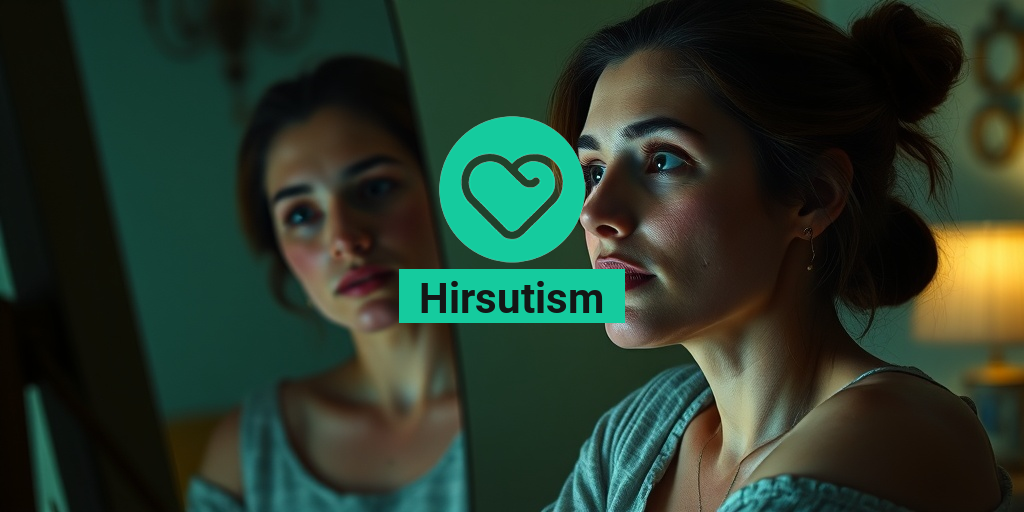
Hirsutism is a condition characterized by excessive hair growth in women in areas where men typically grow hair, such as the face, chest, and back. This condition can be distressing and may lead to emotional and psychological challenges due to societal beauty standards. Understanding hirsutism is crucial for those affected, as it can often be a symptom of underlying health issues.
Understanding the Causes of Hirsutism
The causes of hirsutism can vary widely, but they often stem from hormonal imbalances. Here are some common factors:
- Polycystic Ovary Syndrome (PCOS): This is one of the most common causes of hirsutism. PCOS is a hormonal disorder that affects women of reproductive age and can lead to irregular menstrual cycles and increased androgen levels.
- Hormonal Disorders: Conditions such as Cushing’s syndrome or adrenal gland disorders can lead to increased production of male hormones, resulting in hirsutism.
- Genetics: Family history can play a significant role. If your mother or sister has hirsutism, you may be more likely to experience it as well.
- Medications: Certain medications, including anabolic steroids and some hormonal treatments, can contribute to excessive hair growth.
Understanding these causes is essential for effective treatment and management of hirsutism. If you suspect you have this condition, consulting with a healthcare professional is a wise step.
Hirsutism Symptoms
The symptoms of hirsutism can vary from person to person, but they generally include:
- Excessive Hair Growth: The most noticeable symptom is the growth of dark, coarse hair in areas such as the face, chest, abdomen, and back.
- Menstrual Irregularities: Many women with hirsutism experience irregular periods or amenorrhea (absence of menstruation), often linked to underlying hormonal issues.
- Acne and Oily Skin: Increased androgen levels can lead to skin problems, including acne and excessive oiliness.
- Thinning Hair on the Scalp: Some women may notice hair thinning or male-pattern baldness due to hormonal imbalances.
Emotional and Psychological Impact
Beyond the physical symptoms, hirsutism can have a significant emotional and psychological impact. Many women report feelings of embarrassment, low self-esteem, and anxiety related to their appearance. It’s essential to address these feelings, as they can affect overall quality of life.
Support groups and counseling can be beneficial for those struggling with the emotional aspects of hirsutism. Additionally, resources like Yesil Health AI (yesilhealth.com) can provide evidence-based information and support for managing both the physical and emotional challenges associated with this condition.
When to Seek Help
If you notice excessive hair growth or other symptoms associated with hirsutism, it’s important to consult a healthcare provider. They can help determine the underlying cause and recommend appropriate treatment options. Early intervention can lead to better management of symptoms and improve your overall well-being.
In conclusion, understanding hirsutism and its symptoms is the first step towards effective management. Whether through lifestyle changes, medical treatments, or emotional support, there are ways to cope with this condition. Remember, you are not alone, and help is available! 🌼
Hirsutism Causes
Hirsutism is a condition characterized by excessive hair growth in women, particularly in areas where men typically grow hair, such as the face, chest, and back. Understanding the causes of hirsutism is crucial for effective management and treatment. Here are some of the primary factors that contribute to this condition:
Hormonal Imbalances
One of the most common causes of hirsutism is an imbalance in hormones, particularly androgens. These male hormones, which are present in both men and women, can lead to increased hair growth when levels are elevated. Conditions such as polycystic ovary syndrome (PCOS) are often associated with higher androgen levels, leading to symptoms like hirsutism.
Genetics
Genetics play a significant role in determining hair growth patterns. If women in your family have experienced hirsutism, you may be more likely to develop the condition yourself. Family history can provide insight into whether your hirsutism is hereditary.
Medical Conditions
Several medical conditions can lead to hirsutism, including:
- Polycystic Ovary Syndrome (PCOS): This hormonal disorder is one of the leading causes of hirsutism in women.
- Cushing’s Syndrome: This condition results from prolonged exposure to high levels of cortisol, which can lead to increased hair growth.
- Congenital Adrenal Hyperplasia: A genetic disorder affecting adrenal gland function, leading to excess androgen production.
Medications
Some medications can also contribute to hirsutism. For example, certain anabolic steroids, hormone replacement therapies, and medications used to treat conditions like epilepsy can lead to increased hair growth. If you suspect your medication may be causing hirsutism, consult your healthcare provider for alternatives.
Age and Menopause
As women age, particularly during and after menopause, hormonal changes can lead to increased hair growth. The decline in estrogen levels can result in a relative increase in androgens, contributing to hirsutism.
Hirsutism Risk Factors
While anyone can develop hirsutism, certain factors can increase your risk of experiencing this condition. Understanding these risk factors can help you take proactive steps toward management and treatment:
Family History
If hirsutism runs in your family, you may be at a higher risk. A family history of conditions like PCOS or other hormonal disorders can indicate a genetic predisposition to hirsutism.
Obesity
Being overweight or obese can exacerbate hormonal imbalances, particularly insulin resistance, which is often linked to PCOS. This can lead to increased androgen production and, consequently, hirsutism. Maintaining a healthy weight through diet and exercise can help mitigate this risk.
Ethnicity
Research suggests that certain ethnic groups may be more prone to hirsutism. For instance, women of Mediterranean, Middle Eastern, or South Asian descent may experience higher rates of hirsutism compared to women from other backgrounds. Understanding your ethnic background can provide insight into your risk level.
Age of Onset
The age at which hirsutism begins can also be a risk factor. If symptoms appear during adolescence or early adulthood, it may indicate an underlying hormonal issue that requires attention. Early intervention can lead to better management outcomes.
Underlying Health Conditions
As mentioned earlier, conditions like PCOS, Cushing’s syndrome, and congenital adrenal hyperplasia can significantly increase the risk of hirsutism. Regular check-ups and monitoring of your health can help identify and manage these conditions early on.
In conclusion, understanding the causes and risk factors of hirsutism is essential for effective management. If you or someone you know is experiencing symptoms of hirsutism, it’s important to consult a healthcare professional for a proper diagnosis and treatment plan. 🌼

Hirsutism Diagnosis
Hirsutism is a condition characterized by excessive hair growth in women, often in areas where men typically grow hair, such as the face, chest, and back. Understanding how hirsutism is diagnosed is crucial for effective management and treatment. Let’s delve into the diagnostic process.
Understanding Hirsutism
Before diving into the diagnosis, it’s important to grasp what hirsutism means. It is often a symptom of an underlying hormonal imbalance, particularly involving androgens (male hormones). Women with hirsutism may experience other symptoms, such as irregular menstrual cycles, acne, or weight gain, which can help healthcare providers in making a diagnosis.
Initial Consultation
The first step in diagnosing hirsutism typically involves a thorough consultation with a healthcare provider. During this appointment, the doctor will:
- Take a detailed medical history, including any family history of hirsutism or related conditions.
- Discuss the onset and pattern of hair growth, as well as any other symptoms.
- Review menstrual cycle regularity and any changes in weight or skin condition.
Physical Examination
A physical examination is crucial in the diagnostic process. The doctor will assess the areas of excessive hair growth and may also check for:
- Acne or oily skin
- Thinning hair on the scalp
- Signs of insulin resistance, such as acanthosis nigricans (dark patches of skin)
Laboratory Tests
To confirm the diagnosis and rule out other conditions, laboratory tests may be ordered. These tests can include:
- Hormonal assessments: Blood tests to measure levels of androgens, such as testosterone and dehydroepiandrosterone sulfate (DHEAS).
- Thyroid function tests: To check for thyroid disorders that could contribute to hair growth issues.
- Glucose tolerance tests: To assess for insulin resistance, which is often associated with conditions like polycystic ovary syndrome (PCOS).
Imaging Studies
In some cases, imaging studies such as an ultrasound may be recommended to evaluate the ovaries and check for cysts, which can indicate conditions like PCOS.
Hirsutism Treatment Options
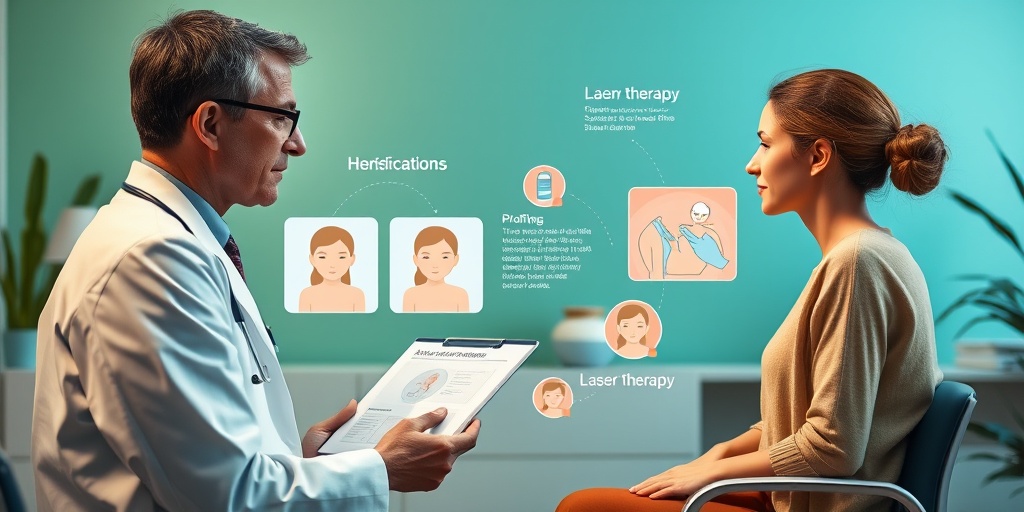
Once diagnosed, the next step is exploring treatment options for hirsutism. The choice of treatment often depends on the underlying cause, severity of symptoms, and individual preferences. Here are some common treatment strategies:
Medications
Several medications can help manage hirsutism effectively:
- Oral contraceptives: Birth control pills can regulate menstrual cycles and lower androgen levels, which may reduce hair growth.
- Anti-androgens: Medications like spironolactone can block the effects of androgens on hair follicles, leading to decreased hair growth.
- Topical treatments: Eflornithine cream is a prescription cream that can slow down facial hair growth.
Hair Removal Techniques
For many women, hair removal methods can provide immediate relief from hirsutism symptoms. Common techniques include:
- Shaving: A quick and easy method, though it may require frequent maintenance.
- Waxing: Provides longer-lasting results but can be painful.
- Electrolysis: A permanent hair removal method that destroys hair follicles using electrical currents.
- Laser hair removal: A popular option that uses concentrated light to target hair follicles, leading to long-term reduction in hair growth.
Lifestyle Changes
Incorporating lifestyle changes can also play a significant role in managing hirsutism:
- Weight management: Losing weight can help lower androgen levels and improve symptoms, especially in women with PCOS.
- Dietary adjustments: A balanced diet rich in whole foods can support hormonal balance.
- Regular exercise: Physical activity can help regulate insulin levels and improve overall health.
Psychological Support
Living with hirsutism can be emotionally challenging. Seeking support from mental health professionals or support groups can help individuals cope with the psychological impact of the condition.
In conclusion, diagnosing and treating hirsutism involves a comprehensive approach that includes medical evaluation, lifestyle changes, and various treatment options. If you suspect you have hirsutism, consult with a healthcare provider to explore the best path forward for your health and well-being. 🌼
Hirsutism Home Remedies
Hirsutism, characterized by excessive hair growth in women in areas where men typically grow hair, can be a source of distress for many. While medical treatments are available, some individuals prefer to explore home remedies to manage their symptoms. Here, we’ll discuss several natural approaches that may help alleviate hirsutism.
1. Spearmint Tea
One of the most popular home remedies for hirsutism is spearmint tea. Research suggests that spearmint may help lower testosterone levels, which can reduce hair growth. Drinking 1-2 cups of spearmint tea daily may provide benefits over time. 🍵
2. Weight Management
For many women, maintaining a healthy weight can significantly impact hormone levels. Excess body fat can lead to increased estrogen and decreased progesterone, which may exacerbate hirsutism. Incorporating a balanced diet and regular exercise can help manage weight and, in turn, may reduce hair growth. Consider:
- Eating a diet rich in fruits, vegetables, and whole grains.
- Engaging in at least 150 minutes of moderate aerobic activity each week.
3. Herbal Remedies
Several herbs are believed to help manage hirsutism. Some of these include:
- Licorice Root: Known for its anti-androgen properties, licorice root may help reduce hair growth.
- Black Cohosh: Often used for hormonal balance, it may also assist in managing hirsutism symptoms.
Always consult with a healthcare provider before starting any herbal regimen to ensure safety and efficacy. 🌿
4. Essential Oils
Some essential oils, such as lavender and tea tree oil, have been noted for their potential anti-androgen effects. Diluting these oils with a carrier oil and applying them to affected areas may help reduce hair growth over time. However, results can vary, and consistency is key. 🧴
5. Regular Exfoliation
Exfoliating the skin can help remove dead skin cells and may prevent hair follicles from becoming clogged. This can be done using:
- Physical Exfoliants: Scrubs or brushes that physically remove dead skin.
- Chemical Exfoliants: Products containing alpha-hydroxy acids (AHAs) or beta-hydroxy acids (BHAs).
Incorporating exfoliation into your skincare routine 1-2 times a week can promote healthier skin and potentially reduce hair growth. 🛁
Hirsutism and Emotional Impact
Living with hirsutism can take a toll on emotional well-being. The visible signs of excessive hair growth can lead to feelings of self-consciousness, anxiety, and even depression. Understanding the emotional impact of hirsutism is crucial for both those affected and their loved ones.
1. Body Image Issues
Many women with hirsutism struggle with their body image. Society often promotes unrealistic beauty standards, and excessive hair growth can lead to feelings of inadequacy. It’s essential to recognize that beauty comes in many forms, and self-acceptance is a journey. 💖
2. Social Anxiety
Women with hirsutism may experience social anxiety, fearing judgment or ridicule from others. This can lead to avoidance of social situations, which can further exacerbate feelings of isolation. Seeking support from friends, family, or support groups can be beneficial in overcoming these feelings.
3. Mental Health Considerations
Research indicates that women with hirsutism may have a higher prevalence of anxiety and depression. It’s vital to address these mental health concerns through:
- Therapy: Speaking with a mental health professional can provide coping strategies and emotional support.
- Support Groups: Connecting with others who share similar experiences can foster a sense of community and understanding.
4. Empowerment Through Education
Understanding hirsutism—its causes, treatments, and emotional impacts—can empower individuals to take control of their condition. Knowledge can help demystify the experience and reduce feelings of shame or embarrassment. 🌈
In conclusion, while hirsutism can be challenging, exploring home remedies and addressing the emotional impact can lead to a more positive experience. Remember, you are not alone in this journey, and support is available.

Frequently Asked Questions about Hirsutism
What is Hirsutism?
Hirsutism is a condition characterized by excessive hair growth in women in areas where men typically grow hair, such as the face, chest, and back. This condition can be caused by hormonal imbalances, genetics, or certain medical conditions.
What are the common causes of Hirsutism?
- Hormonal Imbalances: Conditions like polycystic ovary syndrome (PCOS) can lead to increased levels of androgens, resulting in excessive hair growth.
- Genetics: Family history can play a significant role in the likelihood of developing this condition.
- Medications: Some medications may contribute to hirsutism as a side effect.
- Other Medical Conditions: Disorders affecting the adrenal glands or ovaries can also lead to hirsutism.
How is Hirsutism diagnosed?
Diagnosis typically involves a physical examination, a review of medical history, and blood tests to check hormone levels. In some cases, imaging tests may be necessary to assess the ovaries or adrenal glands.
What are the treatment options for Hirsutism?
- Medications: Hormonal treatments, such as birth control pills or anti-androgens, can help regulate hormone levels.
- Hair Removal Methods: Options include shaving, waxing, laser hair removal, and electrolysis.
- Lifestyle Changes: Weight management and diet can also play a role in managing symptoms.
Is Hirsutism a serious condition?
While hirsutism itself is not usually a serious health concern, it can be a sign of underlying hormonal issues that may require medical attention. Additionally, the psychological impact of excessive hair growth can affect self-esteem and quality of life.
Can Hirsutism be prevented?
There is no guaranteed way to prevent hirsutism, especially if it is genetic. However, maintaining a healthy lifestyle and managing weight may help reduce the severity of symptoms.
How can I manage the emotional impact of Hirsutism?
Seeking support from healthcare professionals, joining support groups, or talking to a therapist can be beneficial. Additionally, exploring hair removal options may help improve self-esteem and confidence.
Where can I find more information about Hirsutism?
For more information, consider consulting a healthcare provider or visiting reputable health websites that specialize in hormonal disorders and women’s health.