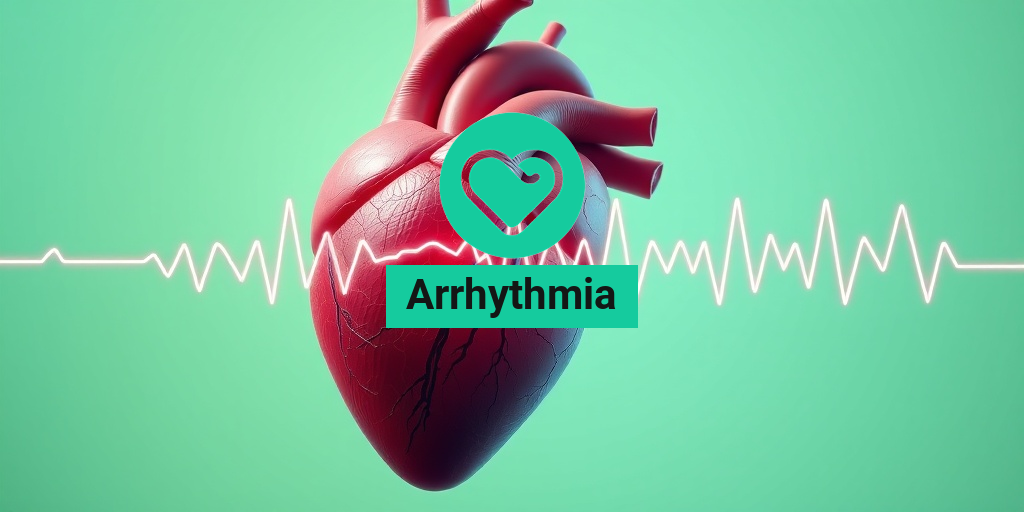
What Is Arrhythmia?
Arrhythmia is a term that refers to an irregular heartbeat, which can manifest as a heart that beats too quickly, too slowly, or in an erratic manner. This condition can affect the heart’s ability to pump blood effectively, leading to various health complications. Understanding arrhythmia is crucial for recognizing its potential impact on your overall health.
Types of Arrhythmia
There are several types of arrhythmias, each categorized based on the heart’s rhythm and rate:
- Atrial Fibrillation (AFib): This is the most common type of serious arrhythmia, characterized by rapid and irregular beating of the atria.
- Bradycardia: A slower than normal heart rate, typically defined as fewer than 60 beats per minute.
- Tachycardia: An abnormally fast heart rate, usually over 100 beats per minute.
- Ventricular Fibrillation: A life-threatening condition where the heart’s electrical activity becomes chaotic, preventing it from pumping blood effectively.
Causes of Arrhythmia
Arrhythmias can arise from various factors, including:
- Heart Conditions: Existing heart diseases, such as coronary artery disease or heart valve disorders, can lead to arrhythmias.
- Electrolyte Imbalances: Abnormal levels of potassium, sodium, calcium, and magnesium can disrupt the heart’s electrical signals.
- Medications: Certain drugs, including those for high blood pressure or depression, may contribute to arrhythmias.
- Stress and Anxiety: Emotional stress can trigger arrhythmias in some individuals.
For more detailed information on arrhythmia and its causes, you can visit Yesil Health AI, a valuable resource for evidence-based health answers.
Arrhythmia Symptoms
Recognizing the symptoms of arrhythmia is essential for early diagnosis and treatment. While some individuals may experience no symptoms at all, others may notice a range of signs that indicate an irregular heartbeat.
Common Symptoms of Arrhythmia
Here are some of the most common symptoms associated with arrhythmia:
- Palpitations: A sensation of fluttering or pounding in the chest, often described as feeling like the heart is racing or skipping beats.
- Dizziness or Lightheadedness: A feeling of faintness or unsteadiness, which can occur due to inadequate blood flow to the brain.
- Shortness of Breath: Difficulty breathing or a feeling of breathlessness, especially during physical activity.
- Chest Pain: Discomfort or pain in the chest area, which may be a sign of a more serious condition.
- Fatigue: Unusual tiredness or lack of energy, which can be a result of the heart not pumping effectively.
When to Seek Medical Attention
If you experience any of the above symptoms, especially if they are sudden or severe, it is crucial to seek medical attention promptly. Early diagnosis and treatment can significantly improve outcomes and reduce the risk of complications associated with arrhythmia.
In conclusion, understanding arrhythmia and its symptoms is vital for maintaining heart health. If you suspect you may have an arrhythmia or are experiencing any concerning symptoms, don’t hesitate to consult a healthcare professional. For more information and resources, check out Yesil Health AI for reliable health insights. ❤️

Types of Arrhythmia
Arrhythmia refers to an irregular heartbeat, which can manifest in various forms. Understanding the different types of arrhythmia is crucial for effective diagnosis and treatment. Here are some of the most common types:
1. Atrial Fibrillation (AFib)
Atrial fibrillation is one of the most prevalent types of arrhythmia. It occurs when the heart’s upper chambers (the atria) experience chaotic electrical signals, leading to a rapid and irregular heartbeat. Symptoms may include:
- Palpitations – a sensation of fluttering or pounding in the chest
- Shortness of breath – especially during physical activity
- Fatigue – feeling unusually tired or weak
AFib can increase the risk of stroke and heart-related complications, making it essential to seek medical advice if you suspect you have this condition.
2. Atrial Flutter
Atrial flutter is similar to AFib but typically has a more organized rhythm. The atria beat rapidly but in a more regular pattern. Symptoms can be similar to those of AFib, and treatment often involves medications or procedures to restore a normal heart rhythm.
3. Ventricular Tachycardia (VT)
Ventricular tachycardia is a fast heart rate that originates in the heart’s lower chambers (the ventricles). This condition can be life-threatening, especially if it lasts for more than a few seconds. Symptoms may include:
- Dizziness or lightheadedness
- Chest pain
- Loss of consciousness in severe cases
VT requires immediate medical attention, as it can lead to more severe arrhythmias or cardiac arrest.
4. Ventricular Fibrillation (VF)
Ventricular fibrillation is a critical condition where the ventricles quiver instead of pumping blood effectively. This can lead to sudden cardiac arrest and requires emergency treatment, typically through defibrillation.
5. Bradycardia
Bradycardia is characterized by a slower than normal heart rate, usually below 60 beats per minute. While some individuals may not experience symptoms, others may feel:
- Fatigue
- Dizziness
- Fainting or near-fainting episodes
Bradycardia can be caused by various factors, including aging, heart disease, or certain medications.
6. Premature Heartbeats
Premature heartbeats are extra heartbeats that disrupt the regular rhythm. They can occur in the atria (premature atrial contractions) or ventricles (premature ventricular contractions). While often harmless, they can cause anxiety or discomfort in some individuals.
Causes of Arrhythmia
Understanding the causes of arrhythmia is essential for prevention and management. Various factors can contribute to the development of arrhythmias, including:
1. Heart Conditions
Pre-existing heart conditions, such as coronary artery disease, heart valve disorders, or previous heart attacks, can significantly increase the risk of arrhythmia. These conditions can disrupt the heart’s electrical system, leading to irregular rhythms.
2. High Blood Pressure
Hypertension can cause changes in the heart’s structure and function, making it more susceptible to arrhythmias. Managing blood pressure through lifestyle changes and medication is crucial for heart health.
3. Electrolyte Imbalances
Electrolytes, such as potassium, sodium, and calcium, play a vital role in maintaining the heart’s electrical activity. An imbalance in these minerals can lead to arrhythmias. Factors contributing to electrolyte imbalances include:
- Dehydration
- Kidney disease
- Medications that affect electrolyte levels
4. Stress and Anxiety
Emotional stress and anxiety can trigger arrhythmias in some individuals. The body’s response to stress can lead to increased heart rate and irregular rhythms. Practicing relaxation techniques, such as meditation or yoga, can help manage stress levels.
5. Stimulants
Caffeine, nicotine, and certain medications can stimulate the heart and lead to arrhythmias. Reducing or eliminating these substances may help in managing symptoms.
6. Genetic Factors
Some individuals may have a genetic predisposition to arrhythmias. Family history can play a significant role in determining one’s risk, making it essential to discuss any family history of heart conditions with a healthcare provider.
In conclusion, recognizing the types and causes of arrhythmia is vital for effective management and treatment. If you experience symptoms or have concerns about your heart health, consult a healthcare professional for personalized advice and care. 🩺❤️
Risk Factors for Arrhythmia
Arrhythmia, a condition characterized by irregular heartbeats, can affect anyone, but certain factors can increase the likelihood of developing this heart rhythm disorder. Understanding these risk factors is crucial for prevention and management.
1. Age
As we age, the heart’s electrical system can undergo changes, making older adults more susceptible to arrhythmias. Individuals over the age of 60 are particularly at risk due to the natural wear and tear on the heart.
2. Heart Disease
Pre-existing heart conditions, such as coronary artery disease, heart valve disorders, or previous heart attacks, significantly increase the risk of arrhythmia. These conditions can disrupt the heart’s normal electrical pathways, leading to irregular rhythms.
3. High Blood Pressure
Hypertension can cause the heart to work harder, leading to structural changes that may trigger arrhythmias. Maintaining a healthy blood pressure is vital for heart health and reducing the risk of arrhythmia.
4. Lifestyle Factors
- Smoking: Tobacco use can damage the heart and blood vessels, increasing the risk of arrhythmias.
- Excessive Alcohol Consumption: Heavy drinking can lead to irregular heartbeats, often referred to as “holiday heart syndrome.”
- Obesity: Carrying excess weight can strain the heart and contribute to the development of arrhythmias.
- Physical Inactivity: A sedentary lifestyle can lead to various heart issues, including arrhythmias.
5. Other Medical Conditions
Several other health issues can contribute to the risk of arrhythmia, including:
- Diabetes: This condition can lead to heart disease, increasing the likelihood of arrhythmias.
- Thyroid Disorders: Both hyperthyroidism and hypothyroidism can affect heart rhythm.
- Sleep Apnea: This sleep disorder can lead to irregular heartbeats due to intermittent oxygen deprivation during sleep.
6. Family History
If you have a family history of heart disease or arrhythmias, your risk may be higher. Genetic factors can play a significant role in the development of these conditions.
7. Stress and Anxiety
High levels of stress and anxiety can lead to increased heart rate and palpitations, which may trigger arrhythmias in susceptible individuals. Managing stress through relaxation techniques, exercise, and mindfulness can be beneficial.
Arrhythmia Diagnosis
Diagnosing arrhythmia involves a comprehensive approach to assess the heart’s rhythm and identify any underlying conditions. Here’s how healthcare professionals typically diagnose this condition:
1. Medical History and Symptoms
The first step in diagnosing arrhythmia is a thorough medical history. Your doctor will ask about your symptoms, such as:
- Palpitations (feeling like your heart is racing or fluttering)
- Dizziness or lightheadedness
- Shortness of breath
- Chest pain
- Fatigue
Understanding your symptoms and their frequency can help your doctor determine the next steps.
2. Physical Examination
A physical exam will typically include checking your pulse and blood pressure. Your doctor may also listen to your heart with a stethoscope to detect any irregularities.
3. Electrocardiogram (ECG)
An electrocardiogram (ECG) is a crucial tool in diagnosing arrhythmia. This test records the electrical activity of your heart and can reveal irregular rhythms, heart rate, and other abnormalities. It’s a quick, non-invasive procedure that can provide valuable insights into your heart health.
4. Holter Monitor
If your arrhythmia is intermittent, your doctor may recommend a Holter monitor. This portable ECG device is worn for 24 to 48 hours to continuously monitor your heart’s rhythm during your daily activities.
5. Event Monitor
Similar to a Holter monitor, an event monitor is used for longer periods (up to 30 days) and is activated by the patient when symptoms occur. This can help capture infrequent arrhythmias that may not show up during a standard ECG.
6. Echocardiogram
An echocardiogram uses sound waves to create images of your heart’s structure and function. This test can help identify any underlying heart conditions that may be contributing to arrhythmias.
7. Stress Test
A stress test evaluates how your heart performs under physical stress. This can help determine if exercise triggers arrhythmias and assess your overall heart health.
In conclusion, understanding the risk factors and diagnosis of arrhythmia is essential for effective management and treatment. If you experience any symptoms or have concerns about your heart health, consult a healthcare professional for a thorough evaluation. 🩺❤️

Arrhythmia Treatment Options
Arrhythmia, a condition characterized by irregular heartbeats, can range from harmless to life-threatening. Understanding the various arrhythmia treatment options available is crucial for managing this condition effectively. Here, we’ll explore the most common treatments, their benefits, and what you can expect during the process.
1. Lifestyle Changes
For many individuals, making simple lifestyle adjustments can significantly improve heart health and reduce the frequency of arrhythmias. Here are some effective changes to consider:
- Diet: Incorporating a heart-healthy diet rich in fruits, vegetables, whole grains, and lean proteins can help manage arrhythmia. Reducing salt and sugar intake is also beneficial.
- Exercise: Regular physical activity strengthens the heart and improves circulation. Aim for at least 150 minutes of moderate exercise each week.
- Avoiding Stimulants: Limiting caffeine, alcohol, and nicotine can help reduce the occurrence of arrhythmias.
- Stress Management: Techniques such as yoga, meditation, and deep breathing can help lower stress levels, which may trigger arrhythmias.
2. Medications
Medications are often prescribed to help control arrhythmias. These may include:
- Antiarrhythmic Drugs: These medications help restore a normal heart rhythm. Common examples include amiodarone and sotalol.
- Beta-Blockers: These drugs reduce heart rate and lower blood pressure, making them effective for managing certain types of arrhythmias.
- Anticoagulants: If there’s a risk of blood clots due to arrhythmia, anticoagulants like warfarin may be prescribed to prevent stroke.
3. Medical Procedures
In some cases, more invasive treatments may be necessary. Here are a few common procedures:
- Cardioversion: This procedure uses electrical shocks to reset the heart’s rhythm. It can be done externally or internally, depending on the situation.
- Ablation Therapy: This minimally invasive procedure targets the areas of the heart causing arrhythmias and destroys them using heat or cold.
- Pacemaker Implantation: A pacemaker is a small device implanted under the skin that helps regulate heartbeats, particularly in cases of bradycardia (slow heart rate).
- Implantable Cardioverter-Defibrillator (ICD): For those at high risk of life-threatening arrhythmias, an ICD can monitor heart rhythms and deliver shocks if necessary.
4. Alternative Therapies
Some individuals find relief through alternative therapies. While these should not replace conventional treatments, they can complement them:
- Acupuncture: This traditional Chinese medicine technique may help reduce stress and improve overall heart health.
- Herbal Supplements: Certain herbs, like hawthorn and omega-3 fatty acids, may support heart health, but always consult a healthcare provider before starting any supplements.
Living with Arrhythmia
Living with arrhythmia can be challenging, but with the right strategies and support, individuals can lead fulfilling lives. Here are some tips for managing daily life with this condition:
1. Regular Monitoring
Keeping track of your heart health is essential. Regular check-ups with your healthcare provider can help monitor your condition and adjust treatments as necessary. Consider using a heart rate monitor or smartphone app to track your heart rhythms and symptoms.
2. Education and Awareness
Understanding your condition is empowering. Learn about arrhythmia symptoms, triggers, and treatment options. This knowledge can help you make informed decisions about your health and communicate effectively with your healthcare team.
3. Support Systems
Connecting with others who have arrhythmia can provide emotional support and practical advice. Consider joining support groups, either in-person or online, where you can share experiences and coping strategies.
4. Stress Management Techniques
Managing stress is crucial for heart health. Incorporate relaxation techniques into your daily routine, such as:
- Mindfulness Meditation: Practicing mindfulness can help reduce anxiety and improve overall well-being.
- Physical Activity: Regular exercise not only strengthens the heart but also releases endorphins, which can improve mood.
- Hobbies: Engaging in activities you enjoy can be a great way to relieve stress and distract from worries about your condition.
By understanding your treatment options and adopting a proactive approach to managing arrhythmia, you can enhance your quality of life and maintain a healthy heart. Remember, always consult with your healthcare provider before making any significant changes to your treatment plan or lifestyle. ❤️

Frequently Asked Questions about Arrhythmia
What is Arrhythmia?
Arrhythmia refers to an irregular heartbeat, which can manifest as a heart that beats too quickly, too slowly, or in an erratic manner. This condition can affect the heart’s ability to pump blood effectively.
What are the common symptoms of Arrhythmia?
- Palpitations or a racing heart
- Dizziness or lightheadedness
- Shortness of breath
- Chest pain or discomfort
- Fatigue
What causes Arrhythmia?
There are several potential causes of arrhythmia, including:
- Heart disease or previous heart attacks
- Electrolyte imbalances
- High blood pressure
- Stress or anxiety
- Certain medications or stimulants
How is Arrhythmia diagnosed?
Diagnosis typically involves a physical examination, a review of medical history, and tests such as:
- Electrocardiogram (ECG)
- Holter monitor
- Event monitor
- Stress tests
What are the treatment options for Arrhythmia?
Treatment for arrhythmia may vary based on the type and severity of the condition. Common options include:
- Lifestyle changes (diet, exercise)
- Medications to control heart rate or rhythm
- Cardioversion (a procedure to reset the heart’s rhythm)
- Ablation therapy to destroy the tissue causing the arrhythmia
- Implantable devices like pacemakers or defibrillators
Can Arrhythmia be cured?
While some types of arrhythmia can be effectively managed or even cured, others may require ongoing treatment to control symptoms. It’s essential to consult with a healthcare professional for personalized advice.
Is Arrhythmia serious?
The seriousness of arrhythmia depends on its type and underlying causes. Some arrhythmias are harmless, while others can lead to severe complications, including stroke or heart failure. Regular monitoring and treatment are crucial.
When should I see a doctor?
If you experience symptoms such as persistent palpitations, dizziness, or chest pain, it is important to seek medical attention promptly. Early diagnosis and treatment can help manage arrhythmia effectively.