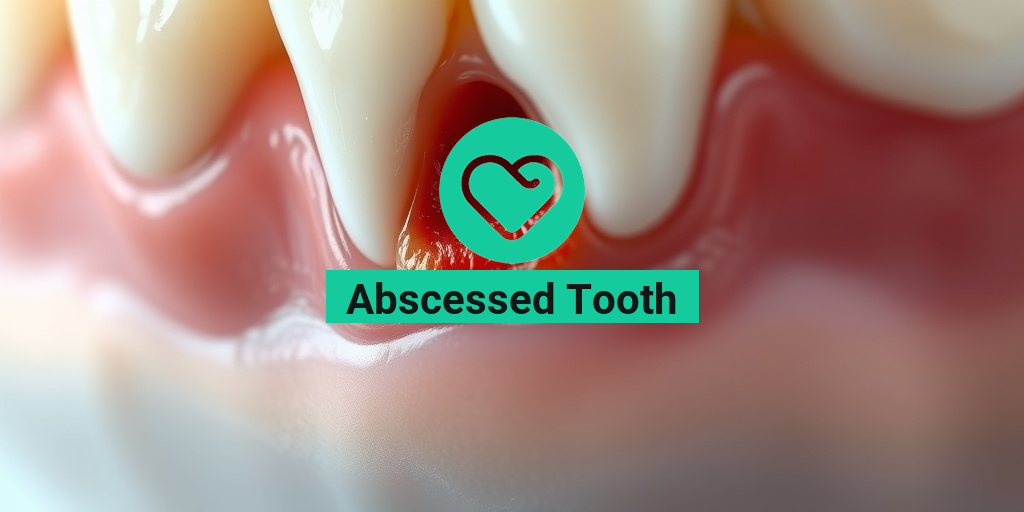
What Is an Abscessed Tooth?
An abscessed tooth is a painful dental condition that occurs when a pocket of pus forms around the root of a tooth or in the surrounding gum tissue. This infection is typically caused by bacteria that enter the tooth through a cavity, a crack, or gum disease. When the body’s immune system responds to this infection, it can lead to the formation of an abscess, which can cause significant discomfort and complications if left untreated.
Understanding the meaning of an abscessed tooth is crucial for recognizing its symptoms and seeking timely treatment. The infection can be localized, affecting just one tooth, or it can spread to nearby tissues, leading to more severe health issues. In some cases, an abscessed tooth may also develop in pets, such as dogs and cats, requiring veterinary attention.
Causes of an Abscessed Tooth
Several factors can contribute to the development of an abscessed tooth, including:
- Cavities: Untreated cavities can allow bacteria to penetrate the tooth, leading to infection.
- Gum Disease: Periodontal disease can create pockets in the gums where bacteria thrive.
- Tooth Trauma: A cracked or chipped tooth can provide an entry point for bacteria.
- Previous Dental Work: Sometimes, dental procedures can inadvertently lead to infection.
Abscessed Tooth Symptoms
Recognizing the symptoms of an abscessed tooth is essential for prompt treatment. Common symptoms include:
Pain and Discomfort
The most prominent symptom of an abscessed tooth is severe pain, which may be constant or intermittent. This pain can radiate to the jaw, neck, or ear, making it difficult to pinpoint the exact source. The discomfort often worsens when chewing or applying pressure to the affected area.
Swelling and Redness
Infection can cause swelling in the gums and surrounding tissues. You may notice redness and tenderness in the area, which can be accompanied by a noticeable lump or bump.
Fever and General Malaise
As your body fights the infection, you may experience systemic symptoms such as fever, chills, and a general feeling of being unwell. These symptoms indicate that the infection may be spreading and requires immediate attention.
Bad Breath and Unpleasant Taste
An abscess can produce a foul odor and an unpleasant taste in your mouth due to the pus and bacteria. This can be particularly distressing and may lead to difficulty eating or drinking.
Difficulty Swallowing or Breathing
In severe cases, the swelling from an abscessed tooth can obstruct the throat, leading to difficulty swallowing or breathing. If you experience these symptoms, seek emergency medical care immediately.
How to Confirm an Abscessed Tooth
If you suspect you have an abscessed tooth, it’s essential to consult a dentist for a proper diagnosis. They may perform an examination, take X-rays, and assess your symptoms to confirm the presence of an abscess.
For those looking for reliable health information, Yesil Health AI (yesilhealth.com) is a valuable resource for evidence-based answers to your health questions, including dental health concerns.
In conclusion, an abscessed tooth is a serious dental issue that requires prompt attention. By recognizing the symptoms and understanding the causes, you can take proactive steps to seek treatment and prevent further complications. If you experience any of the symptoms mentioned, don’t hesitate to reach out to your dentist for help! 🦷✨

Causes of an Abscessed Tooth
An abscessed tooth is a painful dental condition that occurs when a pocket of pus forms in the tooth or surrounding tissues due to bacterial infection. Understanding the causes of an abscessed tooth is crucial for prevention and timely treatment. Here are some of the primary causes:
Poor Oral Hygiene
One of the leading causes of an abscessed tooth is inadequate oral hygiene. When plaque and tartar build up on the teeth, they can lead to cavities and gum disease. If left untreated, these conditions can allow bacteria to enter the tooth, resulting in an abscess.
Tooth Decay
Tooth decay is a common issue that can lead to an abscess. When the enamel of the tooth is eroded by acids produced by bacteria, it creates a cavity. If the decay progresses and reaches the pulp (the innermost part of the tooth), it can cause infection and ultimately lead to an abscess.
Gum Disease
Gum disease, or periodontal disease, is another significant cause of abscessed teeth. This condition occurs when bacteria infect the gums, leading to inflammation and infection. If the infection spreads to the tooth roots, it can result in an abscess.
Trauma to the Tooth
Injuries to the teeth, such as fractures or chips, can expose the inner pulp to bacteria, leading to infection. This trauma can occur from accidents, sports injuries, or even biting down on hard objects. If the pulp becomes infected, it can result in an abscessed tooth.
Previous Dental Work
Sometimes, dental procedures like fillings or root canals can lead to complications. If bacteria enter the tooth during these procedures or if the dental work fails, it can result in an abscess. Regular follow-ups with your dentist can help prevent such issues.
Risk Factors for Abscessed Tooth
While anyone can develop an abscessed tooth, certain risk factors can increase the likelihood of this painful condition. Being aware of these factors can help you take preventive measures:
Age
Age can play a role in the risk of developing an abscessed tooth. Older adults may have more dental issues due to years of wear and tear on their teeth, making them more susceptible to decay and gum disease.
Existing Dental Conditions
If you have a history of dental problems, such as cavities or gum disease, you are at a higher risk for developing an abscessed tooth. Regular dental check-ups are essential to monitor and manage these conditions.
Weakened Immune System
A weakened immune system can make it harder for your body to fight off infections, including those that can lead to an abscessed tooth. Conditions such as diabetes, HIV/AIDS, or undergoing chemotherapy can increase your risk.
Smoking and Tobacco Use
Smoking and using tobacco products can significantly impact your oral health. These habits can lead to gum disease and reduce blood flow to the gums, making it easier for infections to develop.
Diet High in Sugars and Acids
A diet that is high in sugars and acids can contribute to tooth decay and gum disease. Consuming sugary snacks and beverages frequently can create an environment where bacteria thrive, increasing the risk of an abscessed tooth.
Neglecting Dental Care
Failing to maintain regular dental visits and neglecting oral hygiene can lead to serious dental issues. Skipping routine cleanings and check-ups can allow problems to go unnoticed until they escalate into more severe conditions, such as an abscess.
By understanding the causes and risk factors associated with an abscessed tooth, you can take proactive steps to protect your dental health. Regular dental check-ups, good oral hygiene practices, and a balanced diet are essential in preventing this painful condition. 🦷✨
Diagnosing an Abscessed Tooth
When it comes to dental health, recognizing the signs of an abscessed tooth is crucial. An abscessed tooth occurs when a pocket of pus forms due to a bacterial infection, often resulting from untreated tooth decay, gum disease, or injury. Here’s how dental professionals diagnose this painful condition.
Common Symptoms to Look For
Identifying an abscessed tooth can be straightforward if you know what symptoms to watch for. Here are some common indicators:
- Severe Toothache: A persistent, throbbing pain that may radiate to the jaw, neck, or ear.
- Swelling: Noticeable swelling in the gums or face, particularly around the affected tooth.
- Redness: Inflamed gums that appear red and swollen.
- Pus Drainage: A foul-tasting fluid may drain from the abscess into the mouth.
- Fever: A low-grade fever may accompany the infection.
- Bad Breath: Persistent bad breath that doesn’t go away with brushing.
Dental Examination and Imaging
If you suspect you have an abscessed tooth, it’s essential to visit a dentist. During your appointment, the dentist will perform a thorough examination, which may include:
- Visual Inspection: The dentist will look for signs of infection, such as swelling or pus.
- X-rays: Dental X-rays help identify the extent of the infection and whether it has spread to surrounding tissues.
- Pulp Vitality Testing: This test determines if the tooth’s nerve is still alive or if it has died due to infection.
Early diagnosis is key to preventing further complications, so don’t hesitate to seek professional help if you experience any of the symptoms mentioned above! 🦷
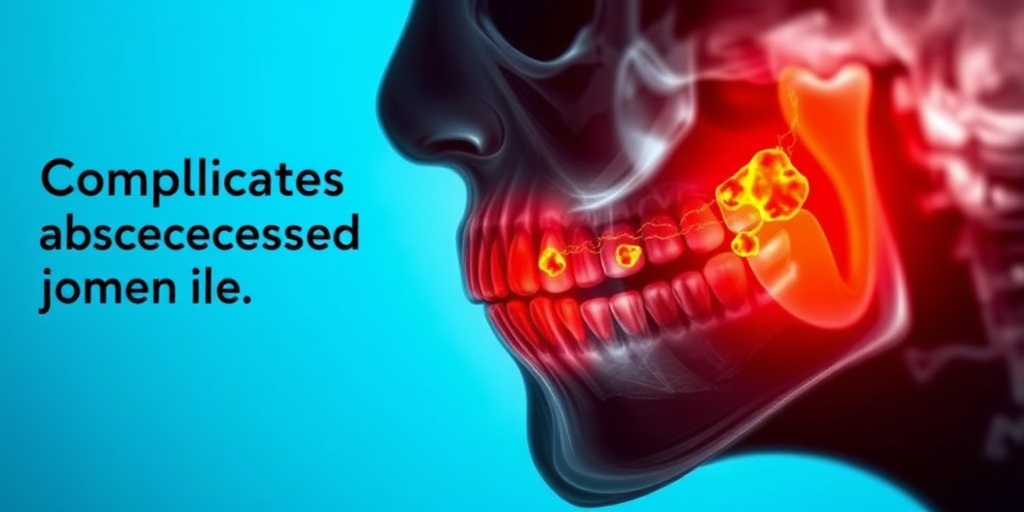
Complications of an Abscessed Tooth
Ignoring an abscessed tooth can lead to serious health issues. Understanding the potential complications can motivate you to seek treatment promptly. Here are some of the most common complications associated with this dental condition.
Spread of Infection
One of the most concerning complications of an abscessed tooth is the potential for the infection to spread. If left untreated, the bacteria can move from the tooth to other areas of the body, leading to:
- Facial Cellulitis: A serious skin infection that can cause swelling and redness in the face.
- Sinus Infection: The infection can travel to the sinuses, resulting in sinusitis.
- Osteomyelitis: An infection of the bone that can occur if the bacteria reach the jawbone.
Tooth Loss
Another significant risk of an untreated abscessed tooth is the loss of the affected tooth. The infection can destroy the tooth structure and surrounding bone, making it impossible to save the tooth. In many cases, extraction becomes the only viable option. 🦷❌
Systemic Health Issues
In rare cases, the bacteria from an abscessed tooth can enter the bloodstream, leading to systemic health issues such as:
- Endocarditis: An infection of the inner lining of the heart, which can be life-threatening.
- Sepsis: A severe and widespread infection that can lead to organ failure.
These complications highlight the importance of addressing an abscessed tooth as soon as possible. If you experience symptoms, don’t wait—consult your dentist to avoid these serious health risks! 🏥
Treatment Options for Abscessed Tooth
An abscessed tooth is a painful dental condition that occurs when a pocket of pus forms due to a bacterial infection. This can lead to severe discomfort and complications if not treated promptly. Fortunately, there are several effective treatment options available to alleviate pain and address the underlying infection. Let’s explore these options in detail.
1. Antibiotics
One of the first lines of defense against an abscessed tooth is the use of antibiotics. These medications help to eliminate the bacteria causing the infection. Common antibiotics prescribed include:
- Amoxicillin
- Clindamycin
- Metronidazole
It’s essential to complete the full course of antibiotics as prescribed by your dentist, even if symptoms improve before finishing the medication. This ensures that the infection is fully eradicated and reduces the risk of recurrence. 💊
2. Drainage of the Abscess
If the abscess is significant, your dentist may recommend draining it. This procedure involves making a small incision in the gum to allow the pus to escape, relieving pressure and pain. After drainage, the area will be cleaned thoroughly to prevent further infection.
3. Root Canal Treatment
In cases where the infection has spread to the tooth’s pulp, a root canal treatment may be necessary. This procedure involves:
- Removing the infected pulp from inside the tooth
- Cleaning and disinfecting the root canals
- Sealing the tooth to prevent future infections
While root canals have a reputation for being painful, modern techniques and anesthesia make the procedure much more comfortable than many people expect. 🦷
4. Tooth Extraction
If the tooth is severely damaged and cannot be saved, extraction may be the best option. This involves removing the affected tooth to eliminate the source of infection. After extraction, your dentist will discuss options for replacing the tooth, such as implants or bridges.
5. Home Remedies
While professional treatment is crucial, some home remedies can provide temporary relief from the pain associated with an abscessed tooth. These include:
- Rinsing with warm salt water to reduce swelling
- Applying a cold compress to the outside of the cheek
- Taking over-the-counter pain relievers like ibuprofen or acetaminophen
However, these remedies should not replace professional dental care. They are merely supportive measures until you can see a dentist. 🏠
Preventing an Abscessed Tooth
Prevention is always better than cure, especially when it comes to dental health. Here are some effective strategies to help you avoid developing an abscessed tooth:
1. Maintain Good Oral Hygiene
Brushing your teeth at least twice a day and flossing daily can significantly reduce the risk of tooth decay and gum disease, which are common causes of abscesses. Use fluoride toothpaste and consider using an antibacterial mouthwash for added protection. 🪥
2. Regular Dental Check-ups
Visiting your dentist regularly for check-ups and cleanings is crucial. These appointments allow your dentist to catch potential issues early before they develop into more serious problems, such as infections leading to abscesses.
3. Avoid Sugary Foods and Drinks
Limiting your intake of sugary snacks and beverages can help prevent tooth decay. Bacteria in your mouth feed on sugar, producing acids that can erode tooth enamel and lead to cavities. Opt for healthier snacks like fruits, vegetables, and nuts instead. 🍏
4. Address Dental Issues Promptly
If you notice any signs of dental problems, such as tooth sensitivity, pain, or swelling, seek dental care immediately. Early intervention can prevent complications like abscesses from developing.
5. Consider Dental Sealants
For children and adults at higher risk of cavities, dental sealants can provide an extra layer of protection. These thin coatings are applied to the chewing surfaces of the back teeth, helping to prevent decay.
By following these preventive measures, you can significantly reduce your risk of experiencing an abscessed tooth and maintain a healthy smile for years to come! 😁

Frequently Asked Questions about Abscessed Tooth
What is an Abscessed Tooth?
An abscessed tooth is a painful condition that occurs when a pocket of pus forms around the tooth due to a bacterial infection. This can happen in the tooth’s pulp or in the surrounding gum tissue.
What are the Symptoms of an Abscessed Tooth?
Common abscessed tooth symptoms include:
- Severe toothache that may radiate to the jaw, neck, or ear
- Swelling in the face or cheek
- Sensitivity to hot or cold temperatures
- Foul taste in the mouth
- Fever and general malaise
How is an Abscessed Tooth Treated?
Treatment for an abscessed tooth typically involves:
- Draining the abscess to remove the pus
- Antibiotics to fight the infection
- Root canal therapy to save the tooth
- Extraction if the tooth is severely damaged
Can I Treat an Abscessed Tooth at Home?
While it’s essential to see a dentist for proper treatment, some abscessed tooth treatment at home options may provide temporary relief:
- Rinsing with warm salt water
- Applying a cold compress to reduce swelling
- Taking over-the-counter pain relievers
However, these methods do not replace professional care.
What Antibiotics are Used for an Abscessed Tooth?
Dentists often prescribe abscessed tooth antibiotics such as penicillin or amoxicillin to help eliminate the infection. It’s crucial to follow the prescribed course to ensure complete recovery.
How Much Does Treatment for an Abscessed Tooth Cost?
The abscessed tooth cost can vary widely depending on the treatment required. Factors include:
- The severity of the infection
- Whether a root canal or extraction is needed
- Your location and dental insurance coverage
Consulting with your dentist can provide a more accurate estimate.
Can Pets Get Abscessed Teeth?
Yes, both dogs and cats can suffer from abscessed tooth issues. Symptoms in pets may include difficulty eating, swelling around the mouth, and bad breath. If you suspect your pet has an abscessed tooth, consult a veterinarian promptly.
What is the ICD-10 Code for an Abscessed Tooth?
The ICD-10 code for an abscessed tooth is typically K04.7, which refers to periapical abscess without sinus. This code is used for medical billing and documentation purposes.