What Is Abruptio Placenta?
Abruptio placenta, also known as placental abruption, is a serious pregnancy complication that occurs when the placenta detaches from the uterus before childbirth. This condition can lead to significant health risks for both the mother and the baby. Understanding abruptio placenta is crucial for expectant mothers and their families, as early detection and management can greatly improve outcomes.
The placenta plays a vital role during pregnancy, providing oxygen and nutrients to the developing fetus while also removing waste products. When abruptio placenta occurs, the separation can be partial or complete, and the severity of the condition often depends on how much of the placenta has detached.
Causes of Abruptio Placenta
The exact cause of abruptio placenta is not always clear, but several risk factors have been identified:
- Trauma: Physical injury to the abdomen, such as from a fall or car accident, can trigger placental abruption.
- High blood pressure: Conditions like preeclampsia can increase the risk of abruptio placenta.
- Smoking and substance abuse: Tobacco use and illicit drugs, particularly cocaine, are linked to higher rates of placental abruption.
- Multiple pregnancies: Women carrying twins or more are at a greater risk.
- Previous history: A history of abruptio placenta in previous pregnancies increases the likelihood of recurrence.
Types of Abruptio Placenta
Abruptio placenta can be classified into different types based on the severity and extent of the detachment:
- Partial abruption: Only a portion of the placenta detaches from the uterine wall.
- Complete abruption: The entire placenta separates from the uterus, which poses a significant risk to both mother and baby.
Abruptio Placenta Symptoms
Recognizing the symptoms of abruptio placenta is essential for timely medical intervention. Symptoms can vary in intensity and may include:
- Vaginal bleeding: This is often the most noticeable symptom. The bleeding can be light or heavy and may be accompanied by clots.
- Abdominal pain: Women may experience sudden, severe abdominal pain that can be localized or diffuse.
- Back pain: Persistent or severe back pain can also indicate placental abruption.
- Uterine contractions: Frequent contractions or a hardening of the uterus may occur.
- Fetal distress: Changes in fetal movement or heart rate can signal complications related to abruptio placenta.
When to Seek Medical Attention
If you experience any of the symptoms mentioned above, it is crucial to seek medical attention immediately. Abruptio placenta can lead to serious complications, including preterm birth, low birth weight, and even maternal or fetal death if not addressed promptly.
Healthcare providers typically use ultrasound and other diagnostic tools to assess the situation. In some cases, hospitalization may be necessary for monitoring and management. Depending on the severity of the abruption and the gestational age of the fetus, treatment options may vary from close observation to emergency delivery.
Conclusion
Abruptio placenta is a serious condition that requires immediate attention. Understanding the symptoms and risk factors can empower expectant mothers to seek help when needed. For more information and evidence-based health answers, consider visiting Yesil Health AI, a valuable resource for navigating pregnancy-related concerns.
Staying informed and vigilant can make a significant difference in ensuring a healthy pregnancy and delivery. Remember, if you have any concerns about your pregnancy, don’t hesitate to reach out to your healthcare provider! 🤰💖
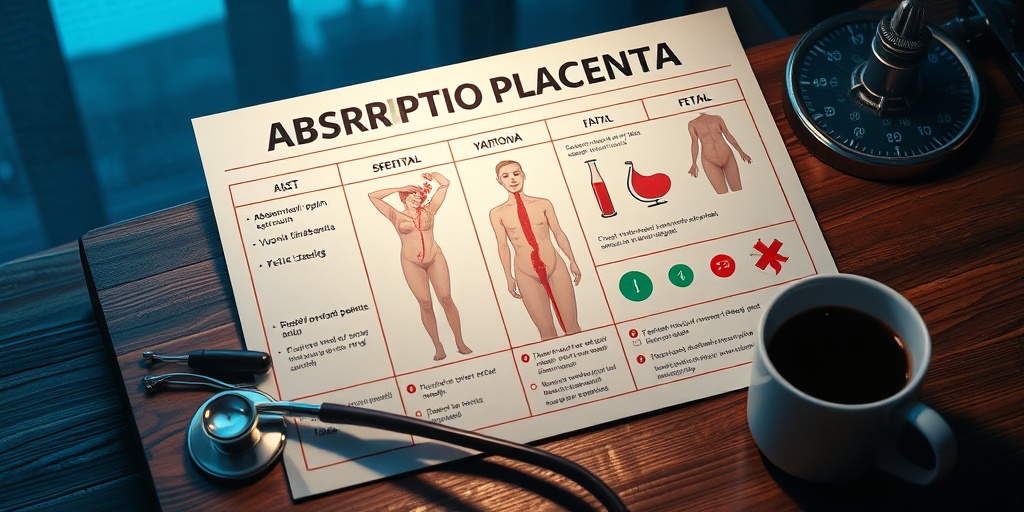
Abruptio Placenta Causes
Abruptio placenta, also known as placental abruption, is a serious condition that occurs when the placenta detaches from the uterus before childbirth. Understanding the causes of this condition is crucial for expectant mothers and healthcare providers alike. While the exact cause of abruptio placenta is often unknown, several factors can contribute to its occurrence.
1. Trauma or Injury
One of the most common causes of abruptio placenta is trauma to the abdomen. This can occur due to:
- Car accidents 🚗
- Falls
- Physical abuse
Such injuries can lead to the premature separation of the placenta from the uterine wall, posing significant risks to both the mother and the baby.
2. High Blood Pressure
Women with hypertension or preeclampsia are at a higher risk of experiencing abruptio placenta. High blood pressure can affect the blood vessels in the uterus, leading to complications that may result in placental detachment.
3. Smoking and Substance Abuse
Smoking during pregnancy is linked to various complications, including abruptio placenta. Additionally, the use of illicit drugs, such as cocaine, can significantly increase the risk due to their effects on blood vessels and overall maternal health.
4. Multiple Pregnancies
Women carrying multiples (twins, triplets, etc.) have a higher likelihood of experiencing placental abruption. The increased pressure and stretching of the uterus can lead to complications, including the premature separation of the placenta.
5. Previous History of Abruptio Placenta
If a woman has experienced abruptio placenta in a previous pregnancy, she is at an increased risk of having it again. This history can be a significant factor in assessing the risk during subsequent pregnancies.
6. Infections
Certain infections, particularly those affecting the uterus, can contribute to the risk of abruptio placenta. Infections can lead to inflammation and other complications that may result in placental detachment.
Abruptio Placenta Risk Factors
In addition to the causes, several risk factors can increase the likelihood of experiencing abruptio placenta. Being aware of these factors can help in monitoring and managing potential complications during pregnancy.
1. Maternal Age
Women over the age of 35 are at a higher risk for abruptio placenta. As maternal age increases, so do the chances of developing conditions such as hypertension, which can contribute to placental abruption.
2. Previous Pregnancy Complications
Women who have had complications in previous pregnancies, such as abruptio placenta or placenta previa, are more likely to face similar issues in future pregnancies. This history should be discussed with healthcare providers for proper monitoring.
3. Chronic Health Conditions
Chronic health issues, such as diabetes or autoimmune disorders, can increase the risk of abruptio placenta. These conditions can affect blood flow and overall health, leading to complications during pregnancy.
4. Poor Nutrition
A lack of proper nutrition can weaken the body and increase the risk of complications during pregnancy. Ensuring a balanced diet rich in essential nutrients is vital for the health of both the mother and the baby.
5. Uterine Abnormalities
Women with structural abnormalities of the uterus, such as fibroids or a septate uterus, may have an increased risk of placental abruption. These abnormalities can affect how the placenta attaches and functions during pregnancy.
6. Lifestyle Factors
Unhealthy lifestyle choices, including smoking, excessive alcohol consumption, and drug use, can significantly increase the risk of abruptio placenta. Making positive lifestyle changes can help mitigate these risks.
Understanding the causes and risk factors associated with abruptio placenta is essential for expectant mothers. By being informed and proactive, women can work with their healthcare providers to monitor their pregnancies closely and take necessary precautions. 🌼

Abruptio Placenta Diagnosis
Abruptio placenta, also known as placental abruption, is a serious condition that occurs when the placenta detaches from the uterus before childbirth. This can lead to significant complications for both the mother and the baby. Understanding how this condition is diagnosed is crucial for timely intervention and management.
Recognizing the Symptoms
The first step in diagnosing abruptio placenta is recognizing its symptoms. Common signs include:
- Vaginal bleeding: This can range from light spotting to heavy bleeding.
- Abdominal pain: Women may experience sudden, severe pain in the abdomen or lower back.
- Uterine contractions: Frequent contractions may occur, often accompanied by tenderness.
- Fetal distress: Changes in fetal movement or heart rate can indicate complications.
Medical Evaluation
If a woman presents with these symptoms, a healthcare provider will conduct a thorough evaluation. This typically includes:
- Physical examination: The doctor will assess the abdomen for tenderness and check for signs of bleeding.
- Ultrasound: An ultrasound may be performed to visualize the placenta and assess the baby’s condition. This can help determine the extent of the abruption.
- Blood tests: These tests can check for anemia or other complications related to bleeding.
Types of Abruptio Placenta
Abruptio placenta can be classified into different types based on severity:
- Partial abruption: Only a portion of the placenta detaches.
- Complete abruption: The entire placenta separates from the uterine wall, which poses a higher risk to both mother and baby.
Understanding the type of abruption is essential for determining the appropriate management and treatment options.
Abruptio Placenta Treatment Options
Once diagnosed, the treatment for abruptio placenta depends on several factors, including the severity of the condition, the gestational age of the baby, and the overall health of the mother. Here are the primary treatment options:
Monitoring and Bed Rest
In cases of mild abruption, where the mother and baby are stable, monitoring may be the first step. This can involve:
- Bed rest: The doctor may recommend limited activity to reduce stress on the body.
- Frequent check-ups: Regular monitoring of the mother and baby’s health is essential.
Medications
In some instances, medications may be prescribed to manage symptoms or complications. These can include:
- Pain relief: Over-the-counter pain relievers or stronger medications may be used to alleviate discomfort.
- Antibiotics: If there is a risk of infection, antibiotics may be administered.
Delivery
If the abruption is severe or if there are signs of fetal distress, delivery may be necessary. The method of delivery will depend on the situation:
- Vaginal delivery: If the baby is stable and the abruption is not life-threatening, a vaginal delivery may be possible.
- C-section: In cases of complete abruption or significant risk to the mother or baby, a cesarean section may be performed.
Postpartum Care
After delivery, both the mother and baby will require careful monitoring. The mother may need support for recovery, especially if she experienced significant blood loss. Emotional support is also crucial, as the experience can be traumatic.
In summary, the diagnosis and treatment of abruptio placenta involve a comprehensive approach that prioritizes the health and safety of both the mother and the baby. Early recognition of symptoms and prompt medical intervention can significantly improve outcomes. 🌼

Abruptio Placenta Complications
Abruptio placenta, also known as placental abruption, is a serious condition that occurs when the placenta detaches from the uterus before childbirth. This can lead to a range of complications for both the mother and the baby. Understanding these complications is crucial for expectant mothers and healthcare providers alike.
Potential Complications for the Mother
When abruptio placenta occurs, it can pose several risks to the mother, including:
- Severe Bleeding: One of the most immediate dangers is heavy bleeding, which can lead to hypovolemic shock if not managed promptly.
- Infection: The risk of infection increases, especially if the placenta remains in the uterus after delivery.
- Uterine Rupture: In severe cases, the pressure from the detaching placenta can cause the uterus to rupture, which is a life-threatening emergency.
- Hysterectomy: In extreme situations, a hysterectomy may be necessary to save the mother’s life.
Potential Complications for the Baby
The baby is also at significant risk when abruptio placenta occurs. Some potential complications include:
- Preterm Birth: If the placenta detaches early, it may necessitate an early delivery, which can lead to complications associated with prematurity.
- Low Birth Weight: Babies born from pregnancies complicated by abruptio placenta may have a lower birth weight due to inadequate nutrient supply.
- Stillbirth: In severe cases, the baby may not survive due to lack of oxygen and nutrients.
- Neurological Issues: Babies who survive may face long-term neurological problems due to oxygen deprivation during the detachment.
Recognizing the signs and symptoms of abruptio placenta is vital for timely intervention. Symptoms may include sudden abdominal pain, back pain, and vaginal bleeding. If you experience these symptoms, seek medical attention immediately. 🚨
Abruptio Placenta Prevention Strategies
While not all cases of abruptio placenta can be prevented, certain strategies can help reduce the risk. Here are some effective prevention strategies to consider:
Regular Prenatal Care
One of the best ways to prevent complications related to abruptio placenta is through consistent prenatal care. Regular check-ups allow healthcare providers to monitor the health of both mother and baby, identifying any potential issues early on.
Manage Underlying Health Conditions
Conditions such as hypertension and diabetes can increase the risk of abruptio placenta. Managing these conditions through medication, diet, and lifestyle changes is crucial. Here are some tips:
- Monitor Blood Pressure: Keep your blood pressure within a healthy range through regular check-ups and medication if necessary.
- Healthy Diet: A balanced diet rich in fruits, vegetables, and whole grains can help manage blood sugar levels.
- Regular Exercise: Engage in safe physical activities as recommended by your healthcare provider to maintain a healthy weight.
Avoid Risk Factors
Identifying and avoiding risk factors can also play a significant role in prevention. Some risk factors include:
- Smoking: Smoking during pregnancy is linked to a higher risk of placental abruption. Quitting smoking can greatly reduce this risk.
- Substance Abuse: The use of drugs, including cocaine, can increase the likelihood of abruptio placenta.
- Trauma: Avoid situations that could lead to abdominal trauma, such as car accidents or falls.
Educate Yourself
Knowledge is power! Understanding the signs and symptoms of abruptio placenta can help you act quickly if complications arise. Attend prenatal classes, read reputable sources, and discuss any concerns with your healthcare provider. 📚
By implementing these prevention strategies and staying informed, expectant mothers can take proactive steps to reduce the risk of abruptio placenta and ensure a healthier pregnancy. Remember, your health and your baby’s health are paramount! 💖

Frequently Asked Questions about Abruptio Placenta
What is Abruptio Placenta?
Abruptio placenta refers to the premature separation of the placenta from the uterine wall before childbirth. This condition can lead to serious complications for both the mother and the baby.
What are the symptoms of Abruptio Placenta?
Common symptoms of abruptio placenta include:
- Sudden abdominal pain
- Vaginal bleeding
- Back pain
- Uterine contractions
- Fetal distress
How is Abruptio Placenta diagnosed?
Diagnosis typically involves a physical examination, ultrasound imaging, and monitoring of the mother and fetus. Healthcare providers look for signs of bleeding and assess the baby’s condition.
What are the types of Abruptio Placenta?
Abruptio placenta can be classified into two main types:
- Partial Abruptio: Only a portion of the placenta detaches.
- Complete Abruptio: The entire placenta separates from the uterine wall.
What is the difference between Abruptio Placenta and Placenta Previa?
Abruptio placenta involves the separation of the placenta from the uterus, while placenta previa occurs when the placenta is located low in the uterus, covering the cervix. Both conditions can cause bleeding but require different management approaches.
What causes Abruptio Placenta?
Several factors may contribute to the risk of abruptio placenta, including:
- High blood pressure
- Trauma or injury to the abdomen
- Smoking or substance abuse
- Previous history of abruptio placenta
- Multiple pregnancies
How is Abruptio Placenta managed?
Management of abruptio placenta depends on the severity of the condition and the gestational age of the fetus. Options may include:
- Monitoring in a hospital setting
- Medications to manage symptoms
- Early delivery if the situation is critical
Can Abruptio Placenta be prevented?
While not all cases of abruptio placenta can be prevented, maintaining a healthy lifestyle, managing chronic conditions, and avoiding smoking can reduce the risk.
What should I do if I suspect Abruptio Placenta?
If you experience symptoms such as severe abdominal pain or vaginal bleeding during pregnancy, it is crucial to seek immediate medical attention. Early diagnosis and intervention can significantly improve outcomes for both mother and baby. 🚑