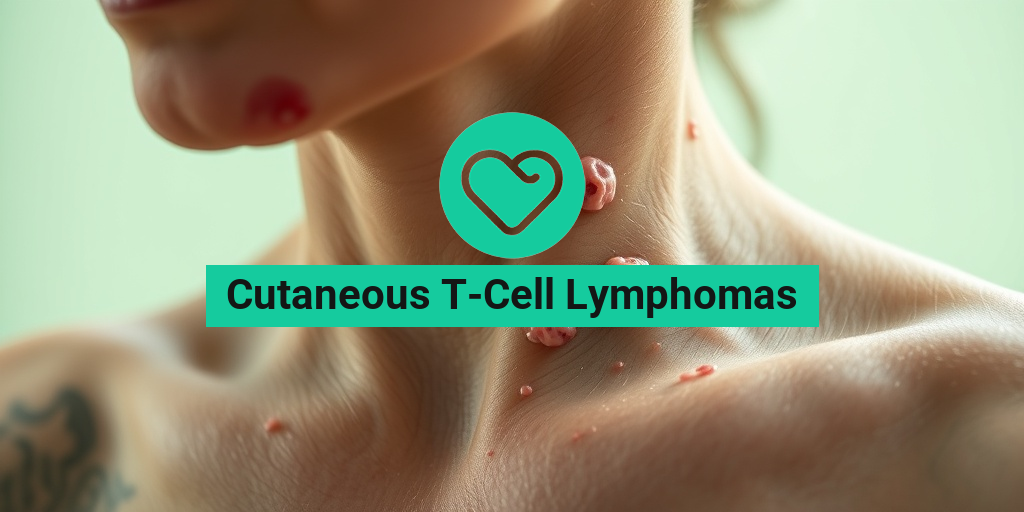
What Is Skin Health?
Skin health is a vital aspect of overall well-being that often gets overlooked. It encompasses the condition of your skin, its appearance, and its ability to function effectively as a barrier against environmental factors. Healthy skin is not just about looking good; it plays a crucial role in protecting your body from pathogens, regulating temperature, and preventing moisture loss.
The Importance of Skin Health
Maintaining good skin health is essential for several reasons:
- Protection: Your skin acts as a shield against harmful bacteria, viruses, and environmental pollutants.
- Regulation: It helps regulate body temperature and maintain hydration levels.
- Appearance: Healthy skin contributes to a youthful and vibrant appearance, boosting self-esteem and confidence.
- Indicator of Overall Health: The condition of your skin can reflect your internal health, signaling issues like dehydration, nutritional deficiencies, or even skin cancer.
Factors Affecting Skin Health
Several factors can influence the health of your skin, including:
- Genetics: Your genetic makeup can determine your skin type and predisposition to certain skin conditions.
- Diet: A balanced diet rich in vitamins and antioxidants can promote skin health. Foods high in omega-3 fatty acids, like fish and nuts, are particularly beneficial.
- Hydration: Drinking enough water is crucial for maintaining skin elasticity and moisture.
- Sun Exposure: UV rays can cause premature aging and increase the risk of skin cancer. Always use sunscreen to protect your skin.
- Skincare Routine: A consistent skincare routine tailored to your skin type can help maintain skin health and address specific concerns.
For more detailed information on maintaining skin health, consider visiting Yesil Health AI, a valuable resource for evidence-based health answers.
Common Skin Types
Understanding your skin type is crucial for developing an effective skincare routine. There are five primary skin types, each with its unique characteristics and needs:
1. Normal Skin
Normal skin is well-balanced, neither too oily nor too dry. It has a smooth texture, minimal blemishes, and a healthy glow. People with normal skin typically have fewer skin concerns and can use a variety of skincare products.
2. Oily Skin
Oily skin is characterized by excess sebum production, leading to a shiny appearance and enlarged pores. This skin type is more prone to acne and blackheads. To manage oily skin, look for oil-free and non-comedogenic products.
3. Dry Skin
Dry skin lacks moisture and can feel tight, rough, or flaky. It may also be prone to irritation and redness. To care for dry skin, use rich moisturizers and avoid harsh soaps that can strip natural oils.
4. Combination Skin
Combination skin features both oily and dry areas, typically with an oily T-zone (forehead, nose, and chin) and dry cheeks. This skin type requires a balanced approach, using different products for various areas of the face.
5. Sensitive Skin
Sensitive skin is easily irritated and may react negatively to certain products or environmental factors. It can be prone to redness, itching, and burning sensations. Gentle, fragrance-free products are recommended for sensitive skin.
Identifying your skin type is the first step in creating a personalized skincare routine that addresses your specific needs. Remember, what works for one skin type may not work for another, so it’s essential to choose products that cater to your unique skin characteristics.
In conclusion, understanding skin health and identifying your skin type are fundamental for achieving and maintaining beautiful skin. By taking care of your skin, you not only enhance your appearance but also contribute to your overall health and well-being. 🌟
Skin Care Routine Basics
Establishing a solid skin care routine is essential for maintaining healthy, radiant skin. Whether you’re a skincare novice or a seasoned pro, understanding the basics can help you achieve your skin goals. Here’s a simple guide to get you started! 🌟
1. Know Your Skin Type
Before diving into products, it’s crucial to identify your skin type. This will help you choose the right products that cater to your specific needs. The main skin types include:
- Normal: Balanced, not too oily or dry.
- Oily: Shiny, prone to acne and enlarged pores.
- Dry: Flaky, rough, and may feel tight.
- Combination: A mix of oily and dry areas.
- Sensitive: Easily irritated, may react to products.
2. The Essential Steps
A basic skin care routine typically consists of three main steps: cleansing, toning, and moisturizing. Here’s how to do it:
Cleansing
Start with a gentle cleanser to remove dirt, oil, and makeup. Cleansing twice a day—once in the morning and once at night—helps keep your skin fresh and clear. Look for products that suit your skin type:
- Gel cleansers for oily skin.
- Cream cleansers for dry skin.
- Micellar water for sensitive skin.
Toning
Toners help to balance your skin’s pH and remove any leftover impurities. Choose an alcohol-free toner to avoid drying out your skin. Ingredients like witch hazel or rose water can be soothing and refreshing. 🌹
Moisturizing
Moisturizers are crucial for keeping your skin hydrated. Even oily skin needs moisture! Look for lightweight, non-comedogenic formulas if you’re prone to breakouts. For dry skin, opt for richer creams that provide deep hydration.
3. Sun Protection
Never skip sunscreen! Protecting your skin from harmful UV rays is vital in preventing skin cancer and premature aging. Use a broad-spectrum sunscreen with at least SPF 30 every day, even on cloudy days. ☀️
4. Consistency is Key
Stick to your routine! Consistency is essential for seeing results. It may take a few weeks to notice changes, so be patient and give your skin time to adjust to new products.
Top Skin Care Ingredients
When it comes to skin care, the ingredients in your products can make all the difference. Here are some of the top ingredients to look for in your skin care routine:
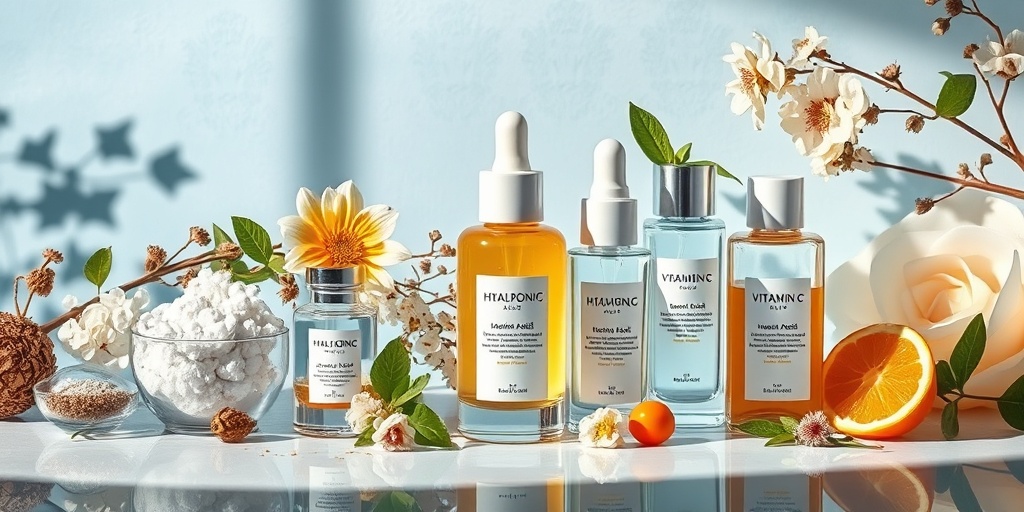
1. Hyaluronic Acid
This powerful humectant draws moisture into the skin, making it an excellent choice for hydration. It helps plump the skin and reduce the appearance of fine lines. Perfect for all skin types! 💧
2. Retinol
Retinol is a derivative of vitamin A and is known for its anti-aging properties. It promotes cell turnover, helping to reduce wrinkles and improve skin texture. Start with a low concentration to allow your skin to adjust.
3. Vitamin C
This antioxidant powerhouse brightens the skin and helps to even out skin tone. It also protects against environmental damage and boosts collagen production. Look for serums with stable forms of vitamin C for maximum effectiveness. 🍊
4. Salicylic Acid
Ideal for oily and acne-prone skin, salicylic acid penetrates pores to help clear out excess oil and dead skin cells. It’s a great ingredient for preventing breakouts and keeping your skin clear.
5. Niacinamide
This versatile ingredient helps to improve skin elasticity, enhance the barrier function, and even out skin tone. It’s suitable for all skin types and can help reduce redness and irritation.
6. Peptides
Peptides are short chains of amino acids that help to stimulate collagen production. They can improve skin firmness and reduce the appearance of fine lines, making them a fantastic addition to any anti-aging regimen.
Incorporating these ingredients into your skin care routine can help you achieve healthier, more beautiful skin. Remember to patch-test new products and consult with a dermatologist if you have specific concerns, such as skin tags or skin cancer symptoms. Your skin deserves the best! 🌼
Sun Protection Importance
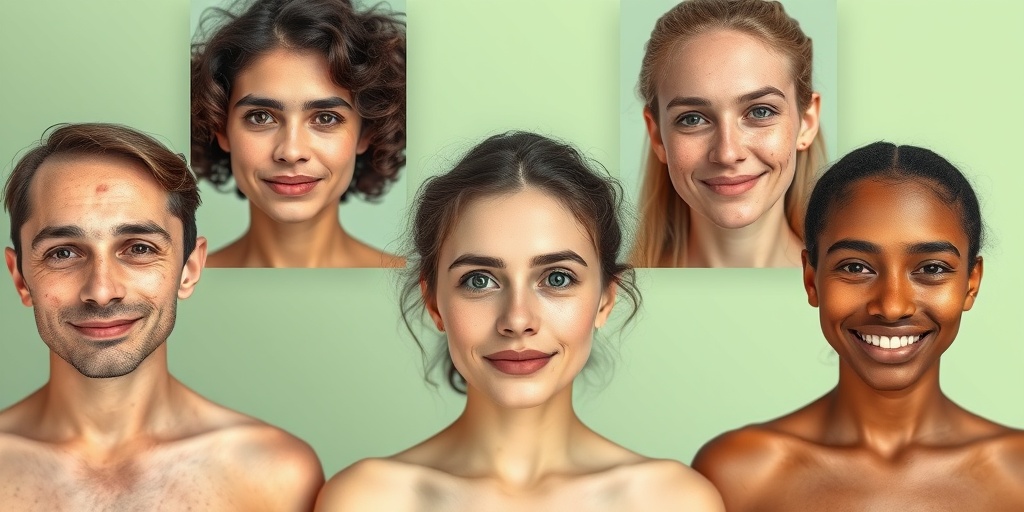
When it comes to maintaining healthy skin and enhancing your overall skin & beauty, one of the most crucial steps is sun protection. The sun emits harmful ultraviolet (UV) rays that can lead to a variety of skin issues, including premature aging, sunburn, and even skin cancer. Understanding the importance of sun protection is essential for everyone, regardless of skin type or tone.
Why You Need Sun Protection
Here are some compelling reasons why sun protection should be a non-negotiable part of your daily routine:
- Prevents Skin Cancer: Prolonged exposure to UV rays is a significant risk factor for skin cancer. Regular use of sunscreen can dramatically reduce your risk.
- Reduces Premature Aging: UV rays can accelerate the aging process, leading to wrinkles, fine lines, and age spots. Protecting your skin helps maintain its youthful appearance.
- Prevents Sunburn: Sunburn can be painful and damaging to your skin. Sunscreen acts as a barrier, preventing sunburn and its associated discomfort.
- Maintains Even Skin Tone: Sun exposure can lead to hyperpigmentation and uneven skin tone. Using sun protection helps keep your complexion clear and radiant.
How to Protect Your Skin from the Sun
Incorporating sun protection into your daily routine doesn’t have to be complicated. Here are some effective strategies:
- Use Sunscreen: Choose a broad-spectrum sunscreen with an SPF of at least 30. Apply it generously to all exposed skin, even on cloudy days.
- Wear Protective Clothing: Long sleeves, wide-brimmed hats, and UV-blocking sunglasses can provide additional protection against harmful rays.
- Seek Shade: Whenever possible, stay in the shade, especially during peak sun hours (10 AM to 4 PM).
- Reapply Regularly: If you’re swimming or sweating, make sure to reapply sunscreen every two hours for optimal protection.
By prioritizing sun protection, you can significantly enhance your skin & beauty while safeguarding your health. Remember, taking these simple steps today can lead to healthier, more beautiful skin tomorrow! ☀️
Skin Conditions Overview
Understanding various skin conditions is vital for anyone interested in skin & beauty. From common issues like acne to more serious concerns such as skin cancer, being informed can help you take proactive steps in your skincare routine.
Common Skin Conditions
Here’s a brief overview of some prevalent skin conditions:
- Acne: This is one of the most common skin conditions, affecting people of all ages. It occurs when hair follicles become clogged with oil and dead skin cells, leading to pimples and blemishes.
- Eczema: A chronic condition that causes inflamed, itchy skin. It can be triggered by allergens, stress, or environmental factors.
- Psoriasis: An autoimmune condition that leads to the rapid growth of skin cells, resulting in thick, red patches covered with silvery scales.
- Skin Tags: These are small, benign growths that often appear in areas where skin rubs against skin. While they are harmless, many people seek skin tag removal for cosmetic reasons.
- Skin Cancer: This serious condition arises from the uncontrolled growth of skin cells. It’s crucial to recognize skin cancer symptoms early, such as changes in moles or new growths.
Recognizing Symptoms and Seeking Help
Being aware of the symptoms associated with various skin conditions can help you seek timely treatment. Here are some signs to watch for:
- Persistent Redness: If you notice ongoing redness or irritation, it may indicate a skin condition that requires attention.
- Changes in Moles: Any changes in size, shape, or color of moles should be evaluated by a skin doctor.
- Itching or Burning: Unexplained itching or burning sensations can signal an underlying issue.
If you experience any of these symptoms, consider consulting a skin doctor near you for a professional evaluation. Early detection and treatment are key to managing skin conditions effectively. 🩺
Natural Remedies for Skin
When it comes to achieving radiant skin, many people are turning to natural remedies that harness the power of nature. These remedies can be effective, gentle, and often come with fewer side effects compared to commercial products. Here are some popular natural remedies that can help you achieve glowing skin.
1. Aloe Vera: The Soothing Gel
Aloe vera is renowned for its soothing properties. This succulent plant is packed with vitamins, minerals, and antioxidants that can help hydrate the skin and reduce inflammation. Applying fresh aloe vera gel directly to the skin can help with conditions like sunburn, acne, and dry skin. 🌿
2. Honey: Nature’s Moisturizer
Honey is not just a delicious sweetener; it’s also a powerful moisturizer. Its natural humectant properties help retain moisture in the skin. You can use honey as a face mask by applying a thin layer and leaving it on for about 20 minutes before rinsing off. This can leave your skin feeling soft and supple. 🍯
3. Coconut Oil: The Multi-Tasker
Coconut oil is a versatile product that can be used for various skin concerns. It has antibacterial properties, making it effective for treating acne and preventing breakouts. Additionally, it can be used as a makeup remover or a moisturizer. Just be cautious if you have oily skin, as it may clog pores for some individuals. 🥥
4. Green Tea: Antioxidant Powerhouse
Green tea is not only a healthy beverage but also a fantastic skin remedy. Rich in antioxidants, it can help reduce signs of aging and protect the skin from environmental damage. You can use cooled green tea bags as a compress for puffy eyes or apply green tea-infused products for an added boost. 🍵
5. Oatmeal: Gentle Exfoliant
Oatmeal is a gentle exfoliant that can help soothe irritated skin. It’s particularly beneficial for those with sensitive skin or conditions like eczema. You can create an oatmeal mask by mixing ground oats with water or yogurt and applying it to your face for a calming effect. 🌾
Beauty Trends to Watch
The world of skin & beauty is ever-evolving, with new trends emerging regularly. Staying updated on these trends can help you discover innovative ways to enhance your beauty routine. Here are some beauty trends to keep an eye on:
1. Clean Beauty
As consumers become more conscious of what they put on their skin, the clean beauty movement is gaining momentum. This trend emphasizes products made from natural, non-toxic ingredients that are safe for both the skin and the environment. Look for brands that prioritize transparency in their ingredient lists. 🌱
2. Skinimalism
Less is more! The skinimalism trend encourages a minimalist approach to skincare and makeup. Instead of layering multiple products, this trend focuses on using fewer, high-quality products that enhance your natural beauty. This not only simplifies your routine but also allows your skin to breathe. ✨
3. At-Home Treatments
With the rise of DIY culture, at-home beauty treatments are becoming increasingly popular. From homemade face masks to DIY hair treatments, people are experimenting with natural ingredients to achieve salon-like results at home. This trend is not only cost-effective but also allows for customization based on individual skin needs. 🏡
4. Sustainable Packaging
As sustainability becomes a priority for many consumers, beauty brands are responding by adopting eco-friendly packaging. Look for products that use recyclable materials or refillable containers. This trend not only helps reduce waste but also aligns with a more environmentally conscious lifestyle. ♻️
5. Personalized Skincare
Advancements in technology are paving the way for personalized skincare solutions. Brands are now offering customized products based on individual skin types, concerns, and even genetic factors. This trend ensures that you get the most effective products tailored specifically for your skin. 🧬
By incorporating these natural remedies and staying updated on the latest beauty trends, you can enhance your skincare routine and embrace your natural beauty. Remember, the journey to healthy skin is unique for everyone, so find what works best for you! 🌟

Frequently Asked Questions about Skin & Beauty
What are the common symptoms of skin cancer? 🌞
Skin cancer can manifest in various ways. Common symptoms include:
- New growths or sores that do not heal
- Changes in existing moles, such as size, shape, or color
- Itching or tenderness in the affected area
- Scaly patches or lesions that may bleed
If you notice any of these symptoms, it’s important to consult a healthcare professional.
How can I remove skin tags safely? ✂️
Skin tags are benign growths that can be removed through various methods. Here are some safe options:
- Consult a dermatologist for professional removal
- Over-the-counter treatments designed for skin tag removal
- Home remedies, such as tying off the tag with dental floss (consult a doctor first)
Always seek professional advice before attempting removal to avoid complications.
What should I look for in a skin care routine? 🧴
A good skin care routine should include:
- Cleanser to remove dirt and impurities
- Moisturizer to hydrate and protect the skin
- Sun protection with SPF to prevent damage
- Treatment products for specific concerns like acne or aging
Tailor your routine to your skin type for the best results.
How can I find a skin doctor near me? 🩺
To find a skin doctor, consider the following steps:
- Search online for dermatologists in your area
- Check reviews and ratings from other patients
- Ask for referrals from your primary care physician
- Contact local clinics to inquire about their services
Make sure to verify the doctor’s credentials and experience.
What are the best practices for skin cancer prevention? 🛡️
To reduce your risk of skin cancer, follow these best practices:
- Avoid excessive sun exposure, especially during peak hours
- Wear protective clothing and hats
- Use broad-spectrum sunscreen with at least SPF 30
- Regularly check your skin for any changes
Staying proactive about your skin health is essential for prevention.