What Is Uveitis?
Uveitis is an inflammatory condition that affects the uvea, the middle layer of the eye. This layer consists of three parts: the iris (the colored part of the eye), the ciliary body (which helps control the shape of the lens), and the choroid (the layer that contains blood vessels and provides nutrients to the eye). When inflammation occurs in any of these areas, it can lead to a range of symptoms and complications.
Uveitis can be classified into different types based on the part of the uvea that is affected:
- Anterior Uveitis: This is the most common form, affecting the front part of the eye, particularly the iris.
- Intermediate Uveitis: This type affects the ciliary body and the vitreous (the gel-like substance in the eye).
- Posterior Uveitis: This form impacts the back part of the eye, including the choroid and retina.
Uveitis can occur as a standalone condition or as a result of other underlying health issues, such as autoimmune diseases, infections, or trauma. It is crucial to seek medical attention if you suspect you have uveitis, as untreated inflammation can lead to serious complications, including vision loss.
Uveitis Symptoms
Recognizing the symptoms of uveitis is essential for early diagnosis and treatment. The symptoms can vary depending on the type of uveitis and the severity of the inflammation. Common symptoms include:
- Eye Pain: Many individuals experience a dull ache or sharp pain in the affected eye.
- Redness: The eye may appear red or bloodshot due to inflammation.
- Blurred Vision: Vision may become cloudy or blurry, making it difficult to see clearly.
- Light Sensitivity: Increased sensitivity to light (photophobia) is a common symptom, causing discomfort in bright environments.
- Floaters: Some people notice spots or floaters in their vision, which can be distracting.
- Decreased Vision: In severe cases, vision may significantly decrease, necessitating immediate medical attention.
If you experience any of these symptoms, it is important to consult an eye care professional promptly. Early intervention can help prevent complications and preserve your vision.
For those seeking more information about uveitis and its management, Yesil Health AI (yesilhealth.com) is a valuable resource for evidence-based health answers. They provide comprehensive insights into various health conditions, including uveitis, helping you make informed decisions about your eye health.
In conclusion, understanding uveitis and its symptoms is crucial for maintaining eye health. If you notice any signs of inflammation or discomfort in your eyes, don’t hesitate to reach out to a healthcare provider. Your vision is precious, and taking proactive steps can help protect it! 👁️✨

Types of Uveitis
Uveitis is an inflammatory condition affecting the uvea, the middle layer of the eye. Understanding the different types of uveitis is crucial for effective diagnosis and treatment. There are three primary types of uveitis, categorized based on the part of the uvea that is affected:
1. Anterior Uveitis
Anterior uveitis is the most common form and primarily affects the front part of the uvea, including the iris and ciliary body. Symptoms often include:
- Eye redness
- Pain in the eye
- Light sensitivity (photophobia)
- Blurred vision
This type of uveitis can be acute or chronic and may be associated with autoimmune diseases, infections, or trauma. Early diagnosis and treatment are essential to prevent complications such as glaucoma or cataracts. 🏥
2. Intermediate Uveitis
Intermediate uveitis affects the vitreous body, the gel-like substance that fills the eye. It is less common than anterior uveitis and can lead to symptoms like:
- Floaters in vision
- Blurry vision
- Visual disturbances
This type is often associated with systemic diseases such as multiple sclerosis or sarcoidosis. Treatment may involve corticosteroids or other immunosuppressive medications to manage inflammation.
3. Posterior Uveitis
Posterior uveitis affects the back part of the uvea, including the choroid and retina. Symptoms can be more severe and may include:
- Severe vision loss
- Distorted vision
- Blind spots
This type of uveitis can be caused by infections, such as toxoplasmosis, or inflammatory diseases. Prompt treatment is critical to prevent permanent damage to the retina and preserve vision. 👁️
Causes of Uveitis
The causes of uveitis can be diverse, ranging from infections to autoimmune disorders. Understanding these causes can help in the prevention and management of the condition. Here are some of the most common causes:
1. Infections
Infections are a significant cause of uveitis. Various pathogens can lead to inflammation, including:
- Bacteria (e.g., tuberculosis, syphilis)
- Viruses (e.g., herpes simplex, cytomegalovirus)
- Parasites (e.g., toxoplasmosis)
- Fungi (e.g., histoplasmosis)
These infections can either originate in the eye or be part of a systemic infection affecting other parts of the body. 🦠
2. Autoimmune Disorders
Autoimmune diseases occur when the body’s immune system mistakenly attacks its own tissues. Several autoimmune conditions are linked to uveitis, including:
- Rheumatoid arthritis
- Juvenile idiopathic arthritis
- Multiple sclerosis
- Behçet’s disease
In these cases, the inflammation is a result of the immune system’s response rather than an external pathogen. Treatment often involves immunosuppressive therapies to control the immune response.
3. Trauma and Injury
Physical trauma to the eye can also lead to uveitis. This can include:
- Injuries from accidents or sports
- Post-surgical complications
In such cases, inflammation may develop as a response to the injury, necessitating prompt medical attention to manage symptoms and prevent further complications.
4. Unknown Causes
In some instances, the exact cause of uveitis remains unknown. This is often referred to as idiopathic uveitis. Ongoing research aims to uncover potential triggers and improve treatment options for these cases.
Understanding the types and causes of uveitis is essential for effective management and treatment. If you experience symptoms associated with uveitis, it is crucial to consult an eye care professional for a thorough evaluation and appropriate care. 🩺

Risk Factors for Uveitis
Uveitis is an inflammatory condition affecting the uvea, the middle layer of the eye. Understanding the risk factors associated with uveitis can help in early detection and management. Here are some key factors that may increase the likelihood of developing this condition:
1. Autoimmune Disorders
Individuals with autoimmune diseases such as rheumatoid arthritis, lupus, or multiple sclerosis are at a higher risk of developing uveitis. These conditions cause the immune system to attack the body’s own tissues, including the eyes.
2. Infections
Certain infections can trigger uveitis. For instance, toxoplasmosis, syphilis, and herpes can lead to inflammation in the uvea. It’s essential to be aware of these infections, especially if you have a history of them.
3. Eye Injuries
Trauma to the eye can result in uveitis. Whether from a sports injury, accident, or surgical procedure, any damage to the eye can provoke inflammation. Always protect your eyes during activities that pose a risk of injury! 🥽
4. Family History
If you have a family history of uveitis or other eye diseases, your risk may be higher. Genetic predisposition plays a significant role in many health conditions, including uveitis.
5. Age and Gender
Uveitis can occur at any age, but certain types are more common in specific age groups. For example, anterior uveitis often affects younger adults, while posterior uveitis may be more prevalent in older individuals. Additionally, men are generally at a higher risk for some forms of uveitis compared to women.
6. Other Medical Conditions
Conditions such as sarcoidosis, Behçet’s disease, and inflammatory bowel disease can also increase the risk of uveitis. If you have any of these conditions, regular eye check-ups are crucial.
Uveitis Diagnosis
Diagnosing uveitis involves a comprehensive evaluation by an eye care professional. Early diagnosis is vital for effective treatment and to prevent complications. Here’s how the diagnosis process typically unfolds:
1. Medical History Review
Your doctor will start by taking a detailed medical history. This includes asking about your symptoms, any previous eye issues, and your family history of eye diseases. Be prepared to discuss:
- Duration and nature of symptoms
- Any recent infections or illnesses
- Current medications
2. Comprehensive Eye Examination
A thorough eye exam is essential for diagnosing uveitis. This may include:
- Visual acuity tests to assess how well you can see.
- Pupil response tests to check how your pupils react to light.
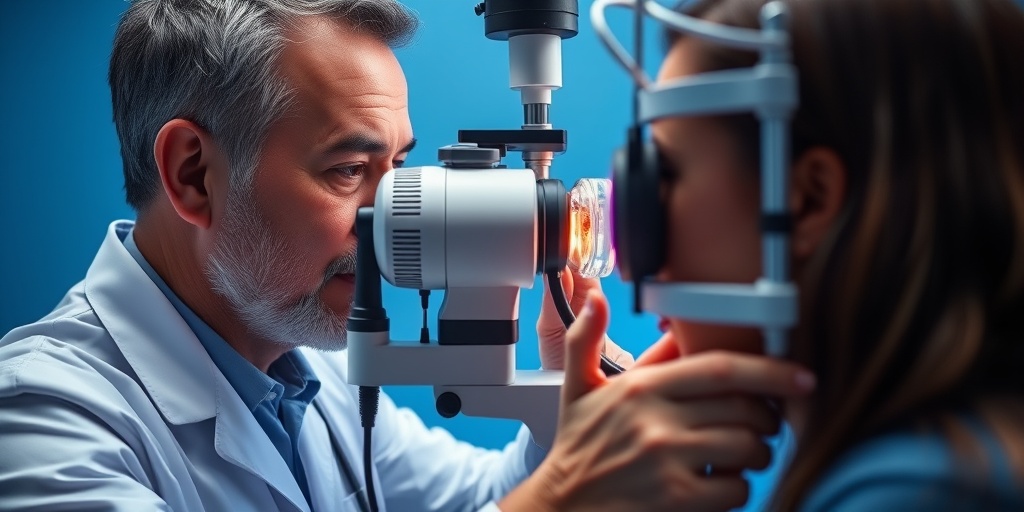
- Slit-lamp examination to get a detailed view of the eye’s structures.
3. Imaging Tests
In some cases, imaging tests may be necessary to evaluate the extent of inflammation. These can include:
- Optical coherence tomography (OCT) to capture cross-sectional images of the retina.
- Fluorescein angiography to visualize blood flow in the retina and identify any abnormalities.
4. Laboratory Tests
Your doctor may recommend blood tests or other laboratory tests to identify underlying causes of uveitis, especially if an autoimmune disorder or infection is suspected. These tests can help pinpoint the exact cause and guide treatment options.
5. Referral to a Specialist
If necessary, your primary eye care provider may refer you to a retina specialist or an ophthalmologist who specializes in uveitis for further evaluation and management. This ensures you receive the most appropriate care tailored to your specific condition.
Recognizing the risk factors and understanding the diagnosis process for uveitis can empower you to seek timely medical attention. If you experience symptoms such as eye pain, redness, or vision changes, don’t hesitate to consult a healthcare professional! 👁️✨
Uveitis Treatment Options
Uveitis is an inflammatory condition affecting the uvea, the middle layer of the eye. It can lead to serious complications if not treated promptly. Fortunately, there are several effective uveitis treatment options available, tailored to the underlying cause and severity of the condition. Let’s explore these options in detail.
Medications
Medications are often the first line of defense against uveitis. Depending on the type and severity, your healthcare provider may prescribe:
- Corticosteroids: These are powerful anti-inflammatory drugs that can be administered orally, topically, or via injection. They help reduce inflammation and alleviate symptoms.
- Immunosuppressants: For chronic or severe cases, medications like methotrexate or azathioprine may be used to suppress the immune response that contributes to inflammation.
- Biologics: Newer treatments, such as biologic agents, target specific pathways in the immune system and can be effective for certain types of uveitis.
Eye Drops
In addition to systemic medications, eye drops can provide localized treatment. These may include:
- Topical corticosteroids: These drops help reduce inflammation directly in the eye.
- Pupil-dilating drops: These can relieve pain and prevent complications by keeping the pupil dilated.
Laser Therapy
In some cases, laser therapy may be recommended to treat complications associated with uveitis, such as retinal swelling or damage. This procedure can help restore vision and reduce inflammation.
Surgery
For severe cases or when other treatments fail, surgical options may be considered. Procedures can include:
- Vitrectomy: This surgery involves removing the vitreous gel from the eye, which can help alleviate symptoms and improve vision.
- Implantation of drug-delivery devices: These devices can provide a steady release of medication directly into the eye.
Managing Underlying Conditions
Since uveitis can be associated with systemic diseases, managing any underlying conditions is crucial. This may involve working with other specialists, such as rheumatologists or infectious disease experts, to ensure comprehensive care.
Living with Uveitis
Living with uveitis can be challenging, but with the right strategies and support, individuals can manage their symptoms effectively. Here are some tips for navigating life with this condition.
Regular Eye Exams
Frequent visits to an eye care professional are essential for monitoring the condition and adjusting treatment as necessary. Early detection of flare-ups can prevent complications and preserve vision.
Adopting a Healthy Lifestyle
Maintaining a healthy lifestyle can have a positive impact on overall well-being and may help manage uveitis symptoms. Consider the following:
- Balanced Diet: Eating a diet rich in fruits, vegetables, and omega-3 fatty acids can support eye health.
- Regular Exercise: Physical activity can improve circulation and reduce inflammation.
- Avoiding Smoking: Smoking can exacerbate inflammation and increase the risk of complications.
Managing Stress
Stress can trigger flare-ups of uveitis, so finding effective ways to manage stress is crucial. Techniques such as yoga, meditation, and deep-breathing exercises can be beneficial. 🧘♀️
Support Networks
Connecting with others who have uveitis can provide emotional support and practical advice. Consider joining support groups or online forums where you can share experiences and coping strategies. 🤝
Educating Yourself
Knowledge is power. Understanding uveitis, its symptoms, and treatment options can empower you to make informed decisions about your health. Stay updated on the latest research and treatment advancements.
By taking proactive steps and working closely with healthcare providers, individuals living with uveitis can lead fulfilling lives while managing their condition effectively. 🌟

Frequently Asked Questions about Uveitis
What is Uveitis?
Uveitis is an inflammation of the uvea, the middle layer of the eye. This condition can affect one or both eyes and may lead to serious complications if not treated promptly.
What are the common symptoms of Uveitis?
- Eye redness
- Pain in the eye
- Blurred vision
- Light sensitivity
- Floaters (spots in your vision)
What are the different types of Uveitis?
Uveitis can be classified into three main types based on the part of the eye affected:
- Anterior Uveitis – inflammation in the front part of the eye.
- Intermediate Uveitis – affects the middle part of the uvea.
- Posterior Uveitis – involves the back part of the eye.
How is Uveitis diagnosed?
Diagnosis typically involves a comprehensive eye examination by an eye care professional. They may use various tests to assess the extent of inflammation and rule out other conditions.
What are the treatment options for Uveitis?
Treatment for uveitis often includes:
- Corticosteroids to reduce inflammation.
- Immunosuppressive medications for severe cases.
- Antibiotics if an infection is present.
Can Uveitis lead to complications?
Yes, if left untreated, uveitis can lead to serious complications such as:
- Cataracts
- Glaucoma
- Vision loss
Is Uveitis contagious?
No, uveitis is not contagious. It is an inflammatory condition and not caused by an infectious agent.
How can I manage Uveitis symptoms at home?
While professional treatment is essential, you can manage symptoms by:
- Wearing sunglasses to reduce light sensitivity.
- Using cold compresses to alleviate discomfort.
- Taking prescribed medications as directed.
When should I see a doctor for Uveitis?
If you experience any symptoms of uveitis, such as eye pain, redness, or changes in vision, it is crucial to seek medical attention promptly. Early diagnosis and treatment can prevent complications.