What Is Tuberous Sclerosis?
Tuberous Sclerosis Complex (TSC) is a rare genetic disorder that affects multiple systems in the body. It is characterized by the growth of non-cancerous tumors, known as hamartomas, in various organs, including the brain, skin, kidneys, heart, and lungs. These tumors can lead to a variety of health issues, making early diagnosis and management crucial.
Understanding the Genetics of Tuberous Sclerosis
Tuberous Sclerosis is caused by mutations in either the TSC1 or TSC2 genes. These genes are responsible for producing proteins that help regulate cell growth and division. When these genes are mutated, it can lead to uncontrolled cell growth, resulting in the formation of tumors.
The condition follows an autosomal dominant inheritance pattern, meaning that only one copy of the mutated gene is needed for a person to be affected. This can occur in families, but many cases arise from new mutations, meaning they can occur in individuals with no family history of the disorder.
How Common Is Tuberous Sclerosis?
Tuberous Sclerosis affects approximately 1 in 6,000 to 10,000 individuals worldwide. It can occur in people of all ethnic backgrounds and is often diagnosed in childhood, although some cases may not be identified until adulthood.
Tuberous Sclerosis Symptoms
The symptoms of Tuberous Sclerosis can vary widely from person to person, depending on the organs affected and the severity of the condition. Some individuals may experience mild symptoms, while others may face significant health challenges. Here are some common symptoms associated with Tuberous Sclerosis:
Neurological Symptoms
- Seizures: One of the most common symptoms, affecting about 80% of individuals with TSC. Seizures can vary in type and severity.
- Developmental Delays: Many children with TSC may experience delays in reaching developmental milestones, including speech and motor skills.
- Autism Spectrum Disorders: There is a higher prevalence of autism in individuals with TSC, with some studies suggesting that up to 50% may be affected.
Skin Symptoms
- Facial Angiofibromas: These are small, reddish-brown bumps that typically appear on the face, particularly on the nose and cheeks.
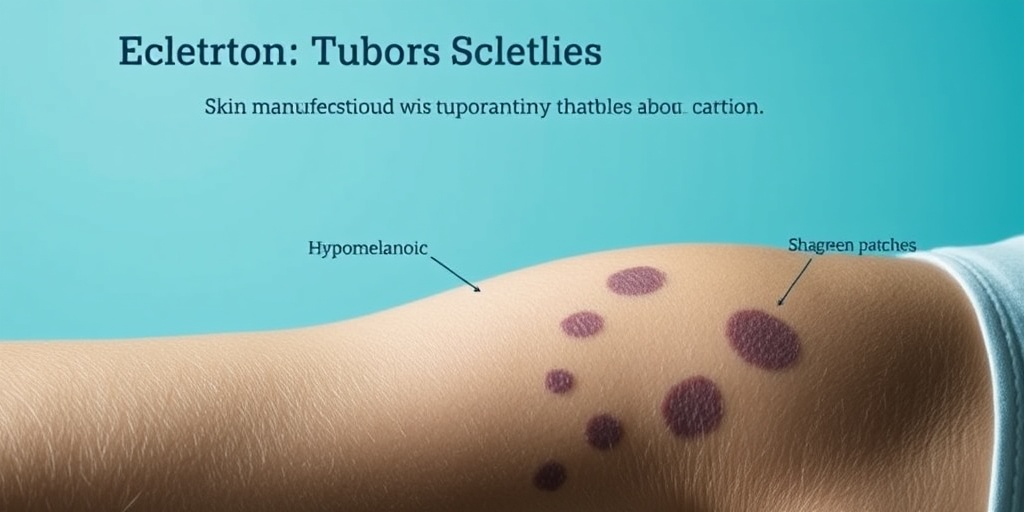
- Hypomelanotic Macules: Light-colored patches of skin that can appear anywhere on the body.
- Shagreen Patches: Thickened, leathery skin that often appears on the lower back.
Organ-Specific Symptoms
- Kidney Tumors: Renal angiomyolipomas are common in TSC and can lead to kidney dysfunction or bleeding.
- Cardiac Rhabdomyomas: These benign tumors can affect heart function, particularly in infants.
- Lung Issues: Lymphangioleiomyomatosis (LAM) can occur in women with TSC, leading to respiratory problems.
Diagnosis and Management
Diagnosing Tuberous Sclerosis typically involves a combination of clinical evaluation, imaging studies, and genetic testing. The diagnostic criteria include the presence of specific symptoms and the identification of tumors in affected organs.
Management of TSC is multidisciplinary, often involving neurologists, dermatologists, and other specialists. Treatment options may include:
- Medications: Antiepileptic drugs for seizures and targeted therapies like everolimus for tumor management.
- Regular Monitoring: Routine imaging and assessments to monitor tumor growth and organ function.
- Supportive Therapies: Educational support and therapies for developmental delays and behavioral issues.
For more information and resources on Tuberous Sclerosis Complex, consider visiting Yesil Health AI, where you can find evidence-based health answers tailored to your needs.
In conclusion, Tuberous Sclerosis Complex is a complex condition that requires careful management and support. Understanding the symptoms and seeking timely medical advice can significantly improve the quality of life for those affected. 🌟
Tuberous Sclerosis Causes
Tuberous Sclerosis Complex (TSC) is a rare genetic disorder that can affect multiple systems in the body. Understanding the causes of TSC is crucial for early diagnosis and management. The primary cause of TSC is a mutation in one of two genes: TSC1 or TSC2. These genes are responsible for producing proteins that help regulate cell growth and division. When these genes are mutated, it can lead to the formation of benign tumors in various organs, including the brain, kidneys, heart, and skin.
Genetic Mutations
The mutations in the TSC1 and TSC2 genes can occur spontaneously or be inherited from a parent. In about one-third of cases, TSC arises from a new mutation, meaning there is no family history of the disorder. The remaining cases are inherited in an autosomal dominant pattern, which means that only one copy of the mutated gene from either parent can cause the disorder.
Types of Genetic Mutations
There are different types of mutations that can occur in the TSC1 and TSC2 genes:
- Missense mutations: These mutations result in a single amino acid change in the protein, which can affect its function.
- Nonsense mutations: These lead to a premature stop codon, resulting in a truncated protein that is often nonfunctional.
- Large deletions or duplications: These mutations can remove or duplicate large sections of the gene, significantly impacting protein production.
Understanding these genetic causes is essential for genetic counseling and testing, especially for families with a history of TSC. Early detection can lead to better management of symptoms and complications associated with the disorder.
Tuberous Sclerosis Risk Factors
While Tuberous Sclerosis Complex is primarily caused by genetic mutations, certain risk factors can influence the severity and manifestation of the disorder. Recognizing these risk factors can aid in early diagnosis and intervention.
Family History
As mentioned earlier, TSC can be inherited in an autosomal dominant manner. If a parent has TSC, there is a 50% chance that their child will inherit the condition. Therefore, a family history of TSC is a significant risk factor. Genetic counseling is recommended for families with a history of the disorder to understand the implications for future generations.
Age and Gender
TSC can affect individuals of any age, but symptoms often present in early childhood. Interestingly, some studies suggest that males may experience more severe symptoms than females. This difference may be attributed to the protective effects of estrogen, which can influence tumor growth and development.
Associated Conditions
Individuals with TSC may also have other associated conditions that can complicate the diagnosis and management of the disorder. These include:
- Autism Spectrum Disorders: A significant number of individuals with TSC may also be diagnosed with autism, which can impact social skills and communication.
- Intellectual Disabilities: Cognitive impairment can vary widely among individuals with TSC, with some experiencing mild learning difficulties while others may have more significant challenges.
- Seizures: Seizures are one of the most common symptoms of TSC, affecting approximately 80-90% of individuals with the disorder. The type and frequency of seizures can vary greatly.
Understanding these risk factors can help in the early identification of TSC and its associated complications. Regular monitoring and a multidisciplinary approach to care can significantly improve the quality of life for individuals affected by Tuberous Sclerosis Complex. 🌟

Tuberous Sclerosis Diagnosis
Tuberous Sclerosis Complex (TSC) is a rare genetic disorder that can affect multiple systems in the body, leading to a variety of symptoms. Diagnosing TSC can be challenging due to its diverse manifestations, but early detection is crucial for effective management. Here’s a closer look at how TSC is diagnosed.
Understanding the Diagnostic Criteria
The diagnosis of Tuberous Sclerosis Complex is primarily based on clinical criteria and imaging studies. According to the International Tuberous Sclerosis Complex Consensus Conference, the following criteria are used:
- Major Features: These include the presence of facial angiofibromas, hypomelanotic macules, and cortical tubers.
- Minor Features: These may include dental enamel pits, shagreen patches, and subungual fibromas.
A diagnosis can be confirmed if a patient has two major features or one major feature along with two minor features. Genetic testing can also be performed to identify mutations in the TSC1 or TSC2 genes, which can provide additional confirmation of the diagnosis.
Imaging Techniques
Imaging plays a vital role in diagnosing Tuberous Sclerosis Complex. The following imaging techniques are commonly used:
- Magnetic Resonance Imaging (MRI): This is the preferred method for visualizing brain lesions associated with TSC, such as cortical tubers and subependymal nodules.
- Computed Tomography (CT) Scans: CT scans can also be used to detect renal tumors and other abnormalities.
Regular imaging is essential for monitoring the progression of the disease and assessing the effectiveness of treatment.
Clinical Evaluation
A comprehensive clinical evaluation is crucial for diagnosing TSC. This typically involves:
- Medical History: A detailed family and medical history can provide insights into the likelihood of TSC.
- Physical Examination: A thorough examination can help identify characteristic skin lesions and other physical signs of TSC.
In some cases, referrals to specialists such as neurologists, dermatologists, and nephrologists may be necessary for a more comprehensive assessment.
Tuberous Sclerosis Treatment Options
While there is currently no cure for Tuberous Sclerosis Complex, various treatment options are available to manage symptoms and improve the quality of life for those affected. The choice of treatment often depends on the specific symptoms and severity of the condition.
Medications
Medications are often the first line of treatment for managing symptoms associated with TSC. Some common medications include:
- Antiepileptic Drugs: These are prescribed to control seizures, which are a common symptom of TSC. Medications such as lamotrigine and levetiracetam are frequently used.
- mTOR Inhibitors: Drugs like everolimus and sirolimus can help reduce the size of tumors associated with TSC, particularly in the brain and kidneys.
Surgical Interventions
In cases where medications are ineffective, surgical options may be considered. These can include:
- Resective Surgery: This involves the removal of brain lesions that are causing seizures.
- Kidney Surgery: Surgical intervention may be necessary for large renal tumors that pose a risk of complications.
Supportive Therapies
In addition to medical and surgical treatments, supportive therapies can play a significant role in managing TSC. These may include:
- Physical Therapy: Helps improve motor skills and coordination.
- Occupational Therapy: Assists individuals in developing daily living skills.
- Psychological Support: Counseling and support groups can help patients and families cope with the emotional challenges of living with TSC.
Overall, a multidisciplinary approach involving healthcare professionals from various specialties is essential for effectively managing Tuberous Sclerosis Complex and enhancing the quality of life for those affected. 🌟

Tuberous Sclerosis Management Strategies
Tuberous Sclerosis Complex (TSC) is a genetic disorder that can affect multiple organ systems, leading to a variety of symptoms. Managing TSC requires a comprehensive approach tailored to the individual’s needs. Here are some effective management strategies:
1. Regular Monitoring and Screening
One of the most crucial aspects of managing TSC is regular monitoring. This includes:
- Neurological assessments: Regular check-ups with a neurologist to monitor for seizures and cognitive development.
- Imaging studies: MRI or CT scans to assess the growth of tumors in the brain and other organs.
- Cardiac evaluations: Echocardiograms to check for rhabdomyomas, which are benign tumors that can affect heart function.
2. Medication Management
Medications play a vital role in managing symptoms associated with TSC. Common treatments include:
- Antiepileptic drugs: These are prescribed to control seizures, which are common in individuals with TSC.
- mTOR inhibitors: Medications like everolimus can help reduce the size of tumors associated with TSC.
- Behavioral therapies: These may be recommended to address developmental delays or behavioral issues.
3. Supportive Therapies
In addition to medication, various supportive therapies can enhance the quality of life for individuals with TSC:
- Physical therapy: Helps improve motor skills and coordination.
- Occupational therapy: Assists in developing daily living skills.
- Speech therapy: Aids in communication skills, especially for those with developmental delays.
4. Lifestyle Modifications
Adopting a healthy lifestyle can also contribute to better management of TSC:
- Balanced diet: A nutritious diet can support overall health and well-being.
- Regular exercise: Physical activity can improve mood and physical health.
- Stress management: Techniques such as mindfulness and yoga can help reduce stress levels.
5. Family and Community Support
Living with TSC can be challenging, not just for the individual but also for their families. Engaging with support groups and communities can provide valuable resources and emotional support. Connecting with others who understand the journey can make a significant difference. 💖
Tuberous Sclerosis Outlook and Prognosis
The outlook for individuals with Tuberous Sclerosis Complex varies widely, depending on the severity of the condition and the organs affected. Understanding the prognosis can help families prepare for the future.
1. Variability of Symptoms
TSC is characterized by a wide range of symptoms, which can affect the brain, skin, kidneys, heart, and lungs. The severity of these symptoms can differ significantly from one person to another. Some individuals may experience mild symptoms, while others may face more severe challenges. This variability makes it essential to have a personalized care plan.
2. Seizure Management
Seizures are one of the most common symptoms of TSC. With appropriate treatment, many individuals can achieve good seizure control. However, some may continue to experience seizures throughout their lives. Ongoing management and adjustments to treatment plans are crucial for maintaining quality of life.
3. Developmental Outcomes
Many children with TSC may experience developmental delays or intellectual disabilities. Early intervention through therapies and educational support can significantly improve outcomes. Regular assessments can help track progress and adjust interventions as needed.
4. Long-Term Health Considerations
Individuals with TSC are at risk for various health issues, including:
- Kidney problems: Renal tumors can develop, requiring monitoring and potential treatment.
- Respiratory issues: Lung involvement can lead to complications that need to be managed.
- Psychiatric conditions: Anxiety and depression may occur, necessitating mental health support.
5. Lifespan and Quality of Life
With advancements in treatment and management strategies, many individuals with TSC can lead fulfilling lives. While some may face challenges, early diagnosis and comprehensive care can significantly enhance both lifespan and quality of life. 🌈
In conclusion, while Tuberous Sclerosis Complex presents unique challenges, effective management strategies and a supportive network can help individuals thrive. Understanding the prognosis allows families to plan and seek the necessary resources for a better future.

Frequently Asked Questions about Tuberous Sclerosis Complex
What is Tuberous Sclerosis Complex (TSC)?
Tuberous Sclerosis Complex is a genetic disorder that causes non-cancerous tumors to form in various organs, primarily the brain, skin, kidneys, and heart. It can lead to a range of symptoms and complications, including seizures and developmental delays.
What are the common symptoms of Tuberous Sclerosis Complex?
Symptoms can vary widely among individuals but may include:
- Seizures: One of the most common symptoms, often appearing in early childhood.
- Skin abnormalities: Such as facial angiofibromas, hypomelanotic macules, and shagreen patches.
- Developmental delays: Including learning disabilities and autism spectrum disorders.
- Kidney issues: Including renal tumors or cysts.
How is Tuberous Sclerosis Complex diagnosed?
The diagnosis of Tuberous Sclerosis Complex typically involves a combination of clinical evaluation and imaging studies. Doctors may use:
- Diagnostic criteria: Based on the presence of specific symptoms and findings.
- Imaging tests: Such as MRI or CT scans to identify tumors in the brain and other organs.
What treatments are available for Tuberous Sclerosis Complex?
Treatment for Tuberous Sclerosis Complex is tailored to the individual’s symptoms and may include:
- Medications: To manage seizures and other symptoms.
- Surgery: In some cases, to remove tumors that cause significant problems.
- Regular monitoring: To track the progression of the condition and manage complications.
Can Tuberous Sclerosis Complex be inherited?
Yes, Tuberous Sclerosis Complex is usually inherited in an autosomal dominant pattern, meaning that only one copy of the mutated gene from an affected parent can cause the disorder in their child. However, it can also occur as a result of a new mutation.
What is the long-term outlook for individuals with Tuberous Sclerosis Complex?
The long-term outlook for individuals with Tuberous Sclerosis Complex varies widely. Many people lead fulfilling lives with appropriate management of their symptoms. Early diagnosis and intervention can significantly improve outcomes, especially regarding developmental and educational support.
Where can I find support for Tuberous Sclerosis Complex?
Support for individuals and families affected by Tuberous Sclerosis Complex can be found through:
- Support groups: Both online and in-person communities.
- Non-profit organizations: Dedicated to TSC awareness and research.
- Healthcare providers: Who can offer resources and referrals for additional support.
Are there any ongoing research efforts related to Tuberous Sclerosis Complex?
Yes, there are numerous research initiatives focused on understanding Tuberous Sclerosis Complex better, developing new treatments, and improving the quality of life for those affected. Staying informed about the latest research can provide hope and options for management.