
What Is a Tremor?
A tremor is an involuntary, rhythmic shaking or oscillation of a part of the body. It can occur in various muscle groups and is often most noticeable in the hands, arms, head, or legs. Tremors can be classified into several types based on their characteristics and the underlying causes. Understanding what a tremor is can help individuals identify symptoms and seek appropriate medical advice.
Types of Tremors
Tremors can be categorized into different types, each with unique features:
- Resting Tremor: This type occurs when the muscles are relaxed, often seen in conditions like Parkinson’s disease.
- Action Tremor: This occurs during voluntary movement, such as reaching for an object. It can be further divided into postural and kinetic tremors.
- Essential Tremor: A common neurological disorder that causes shaking, typically in the hands, and can worsen with movement.
- Psychogenic Tremor: This type is often linked to psychological factors and may vary in intensity.
While tremors can be benign, they may also indicate underlying health issues. If you or someone you know is experiencing tremors, it’s essential to consult a healthcare professional for a proper diagnosis and treatment options.
Tremor Symptoms
The symptoms of tremors can vary widely depending on the type and underlying cause. Here are some common symptoms associated with tremors:
Common Symptoms of Tremors
- Involuntary Shaking: The most noticeable symptom is the uncontrollable shaking of a body part, often the hands.
- Difficulty with Fine Motor Skills: Tasks that require precision, such as writing or buttoning a shirt, may become challenging.
- Changes in Posture: Some individuals may experience changes in posture or balance due to tremors.
- Fatigue: Constant shaking can lead to muscle fatigue and discomfort.
When to Seek Medical Attention
If you notice persistent tremors or if they interfere with daily activities, it’s crucial to seek medical advice. Early diagnosis can lead to better management of the condition. Symptoms that warrant immediate attention include:
- Sudden onset of tremors
- Tremors accompanied by other neurological symptoms, such as weakness or difficulty speaking
- Changes in vision or coordination
Understanding the symptoms of tremors can empower individuals to take action and seek help. For more detailed information and resources, consider visiting Yesil Health AI, where you can find evidence-based health answers tailored to your needs.
Conclusion
Tremors can be a source of concern for many, but understanding what they are and recognizing their symptoms is the first step toward effective management. Whether they are benign or indicative of a more serious condition, knowledge is power. If you or someone you know is experiencing tremors, don’t hesitate to reach out to a healthcare professional for guidance. Remember, you’re not alone in this journey! 🌟

Tremor Types
Tremors are involuntary, rhythmic muscle contractions that lead to shaking movements in one or more parts of the body. They can affect various areas, including the hands, arms, head, and even the voice. Understanding the different types of tremors is crucial for diagnosis and treatment. Here are some of the most common types:
1. Essential Tremor
Essential tremor is one of the most prevalent types of tremors, often affecting the hands and arms. It typically occurs during voluntary movements, such as writing or holding a cup. While it can be mild, it may worsen over time, impacting daily activities. Essential tremor is often hereditary, meaning it can run in families.
2. Parkinsonian Tremor
This type of tremor is associated with Parkinson’s disease and usually manifests as a resting tremor, meaning it occurs when the muscles are relaxed. It often starts in one hand and can be accompanied by other symptoms like stiffness and bradykinesia (slowness of movement). Parkinsonian tremors can significantly affect a person’s quality of life.
3. Dystonic Tremor
Dystonic tremors occur in individuals with dystonia, a movement disorder characterized by involuntary muscle contractions. These tremors can be quite variable and may occur during specific postures or movements. They often affect the neck, face, or hands, leading to abnormal positions or movements.
4. Cerebellar Tremor
Cerebellar tremors are caused by damage to the cerebellum, the part of the brain responsible for coordination and balance. These tremors are typically intention tremors, meaning they occur during purposeful movements, such as reaching for an object. Individuals may experience a shaky hand when trying to touch a target.
5. Psychogenic Tremor
Psychogenic tremors are not caused by neurological conditions but rather by psychological factors. They can vary widely in appearance and may be influenced by stress or anxiety. Psychogenic tremors can often be treated effectively with therapy and stress management techniques.
Tremor Causes
The causes of tremors can be diverse, ranging from neurological disorders to lifestyle factors. Understanding these causes can help in identifying the appropriate treatment options. Here are some common causes of tremors:
1. Neurological Disorders
Many tremors are linked to neurological conditions. For instance, Parkinson’s disease and multiple sclerosis can lead to tremors due to the degeneration of nerve cells. Other conditions, such as stroke or traumatic brain injury, can also result in tremors.
2. Medications
Some medications can cause tremors as a side effect. Common culprits include certain antidepressants, asthma medications, and stimulants. If you notice tremors after starting a new medication, consult your healthcare provider for advice.
3. Alcohol and Substance Use
Withdrawal from alcohol or certain drugs can lead to tremors. Additionally, excessive alcohol consumption can cause tremors, often referred to as alcohol tremors. Reducing or eliminating alcohol intake can help alleviate these symptoms.
4. Metabolic Disorders
Conditions such as hyperthyroidism, where the thyroid gland is overactive, can lead to tremors. This is due to an increase in metabolism, which can cause shaking. Other metabolic disorders, like hypoglycemia (low blood sugar), can also result in tremors.
5. Stress and Anxiety
Emotional factors can play a significant role in the occurrence of tremors. High levels of stress and anxiety can trigger or exacerbate tremors, particularly in individuals predisposed to them. Practicing relaxation techniques, such as meditation or yoga, can be beneficial in managing these symptoms.
In summary, understanding the types and causes of tremors is essential for effective management and treatment. If you or someone you know is experiencing tremors, it’s important to consult a healthcare professional for a proper diagnosis and tailored treatment plan. 🌟
Tremor Risk Factors
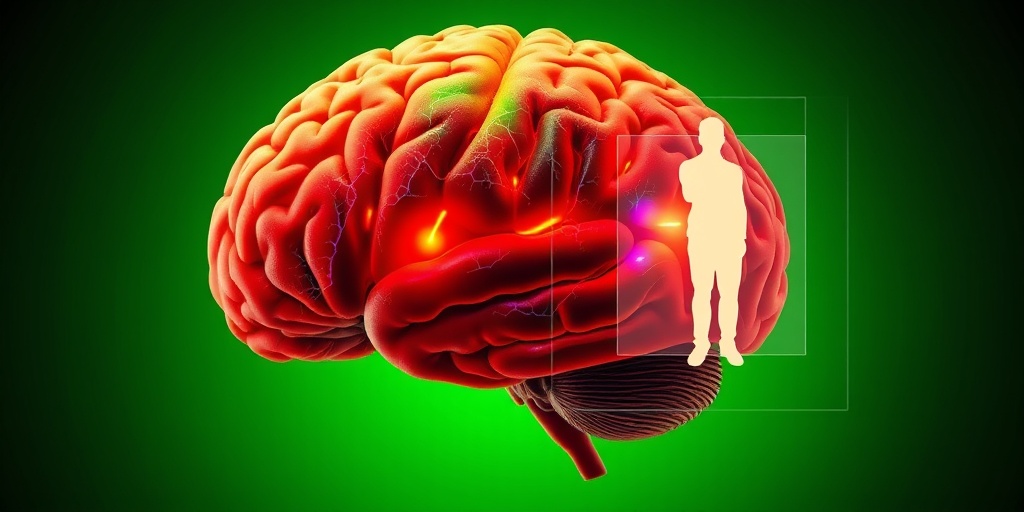
Tremors are involuntary, rhythmic muscle contractions that can affect various parts of the body, most commonly the hands. Understanding the risk factors associated with tremors is crucial for early detection and management. Here, we explore the various factors that may contribute to the development of tremors.
Genetic Predisposition
One of the most significant risk factors for developing tremors is a family history of movement disorders. Certain types of tremors, such as essential tremor, have a genetic component, meaning that if a close family member has experienced tremors, your risk may be higher. Genetic mutations can play a role in how the nervous system functions, leading to tremor development.
Age
As we age, our bodies undergo various changes, including the deterioration of the nervous system. Older adults are more likely to experience tremors, particularly essential tremor and Parkinson’s disease. The prevalence of tremors increases significantly in individuals over the age of 60, making age a critical risk factor.
Medical Conditions
Several medical conditions can increase the likelihood of developing tremors. These include:
- Parkinson’s Disease: A progressive neurological disorder that often presents with tremors, stiffness, and balance issues.
- Multiple Sclerosis: A disease that affects the central nervous system and can lead to tremors as a symptom.
- Hyperthyroidism: An overactive thyroid can cause tremors due to increased metabolism and nervous system activity.
- Cirrhosis: Liver disease can lead to tremors due to the accumulation of toxins in the body.
Substance Use
The use of certain substances can also contribute to the development of tremors. These include:
- Alcohol: While moderate alcohol consumption may temporarily reduce tremors, withdrawal can lead to increased tremor severity.
- Caffeine: High caffeine intake can exacerbate tremors, particularly in individuals predisposed to them.
- Medications: Some medications, especially those affecting the nervous system, can cause tremors as a side effect.
Stress and Anxiety
Emotional factors such as stress and anxiety can trigger or worsen tremors. When the body is under stress, it releases adrenaline, which can lead to increased muscle tension and involuntary movements. Managing stress through relaxation techniques, exercise, and therapy can help mitigate tremor symptoms.
Tremor Diagnosis
Diagnosing tremors involves a comprehensive evaluation by a healthcare professional. The process typically includes a detailed medical history, physical examination, and possibly additional tests to determine the underlying cause of the tremors.
Medical History and Symptoms
The first step in diagnosing tremors is a thorough medical history. Your doctor will ask about:
- Onset: When did the tremors begin?
- Frequency: How often do the tremors occur?
- Duration: How long do the tremors last?
- Family History: Is there a history of tremors or movement disorders in your family?
Additionally, your doctor will inquire about any other symptoms you may be experiencing, such as stiffness, balance issues, or changes in speech.
Physical Examination
A physical examination is crucial in diagnosing tremors. Your doctor will observe the tremors while you perform various tasks, such as:
- Holding your arms outstretched
- Writing or drawing
- Performing fine motor tasks
This examination helps determine the type of tremor and its severity. The doctor may also assess your reflexes, muscle strength, and coordination.
Diagnostic Tests
In some cases, additional tests may be necessary to identify the cause of the tremors. These tests can include:
- Blood Tests: To check for thyroid function, liver function, and other metabolic conditions.
- Imaging Studies: MRI or CT scans may be used to rule out structural issues in the brain.
- Electromyography (EMG): This test measures electrical activity in muscles and can help differentiate between types of tremors.
By understanding the risk factors and the diagnostic process for tremors, individuals can take proactive steps towards managing their health and seeking appropriate care. If you or someone you know is experiencing tremors, it’s essential to consult a healthcare professional for a thorough evaluation and tailored treatment plan. 🩺

Tremor Treatment Options
Tremors can be a challenging condition to manage, affecting daily activities and overall quality of life. Understanding the various tremor treatment options available is crucial for those experiencing this involuntary shaking. Treatment plans often depend on the underlying cause of the tremor, its severity, and the individual’s overall health. Here, we explore some of the most common treatment options.
Medications
Medications are often the first line of defense against tremors. Depending on the type of tremor, different drugs may be prescribed:
- Beta-blockers: Commonly used for essential tremors, these medications can help reduce the amplitude of the tremors.
- Anticonvulsants: Drugs like primidone can be effective in managing tremors, particularly in essential tremor cases.
- Botulinum toxin injections: For certain types of tremors, such as those affecting the hands, botox injections can provide relief by temporarily paralyzing the muscles responsible for the shaking.
- Parkinson’s disease medications: If tremors are related to Parkinson’s disease, medications like levodopa may be prescribed to help manage symptoms.
Surgical Options
For individuals whose tremors do not respond to medication, surgical interventions may be considered:
- Deep Brain Stimulation (DBS): This procedure involves implanting electrodes in specific brain areas to help regulate abnormal signals that cause tremors.
- Thalamotomy: A surgical procedure that involves destroying a small part of the thalamus, which can help reduce tremors in some patients.
Physical and Occupational Therapy
Therapies play a vital role in managing tremors, especially for those who experience significant functional limitations:
- Physical therapy: Tailored exercises can improve muscle control and coordination, helping individuals manage their tremors more effectively.
- Occupational therapy: Occupational therapists can provide strategies and tools to help individuals adapt their daily activities, making it easier to perform tasks despite tremors.
Alternative Treatments
Some individuals may seek alternative treatments to complement traditional therapies:
- Acupuncture: Some studies suggest that acupuncture may help reduce tremor severity for certain individuals.
- Yoga and meditation: These practices can promote relaxation and may help reduce the stress that can exacerbate tremors.
Tremor Management Strategies
In addition to medical treatments, implementing effective tremor management strategies can significantly improve daily life for those affected. Here are some practical tips:
Adaptive Devices
Using adaptive devices can make daily tasks easier and more manageable:
- Weighted utensils: These can help stabilize hands during eating.
- Specialized writing tools: Pens with larger grips or weighted pens can assist with writing.
- Stabilizing braces: Wrist or hand braces can provide support and reduce tremors during activities.
Stress Management
Stress can exacerbate tremors, so finding ways to manage stress is essential:
- Mindfulness techniques: Practices such as deep breathing, meditation, and yoga can help reduce anxiety and improve focus.
- Regular exercise: Engaging in physical activity can help alleviate stress and improve overall well-being.
Diet and Nutrition
Maintaining a balanced diet can also play a role in managing tremors:
- Hydration: Staying well-hydrated is crucial for overall health and can help reduce tremor severity.
- Avoiding stimulants: Reducing caffeine and other stimulants may help minimize tremors.
Support Networks
Connecting with others who understand the challenges of living with tremors can provide emotional support:
- Support groups: Joining a local or online support group can help individuals share experiences and coping strategies.
- Professional counseling: Speaking with a therapist can help individuals process their feelings and develop coping mechanisms.
By exploring various treatment options and implementing effective management strategies, individuals with tremors can lead fulfilling lives despite the challenges they face. 🌟

Frequently Asked Questions about Tremors
What is a tremor?
A tremor is an involuntary, rhythmic shaking movement that can affect various parts of the body, most commonly the hands. It can occur at rest or during movement and may vary in intensity.
What causes tremors?
Tremors can be caused by a variety of factors, including:
- Neurological disorders (e.g., Parkinson’s disease)
- Medications and drug withdrawal
- Stress and anxiety
- Fatigue
- Excessive caffeine intake
Are there different types of tremors?
Yes, there are several types of tremors, including:
- Resting tremors: Occur when the muscles are relaxed.
- Action tremors: Happen during voluntary movement.
- Postural tremors: Occur when maintaining a position against gravity.
How are tremors diagnosed?
Diagnosis typically involves a thorough medical history, physical examination, and possibly imaging tests or blood tests to rule out underlying conditions. A neurologist may be consulted for further evaluation.
Can tremors be treated?
Treatment options for tremors depend on the underlying cause and may include:
- Medications to reduce symptoms
- Physical therapy to improve coordination
- In some cases, surgical interventions
When should I see a doctor about my tremors?
If you experience persistent or worsening tremors, especially if they interfere with daily activities, it is important to consult a healthcare professional for evaluation and management.
Are there lifestyle changes that can help manage tremors?
Yes! Some lifestyle changes that may help include:
- Reducing caffeine and alcohol intake
- Practicing stress management techniques, such as meditation or yoga
- Engaging in regular physical activity
Can tremors be a sign of a serious condition?
While not all tremors indicate a serious condition, they can be a symptom of neurological disorders. It’s essential to seek medical advice if you have concerns about your symptoms.
Is there a connection between tremors and anxiety?
Yes, anxiety can exacerbate or trigger tremors in some individuals. Managing anxiety through therapy, relaxation techniques, or medication may help reduce tremor severity.
Are there any support groups for people with tremors?
Yes, there are various support groups and online communities where individuals with tremors can share experiences, resources, and coping strategies. Connecting with others can provide valuable emotional support.