What Is Thyrotoxicosis?
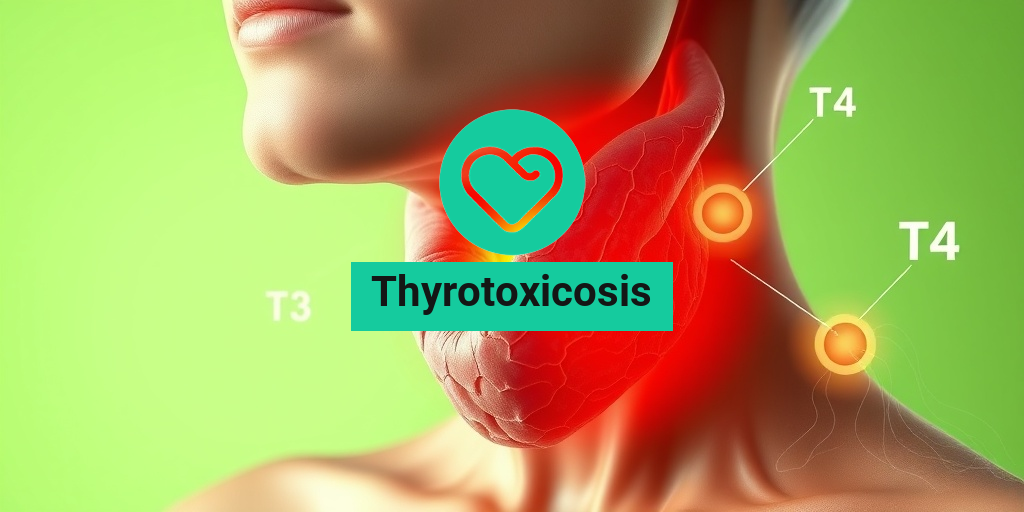
Thyrotoxicosis is a medical condition characterized by an excess of thyroid hormones in the body. This condition can lead to a variety of metabolic disturbances and can significantly impact overall health. The term “thyrotoxicosis” is often confused with hyperthyroidism, but they are not synonymous. While hyperthyroidism refers specifically to an overactive thyroid gland producing too much hormone, thyrotoxicosis encompasses any situation where there is an excess of thyroid hormones, regardless of the source.
Understanding thyrotoxicosis is crucial for effective diagnosis and treatment. It can arise from several causes, including:
- Graves’ Disease: An autoimmune disorder that stimulates the thyroid gland to produce excess hormones.
- Thyroiditis: Inflammation of the thyroid gland, which can lead to the release of stored hormones.
- Excessive Iodine Intake: Consuming too much iodine can trigger the thyroid to produce more hormones.
- Thyrotoxicosis Factitia: This occurs when individuals take thyroid hormones without medical supervision, often to lose weight.
Recognizing the signs and symptoms of thyrotoxicosis is essential for timely intervention. If left untreated, it can lead to serious complications, including a thyroid storm, which is a life-threatening condition requiring immediate medical attention.
Thyrotoxicosis Symptoms
The symptoms of thyrotoxicosis can vary widely among individuals, but they often reflect the body’s heightened metabolic state. Common symptoms include:
- Increased Heart Rate: Palpitations or a racing heart are common as the body works harder to manage the excess hormones.
- Weight Loss: Despite an increased appetite, individuals may experience unexplained weight loss due to accelerated metabolism.
- Heat Intolerance: People with thyrotoxicosis often feel excessively warm and may sweat more than usual.
- Nervousness and Anxiety: Increased levels of thyroid hormones can lead to heightened anxiety and irritability.
- Tremors: Fine shaking of the hands or fingers is a frequent symptom.
- Fatigue: Despite feeling energetic, many individuals report fatigue due to the body’s constant overdrive.
- Changes in Menstrual Patterns: Women may experience irregular menstrual cycles or lighter periods.
In some cases, symptoms can escalate to more severe manifestations, such as:
- Thyroid Storm: A rare but critical condition characterized by fever, rapid heart rate, and confusion.
- Eye Problems: In cases of Graves’ disease, individuals may experience bulging eyes (exophthalmos).
If you suspect you or someone you know may be experiencing symptoms of thyrotoxicosis, it is vital to seek medical advice promptly. Early diagnosis and treatment can help manage symptoms effectively and prevent complications.
For more information on thyrotoxicosis and its management, consider visiting Yesil Health AI, a valuable resource for evidence-based health answers. Understanding your health is the first step towards effective management!

Thyrotoxicosis Causes
Thyrotoxicosis is a condition characterized by an excess of thyroid hormones in the body, leading to a range of symptoms that can significantly impact one’s health. Understanding the causes of thyrotoxicosis is crucial for effective diagnosis and treatment. Here are some of the primary causes:
1. Graves’ Disease
Graves’ disease is an autoimmune disorder and is the most common cause of thyrotoxicosis. In this condition, the immune system mistakenly attacks the thyroid gland, causing it to produce an excess of thyroid hormones. This can lead to symptoms such as weight loss, rapid heartbeat, and anxiety. 🦋
2. Toxic Nodular Goiter
A toxic nodular goiter, also known as multinodular goiter, occurs when one or more nodules in the thyroid gland become overactive and produce excess hormones. This condition can develop over time and may not present noticeable symptoms until it becomes severe.
3. Thyroiditis
Thyroiditis refers to inflammation of the thyroid gland, which can lead to the release of stored thyroid hormones into the bloodstream. This can occur in conditions such as Hashimoto’s thyroiditis or subacute thyroiditis. Symptoms may include pain in the neck and changes in hormone levels.
4. Excessive Iodine Intake
Excessive consumption of iodine, whether through diet or supplements, can lead to thyrotoxicosis. Foods rich in iodine, such as seaweed and certain medications, can trigger an overproduction of thyroid hormones in susceptible individuals.
5. Thyroid Hormone Overmedication
For individuals being treated for hypothyroidism, taking too much thyroid hormone medication can result in thyrotoxicosis. It’s essential for patients to work closely with their healthcare providers to monitor their hormone levels and adjust dosages as necessary.
6. Thyrotoxicosis Factitia
This condition occurs when individuals intentionally or unintentionally ingest thyroid hormones, leading to elevated hormone levels in the body. It can be a result of self-medication or misuse of thyroid medications.
Thyrotoxicosis Risk Factors
Identifying the risk factors for thyrotoxicosis can help in early detection and prevention. Here are some key risk factors to consider:
1. Family History
A family history of thyroid disorders, particularly autoimmune conditions like Graves’ disease, can increase the likelihood of developing thyrotoxicosis. Genetics play a significant role in the predisposition to thyroid dysfunction.
2. Gender
Women are more likely than men to develop thyrotoxicosis, particularly during their reproductive years. Hormonal changes during pregnancy or menopause can also influence thyroid function.
3. Age
Thyrotoxicosis can occur at any age, but it is more prevalent in individuals aged 30 to 50. As people age, the risk of developing thyroid disorders increases, making regular check-ups essential.
4. Other Autoimmune Disorders
Individuals with other autoimmune disorders, such as type 1 diabetes or rheumatoid arthritis, are at a higher risk of developing thyrotoxicosis. The presence of one autoimmune condition can trigger others due to the underlying immune system dysfunction.
5. Stress
High levels of stress can impact thyroid function and may contribute to the development of thyrotoxicosis. Stress management techniques, such as mindfulness and relaxation exercises, can be beneficial for overall thyroid health.
6. Smoking
Smoking has been linked to an increased risk of developing Graves’ disease, which is a leading cause of thyrotoxicosis. Quitting smoking can improve overall health and reduce the risk of thyroid-related issues.
Understanding the causes and risk factors associated with thyrotoxicosis is vital for early intervention and effective management. If you suspect you may be experiencing symptoms of thyrotoxicosis, consult with a healthcare professional for proper evaluation and treatment. 🌟

Thyrotoxicosis Diagnosis
Diagnosing thyrotoxicosis can be a complex process, as it involves a thorough evaluation of symptoms, medical history, and laboratory tests. This condition occurs when there is an excess of thyroid hormones in the bloodstream, leading to a variety of symptoms that can significantly impact a person’s quality of life.
Recognizing Symptoms
The first step in diagnosing thyrotoxicosis is recognizing its symptoms. Common signs include:
- Increased heart rate (tachycardia)
- Weight loss despite normal or increased appetite
- Increased sweating and heat intolerance
- Nervousness or anxiety
- Tremors in the hands
- Fatigue and muscle weakness
- Menstrual irregularities in women
If you experience these symptoms, it’s essential to consult a healthcare professional for further evaluation. 🩺
Medical History and Physical Examination
Your doctor will begin the diagnostic process by taking a detailed medical history and performing a physical examination. They will ask about:
- Your symptoms and their duration
- Any family history of thyroid disorders
- Current medications and supplements
During the physical exam, the doctor may check for signs such as an enlarged thyroid gland (goiter) or changes in your skin and hair. These observations can provide valuable clues in diagnosing thyrotoxicosis.
Laboratory Tests
To confirm a diagnosis of thyrotoxicosis, your doctor will likely order several laboratory tests, including:
- Thyroid Function Tests: These tests measure levels of thyroid hormones (T3 and T4) and Thyroid-Stimulating Hormone (TSH) in your blood. In thyrotoxicosis, T3 and T4 levels are typically elevated, while TSH levels are low.
- Radioactive Iodine Uptake Test: This test assesses how well your thyroid gland absorbs iodine, which is crucial for hormone production. High uptake may indicate conditions like Graves’ disease.
- Thyroid Antibody Tests: These tests can help identify autoimmune causes of thyrotoxicosis, such as Graves’ disease, by detecting specific antibodies in the blood.
Once the diagnosis is confirmed, your healthcare provider will discuss appropriate treatment options tailored to your specific condition. 🩺
Thyrotoxicosis Treatment Options
Treating thyrotoxicosis effectively is crucial to managing symptoms and preventing complications. The treatment approach may vary based on the underlying cause, severity of symptoms, and individual patient factors.
Medications
One of the primary treatment options for thyrotoxicosis involves medications that help control thyroid hormone production and alleviate symptoms:
- Antithyroid Medications: Drugs like methimazole and propylthiouracil inhibit the production of thyroid hormones. These medications are often the first line of treatment, especially in cases of Graves’ disease.
- Beta-Blockers: These medications, such as propranolol, can help manage symptoms like rapid heart rate, anxiety, and tremors, providing relief while other treatments take effect.
Radioactive Iodine Therapy
For some patients, particularly those with Graves’ disease or toxic nodular goiter, radioactive iodine therapy may be recommended. This treatment involves administering a radioactive form of iodine, which is absorbed by the thyroid gland, leading to a reduction in hormone production. This option is effective but may result in hypothyroidism, requiring lifelong thyroid hormone replacement therapy.
Surgery
In certain cases, surgical intervention may be necessary. A thyroidectomy (partial or total removal of the thyroid gland) may be recommended for patients with large goiters, those who do not respond to other treatments, or in cases of suspected cancer. Surgery can provide a definitive solution but carries risks associated with any surgical procedure.
Lifestyle Modifications
In addition to medical treatments, making certain lifestyle changes can help manage thyrotoxicosis symptoms:
- Dietary Adjustments: Eating a balanced diet rich in nutrients can support overall health. Some patients may benefit from avoiding excessive iodine intake.
- Stress Management: Techniques such as yoga, meditation, and regular exercise can help reduce stress, which may exacerbate symptoms.
It’s essential to work closely with your healthcare provider to determine the most appropriate treatment plan for your specific situation. Remember, early diagnosis and treatment can lead to better outcomes and improved quality of life. 🌟

Thyrotoxicosis Complications
Thyrotoxicosis is a condition characterized by an excess of thyroid hormones in the body, leading to a range of symptoms and potential complications. Understanding these complications is crucial for effective management and treatment. Here, we explore some of the most common complications associated with thyrotoxicosis.
1. Heart Problems
One of the most serious complications of thyrotoxicosis is its impact on the heart. The excess thyroid hormones can lead to:
- Increased Heart Rate (Tachycardia): Patients may experience a rapid heartbeat, which can be alarming and uncomfortable.
- Atrial Fibrillation: This irregular heartbeat can increase the risk of stroke and other cardiovascular issues.
- Heart Failure: Chronic thyrotoxicosis can strain the heart, potentially leading to heart failure if left untreated.
2. Osteoporosis
Thyrotoxicosis can also affect bone health. The excess thyroid hormones can lead to:
- Bone Density Loss: Increased metabolism can cause bones to weaken over time, increasing the risk of fractures.
- Increased Risk of Osteoporosis: This condition is particularly concerning for older adults, especially postmenopausal women.
3. Thyroid Storm
A rare but life-threatening complication of thyrotoxicosis is thyroid storm. This condition is characterized by:
- Severe Symptoms: Patients may experience extreme agitation, fever, and confusion.
- Medical Emergency: Thyroid storm requires immediate medical attention, as it can lead to heart failure, shock, and even death.
4. Mental Health Issues
Thyrotoxicosis can also have psychological effects. Patients may experience:
- Anxiety and Irritability: The excess hormones can lead to heightened anxiety levels and mood swings.
- Depression: Some individuals may experience depressive symptoms, which can complicate the overall management of the condition.
5. Muscle Weakness
Another complication of thyrotoxicosis is muscle weakness, which can manifest as:
- Fatigue: Patients may feel unusually tired and weak, affecting their daily activities.
- Difficulty in Physical Activities: Simple tasks may become challenging due to muscle weakness.
Living with Thyrotoxicosis
Living with thyrotoxicosis can be challenging, but with proper management and lifestyle adjustments, individuals can lead fulfilling lives. Here are some tips for managing the condition effectively.
1. Regular Monitoring
Regular check-ups with a healthcare provider are essential for managing thyrotoxicosis. This includes:
- Thyroid Function Tests: Regular blood tests can help monitor hormone levels and adjust treatment as necessary.
- Heart Health Monitoring: Keeping an eye on heart rate and rhythm is crucial, especially for those at risk of heart complications.
2. Medication Management
Medications play a vital role in managing thyrotoxicosis. Common treatments include:
- Antithyroid Medications: These help reduce the production of thyroid hormones.
- Beta-Blockers: These can help manage symptoms like rapid heart rate and anxiety.
3. Dietary Considerations
Diet can significantly impact overall health when living with thyrotoxicosis. Consider the following:
- Balanced Diet: Focus on a diet rich in fruits, vegetables, whole grains, and lean proteins.
- Avoiding Iodine-Rich Foods: Foods high in iodine, such as seaweed and certain seafood, may exacerbate symptoms.
4. Stress Management
Managing stress is crucial for individuals with thyrotoxicosis. Techniques include:
- Mindfulness and Meditation: These practices can help reduce anxiety and improve overall well-being.
- Regular Exercise: Engaging in physical activity can boost mood and energy levels, but it’s essential to consult with a healthcare provider about suitable exercises.
5. Support Systems
Having a strong support system can make a significant difference. Consider:
- Support Groups: Connecting with others who have thyrotoxicosis can provide emotional support and practical advice.
- Family and Friends: Keeping loved ones informed about your condition can help them provide the necessary support.
Living with thyrotoxicosis requires ongoing management and support, but with the right strategies, individuals can navigate their health journey effectively. 🌟

Frequently Asked Questions about Thyrotoxicosis
What is Thyrotoxicosis?
Thyrotoxicosis refers to a condition where there is an excess of thyroid hormones in the body. This can lead to various metabolic disturbances and symptoms that affect multiple systems in the body.
What are the symptoms of Thyrotoxicosis?
Common symptoms of thyrotoxicosis include:
- Increased heart rate (tachycardia)
- Weight loss despite normal or increased appetite
- Increased sweating and heat intolerance
- Nervousness or anxiety
- Tremors (shaking hands or fingers)
- Fatigue or muscle weakness
How does Thyrotoxicosis differ from Hyperthyroidism?
While thyrotoxicosis and hyperthyroidism are often used interchangeably, they are not the same. Hyperthyroidism is a specific cause of thyrotoxicosis, characterized by an overactive thyroid gland. In contrast, thyrotoxicosis can result from various conditions, including thyroiditis, excessive intake of thyroid hormones, or even certain medications.
What are the treatment options for Thyrotoxicosis?
Treatment for thyrotoxicosis depends on the underlying cause and may include:
- Antithyroid medications to reduce hormone production
- Radioactive iodine therapy to destroy overactive thyroid cells
- Surgery to remove part or all of the thyroid gland
- Beta-blockers to manage symptoms like rapid heart rate
What is Thyrotoxicosis Factitia?
Thyrotoxicosis factitia is a form of thyrotoxicosis caused by the ingestion of excessive amounts of thyroid hormones, often from medications or supplements. It is important to identify this condition to avoid unnecessary treatments for hyperthyroidism.
What is the ICD-10 code for Thyrotoxicosis?
The ICD-10 code for thyrotoxicosis is E05. This code is used for various forms of thyrotoxicosis, including those caused by hyperthyroidism and other conditions.
Can Thyrotoxicosis lead to a Thyroid Storm?
Yes, thyrotoxicosis can lead to a life-threatening condition known as a thyroid storm. This occurs when there is a sudden and severe increase in thyroid hormone levels, leading to symptoms such as high fever, rapid heart rate, and confusion. Immediate medical attention is required in such cases.
Is Thyrotoxicosis reversible?
The reversibility of thyrotoxicosis depends on its cause. In many cases, appropriate treatment can lead to a complete resolution of symptoms and hormone levels. However, some conditions may require ongoing management.
What lifestyle changes can help manage Thyrotoxicosis?
While medical treatment is essential, certain lifestyle changes can support overall health in individuals with thyrotoxicosis. These may include:
- Eating a balanced diet rich in nutrients
- Avoiding stimulants like caffeine
- Engaging in stress-reducing activities such as yoga or meditation
- Regular follow-ups with healthcare providers
When should I see a doctor?
If you experience symptoms of thyrotoxicosis or have concerns about your thyroid health, it is important to consult a healthcare professional for proper evaluation and management. Early diagnosis and treatment can prevent complications and improve quality of life. 🩺