What Is Tardive Oral Dyskinesia?
Tardive Oral Dyskinesia (TOD) is a neurological disorder characterized by involuntary, repetitive movements of the mouth, tongue, and sometimes the face. This condition is often a side effect of long-term use of antipsychotic medications, particularly those used to treat schizophrenia and other mental health disorders. The term “tardive” means that these symptoms appear after prolonged exposure to the medication, often after months or even years of treatment.
While the exact cause of Tardive Oral Dyskinesia is not fully understood, it is believed to be related to changes in the brain’s dopamine pathways. These pathways are crucial for controlling movement, and when they are disrupted, it can lead to the characteristic oral movements associated with this condition.
It’s important to note that Tardive Oral Dyskinesia is distinct from other forms of dyskinesia, such as those caused by Parkinson’s disease or other neurological disorders. The movements can be distressing and may significantly impact a person’s quality of life, making it essential for individuals experiencing these symptoms to seek medical advice.
Tardive Oral Dyskinesia Symptoms
The symptoms of Tardive Oral Dyskinesia can vary widely among individuals, but they typically include:
- Involuntary Tongue Movements: This may include protrusion, twisting, or rolling of the tongue.
- Facial Grimacing: Uncontrollable facial expressions that may appear as grimaces or other unusual movements.
- Mouth Movements: This can involve lip smacking, puckering, or chewing motions that are not consciously controlled.
- Jaw Movements: Some individuals may experience repetitive jaw movements, which can be uncomfortable.
- Difficulty Speaking: The involuntary movements can interfere with speech, making it challenging to communicate effectively.
These symptoms can be distressing and may lead to social withdrawal or anxiety due to embarrassment. In some cases, individuals may not even be aware of their movements, as they occur involuntarily. If you or someone you know is experiencing these symptoms, it is crucial to consult a healthcare professional for an accurate diagnosis and appropriate management.
Understanding the Impact of Symptoms
The impact of Tardive Oral Dyskinesia symptoms can extend beyond physical discomfort. Many individuals report feelings of frustration, embarrassment, and isolation due to their condition. The involuntary movements can make social interactions challenging, leading to a decline in self-esteem and overall mental health.
Moreover, the symptoms can sometimes be mistaken for other conditions, leading to misdiagnosis or inappropriate treatment. This highlights the importance of awareness and education regarding Tardive Oral Dyskinesia, both for patients and healthcare providers.
Seeking Help and Treatment Options
If you suspect that you or a loved one may be experiencing Tardive Oral Dyskinesia, it is essential to seek medical advice promptly. A healthcare provider can conduct a thorough evaluation and discuss potential treatment options. While there is no definitive cure for Tardive Oral Dyskinesia, several strategies may help manage symptoms:
- Medication Adjustments: In some cases, adjusting the dosage or switching medications may alleviate symptoms.
- Medications for Dyskinesia: Certain medications, such as VMAT2 inhibitors, have shown promise in reducing symptoms of Tardive Dyskinesia.
- Supportive Therapies: Engaging in speech therapy or counseling can help individuals cope with the emotional and social challenges posed by the condition.
For more information and resources on Tardive Oral Dyskinesia, consider visiting Yesil Health AI, where you can find evidence-based health answers tailored to your needs.
In conclusion, Tardive Oral Dyskinesia is a complex condition that requires understanding and compassion. By recognizing the symptoms and seeking appropriate treatment, individuals can work towards managing their condition and improving their quality of life. Remember, you are not alone, and help is available! 🌟
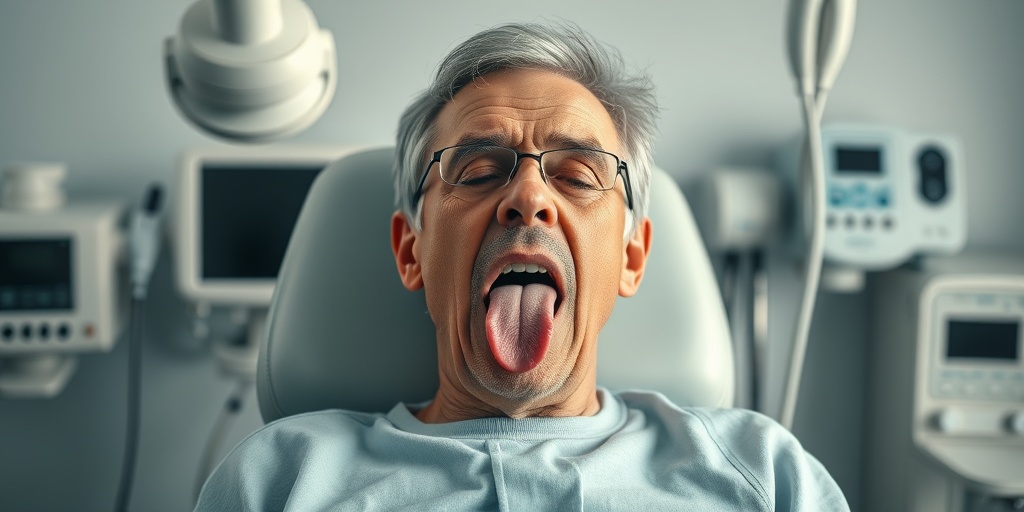
Tardive Oral Dyskinesia Causes
Tardive Oral Dyskinesia (TOD) is a neurological condition characterized by involuntary, repetitive movements of the mouth and face. Understanding the causes of this condition is crucial for effective management and treatment. Let’s delve into the primary causes of tardive oral dyskinesia.
1. Long-term Use of Antipsychotic Medications
The most significant cause of tardive oral dyskinesia is the prolonged use of antipsychotic medications, particularly first-generation antipsychotics (FGAs). These medications are often prescribed for conditions such as schizophrenia and bipolar disorder. While they can be effective in managing symptoms, their long-term use can lead to the development of tardive dyskinesia, including oral manifestations.
2. Other Medications
In addition to antipsychotics, other medications can also contribute to the onset of tardive oral dyskinesia. These include:
- Antidepressants: Certain antidepressants, especially those that affect dopamine levels, may increase the risk.
- Anti-nausea medications: Drugs like metoclopramide, used to treat nausea and gastroparesis, have been linked to tardive dyskinesia.
- Anticonvulsants: Some anticonvulsants may also play a role in developing oral dyskinesia.
3. Neurobiological Factors
Neurobiological changes in the brain can also contribute to the development of tardive oral dyskinesia. These changes often involve:
- Dopamine Receptor Sensitivity: Long-term exposure to antipsychotics can lead to an upregulation of dopamine receptors, making the brain more sensitive to dopamine fluctuations.
- Neurotransmitter Imbalance: An imbalance in neurotransmitters, particularly dopamine and acetylcholine, can trigger involuntary movements.
4. Genetic Predisposition
Some individuals may have a genetic predisposition that makes them more susceptible to developing tardive oral dyskinesia. Research suggests that variations in certain genes related to dopamine metabolism and receptor function may increase the risk of developing this condition.
5. Age and Gender
Age and gender also play a role in the likelihood of developing tardive oral dyskinesia. Older adults, particularly women, are at a higher risk. This increased vulnerability may be due to age-related changes in the brain and hormonal differences that affect neurotransmitter systems.
Tardive Oral Dyskinesia Risk Factors
Identifying the risk factors associated with tardive oral dyskinesia can help in early detection and prevention. Here are some key risk factors to consider:
1. Duration of Antipsychotic Treatment
The longer an individual is on antipsychotic medication, the greater the risk of developing tardive oral dyskinesia. Studies indicate that symptoms can emerge after months or even years of treatment, making it essential for healthcare providers to monitor patients regularly.
2. Type of Antipsychotic Medication
Not all antipsychotic medications carry the same risk. First-generation antipsychotics, such as haloperidol and chlorpromazine, are more likely to cause tardive dyskinesia compared to second-generation antipsychotics like risperidone and aripiprazole. However, even second-generation medications can pose a risk, especially with long-term use.
3. Previous History of Movement Disorders
Individuals with a prior history of movement disorders, such as Parkinson’s disease or other forms of dyskinesia, may be at an increased risk for developing tardive oral dyskinesia. This history can indicate a heightened sensitivity to medications that affect dopamine levels.
4. Co-existing Medical Conditions
Certain medical conditions can also elevate the risk of tardive oral dyskinesia. These include:
- Neurological Disorders: Conditions like Huntington’s disease or multiple sclerosis can increase susceptibility.
- Metabolic Disorders: Disorders affecting metabolism may influence how the body processes medications.
5. Substance Use
Substance use, particularly the use of recreational drugs or alcohol, can exacerbate the risk of developing tardive oral dyskinesia. These substances can interact with medications and alter neurotransmitter levels, increasing the likelihood of involuntary movements.
In conclusion, understanding the causes and risk factors associated with tardive oral dyskinesia is vital for effective management and prevention. By recognizing these elements, individuals and healthcare providers can work together to minimize the risk and improve the quality of life for those affected. 🌟
Tardive Oral Dyskinesia Diagnosis
Tardive Oral Dyskinesia (TOD) is a condition characterized by involuntary, repetitive movements of the mouth and face. It often arises as a side effect of long-term use of certain medications, particularly antipsychotics. Diagnosing this condition can be challenging, but understanding the signs and symptoms is crucial for effective management.
Recognizing the Symptoms
The symptoms of Tardive Oral Dyskinesia can vary widely among individuals. Common manifestations include:
- Involuntary lip movements: This may include puckering, chewing, or lip smacking.
- Facial grimacing: Uncontrollable facial expressions that may appear exaggerated.
- Jaw movements: These can include clenching or grinding of the teeth.
- Tongue movements: Rapid, jerky movements of the tongue, which can be particularly distressing.
It’s important to note that these movements can be subtle at first but may become more pronounced over time. If you or someone you know is experiencing these symptoms, it’s essential to consult a healthcare professional for a thorough evaluation.
Diagnostic Procedures
Diagnosing Tardive Oral Dyskinesia typically involves a combination of patient history, physical examination, and sometimes additional tests. Here’s what to expect during the diagnostic process:
- Medical history: The doctor will inquire about your medication history, particularly the use of antipsychotics or other drugs known to cause dyskinesia.
- Physical examination: A thorough examination will help assess the presence and severity of involuntary movements.
- Neurological assessment: This may include tests to evaluate coordination, balance, and other neurological functions.
In some cases, healthcare providers may use standardized rating scales to quantify the severity of symptoms, which can aid in monitoring the condition over time.
Tardive Oral Dyskinesia Treatment Options
While there is currently no definitive cure for Tardive Oral Dyskinesia, various treatment options can help manage symptoms and improve quality of life. The choice of treatment often depends on the severity of symptoms and the individual’s overall health.
Medication Adjustments
One of the first steps in managing Tardive Oral Dyskinesia is to review and potentially adjust the medications that may have contributed to the condition. This could involve:
- Reducing dosage: Lowering the dose of the offending medication may alleviate symptoms.
- Switching medications: In some cases, switching to a different class of medication that has a lower risk of causing dyskinesia may be beneficial.
Medications for Symptom Management
Several medications have shown promise in treating Tardive Oral Dyskinesia symptoms. These include:
- Valbenazine (Ingrezza): This medication is specifically approved for the treatment of tardive dyskinesia and works by reducing the abnormal movements.
- Deutetrabenazine (Austedo): Similar to valbenazine, this medication helps manage involuntary movements.
- Botulinum toxin injections: In some cases, injections can help reduce specific muscle contractions in the mouth and face.
Supportive Therapies
In addition to medication, supportive therapies can play a crucial role in managing Tardive Oral Dyskinesia. These may include:
- Speech therapy: Working with a speech therapist can help improve communication skills and manage oral movements.
- Occupational therapy: This can assist individuals in adapting to daily activities that may be affected by their symptoms.
- Psychological support: Counseling or support groups can provide emotional support and coping strategies for those affected.
Managing Tardive Oral Dyskinesia requires a comprehensive approach tailored to the individual. Regular follow-ups with healthcare providers are essential to monitor symptoms and adjust treatment plans as necessary. If you or a loved one is experiencing symptoms of Tardive Oral Dyskinesia, don’t hesitate to seek professional help. 🌟

Tardive Oral Dyskinesia Management Strategies
Tardive Oral Dyskinesia (TOD) is a condition characterized by involuntary, repetitive movements of the mouth and face, often resulting from long-term use of certain medications, particularly antipsychotics. Managing this condition can be challenging, but with the right strategies, individuals can improve their quality of life. Here are some effective management strategies for Tardive Oral Dyskinesia:
1. Medication Review and Adjustment
One of the first steps in managing Tardive Oral Dyskinesia is to consult with a healthcare provider about the medications being taken. Reducing or discontinuing the use of antipsychotic medications may alleviate symptoms, but this should always be done under medical supervision. In some cases, switching to a different class of medication may be beneficial.
2. Use of Medications Specifically for TOD
There are medications specifically designed to help manage Tardive Dyskinesia symptoms. These include:
- Valbenazine (Ingrezza): Approved for the treatment of tardive dyskinesia, it works by reducing the abnormal movements.
- Dextromethorphan and Quinidine (Nuedexta): This combination has shown promise in reducing symptoms of oral tardive dyskinesia.
Always discuss the potential benefits and side effects of these medications with a healthcare provider.
3. Behavioral Therapies
Incorporating behavioral therapies can also be beneficial. Techniques such as cognitive-behavioral therapy (CBT) can help individuals cope with the emotional and psychological impacts of Tardive Oral Dyskinesia. Additionally, support groups can provide a sense of community and shared experiences, which can be incredibly helpful.
4. Lifestyle Modifications
Making certain lifestyle changes can also aid in managing symptoms:
- Stress Management: Techniques such as yoga, meditation, and deep-breathing exercises can help reduce stress, which may exacerbate symptoms.
- Healthy Diet: A balanced diet rich in antioxidants can support overall brain health.
- Regular Exercise: Physical activity can improve mood and reduce anxiety, which may help in managing symptoms.
5. Regular Monitoring and Follow-Up
Regular follow-ups with healthcare providers are crucial for monitoring the condition and adjusting treatment plans as necessary. Keeping a symptom diary can help track changes and identify triggers, making it easier for healthcare providers to tailor management strategies effectively.
Tardive Oral Dyskinesia Outlook and Prognosis
The outlook for individuals with Tardive Oral Dyskinesia can vary significantly based on several factors, including the severity of symptoms, the duration of medication use, and the effectiveness of management strategies. Understanding the prognosis is essential for individuals and their families.
1. Variability of Symptoms
Symptoms of Tardive Oral Dyskinesia can range from mild to severe. Some individuals may experience only minor mouth movements, while others may have more pronounced involuntary movements that can interfere with daily activities. The severity of symptoms often influences the overall prognosis.
2. Potential for Improvement
Many individuals see an improvement in their symptoms over time, especially with appropriate management strategies. Early intervention is key; the sooner treatment begins, the better the chances of reducing symptoms. In some cases, symptoms may resolve completely after discontinuing the offending medication.
3. Long-Term Considerations
For some, Tardive Oral Dyskinesia may become a chronic condition. While it can be distressing, many individuals learn to adapt and manage their symptoms effectively. Ongoing research is being conducted to better understand the condition and develop new treatment options, which may improve the outlook for future patients.
4. Importance of Support
Having a strong support system is vital for individuals dealing with Tardive Oral Dyskinesia. Family, friends, and healthcare providers can play a crucial role in providing emotional support and practical assistance. Engaging with support groups can also offer valuable resources and shared experiences, helping individuals feel less isolated in their journey.
In conclusion, while Tardive Oral Dyskinesia presents challenges, effective management strategies and a supportive environment can significantly enhance the quality of life for those affected. With ongoing research and advancements in treatment, the future looks promising for individuals living with this condition. 🌟

Frequently Asked Questions about Tardive Oral Dyskinesia
What is Tardive Oral Dyskinesia?
Tardive Oral Dyskinesia is a neurological disorder characterized by involuntary movements of the mouth and face. It often occurs as a side effect of long-term use of certain medications, particularly antipsychotics.
What are the symptoms of Tardive Oral Dyskinesia?
Common symptoms include:
- Involuntary lip smacking
- Chewing movements
- Facial grimacing
- Rapid tongue movements
These symptoms can vary in severity and may impact daily activities and social interactions.
How is Tardive Oral Dyskinesia diagnosed?
Diagnosis typically involves a thorough medical history, a physical examination, and observation of symptoms. Healthcare providers may also review the patient’s medication history to identify potential causes.
What treatments are available for Tardive Oral Dyskinesia?
Treatment options may include:
- Adjusting or discontinuing the medication that caused the symptoms
- Medications specifically designed to manage dyskinesia
- Therapies to help improve motor control
It’s essential to consult a healthcare professional for personalized treatment plans.
Can Tardive Oral Dyskinesia be prevented?
While there is no guaranteed way to prevent Tardive Oral Dyskinesia, minimizing the use of high-risk medications and regular monitoring by a healthcare provider can help reduce the risk.
Are there any resources for support and information?
Yes! Many organizations provide resources and support for individuals affected by Tardive Oral Dyskinesia. Online forums, support groups, and educational websites can be valuable for sharing experiences and gaining insights.
Where can I find videos demonstrating Tardive Oral Dyskinesia symptoms?
There are various educational videos available online that showcase the symptoms of Tardive Oral Dyskinesia. These can be helpful for understanding the condition better. Always ensure that the sources are credible and informative.
Is Tardive Oral Dyskinesia reversible?
The reversibility of Tardive Oral Dyskinesia symptoms can vary from person to person. In some cases, symptoms may improve with treatment or after discontinuing the causative medication, while in others, they may persist.
Who is at risk for developing Tardive Oral Dyskinesia?
Individuals who have been on long-term antipsychotic medications, particularly older ones, are at a higher risk. Other factors include age, duration of treatment, and the presence of other neurological conditions.
What should I do if I suspect I have Tardive Oral Dyskinesia?
If you suspect you have Tardive Oral Dyskinesia, it is crucial to consult a healthcare professional promptly. Early intervention can help manage symptoms and improve quality of life.