What Are Sexual Conditions?
Sexual conditions encompass a wide range of issues that can affect an individual’s sexual health and well-being. These conditions can impact anyone, regardless of gender, age, or sexual orientation. Understanding sexual conditions is crucial for maintaining a healthy sexual life and fostering open conversations about sexual health.
In essence, sexual conditions refer to any physical or psychological issues that can interfere with sexual function, desire, or satisfaction. They can manifest in various forms, including physical ailments, emotional challenges, or even social factors that hinder sexual expression. Addressing these conditions is vital for overall health and can lead to improved relationships and personal satisfaction.
Types of Sexual Conditions
Sexual conditions can be broadly categorized into two main types: physical and psychological. Each type can have a significant impact on an individual’s sexual health.
- Physical Sexual Conditions: These include medical issues such as erectile dysfunction, sexually transmitted infections (STIs), and hormonal imbalances. They often require medical intervention and can be linked to other health problems.
- Psychological Sexual Conditions: These involve emotional or mental health issues, such as anxiety, depression, or past trauma. They can affect libido and sexual performance, making it essential to address both mental and physical health.
Common Sexual Conditions
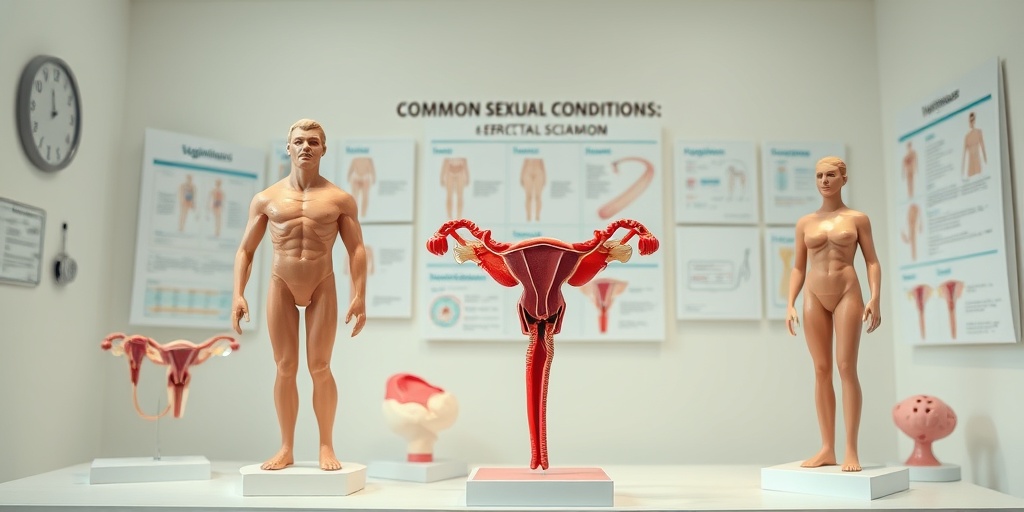
There are several common sexual conditions that many individuals may encounter throughout their lives. Recognizing these conditions can help in seeking appropriate treatment and support.
1. Erectile Dysfunction (ED)
Erectile dysfunction is a prevalent condition among men, characterized by the inability to achieve or maintain an erection sufficient for sexual intercourse. Factors contributing to ED can include stress, anxiety, medical conditions like diabetes, and lifestyle choices such as smoking or excessive alcohol consumption. Treatment options range from lifestyle changes to medications and therapy.
2. Premature Ejaculation
Premature ejaculation is another common sexual condition affecting men. It occurs when ejaculation happens sooner than desired during sexual activity, often leading to frustration and anxiety. Various techniques and therapies can help manage this condition, including behavioral strategies and counseling.
3. Low Libido
Low libido, or reduced sexual desire, can affect both men and women. It can stem from various factors, including hormonal changes, stress, relationship issues, or medical conditions. Open communication with partners and healthcare providers can help address underlying causes and improve sexual desire.
4. Vaginal Dryness
Vaginal dryness is a common issue for women, particularly during menopause or due to hormonal changes. It can lead to discomfort during intercourse and affect sexual satisfaction. Solutions may include lubricants, moisturizers, or hormone therapy, depending on the severity of the condition.
5. Sexually Transmitted Infections (STIs)
STIs are infections transmitted through sexual contact and can affect anyone who is sexually active. Common STIs include chlamydia, gonorrhea, and herpes. Regular screenings and safe sex practices are essential for prevention and early treatment. If you suspect you have an STI, seeking medical advice promptly is crucial.
6. Sexual Dysfunction Related to Mental Health
Mental health conditions such as anxiety and depression can significantly impact sexual function. Individuals may experience decreased libido, difficulty achieving orgasm, or other sexual dysfunctions. Therapy and counseling can be effective in addressing these issues, helping individuals regain their sexual health.
7. Rare Sexual Conditions
While many sexual conditions are common, some are rare and may require specialized care. Conditions such as sexual aversion disorder or hypersexuality can significantly impact an individual’s life. If you or someone you know is experiencing unusual sexual behaviors or aversions, consulting a healthcare professional is essential.
In conclusion, understanding sexual conditions is vital for maintaining sexual health and well-being. If you or someone you know is struggling with any of these issues, don’t hesitate to seek help. Resources like Yesil Health AI can provide evidence-based answers and support for navigating sexual health concerns. Remember, open communication and seeking help are key to overcoming sexual conditions and enhancing your overall quality of life. 🌟
Symptoms of Sexual Conditions
Sexual conditions can manifest in various ways, affecting both physical and emotional well-being. Recognizing the symptoms early can lead to timely intervention and treatment. Here are some common symptoms associated with different sexual conditions:
Physical Symptoms
- Pain during intercourse: This can be a significant indicator of underlying issues, such as infections or pelvic disorders.
- Changes in libido: A noticeable increase or decrease in sexual desire can signal hormonal imbalances or psychological factors.
- Unusual discharge: This may include changes in color, consistency, or odor, often indicating infections or sexually transmitted diseases (STDs).
- Difficulty achieving or maintaining an erection: This can be a sign of erectile dysfunction, which may stem from various physical or psychological causes.
- Genital sores or lesions: These can be symptoms of STDs or other infections and should be evaluated by a healthcare professional.
Emotional and Psychological Symptoms
- Anxiety or depression: Many individuals with sexual conditions experience emotional distress, which can further complicate their sexual health.
- Fear of intimacy: This may arise from past experiences or trauma, leading to avoidance of sexual situations.
- Low self-esteem: Sexual conditions can impact self-image, making individuals feel less confident in their sexual relationships.
It’s essential to remember that symptoms can vary widely among individuals. If you or someone you know is experiencing any of these symptoms, seeking professional help is crucial for proper diagnosis and treatment. 🩺
Causes and Risk Factors
Understanding the causes and risk factors associated with sexual conditions is vital for prevention and management. These factors can be biological, psychological, or environmental in nature.
Biological Causes
- Hormonal imbalances: Fluctuations in hormones, particularly in women during menopause or pregnancy, can lead to various sexual health issues.
- Chronic illnesses: Conditions such as diabetes, heart disease, and obesity can affect sexual function and desire.
- Infections: Sexually transmitted infections (STIs) can lead to long-term complications if left untreated, impacting sexual health.
- Medications: Certain medications, including antidepressants and blood pressure drugs, may have side effects that affect sexual function.
Psychological Causes
- Stress and anxiety: High levels of stress can interfere with sexual desire and performance.
- Past trauma: Experiences of sexual assault or abuse can lead to long-lasting psychological effects, impacting future sexual relationships.
- Relationship issues: Poor communication or unresolved conflicts with a partner can contribute to sexual dysfunction.
Environmental and Lifestyle Risk Factors
- Substance abuse: Alcohol and drug use can impair sexual function and lead to risky sexual behaviors.
- Lack of education: Insufficient knowledge about sexual health can lead to risky behaviors and increased vulnerability to sexual conditions.
- Age: As individuals age, they may experience changes in sexual function and desire, making them more susceptible to certain conditions.
By understanding these causes and risk factors, individuals can take proactive steps to protect their sexual health. Regular check-ups and open conversations with healthcare providers can help in identifying potential issues early on. 🌟
Diagnosis of Sexual Conditions
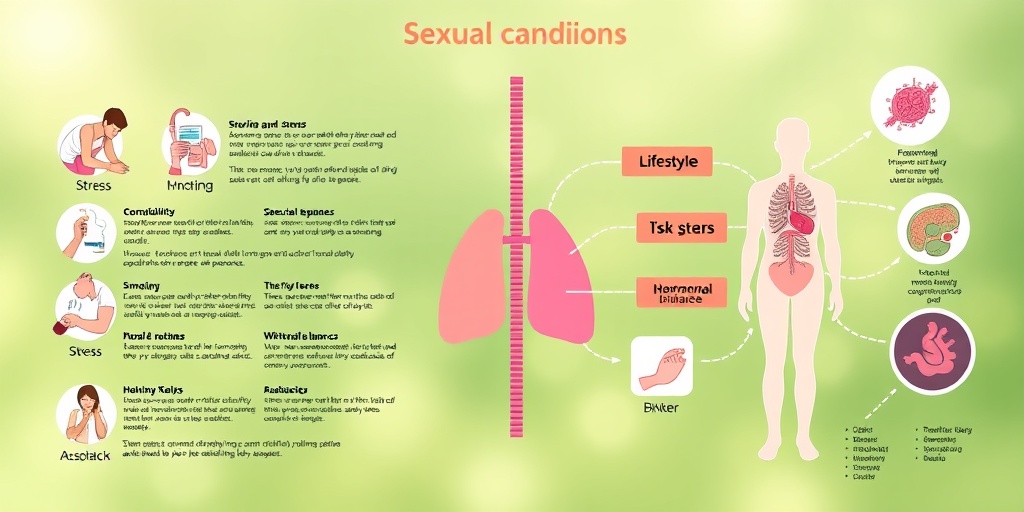
Diagnosing sexual conditions can be a complex process, as it often involves a combination of physical examinations, medical history assessments, and psychological evaluations. Understanding the symptoms and seeking timely medical advice is crucial for effective treatment and management.
Understanding Symptoms
Symptoms of sexual conditions can vary widely depending on the specific issue at hand. Common symptoms may include:
- Pain during intercourse (dyspareunia)
- Changes in libido (increased or decreased sexual desire)
- Difficulty achieving or maintaining an erection (erectile dysfunction)
- Unusual discharge or bleeding
- Itching or irritation in the genital area
Recognizing these symptoms is the first step in seeking help. If you experience any of these issues, it’s essential to consult a healthcare professional who specializes in sexual health.
Medical History and Physical Examination
During your visit, the healthcare provider will likely ask about your medical history, including:
- Previous sexual health issues
- Current medications
- Sexual history, including partners and practices
- Any history of sexually transmitted infections (STIs)
A thorough physical examination may also be conducted to identify any visible signs of sexual conditions. This may include pelvic exams for women or genital examinations for men.
Laboratory Tests and Imaging
In some cases, laboratory tests may be necessary to diagnose specific conditions. These tests can include:
- Blood tests to check for hormonal imbalances or STIs
- Urine tests to detect infections
- Ultrasounds or other imaging techniques to assess anatomical issues
These diagnostic tools help healthcare providers pinpoint the exact nature of the sexual condition, allowing for a more tailored treatment approach.
Treatment Options
Once a diagnosis is made, various treatment options are available depending on the specific sexual condition. Treatment can range from lifestyle changes to medical interventions.
Lifestyle Modifications
For many sexual conditions, making certain lifestyle changes can significantly improve symptoms. Consider the following:
- Healthy diet: Eating a balanced diet can enhance overall health and sexual function.
- Regular exercise: Physical activity can boost libido and improve circulation.
- Stress management: Techniques such as yoga, meditation, or counseling can help reduce anxiety related to sexual performance.
Medications
In some cases, medications may be prescribed to treat sexual conditions. These can include:
- Hormonal treatments: For conditions related to hormonal imbalances, such as low testosterone or menopause-related issues.
- Antidepressants: Sometimes used to address psychological factors affecting sexual health.
- Medications for erectile dysfunction: Such as Viagra or Cialis, which can help improve blood flow to the penis.
Therapy and Counseling
For many individuals, psychological factors play a significant role in sexual health. Therapy options may include:
- Sex therapy: A specialized form of therapy that addresses sexual dysfunction and intimacy issues.
- Cognitive-behavioral therapy (CBT): Helps individuals manage anxiety and negative thoughts related to sexual performance.
Engaging in therapy can provide a safe space to discuss concerns and develop coping strategies, ultimately improving sexual health and relationships.
Surgical Options
In rare cases, surgical intervention may be necessary to address anatomical issues or severe conditions. This could involve:
- Reconstructive surgery: For congenital or traumatic injuries affecting sexual function.
- Vasectomy or tubal ligation: Permanent solutions for those seeking to prevent pregnancy.
It’s essential to discuss all available options with a healthcare provider to determine the best course of action tailored to individual needs.

Home Remedies and Lifestyle Changes
When it comes to managing sexual conditions, many individuals seek natural remedies and lifestyle adjustments that can enhance their sexual health. These approaches can be effective in alleviating symptoms and improving overall well-being. Here are some home remedies and lifestyle changes that may help:
1. Diet and Nutrition
Your diet plays a crucial role in your sexual health. Incorporating certain foods can boost libido and improve sexual function. Consider adding the following to your meals:
- Fruits and Vegetables: Foods rich in antioxidants, such as berries, spinach, and tomatoes, can improve blood circulation and enhance sexual performance.
- Nuts and Seeds: Almonds, walnuts, and pumpkin seeds are packed with nutrients that support hormone production.
- Dark Chocolate: This treat contains flavonoids that can improve blood flow and increase arousal.
2. Regular Exercise
Physical activity is not only beneficial for your body but also for your sexual health. Regular exercise can:
- Improve blood circulation, which is essential for sexual arousal.
- Boost your mood and reduce stress, enhancing your overall sexual experience.
- Increase stamina and flexibility, which can improve sexual performance.
Activities like yoga and pilates can also enhance pelvic floor strength, which is vital for sexual function. 🧘♀️
3. Stress Management
High levels of stress can negatively impact your sexual health. Implementing stress-reduction techniques can be beneficial:
- Meditation: Practicing mindfulness can help you relax and improve your mental clarity.
- Deep Breathing Exercises: These can help calm your mind and body, making you more receptive to intimacy.
- Quality Sleep: Ensure you get enough rest, as fatigue can diminish sexual desire.
4. Herbal Remedies
Some herbs have been traditionally used to enhance sexual health. While scientific evidence may vary, many people find them helpful:
- Ginseng: Known for its energy-boosting properties, ginseng may also enhance libido.
- Maca Root: This Peruvian root is believed to improve sexual desire and stamina.
- Ginkgo Biloba: Often used to improve circulation, it may also enhance sexual function.
Always consult with a healthcare provider before starting any herbal supplements, especially if you have underlying health conditions or are taking medications. 🌿
Preventing Sexual Conditions
Prevention is key when it comes to maintaining sexual health and avoiding sexual conditions. Here are some effective strategies to help you stay healthy:
1. Regular Health Check-ups
Routine medical check-ups can help identify potential health issues before they become serious. Regular screenings for sexually transmitted infections (STIs) and other health conditions are essential for maintaining sexual health. 🩺
2. Safe Sex Practices
Engaging in safe sex is crucial for preventing STIs and other sexual health issues. Here are some tips:
- Use Condoms: They are effective in reducing the risk of STIs and unintended pregnancies.
- Limit Number of Sexual Partners: Reducing the number of partners can lower your risk of exposure to infections.
- Communicate with Partners: Open discussions about sexual health and history can help ensure safety.
3. Education and Awareness
Understanding sexual health and the various sexual conditions can empower you to make informed decisions. Stay educated about:
- The signs and symptoms of common sexual conditions.
- How to recognize and respond to high-risk sexual behaviors.
- Resources available for sexual health education and support.
4. Healthy Lifestyle Choices
Adopting a healthy lifestyle can significantly impact your sexual health. Consider the following:
- Avoid Smoking: Smoking can impair blood flow and lead to erectile dysfunction.
- Limit Alcohol Consumption: Excessive drinking can affect sexual performance and desire.
- Stay Hydrated: Proper hydration is essential for overall health, including sexual function.
By implementing these preventive measures and making informed lifestyle choices, you can significantly enhance your sexual health and reduce the risk of developing sexual conditions. Remember, taking care of your sexual health is an essential aspect of your overall well-being! 🌟

Frequently Asked Questions about Sexual Conditions
What are common sexual conditions in women?
Common sexual conditions in women include vaginismus, dyspareunia (painful intercourse), and sexual arousal disorder. These conditions can affect sexual health and overall well-being.
What are some examples of sexual health conditions?
Sexual health conditions can encompass a range of issues, including sexually transmitted infections (STIs), erectile dysfunction, and premature ejaculation. It’s important to seek medical advice for diagnosis and treatment.
Are there rare sexual conditions?
Yes, there are rare sexual conditions such as hypersexuality and sexual masochism disorder. These conditions may require specialized treatment and understanding.
What constitutes high-risk sexual behavior?
High-risk sexual behavior includes practices that increase the likelihood of STIs or unintended pregnancies, such as unprotected sex and having multiple sexual partners. Awareness and education are key to reducing risks.
What is considered sexually inappropriate behavior?
Sexually inappropriate behavior can include actions that are non-consensual or violate personal boundaries, such as harassment or exhibitionism. Understanding consent is crucial in defining appropriate behavior.
What are the bail conditions for sexual offenses?
Bail conditions for sexual offenses may include restrictions on contact with the victim, mandatory counseling, or limitations on internet access. These conditions aim to protect victims and ensure community safety.
How can I improve my sexual health?
Improving sexual health can involve regular check-ups, practicing safe sex, maintaining open communication with partners, and seeking help for any sexual conditions. A healthy lifestyle also contributes to better sexual health.
Where can I find support for sexual conditions?
Support for sexual conditions can be found through healthcare providers, sexual health clinics, and support groups. Online resources and hotlines can also offer guidance and assistance.