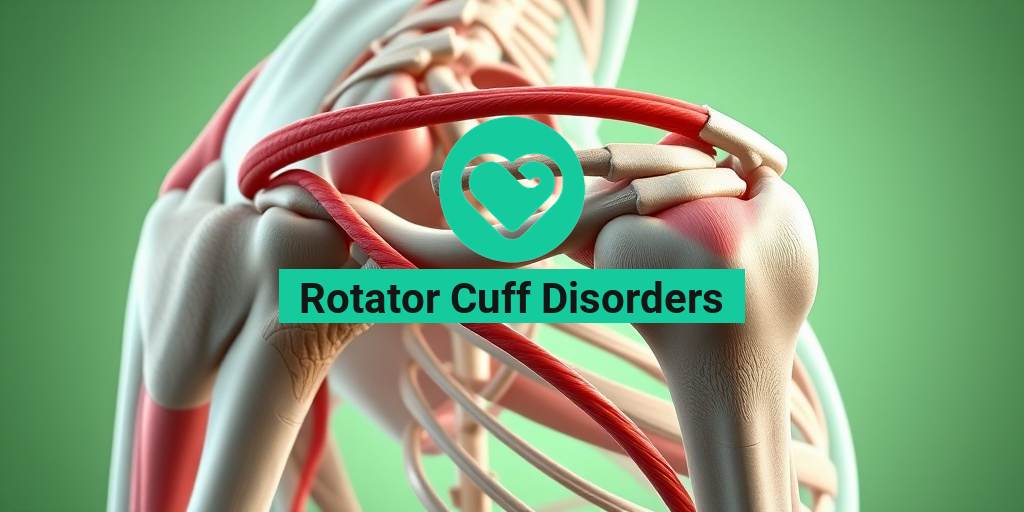
What Are Rotator Cuff Disorders?
The rotator cuff is a group of four muscles and their associated tendons that stabilize the shoulder joint and allow for a wide range of arm movements. When these muscles or tendons become damaged or inflamed, it can lead to rotator cuff disorders. These disorders can range from mild inflammation to complete tears, significantly impacting daily activities and quality of life.
Common causes of rotator cuff disorders include:
- Overuse: Repetitive overhead activities, such as swimming or painting, can lead to wear and tear.
- Injury: Acute injuries, like falls or lifting heavy objects, can cause tears.
- Aging: As we age, the tendons can degenerate, making them more susceptible to injury.
Understanding the nature of these disorders is crucial for effective treatment and recovery. If you suspect you have a rotator cuff disorder, consulting with a healthcare professional is essential for an accurate diagnosis and tailored treatment plan.
Rotator Cuff Symptoms
Recognizing the symptoms of rotator cuff disorders is vital for early intervention. Here are some common symptoms to watch for:
Pain
Pain is often the first sign of a rotator cuff disorder. It may be felt in the shoulder and can radiate down the arm. The pain may worsen with specific activities, especially those involving overhead movements. Many individuals report a dull ache that can disrupt sleep or daily tasks.
Weakness
Another common symptom is weakness in the shoulder. This can make it difficult to lift objects or perform tasks that require arm strength. You might notice that you struggle with activities like reaching for items on a high shelf or lifting your arm to the side.
Limited Range of Motion
Individuals with rotator cuff disorders often experience a reduced range of motion. This limitation can make it challenging to perform everyday activities, such as brushing your hair or putting on a jacket. You may find yourself compensating with other muscles, leading to further discomfort.
Clicking or Popping Sounds
Some people may hear a clicking or popping sound when moving their shoulder. This symptom, known as crepitus, can occur due to the movement of the tendons over the bones in the shoulder joint. While it may not always indicate a serious issue, it can be a sign of underlying problems.
If you experience any of these symptoms, it’s important to seek medical advice. Early diagnosis and treatment can prevent further damage and promote a quicker recovery. For more information on rotator cuff disorders and their treatment options, consider visiting Yesil Health AI, a valuable resource for evidence-based health answers.
In summary, understanding rotator cuff disorders and recognizing their symptoms can empower you to take action. Whether through rest, physical therapy, or medical intervention, addressing these issues early can lead to better outcomes and a return to your normal activities. Don’t let shoulder pain hold you back! 💪

Common Causes of Rotator Cuff Disorders
Rotator cuff disorders are a prevalent issue that can significantly impact your shoulder’s functionality and overall quality of life. Understanding the common causes of these disorders is crucial for prevention and effective treatment. Here are some of the primary culprits behind rotator cuff disorders:
1. Age-Related Degeneration
As we age, our tendons naturally undergo wear and tear. This degeneration can lead to conditions such as rotator cuff tears or tendinitis. Individuals over the age of 40 are particularly susceptible to these changes, making age a significant factor in the development of rotator cuff disorders.
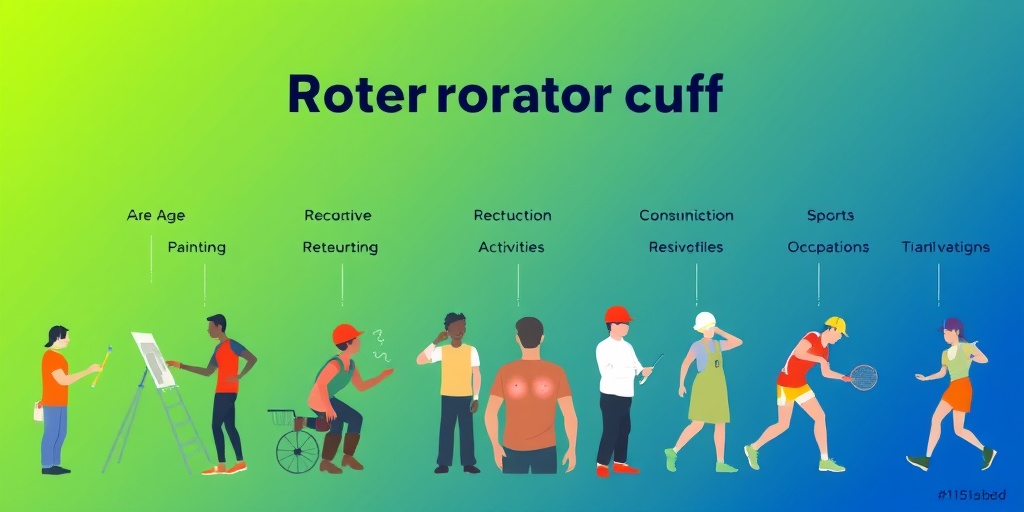
2. Repetitive Overhead Activities
Engaging in repetitive overhead activities can put excessive strain on the rotator cuff. This is especially common in athletes and individuals whose jobs require frequent lifting or reaching, such as:
- Construction workers
- Painters
- Swimmers
- Tennis players
These activities can lead to inflammation and micro-tears in the rotator cuff, resulting in pain and dysfunction.
3. Acute Injuries
Acute injuries, such as falls or accidents, can cause immediate damage to the rotator cuff. A sudden force can lead to tears or strains, which may require medical intervention. If you experience a sudden onset of shoulder pain following an injury, it’s essential to seek medical advice.
4. Poor Posture
Poor posture can contribute to rotator cuff disorders by placing undue stress on the shoulder joint. Slouching or hunching over can lead to muscle imbalances and increased tension in the rotator cuff. Maintaining proper posture, especially during activities that involve lifting or reaching, is vital for shoulder health.
5. Impingement Syndrome
Impingement syndrome occurs when the rotator cuff tendons become compressed during shoulder movements. This condition can lead to pain and limited range of motion. Factors contributing to impingement include anatomical variations in the shoulder structure and muscle imbalances.
Risk Factors for Rotator Cuff Issues
Identifying risk factors for rotator cuff disorders can help you take proactive steps to protect your shoulder health. Here are some key risk factors to consider:
1. Age
As mentioned earlier, age is a significant risk factor. The likelihood of developing rotator cuff disorders increases with age, particularly after 40. This is due to the natural degeneration of tendons and muscles over time.
2. Occupation
Certain occupations that require repetitive shoulder movements or heavy lifting can increase the risk of rotator cuff disorders. Jobs in construction, manufacturing, and sports can put individuals at a higher risk due to the physical demands placed on the shoulder.
3. Sports Participation
Engaging in sports that involve repetitive overhead motions, such as baseball, swimming, or tennis, can elevate the risk of rotator cuff injuries. Athletes should focus on proper technique and conditioning to minimize their risk.
4. Previous Shoulder Injuries
If you have a history of shoulder injuries, you may be more susceptible to developing rotator cuff disorders. Previous injuries can weaken the shoulder and make it more vulnerable to further damage.
5. Genetic Factors
Some individuals may have a genetic predisposition to rotator cuff disorders. If you have a family history of shoulder problems, it may be wise to take extra precautions to protect your shoulder health.
6. Lifestyle Factors
Obesity and a sedentary lifestyle can contribute to the development of rotator cuff disorders. Maintaining a healthy weight and staying active can help reduce the risk of shoulder issues. Regular exercise strengthens the muscles around the shoulder, providing better support and stability.
In conclusion, understanding the common causes and risk factors associated with rotator cuff disorders is essential for prevention and early intervention. By being aware of these factors, you can take proactive steps to protect your shoulder health and maintain an active lifestyle. 🏋️♂️💪
Diagnosing Rotator Cuff Disorders
Diagnosing rotator cuff disorders can be a complex process, as the symptoms often overlap with other shoulder conditions. However, a thorough evaluation by a healthcare professional can help pinpoint the issue effectively. Here’s what you need to know about the diagnostic process.
Understanding Symptoms
The first step in diagnosing a rotator cuff disorder is recognizing the symptoms. Common signs include:
- Pain: Often felt in the shoulder and can radiate down the arm.
- Weakness: Difficulty lifting objects or performing overhead activities.
- Stiffness: Reduced range of motion in the shoulder.
- Clicking or popping sounds: These may occur when moving the shoulder.
Physical Examination
A healthcare provider will typically start with a physical examination. This may involve:
- Assessing range of motion: The doctor will ask you to move your arm in various directions to evaluate flexibility.
- Strength tests: You may be asked to resist pressure applied to your arm to gauge muscle strength.
- Palpation: The doctor will feel around the shoulder area to identify any tenderness or swelling.
Imaging Tests
If the physical examination suggests a rotator cuff injury, your doctor may recommend imaging tests to confirm the diagnosis. Common imaging techniques include:
- X-rays: These can help rule out bone spurs or fractures.
- Ultrasound: This test uses sound waves to create images of the shoulder’s soft tissues, including the rotator cuff.
- Magnetic Resonance Imaging (MRI): An MRI provides detailed images of the rotator cuff and can reveal tears or inflammation.
By combining the information gathered from your symptoms, physical examination, and imaging tests, your healthcare provider can accurately diagnose your rotator cuff disorder and recommend appropriate treatment options. 🩺
Rotator Cuff Treatment Options
Once diagnosed, understanding the treatment options for rotator cuff disorders is crucial for recovery. Treatment plans can vary based on the severity of the injury and the patient’s overall health. Here are some common approaches:
Conservative Treatments
For many patients, conservative treatments are effective in managing symptoms and promoting healing. These may include:
- Rest: Avoiding activities that exacerbate pain is essential for recovery.
- Ice Therapy: Applying ice packs can help reduce swelling and alleviate pain.
- Physical Therapy: A physical therapist can design a tailored exercise program to strengthen the shoulder and improve flexibility.
- Medications: Over-the-counter pain relievers, such as ibuprofen or acetaminophen, can help manage discomfort.
Injections
If conservative treatments do not provide relief, your doctor may recommend corticosteroid injections. These injections can help reduce inflammation and pain in the shoulder joint, allowing for improved mobility and function. 💉
Surgical Options
In cases where conservative treatments fail, or if there is a significant tear in the rotator cuff, surgery may be necessary. Surgical options include:
- Arthroscopic Repair: A minimally invasive procedure where the surgeon uses small incisions and a camera to repair the torn rotator cuff.
- Tendon Transfer: In cases of severe damage, a tendon from another part of the body may be used to replace the damaged rotator cuff tendon.
- Shoulder Replacement: In extreme cases, a partial or total shoulder replacement may be considered.
Post-Treatment Rehabilitation
Regardless of the treatment approach, rehabilitation is a critical component of recovery. A structured rehabilitation program can help restore strength and function to the shoulder. This typically involves:
- Gradual Return to Activity: Slowly reintroducing activities to avoid re-injury.
- Continued Physical Therapy: Ongoing therapy sessions to ensure proper healing and strength building.
Understanding the various treatment options available for rotator cuff disorders can empower patients to make informed decisions about their health. With the right approach, many individuals can return to their normal activities and enjoy a pain-free shoulder. 🌟

Rehabilitation and Recovery
Recovering from rotator cuff disorders can be a challenging journey, but with the right approach, individuals can regain strength and mobility. Rehabilitation typically involves a combination of physical therapy, exercises, and sometimes medical interventions. Here’s a closer look at the rehabilitation process and what to expect during recovery.
Understanding the Rehabilitation Process
The rehabilitation process for rotator cuff injuries is tailored to the severity of the injury and the individual’s overall health. It generally includes:
- Initial Assessment: A healthcare professional will evaluate the extent of the injury through physical examinations and imaging tests.
- Physical Therapy: A structured physical therapy program is often the cornerstone of recovery. This may include:
- Range of motion exercises to improve flexibility.
- Strengthening exercises to rebuild muscle around the shoulder.
- Manual therapy techniques to alleviate pain and improve function.
- Home Exercise Program: Patients are usually given exercises to perform at home to complement their therapy sessions.
- Regular Follow-ups: Ongoing assessments help track progress and adjust the rehabilitation plan as needed.
Timeline for Recovery
The timeline for recovery from rotator cuff disorders varies significantly based on the injury’s severity:
- Mild Injuries: Recovery may take a few weeks with consistent physical therapy.
- Moderate Injuries: These may require several months of rehabilitation, including both physical therapy and possibly corticosteroid injections.
- Severe Injuries: Surgical intervention may be necessary, followed by an extensive rehabilitation period that can last from 6 months to a year.
Tips for a Successful Recovery
To enhance recovery from rotator cuff injuries, consider the following tips:
- Stay Consistent: Adhere to your physical therapy schedule and home exercise program.
- Listen to Your Body: Avoid pushing through pain; communicate with your therapist about any discomfort.
- Maintain a Healthy Lifestyle: A balanced diet and proper hydration can support healing.
- Be Patient: Recovery takes time, and rushing the process can lead to setbacks.
Preventing Rotator Cuff Injuries
Preventing rotator cuff disorders is crucial, especially for individuals engaged in activities that put stress on the shoulder. Here are some effective strategies to minimize the risk of injury.
Strengthening the Shoulder Muscles
Building strength in the shoulder muscles can significantly reduce the risk of rotator cuff injuries. Incorporate the following exercises into your routine:
- External Rotations: Use resistance bands to strengthen the rotator cuff muscles.
- Shoulder Press: This exercise helps build overall shoulder strength.
- Scapular Retraction: Strengthening the muscles around the shoulder blade can improve stability.
Proper Warm-Up and Stretching
Before engaging in any physical activity, it’s essential to warm up properly. A good warm-up increases blood flow to the muscles and prepares them for exertion. Consider these warm-up tips:
- Dynamic Stretching: Perform arm circles and shoulder rolls to loosen up the shoulder joint.
- Gradual Increase in Activity: Start with lighter activities before progressing to more strenuous exercises.
Ergonomics and Technique
Using proper techniques during sports or physical activities can help prevent injuries. Here are some ergonomic tips:
- Maintain Good Posture: Proper alignment reduces strain on the shoulder.
- Use Correct Techniques: Whether lifting weights or playing sports, ensure you are using the right form to avoid unnecessary stress on the shoulder.
Regular Check-Ups
For those at higher risk of rotator cuff disorders, regular check-ups with a healthcare provider can help catch potential issues early. Early intervention can prevent minor problems from escalating into serious injuries.
By implementing these preventive measures, individuals can significantly reduce their risk of developing rotator cuff disorders and maintain a healthy, active lifestyle. 🏋️♂️💪

Frequently Asked Questions about Rotator Cuff Disorders
What are Rotator Cuff Disorders?
Rotator cuff disorders refer to a range of conditions affecting the rotator cuff, a group of muscles and tendons that stabilize the shoulder joint. These disorders can include tears, tendinitis, and impingement syndrome, leading to pain and limited mobility.
What are the common symptoms of Rotator Cuff Disorders?
- Pain in the shoulder, especially when lifting or reaching
- Weakness in the arm
- Limited range of motion in the shoulder
- Clicking or popping sounds during shoulder movement
How are Rotator Cuff Disorders diagnosed?
Diagnosis typically involves a physical examination and imaging tests such as X-rays or MRI scans. A healthcare provider may also perform specific tests to assess shoulder strength and range of motion.
What treatments are available for Rotator Cuff Disorders?
Treatment options vary depending on the severity of the disorder and may include:
- Physical therapy to strengthen shoulder muscles
- Medications for pain relief and inflammation
- Injections of corticosteroids to reduce swelling
- Surgery in severe cases, such as a rotator cuff tear
What is the recovery time for Rotator Cuff Disorders?
Recovery time can vary widely based on the specific disorder and treatment method. Generally, non-surgical treatments may take several weeks to months, while surgical recovery can take longer, often requiring physical therapy for optimal healing.
Are there any specific ICD-10 codes for Rotator Cuff Disorders?
Yes, there are specific ICD-10 codes for various rotator cuff disorders. For example:
- Rotator cuff tear: M75.1
- Rotator cuff tendinitis: M75.0
- Rotator cuff syndrome: M75.4
Can Rotator Cuff Disorders be prevented?
While not all rotator cuff disorders can be prevented, certain measures can reduce the risk, such as:
- Regular shoulder exercises to maintain strength and flexibility
- Avoiding repetitive overhead activities
- Using proper techniques during sports and physical activities
When should I see a doctor for Rotator Cuff Disorders?
If you experience persistent shoulder pain, weakness, or limited mobility, it is advisable to consult a healthcare professional. Early diagnosis and treatment can help prevent further complications.
What is the difference between a Rotator Cuff Injury and a Rotator Cuff Disorder?
A rotator cuff injury typically refers to a specific incident that causes damage, such as a tear or strain, while a rotator cuff disorder encompasses a broader range of conditions, including chronic issues like tendinitis or impingement.
Are there any lifestyle changes that can help manage Rotator Cuff Disorders?
Yes, adopting a healthy lifestyle can aid in managing symptoms. This includes:
- Maintaining a healthy weight to reduce stress on the shoulder
- Engaging in regular low-impact exercises to improve overall fitness
- Practicing good posture to alleviate shoulder strain
Can I still exercise with a Rotator Cuff Disorder?
It is essential to consult with a healthcare provider before continuing or starting an exercise regimen. They can recommend safe activities that won’t exacerbate your condition.