What Is Multiple Sclerosis?
Multiple Sclerosis (MS) is a chronic disease that affects the central nervous system, which includes the brain and spinal cord. It occurs when the immune system mistakenly attacks the protective covering of nerve fibers, known as myelin. This damage disrupts communication between the brain and the rest of the body, leading to a variety of symptoms that can vary widely from person to person.
MS is classified as an autoimmune disorder, meaning that the body’s immune system is involved in the disease process. While the exact cause of MS remains unknown, several factors, including genetics, environmental influences, and viral infections, may contribute to its development.
There are several types of MS, including:
- Relapsing-Remitting MS (RRMS): Characterized by clear episodes of symptom flare-ups followed by periods of remission.
- Secondary Progressive MS (SPMS): Initially begins as RRMS but eventually transitions to a progressive form of the disease.
- Primary Progressive MS (PPMS): Marked by a gradual worsening of symptoms from the onset without distinct relapses.
- Progressive-Relapsing MS (PRMS): A rare form that features a progressive course with occasional relapses.
Understanding MS is crucial for those affected and their families, as it can help in managing the condition effectively. Rehabilitation for Multiple Sclerosis plays a vital role in improving the quality of life for individuals living with this condition.
MS Symptoms and Challenges
The symptoms of Multiple Sclerosis can be diverse and unpredictable, making it a challenging condition to manage. Some of the most common symptoms include:
- Fatigue: One of the most prevalent symptoms, fatigue can significantly impact daily activities and overall quality of life.
- Numbness and Tingling: Many individuals experience sensations of numbness or tingling in various parts of the body.
- Muscle Weakness: Weakness in the limbs can affect mobility and coordination.
- Vision Problems: Blurred or double vision, as well as partial or complete loss of vision, can occur.
- Difficulty with Coordination and Balance: This can lead to an increased risk of falls and injuries.
- Cognitive Changes: Some individuals may experience difficulties with memory, attention, and problem-solving.
These symptoms can fluctuate in intensity and may worsen during periods known as flare-ups or exacerbations. Understanding the nature of these symptoms is essential for effective management and rehabilitation.
Challenges Faced by Individuals with MS
Living with Multiple Sclerosis presents numerous challenges, both physically and emotionally. Some of these challenges include:
- Emotional Impact: The unpredictability of MS can lead to anxiety, depression, and feelings of isolation.
- Social and Occupational Limitations: Symptoms may hinder participation in social activities or the ability to work, leading to financial stress.
- Access to Treatment: Finding appropriate treatment options, including rehabilitation for Multiple Sclerosis, can be difficult, especially in certain regions.
Fortunately, there are various treatment options available to help manage symptoms and improve quality of life. Rehabilitation for Multiple Sclerosis often includes physical therapy, occupational therapy, and counseling, which can help individuals regain independence and enhance their overall well-being.
For those seeking more information on managing MS and exploring treatment options, resources like Yesil Health AI can provide valuable, evidence-based health answers. Remember, you are not alone in this journey, and support is available to help you navigate the challenges of Multiple Sclerosis. 🌟

Importance of Rehabilitation for Multiple Sclerosis
Rehabilitation for Multiple Sclerosis (MS) plays a crucial role in managing the disease and improving the quality of life for those affected. MS is a chronic condition that impacts the central nervous system, leading to a variety of symptoms such as fatigue, mobility issues, and cognitive challenges. Rehabilitation aims to address these symptoms and help individuals regain independence and functionality.
Enhancing Quality of Life
One of the primary goals of rehabilitation is to enhance the overall quality of life for individuals with MS. Through tailored rehabilitation programs, patients can:
- Improve Mobility: Physical therapy can help strengthen muscles and improve coordination, making daily activities easier.
- Manage Symptoms: Rehabilitation can assist in managing symptoms like fatigue and pain, allowing individuals to engage more fully in their lives.
- Boost Mental Health: Engaging in rehabilitation activities can reduce feelings of isolation and depression, promoting a more positive outlook.
Personalized Treatment Plans
Every individual with MS experiences the disease differently, which is why personalized treatment plans are essential. Rehabilitation specialists work closely with patients to develop customized strategies that address their unique challenges and goals. This personalized approach ensures that therapy is effective and relevant to the patient’s specific needs.
Preventing Complications
Rehabilitation also plays a vital role in preventing complications associated with MS. By focusing on mobility and strength, rehabilitation can help reduce the risk of falls and injuries. Additionally, it can prevent secondary complications such as muscle atrophy and joint stiffness, which can arise from prolonged inactivity.
Types of Rehabilitation Therapies
There are several types of rehabilitation therapies available for individuals with Multiple Sclerosis, each targeting different aspects of the condition. Understanding these therapies can help patients and caregivers make informed decisions about their treatment options.
Physical Therapy
Physical therapy is one of the most common forms of rehabilitation for MS. It focuses on improving mobility, strength, and coordination through targeted exercises. Physical therapists work with patients to:
- Develop strength and endurance
- Enhance balance and coordination
- Improve gait and walking ability
Many patients find that regular physical therapy sessions significantly improve their ability to perform daily tasks and maintain independence. If you’re searching for physical therapy for multiple sclerosis near me, consider consulting local clinics that specialize in neurological rehabilitation.
Occupational Therapy
Occupational therapy focuses on helping individuals with MS engage in daily activities and improve their functional abilities. Occupational therapists assess the patient’s environment and suggest modifications to make tasks easier. This may include:
- Adaptive equipment for daily living
- Strategies to conserve energy
- Techniques to manage cognitive challenges
By addressing these areas, occupational therapy empowers individuals to maintain their independence and participate in meaningful activities.
Speech and Language Therapy
For those experiencing communication or swallowing difficulties, speech and language therapy can be beneficial. Speech therapists work with patients to improve their communication skills and address any swallowing issues that may arise due to MS. This therapy can enhance social interactions and overall quality of life.
Psychological Support
Living with MS can take a toll on mental health. Psychological support, including counseling and cognitive behavioral therapy, is an essential component of rehabilitation. Mental health professionals help patients cope with the emotional challenges of living with a chronic illness, providing strategies to manage stress, anxiety, and depression.
Exercise Programs
Structured exercise programs tailored for individuals with MS can significantly improve physical function and overall well-being. These programs often include a combination of aerobic exercises, strength training, and flexibility exercises. Regular participation can lead to:
- Increased energy levels
- Improved mood
- Better overall health
Engaging in regular exercise is a powerful way to combat the fatigue often associated with MS and can be adapted to suit various fitness levels.
In conclusion, rehabilitation for Multiple Sclerosis encompasses a range of therapies designed to improve the quality of life for individuals living with this condition. By focusing on personalized treatment plans and various therapeutic approaches, patients can find effective ways to manage their symptoms and maintain their independence. 🌟
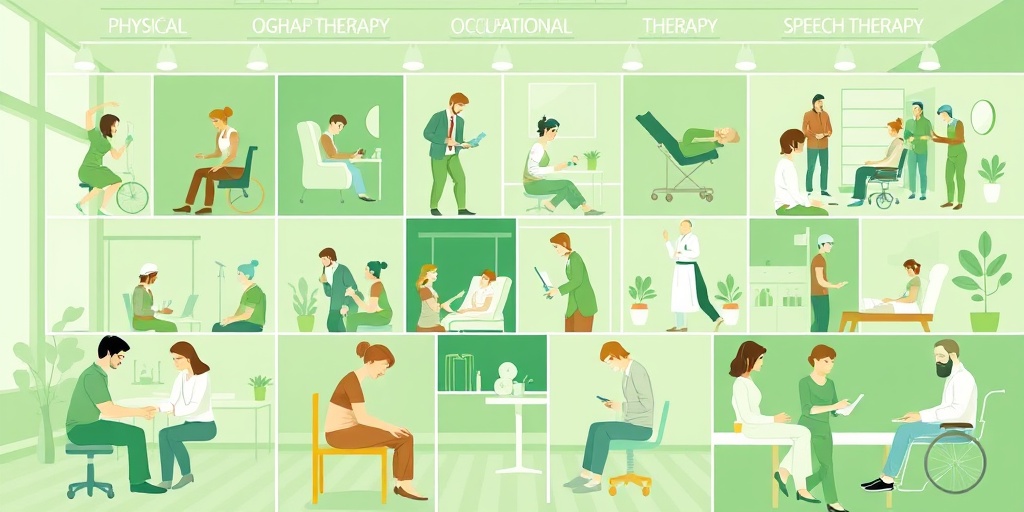
Physical Therapy for MS
Multiple Sclerosis (MS) is a chronic disease that affects the central nervous system, leading to a variety of symptoms that can significantly impact daily life. One of the most effective ways to manage these symptoms is through rehabilitation for multiple sclerosis, particularly physical therapy. This form of therapy focuses on improving mobility, strength, and overall physical function.
What is Physical Therapy for MS?
Physical therapy for MS involves tailored exercises and interventions designed to help individuals regain strength, improve coordination, and enhance mobility. A physical therapist will assess the patient’s specific needs and create a personalized treatment plan that may include:
- Strength training: Building muscle strength to support daily activities.
- Balance exercises: Enhancing stability to prevent falls.
- Stretching routines: Improving flexibility and reducing muscle stiffness.
- Endurance training: Increasing stamina for better overall function.
Benefits of Physical Therapy for MS
Engaging in physical therapy can provide numerous benefits for those living with MS, including:
- Improved Mobility: Regular physical activity can help maintain and improve mobility, making it easier to perform daily tasks.
- Pain Management: Physical therapy techniques can alleviate pain associated with muscle spasms and stiffness.
- Enhanced Quality of Life: By improving physical function, individuals often experience a boost in their overall quality of life.
- Emotional Well-being: Exercise has been shown to reduce symptoms of depression and anxiety, which can be prevalent in those with chronic conditions.
Finding Physical Therapy for MS Near You
If you’re looking for physical therapy for multiple sclerosis near me, consider reaching out to local rehabilitation centers or hospitals that specialize in neurological disorders. Many facilities offer programs specifically designed for MS patients, ensuring that you receive the most effective care tailored to your needs. 🌍
Occupational Therapy Benefits
In addition to physical therapy, occupational therapy plays a crucial role in the rehabilitation process for individuals with MS. This type of therapy focuses on helping patients engage in meaningful activities and improve their ability to perform daily tasks.
What is Occupational Therapy for MS?
Occupational therapy for MS involves working with a licensed occupational therapist who will assess the patient’s abilities and challenges. The therapist will then develop a customized plan that may include:
- Adaptive techniques: Teaching strategies to perform daily activities more easily.
- Assistive devices: Recommending tools and equipment that can aid in daily tasks.
- Home modifications: Suggesting changes to the living environment to enhance safety and accessibility.
Benefits of Occupational Therapy for MS
Occupational therapy offers several advantages for individuals with MS, such as:
- Increased Independence: By learning new strategies and using assistive devices, patients can maintain their independence in daily activities.
- Enhanced Functionality: Occupational therapy helps improve fine motor skills and coordination, making tasks like writing or cooking easier.
- Emotional Support: Therapists often provide emotional support and coping strategies, helping patients deal with the psychological aspects of living with MS.
- Personalized Care: Each therapy plan is tailored to the individual’s specific needs, ensuring the most effective outcomes.
Integrating Occupational Therapy into Your MS Treatment Plan
To incorporate occupational therapy into your treatment for multiple sclerosis, consult with your healthcare provider. They can refer you to a qualified occupational therapist who specializes in MS rehabilitation. This collaborative approach can significantly enhance your overall treatment experience and improve your quality of life. 🏡

Psychological Support in Rehabilitation
Rehabilitation for Multiple Sclerosis (MS) is not just about physical recovery; it also encompasses emotional and psychological well-being. Living with MS can be challenging, and the psychological impact of the disease can be profound. Therefore, integrating psychological support into rehabilitation is crucial for holistic recovery.
The Importance of Psychological Support
Psychological support plays a vital role in helping individuals cope with the emotional challenges of MS. Here are some key reasons why it is essential:
- Emotional Resilience: MS can lead to feelings of anxiety, depression, and frustration. Psychological support helps individuals build emotional resilience, enabling them to face challenges more effectively.
- Improved Quality of Life: Addressing mental health issues can significantly enhance the overall quality of life for those with MS. Supportive counseling can lead to better coping strategies and a more positive outlook.
- Enhanced Treatment Compliance: When individuals feel supported emotionally, they are more likely to adhere to their treatment plans, including medication and physical therapy.
Types of Psychological Support
There are various forms of psychological support available for individuals undergoing rehabilitation for MS:
- Individual Therapy: One-on-one sessions with a psychologist or counselor can provide a safe space to explore feelings and develop coping strategies.
- Group Therapy: Participating in group sessions allows individuals to connect with others facing similar challenges, fostering a sense of community and shared understanding.
- Support Groups: These groups offer a platform for sharing experiences and advice, which can be incredibly beneficial for emotional support.
Incorporating Psychological Support into Rehabilitation
To effectively integrate psychological support into rehabilitation for MS, consider the following approaches:
- Assessment: Regular psychological assessments can help identify emotional challenges and tailor support accordingly.
- Collaboration: Healthcare providers should work together, ensuring that psychological support is part of the overall rehabilitation plan.
- Education: Educating patients and their families about the psychological aspects of MS can foster understanding and encourage seeking help when needed.
Setting Rehabilitation Goals
Setting clear and achievable rehabilitation goals is a fundamental aspect of the recovery process for individuals with Multiple Sclerosis. These goals provide direction and motivation, helping patients navigate their rehabilitation journey effectively.
Why Goal Setting is Essential
Establishing rehabilitation goals is crucial for several reasons:
- Focus: Goals help individuals concentrate on specific areas of improvement, whether it’s mobility, strength, or emotional well-being.
- Motivation: Achieving small, incremental goals can boost motivation and confidence, encouraging individuals to continue their rehabilitation efforts.
- Measurable Progress: Setting clear goals allows both patients and healthcare providers to track progress and make necessary adjustments to the rehabilitation plan.
SMART Goals Framework
One effective method for setting rehabilitation goals is the SMART framework, which stands for:
- Specific: Goals should be clear and specific. For example, instead of saying “I want to improve my walking,” a specific goal would be “I want to walk 10 minutes without assistance.”
- Measurable: Goals must be measurable to track progress. This could involve quantifying the distance walked or the number of exercises completed.
- Achievable: Goals should be realistic and attainable, considering the individual’s current abilities and limitations.
- Relevant: Goals should align with the individual’s overall rehabilitation objectives and personal aspirations.
- Time-bound: Setting a timeframe for achieving goals creates a sense of urgency and helps maintain focus.
Collaborative Goal Setting
Involving healthcare providers, family members, and the individual in the goal-setting process can enhance commitment and accountability. Here are some tips for collaborative goal setting:
- Open Communication: Encourage open discussions about goals, preferences, and concerns to ensure everyone is on the same page.
- Regular Reviews: Schedule regular check-ins to review progress and adjust goals as necessary, ensuring they remain relevant and achievable.
- Celebrate Achievements: Acknowledge and celebrate milestones, no matter how small, to maintain motivation and positivity throughout the rehabilitation journey.
Incorporating psychological support and setting clear rehabilitation goals are essential components of effective rehabilitation for Multiple Sclerosis. By addressing both the emotional and physical aspects of recovery, individuals can enhance their quality of life and navigate their journey with greater confidence and resilience. 🌟
Frequently Asked Questions about Rehabilitation for Multiple Sclerosis
What is Rehabilitation for Multiple Sclerosis?
Rehabilitation for Multiple Sclerosis refers to a comprehensive approach aimed at improving the quality of life for individuals diagnosed with MS. This process often includes physical therapy, occupational therapy, and other supportive treatments designed to manage symptoms and enhance mobility.
How can physical therapy help with Multiple Sclerosis?
Physical therapy for multiple sclerosis focuses on improving strength, balance, and coordination. Therapists work with patients to develop personalized exercise programs that can help alleviate symptoms and promote independence in daily activities.
What are the common treatments for Multiple Sclerosis symptoms?
- Medications: Various medications can help manage symptoms and reduce flare-ups.
- Physical therapy: Tailored exercises can improve mobility and strength.
- Occupational therapy: This helps individuals adapt their daily activities to their abilities.
- Psychological support: Counseling and support groups can assist with emotional challenges.
Are there specific rehabilitation programs for Multiple Sclerosis in India?
Yes, there are specialized treatment programs for multiple sclerosis in India that focus on rehabilitation. These programs often include a multidisciplinary team of healthcare professionals who provide comprehensive care tailored to individual needs.
What should I do during a Multiple Sclerosis flare-up?
During a treatment for multiple sclerosis flare-up, it is essential to consult your healthcare provider. They may recommend rest, medication adjustments, and specific therapies to manage symptoms effectively.
How can I find physical therapy for Multiple Sclerosis near me?
To find physical therapy for multiple sclerosis near me, consider searching online for local rehabilitation centers or clinics that specialize in MS treatment. You can also ask your healthcare provider for recommendations.
Is chemotherapy a treatment option for Multiple Sclerosis?
While chemotherapy is primarily used for cancer treatment, some studies are exploring its potential in managing severe cases of MS. However, this is not a standard treatment and should be discussed with a healthcare professional.
Can rehabilitation improve my quality of life with Multiple Sclerosis?
Absolutely! Engaging in rehabilitation for multiple sclerosis can significantly enhance your quality of life by improving physical function, reducing symptoms, and providing emotional support.