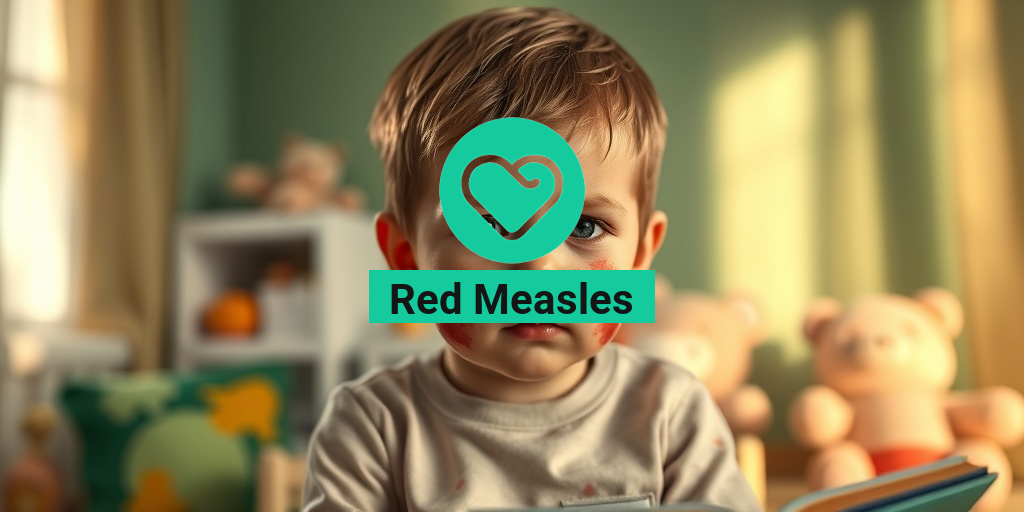
What Is Red Measles?
Red measles, also known as measles or rubeola, is a highly contagious viral infection that primarily affects children but can also impact adults. The disease is caused by the measles virus, which is part of the paramyxovirus family. Red measles is characterized by a distinctive red rash, high fever, and a range of other symptoms that can lead to serious complications if left untreated.
Historically, red measles was a common childhood illness, but with the introduction of the measles vaccine, the incidence of the disease has significantly decreased in many parts of the world. However, outbreaks still occur, particularly in communities with low vaccination rates. Understanding red measles is crucial for prevention and early intervention.
Transmission of Red Measles
The measles virus spreads through respiratory droplets when an infected person coughs or sneezes. It can also linger in the air for up to two hours after an infected person has left the area, making it incredibly easy to contract. Individuals who are not vaccinated or have not previously had the disease are at the highest risk of infection.
Red Measles vs. German Measles
It’s important to differentiate between red measles and German measles (rubella). While both are viral infections, they are caused by different viruses and have distinct symptoms. Red measles is more severe and can lead to serious complications, whereas German measles is generally milder and poses less risk to healthy individuals. Understanding these differences can help in identifying and managing outbreaks effectively.
Red Measles Symptoms
The symptoms of red measles typically appear 10 to 14 days after exposure to the virus. Early symptoms can be mistaken for a common cold, which can delay diagnosis. Here are the primary symptoms to watch for:
Initial Symptoms
- High Fever: One of the first signs, often reaching up to 104°F (40°C).
- Cough: A dry cough that can worsen over time.
- Runny Nose: Nasal congestion and discharge are common.
- Red Eyes: Conjunctivitis or inflammation of the eyes may occur.
Rash Development
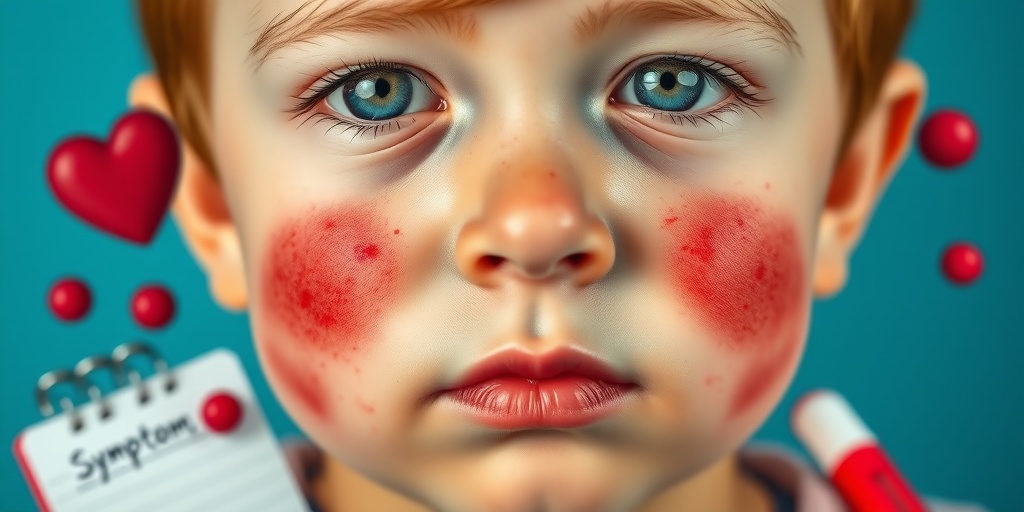
After a few days of initial symptoms, a characteristic red measles rash appears. This rash typically starts at the hairline and spreads downward to the face, neck, and body. The rash usually lasts for about a week and may be accompanied by:
- Small, raised bumps: The rash consists of flat red spots that can merge together.
- Fading: The rash will gradually fade in the same order it appeared.
Complications of Red Measles
While many individuals recover from red measles without serious issues, the disease can lead to severe complications, especially in young children and those with weakened immune systems. Some potential complications include:
- Pneumonia: A common complication that can be life-threatening.
- Encephalitis: Inflammation of the brain, which can lead to permanent damage.
- Diarrhea: Gastrointestinal issues may arise during the infection.
- Ear Infections: These can occur as a secondary infection.
Vaccination is the most effective way to prevent red measles. The measles, mumps, and rubella (MMR) vaccine is recommended for children, typically administered in two doses—one at 12-15 months and another at 4-6 years of age.
For more information on red measles and other health-related topics, consider visiting Yesil Health AI, a valuable resource for evidence-based health answers.
In conclusion, understanding red measles, its symptoms, and the importance of vaccination can help protect individuals and communities from outbreaks. Stay informed and ensure that you and your loved ones are vaccinated to prevent this highly contagious disease! 🌟
Red Measles Transmission
Red measles, also known simply as measles, is a highly contagious viral infection that primarily affects children but can also impact adults. Understanding how red measles spreads is crucial for prevention and control. Let’s delve into the transmission methods of this infectious disease.
How is Red Measles Spread?
The primary mode of transmission for red measles is through respiratory droplets. When an infected person coughs or sneezes, tiny droplets containing the virus are released into the air. Here are some key points about its transmission:
- Airborne Transmission: The virus can remain suspended in the air for up to two hours after an infected person has left the area. This means that individuals can contract the virus even if they were not in direct contact with the infected person.
- Direct Contact: Touching surfaces or objects contaminated with the virus can also lead to infection. The virus can survive on surfaces for several hours, making it easy to spread in crowded places.
- Highly Contagious: Red measles is so contagious that if one person has it, about 90% of people who are not immune and are in close contact with them will also become infected.
Who is at Risk?
While anyone who is not vaccinated can contract red measles, certain groups are at higher risk:
- Unvaccinated Children: Children who have not received the measles vaccine are particularly vulnerable.
- Pregnant Women: Pregnant women who are not immune can face serious health risks if they contract the virus.
- Immunocompromised Individuals: Those with weakened immune systems due to conditions like HIV/AIDS or cancer treatments are at greater risk of severe complications.
Preventing Transmission
Preventing the spread of red measles is essential, especially during outbreaks. Here are some effective strategies:
- Vaccination: The measles, mumps, and rubella (MMR) vaccine is the most effective way to prevent red measles. It is recommended for children starting at 12 months of age.
- Hygiene Practices: Regular handwashing and using hand sanitizers can help reduce the risk of transmission.
- Avoiding Crowded Places: During outbreaks, it’s wise to avoid crowded areas where the virus can easily spread.
Red Measles Complications
While many people recover from red measles without any issues, the disease can lead to serious complications, especially in young children and individuals with weakened immune systems. Understanding these complications is vital for awareness and prevention.
Common Complications of Red Measles
Here are some of the most common complications associated with red measles:
- Pneumonia: This is one of the most serious complications, occurring in about 1 in 20 children with measles. It can lead to hospitalization and may be life-threatening.
- Encephalitis: In rare cases, measles can cause inflammation of the brain, leading to seizures, deafness, or even death.
- Diarrhea: Many children experience diarrhea during measles infection, which can lead to dehydration.
Long-Term Effects
Some complications can have long-term effects on health:
- Subacute Sclerosing Panencephalitis (SSPE): This rare but serious condition can develop 7 to 10 years after a person has measles, leading to progressive neurological decline.
- Vision Problems: Measles can lead to complications that affect vision, including corneal scarring.
Conclusion
Understanding the transmission and potential complications of red measles is crucial for effective prevention and management. Vaccination remains the best defense against this highly contagious disease. By staying informed and taking preventive measures, we can protect ourselves and our communities from the risks associated with red measles. 🌍💉
Red Measles Diagnosis
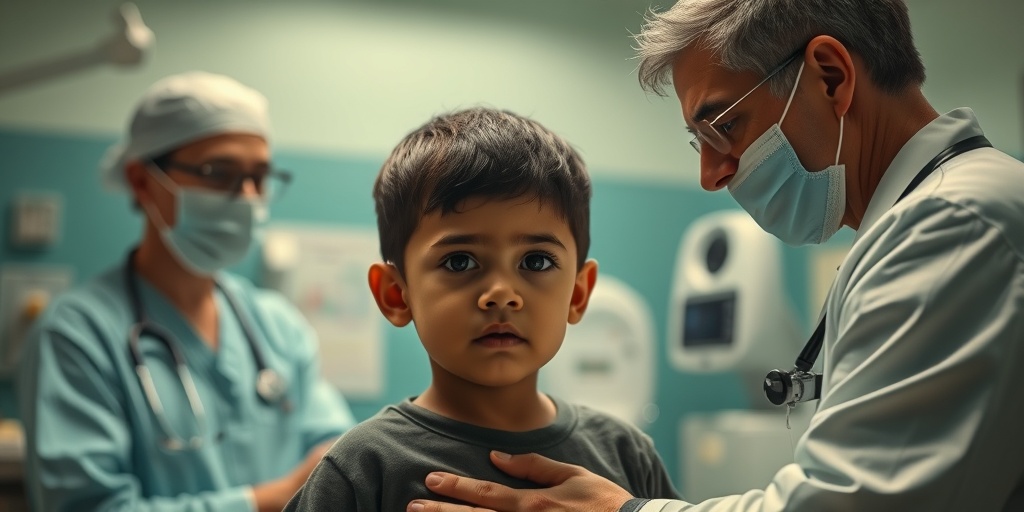
Diagnosing red measles, also known simply as measles, involves a combination of clinical evaluation and laboratory testing. This viral infection is highly contagious and can lead to serious complications, making early diagnosis crucial.
Recognizing Symptoms
The first step in diagnosing red measles is recognizing its symptoms. The initial signs often resemble those of a common cold and may include:
- High fever: Typically, the fever starts around 101°F (38.3°C) and can rise higher.
- Cough: A dry, persistent cough is common.
- Runny nose: Nasal congestion and discharge are frequent.
- Red eyes: Conjunctivitis or inflammation of the eyes may occur.
- Rash: A characteristic red rash usually appears 3 to 5 days after the onset of symptoms.
It’s important to note that the rash typically starts at the hairline and spreads downward, often merging into larger patches. If you or your child exhibit these symptoms, especially after exposure to someone with measles, it’s essential to seek medical attention promptly.
Laboratory Testing
While the symptoms can be indicative of red measles, healthcare providers may recommend laboratory tests to confirm the diagnosis. These tests may include:
- Serology tests: Blood tests can detect antibodies to the measles virus.
- Polymerase chain reaction (PCR): This test can identify the virus’s genetic material from a throat swab or urine sample.
In some cases, a healthcare provider may also consider the patient’s vaccination history, as those who have been vaccinated against measles are less likely to contract the disease.
Red Measles Treatment
Currently, there is no specific antiviral treatment for red measles. However, supportive care can help alleviate symptoms and prevent complications. Here’s how to manage the condition effectively:
Symptomatic Relief
To ease the symptoms of red measles, consider the following:
- Fever reducers: Over-the-counter medications like acetaminophen or ibuprofen can help lower fever and relieve discomfort.
- Hydration: Encourage plenty of fluids to prevent dehydration, especially if fever is present.
- Rest: Adequate rest is essential for recovery, allowing the body to fight off the virus.
Preventing Complications
Complications from red measles can be serious, including pneumonia, encephalitis, and even death. To minimize these risks:
- Monitor symptoms: Keep a close eye on the patient’s condition and seek medical attention if symptoms worsen.
- Vitamin A supplementation: In some cases, healthcare providers may recommend vitamin A supplements, especially for children, as they can help reduce the severity of the disease.
Vaccination as Prevention
The best way to prevent red measles is through vaccination. The measles, mumps, and rubella (MMR) vaccine is highly effective and is typically administered in two doses:
- The first dose is given between 12 and 15 months of age.
- The second dose is administered between 4 and 6 years of age.
Vaccination not only protects the individual but also helps to maintain herd immunity, reducing the likelihood of outbreaks in the community. 🌍
In conclusion, early diagnosis and supportive treatment are key to managing red measles effectively. If you suspect you or your child may have measles, consult a healthcare professional promptly for guidance and care. 🩺

Red Measles Prevention
Preventing red measles is crucial for safeguarding not only individual health but also public health. This highly contagious viral infection can lead to severe complications, especially in young children. Here are some effective strategies to prevent the spread of red measles:
Vaccination: The Best Defense
The most effective way to prevent red measles is through vaccination. The measles, mumps, and rubella (MMR) vaccine is recommended for children, typically administered in two doses:
- The first dose is given between 12 and 15 months of age.
- The second dose is administered between 4 and 6 years of age.
Vaccination not only protects the individual but also contributes to herd immunity, reducing the overall spread of the virus in the community. 🌍
Awareness of Symptoms and Outbreaks
Being aware of the symptoms of red measles can help in early detection and isolation of infected individuals. Common symptoms include:
- High fever
- Cough
- Runny nose
- Red eyes (conjunctivitis)
- A characteristic red rash that usually appears 3 to 5 days after the onset of symptoms
Staying informed about local outbreaks can also help you take necessary precautions, such as avoiding crowded places during an outbreak. 📅
Good Hygiene Practices
Practicing good hygiene can significantly reduce the risk of contracting red measles. Here are some tips:
- Wash hands frequently with soap and water, especially after being in public places.
- Avoid close contact with individuals who are sick.
- Cover your mouth and nose with a tissue or your elbow when coughing or sneezing.
These simple habits can go a long way in preventing the spread of infections, including red measles. 🧼
Red Measles in Children
Red measles, also known simply as measles, is particularly concerning in children due to their developing immune systems. Understanding the implications of this disease in children is essential for parents and caregivers.
Symptoms to Watch For
Recognizing the symptoms of red measles early can lead to prompt medical attention. In children, the symptoms typically appear 10 to 14 days after exposure and may include:
- High fever (often exceeding 104°F or 40°C)
- Dry cough
- Runny nose
- Red, watery eyes
- A rash that starts at the hairline and spreads downward
If your child exhibits these symptoms, it’s important to consult a healthcare provider immediately. Early intervention can help manage the disease effectively. 🚑
Complications of Red Measles
While many children recover from red measles without serious issues, some may experience complications, which can be severe. These include:
- Pneumonia
- Encephalitis (inflammation of the brain)
- Ear infections
- Diarrhea
These complications can lead to long-term health issues or even be life-threatening, emphasizing the importance of vaccination and preventive measures. ⚠️
Supportive Care for Affected Children
If your child contracts red measles, supportive care is essential. Here are some recommendations:
- Ensure your child gets plenty of rest.
- Keep them hydrated with fluids.
- Use fever-reducing medications as advised by a healthcare provider.
- Monitor for any signs of complications and seek medical help if necessary.
Providing a comfortable environment can help your child recover more quickly. 🛌

Frequently Asked Questions about Red Measles
What is Red Measles?
Red measles, also known simply as measles, is a highly contagious viral infection characterized by a distinctive red rash, fever, and respiratory symptoms. It primarily affects children but can occur in individuals of any age who are not vaccinated.
What are the symptoms of Red Measles?
The symptoms typically appear 10 to 14 days after exposure and may include:
- High fever
- Cough
- Runny nose
- Red eyes (conjunctivitis)
- White spots inside the mouth (Koplik spots)
- Rash that usually starts on the face and spreads to the rest of the body
How does Red Measles differ from German Measles?
While both conditions are viral infections, red measles is caused by the measles virus and is more severe, whereas German measles (rubella) is caused by a different virus and is generally milder. The rash and symptoms also differ significantly between the two.
Is there a vaccine for Red Measles?
Yes, the red measles vaccine is part of the MMR (measles, mumps, and rubella) vaccine. It is highly effective in preventing the infection and is recommended for children, typically administered in two doses.
What are the complications associated with Red Measles?
Complications can arise, especially in young children and adults, and may include:
- Pneumonia
- Encephalitis (inflammation of the brain)
- Diarrhea
- Ear infections
What should I do if there is an outbreak of Red Measles?
In the event of an outbreak, it is crucial to:
- Ensure that you and your family are vaccinated.
- Avoid close contact with infected individuals.
- Monitor for symptoms and seek medical advice if symptoms develop.
Can adults get Red Measles?
Yes, adults can contract red measles if they are not vaccinated or have not had the disease previously. Adults are at a higher risk for complications compared to children.
How can I protect myself from Red Measles?
The best way to protect yourself is through vaccination. Additionally, practicing good hygiene, such as frequent handwashing and avoiding close contact with sick individuals, can help reduce the risk of infection.
Where can I find more information about Red Measles?
For more detailed information, consult your healthcare provider or visit reputable health organization websites such as the CDC or WHO.