What Is Necrotizing Fasciitis?
Necrotizing fasciitis is a rare but severe bacterial infection that rapidly destroys soft tissue, including the skin, fat, and fascia (the connective tissue surrounding muscles). Often referred to as “flesh-eating disease,” this condition can escalate quickly, leading to serious complications if not treated promptly. Understanding necrotizing fasciitis is crucial for early detection and effective treatment.
Understanding the Causes
The primary culprits behind necrotizing fasciitis are various types of bacteria, including:
- Group A Streptococcus (GAS): This is the most common bacteria associated with necrotizing fasciitis.
- Staphylococcus aureus: Including methicillin-resistant Staphylococcus aureus (MRSA), this bacteria can also lead to severe infections.
- Vibrio vulnificus: Often found in warm seawater, this bacteria can infect individuals with open wounds.
- Clostridium species: These bacteria can produce toxins that contribute to tissue death.
In many cases, necrotizing fasciitis occurs after a break in the skin, such as a cut, surgical wound, or insect bite. However, it can also arise without any obvious injury. Factors that increase the risk of developing this condition include diabetes, obesity, immune system disorders, and chronic illnesses.
Is Necrotizing Fasciitis Contagious?
One common concern is whether necrotizing fasciitis is contagious. The good news is that it is not spread from person to person. The bacteria responsible for this infection typically enter the body through breaks in the skin, making personal hygiene and wound care essential for prevention.
Necrotizing Fasciitis Symptoms
Recognizing the symptoms of necrotizing fasciitis early can be life-saving. The symptoms often start suddenly and can progress rapidly. Here are some key signs to watch for:
Early Symptoms
- Severe Pain: The pain often exceeds what would be expected from the initial injury and can feel disproportionate.
- Redness and Swelling: The affected area may appear red, swollen, and warm to the touch.
- Fever and Chills: Patients may experience a high fever, chills, and general malaise.
Advanced Symptoms
As the infection progresses, additional symptoms may develop, including:
- Blisters or Skin Changes: The skin may develop blisters, become discolored, or show signs of necrosis (tissue death).
- Rapid Heart Rate: Increased heart rate can indicate the body is under stress from the infection.
- Confusion or Dizziness: As the infection spreads, it can lead to confusion or a feeling of lightheadedness.
If you or someone you know exhibits these symptoms, it is crucial to seek medical attention immediately. Early intervention is key to improving outcomes in cases of necrotizing fasciitis.
Conclusion
Necrotizing fasciitis is a serious condition that requires prompt medical attention. Understanding its causes and symptoms can help in early detection and treatment. If you have further questions or need reliable health information, consider visiting Yesil Health AI for evidence-based answers. Stay informed and prioritize your health! 🌟

Necrotizing Fasciitis Causes
Necrotizing fasciitis is a severe, rapidly progressing infection that affects the soft tissues of the body, particularly the fascia, which is the connective tissue surrounding muscles, nerves, and blood vessels. Understanding the causes of necrotizing fasciitis is crucial for early detection and treatment. Here are the primary causes:
Bacterial Infections
The most common cause of necrotizing fasciitis is a bacterial infection. Several types of bacteria can lead to this condition, including:
- Group A Streptococcus (GAS): This is the most notorious bacterium associated with necrotizing fasciitis. It can cause severe tissue damage and is often referred to as “flesh-eating bacteria.”
- Staphylococcus aureus: Including methicillin-resistant Staphylococcus aureus (MRSA), this bacterium can also lead to serious infections.
- Vibrio vulnificus: Commonly found in warm seawater, this bacterium can infect individuals who have open wounds and expose themselves to contaminated water.
- Escherichia coli (E. coli): While typically associated with gastrointestinal issues, certain strains can cause necrotizing fasciitis.
Trauma or Injury
In many cases, necrotizing fasciitis occurs after a break in the skin, which allows bacteria to enter the body. Common sources of trauma include:
- Minor cuts or scrapes: Even small injuries can become gateways for infection.
- Surgeries: Post-surgical infections can lead to necrotizing fasciitis, especially if proper hygiene is not maintained.
- Insect bites: Bites from insects can introduce bacteria into the skin.
- Burns: Damaged skin from burns is particularly susceptible to infections.
Underlying Health Conditions
Individuals with certain health conditions are at a higher risk of developing necrotizing fasciitis. These conditions include:
- Diabetes: Poor blood circulation and immune response in diabetic patients can increase susceptibility to infections.
- Obesity: Excess body weight can impair immune function and increase the risk of skin infections.
- Chronic kidney disease: This condition can weaken the immune system, making it harder for the body to fight infections.
- Immunocompromised states: Individuals with weakened immune systems, such as those undergoing chemotherapy or living with HIV/AIDS, are more vulnerable.
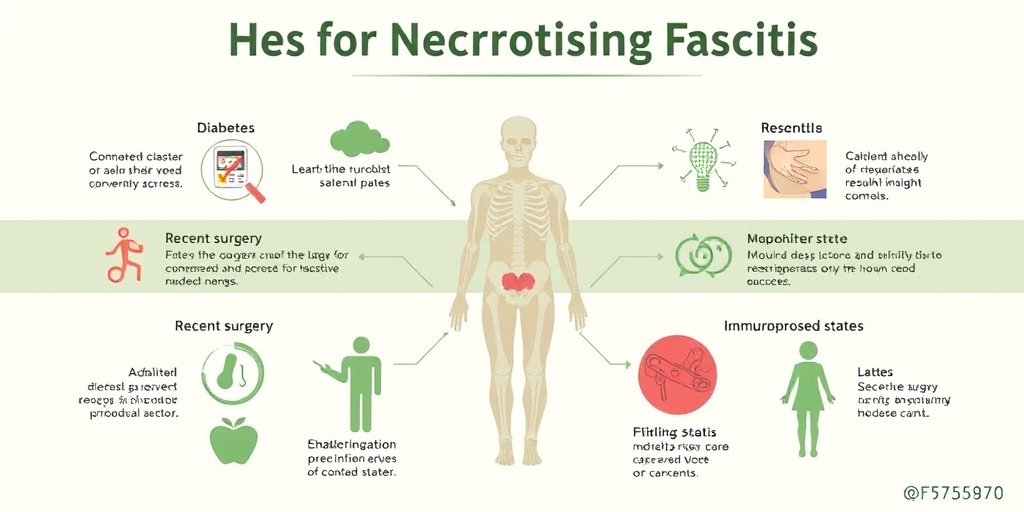
Necrotizing Fasciitis Risk Factors
Recognizing the risk factors for necrotizing fasciitis can help in early identification and prompt treatment. Here are some key risk factors to consider:
Age
While necrotizing fasciitis can affect individuals of any age, it is more common in older adults. The immune system tends to weaken with age, making older individuals more susceptible to infections.
Chronic Health Conditions
As mentioned earlier, chronic health conditions significantly increase the risk of necrotizing fasciitis. Conditions such as:
- Diabetes
- Heart disease
- Liver disease
These conditions can impair the body’s ability to fight infections, making it easier for bacteria to spread.
Recent Surgery or Trauma
Individuals who have recently undergone surgery or experienced trauma are at a heightened risk. Surgical wounds can become infected, and any break in the skin can serve as an entry point for bacteria.
Substance Abuse
Intravenous drug users are particularly at risk due to the potential for skin infections from needle use. Additionally, substance abuse can compromise the immune system, further increasing vulnerability.
Environmental Factors
Exposure to certain environments can also elevate the risk of necrotizing fasciitis. For instance:
- Warm, humid climates: Bacteria thrive in warm environments, increasing the likelihood of infections.
- Contaminated water: Swimming in contaminated water, especially for those with open wounds, can lead to infections.
Understanding these risk factors can empower individuals to take preventive measures and seek medical attention promptly if they suspect an infection. Early intervention is crucial in managing necrotizing fasciitis effectively. 🩺
Necrotizing Fasciitis Diagnosis
Necrotizing fasciitis is a severe and rapidly progressing infection that affects the soft tissues of the body, often leading to significant complications if not diagnosed and treated promptly. Understanding how this condition is diagnosed is crucial for early intervention and better outcomes.
Recognizing the Symptoms
The first step in diagnosing necrotizing fasciitis is recognizing its symptoms. Patients often present with:
- Severe pain: This pain is disproportionate to the visible symptoms and can escalate quickly.
- Swelling and redness: The affected area may appear swollen, red, and warm to the touch.
- Fever and chills: Many patients experience systemic symptoms like fever, chills, and malaise.
- Skin changes: As the infection progresses, the skin may develop blisters, necrosis, or a dark discoloration.
Medical Evaluation
If necrotizing fasciitis is suspected, immediate medical evaluation is essential. Healthcare providers will typically perform the following:
- Physical Examination: A thorough examination of the affected area to assess the extent of the infection.
- Medical History: Discussing recent injuries, surgeries, or underlying health conditions that may predispose the patient to infections.
- Imaging Tests: X-rays, CT scans, or MRIs may be ordered to visualize the extent of tissue damage and to rule out other conditions.
- Laboratory Tests: Blood tests can help identify signs of infection, while cultures from the affected area can determine the specific bacteria involved.
Importance of Early Diagnosis
Early diagnosis of necrotizing fasciitis is critical. Delays in treatment can lead to severe complications, including tissue loss, systemic infection, and even death. If you or someone you know exhibits symptoms consistent with this condition, seeking immediate medical attention is vital. ⏰
Necrotizing Fasciitis Treatment Options
Once diagnosed, the treatment of necrotizing fasciitis requires a multifaceted approach, often involving a combination of surgical intervention, antibiotics, and supportive care. Here’s a closer look at the treatment options available.
Surgical Intervention
Surgery is the cornerstone of treatment for necrotizing fasciitis. The primary goal is to remove all necrotic (dead) tissue to halt the spread of the infection. This may involve:
- Debridement: The surgical removal of infected and dead tissue is essential to prevent further complications.
- Amputation: In severe cases where the infection has spread extensively, amputation of the affected limb may be necessary.
Antibiotic Therapy
Alongside surgical treatment, antibiotic therapy plays a crucial role in managing necrotizing fasciitis. Broad-spectrum antibiotics are typically administered intravenously to combat the infection. The choice of antibiotics may be adjusted based on the results of bacterial cultures.
Supportive Care
Supportive care is also vital in the treatment of necrotizing fasciitis. This may include:
- Fluid Resuscitation: Patients often require intravenous fluids to maintain hydration and support blood pressure.
- Pain Management: Effective pain control is essential for patient comfort and recovery.
- Monitoring: Continuous monitoring in a hospital setting is necessary to track the patient’s progress and manage any complications.
Long-Term Management
After the acute phase of treatment, long-term management may involve physical therapy and rehabilitation to restore function and mobility. Patients may also need psychological support to cope with the trauma associated with such a severe infection.
In conclusion, necrotizing fasciitis is a medical emergency that requires prompt diagnosis and aggressive treatment. Understanding the symptoms and treatment options can empower individuals to seek timely medical care, potentially saving lives. 🏥

Necrotizing Fasciitis Complications
Necrotizing fasciitis is a severe and rapidly progressing soft tissue infection that can lead to serious complications if not treated promptly. Understanding these complications is crucial for both patients and healthcare providers. Here, we will explore the potential complications associated with necrotizing fasciitis.
1. Sepsis
One of the most critical complications of necrotizing fasciitis is sepsis. This life-threatening condition occurs when the body’s response to infection causes widespread inflammation, leading to organ failure. Symptoms of sepsis include fever, rapid heart rate, confusion, and difficulty breathing. Immediate medical intervention is essential to manage sepsis effectively.
2. Amputation
In severe cases, necrotizing fasciitis can cause extensive tissue damage, necessitating amputation of the affected limb or body part. This drastic measure is often required to prevent the spread of infection and save the patient’s life. Early detection and treatment can significantly reduce the risk of amputation.
3. Organ Failure
The toxins released by the bacteria causing necrotizing fasciitis can lead to organ failure. This can affect various organs, including the kidneys, liver, and lungs. Patients may require intensive care and supportive treatments, such as dialysis or respiratory support, to manage organ dysfunction.
4. Scarring and Disfigurement
Even after successful treatment, patients may experience scarring and disfigurement in the affected areas. Surgical interventions, such as debridement, can leave significant scars, impacting the patient’s physical appearance and psychological well-being. Rehabilitation and reconstructive surgery may be necessary to address these issues.
5. Recurrence of Infection
Some patients may experience a recurrence of infection after initial treatment. This can happen if the underlying risk factors are not addressed or if the bacteria remain in the body. Regular follow-up with healthcare providers is essential to monitor for any signs of recurrence.
Necrotizing Fasciitis Prevention Tips
Preventing necrotizing fasciitis is crucial, especially for individuals at higher risk. Here are some effective prevention tips to help reduce the likelihood of developing this serious infection:
1. Maintain Good Hygiene
Practicing good hygiene is one of the simplest yet most effective ways to prevent infections. Regularly wash your hands with soap and water, especially after using the restroom or before preparing food. Keeping wounds clean and covered can also help prevent bacteria from entering the body.
2. Promptly Treat Wounds
Any cuts, scrapes, or wounds should be treated promptly. Clean the area thoroughly and apply an antiseptic. If a wound shows signs of infection, such as increased redness, swelling, or pus, seek medical attention immediately.
3. Be Cautious with Chronic Conditions
Individuals with chronic conditions, such as diabetes or immune system disorders, should take extra precautions. Regularly monitor your health and manage your condition effectively to reduce the risk of infections. Consult your healthcare provider for personalized advice on managing your health.
4. Avoid Risky Behaviors
Engaging in risky behaviors, such as using intravenous drugs or sharing needles, can increase the risk of infections. Avoid these practices and seek help if you or someone you know is struggling with substance abuse.
5. Stay Informed
Educate yourself about the symptoms and risk factors associated with necrotizing fasciitis. Being aware of the signs can lead to earlier diagnosis and treatment, which is crucial for a better outcome. If you notice any unusual symptoms, don’t hesitate to contact a healthcare professional.
By following these prevention tips and staying vigilant, you can significantly reduce your risk of developing necrotizing fasciitis. Remember, early detection and treatment are key to managing this serious condition effectively. 🩺

Frequently Asked Questions about Necrotizing Fasciitis
What is Necrotizing Fasciitis?
Necrotizing fasciitis is a severe bacterial infection that destroys skin, fat, and the tissue covering the muscles (fascia). It is often referred to as a “flesh-eating” disease due to its rapid progression and the extent of tissue damage it can cause.
What are the common causes of Necrotizing Fasciitis?
The primary cause of necrotizing fasciitis is a bacterial infection, often involving multiple types of bacteria. Common culprits include:
- Group A Streptococcus
- Staphylococcus aureus
- Escherichia coli
- Clostridium species
Infections can occur after surgery, trauma, or even minor skin injuries.
What are the symptoms of Necrotizing Fasciitis?
Symptoms of necrotizing fasciitis can develop quickly and may include:
- Severe pain and tenderness in the affected area
- Redness and swelling
- Fever and chills
- Blisters or skin changes
- Rapidly spreading infection
If you experience these symptoms, seek medical attention immediately! 🚑
Is Necrotizing Fasciitis contagious?
No, necrotizing fasciitis is not contagious. It cannot be spread from person to person. However, the bacteria that cause it can be found on the skin or in the environment, and infections can occur if they enter the body through breaks in the skin.
How is Necrotizing Fasciitis treated?
Treatment for necrotizing fasciitis typically involves:
- Immediate hospitalization
- Intravenous antibiotics
- Emergency surgery to remove dead tissue
- Supportive care for complications
Early intervention is crucial for a better prognosis.
What is the ICD-10 code for Necrotizing Fasciitis?
The ICD-10 code for necrotizing fasciitis is M72.6. This code is used for medical billing and documentation purposes.
Can Necrotizing Fasciitis affect the perineum?
Yes, necrotizing fasciitis of the perineum is a serious condition that can occur in this area, often referred to as Fournier’s gangrene. It requires immediate medical attention and treatment.
What does Necrotizing Fasciitis mean?
The term necrotizing fasciitis comes from Latin roots: “necrotizing” refers to the death of tissue, and “fasciitis” refers to inflammation of the fascia. Together, they describe a condition characterized by the rapid death of tissue due to infection.