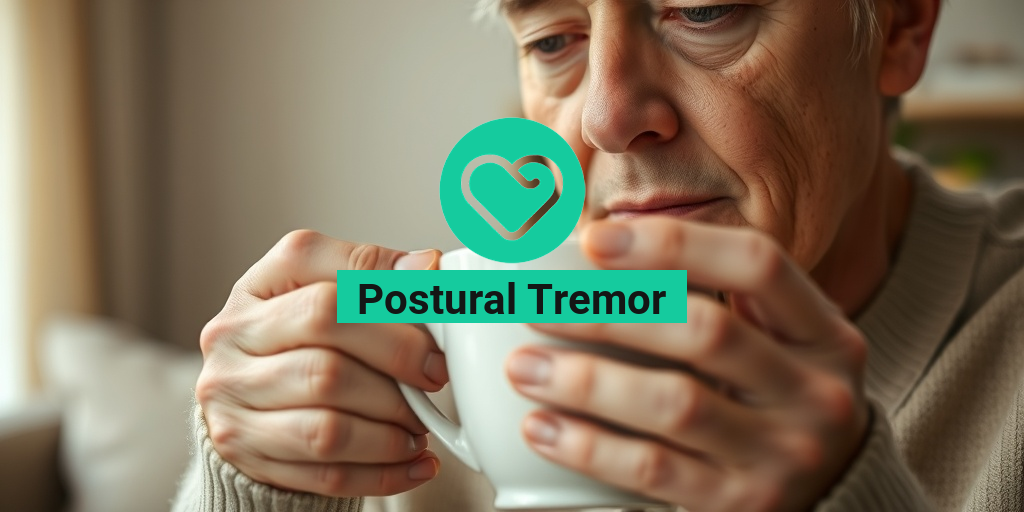
What Is Postural Tremor?
Postural tremor is a type of involuntary shaking that occurs when a person maintains a position against gravity. This condition is often most noticeable when a person is trying to hold a posture, such as extending their arms or hands. Unlike other types of tremors, such as resting tremors, which occur when the muscles are relaxed, postural tremors are triggered by the act of maintaining a specific position.
The meaning of postural tremor can be understood as a neurological symptom that may arise from various underlying conditions. It is essential to differentiate postural tremor from other types of tremors, such as essential tremor and resting tremor, to ensure accurate diagnosis and treatment.
Causes of Postural Tremor
Several factors can contribute to the development of postural tremor. Some of the most common causes include:
- Neurological Disorders: Conditions like Parkinson’s disease, multiple sclerosis, and essential tremor can lead to postural tremors.
- Medications: Certain medications, particularly those affecting the nervous system, can induce tremors as a side effect.
- Alcohol Withdrawal: Individuals who are withdrawing from alcohol may experience tremors, including postural tremors.
- Hyperthyroidism: An overactive thyroid can lead to increased metabolism and tremors.
- Stress and Anxiety: Emotional factors can exacerbate tremors, making them more noticeable.
Understanding the underlying causes of postural tremor is crucial for effective management and treatment. If you suspect you or someone you know is experiencing postural tremors, consulting a healthcare professional is essential for proper evaluation.
Postural Tremor Symptoms
The symptoms of postural tremor can vary in intensity and may affect different parts of the body. Here are some common symptoms to look out for:
Common Symptoms
- Involuntary Shaking: The most noticeable symptom is the involuntary shaking of the hands, arms, or other body parts when trying to maintain a position.
- Difficulty Holding Objects: Individuals may find it challenging to hold objects steadily, which can impact daily activities.
- Fatigue: Maintaining a posture can lead to muscle fatigue due to the constant effort required to stabilize the body.
- Worsening with Stress: Symptoms may become more pronounced during stressful situations or when the individual is anxious.
Postural Tremor vs. Essential Tremor
It’s important to distinguish between postural tremor and essential tremor. While both involve involuntary shaking, essential tremor typically occurs during voluntary movements and can affect the head and voice, whereas postural tremor is specifically related to maintaining a position. Understanding these differences can aid in proper diagnosis and treatment.
When to Seek Medical Attention
If you or someone you know is experiencing symptoms of postural tremor, it is advisable to seek medical attention. A healthcare provider can perform a postural tremor test to assess the severity and underlying causes. Early diagnosis can lead to more effective treatment options and improved quality of life.
For more information on postural tremor and related health topics, consider visiting Yesil Health AI, a valuable resource for evidence-based health answers.
In conclusion, understanding postural tremor is essential for those affected by it. By recognizing the symptoms and causes, individuals can take proactive steps toward managing their condition and improving their overall well-being. 🌟

Causes of Postural Tremor
Postural tremor is a type of involuntary shaking that occurs when a person maintains a position against gravity, such as holding their arms outstretched. Understanding the causes of postural tremor is crucial for effective management and treatment. Here are some of the primary factors that can lead to this condition:
Neurological Disorders
One of the most common causes of postural tremor is neurological disorders. Conditions such as Parkinson’s disease and multiple sclerosis can lead to tremors as a result of disrupted signals between the brain and muscles. In these cases, the tremor may be accompanied by other symptoms, such as stiffness or difficulty with coordination.
Essential Tremor
Essential tremor is another significant cause of postural tremor. This condition is often hereditary and can affect individuals of all ages, although it is more common in older adults. Essential tremor typically manifests as a shaking of the hands, head, or voice when a person is trying to maintain a posture.
Medications
Certain medications can also induce postural tremors as a side effect. For instance, medications used to treat asthma, depression, or high blood pressure may lead to tremors in some individuals. If you suspect that your medication is causing tremors, it’s essential to consult with your healthcare provider.
Metabolic Disorders
Metabolic disorders, such as hyperthyroidism, can lead to increased metabolism and, consequently, tremors. In hyperthyroidism, the overproduction of thyroid hormones can cause symptoms like anxiety, weight loss, and tremors. Addressing the underlying metabolic issue often alleviates the tremors.
Alcohol and Substance Use
Alcohol withdrawal or excessive consumption can also result in postural tremors. Individuals who are dependent on alcohol may experience tremors when they stop drinking, while heavy drinkers may have tremors due to the effects of alcohol on the nervous system.
Stress and Anxiety
Emotional factors such as stress and anxiety can exacerbate or trigger postural tremors. When the body is under stress, it releases adrenaline, which can lead to increased muscle tension and shaking. Learning stress management techniques can be beneficial for those experiencing tremors related to anxiety.
Risk Factors for Postural Tremor
Understanding the risk factors for postural tremor can help in early identification and management of the condition. Here are some key factors that may increase the likelihood of developing postural tremors:
Age
Age is a significant risk factor for postural tremor. As individuals grow older, the likelihood of developing tremors increases. This is particularly true for essential tremor, which often becomes more pronounced with age.
Family History
A family history of tremors can also increase your risk. If you have relatives with essential tremor or other neurological conditions, you may be more susceptible to developing postural tremors yourself.
Gender
Research indicates that men are more likely than women to experience postural tremors, particularly essential tremor. While the reasons for this disparity are not entirely understood, it is an important factor to consider.
Underlying Health Conditions
Individuals with certain health conditions, such as Parkinson’s disease, hyperthyroidism, or other neurological disorders, are at a higher risk for developing postural tremors. Managing these underlying conditions is crucial for reducing the severity of tremors.
Substance Use
As mentioned earlier, alcohol and drug use can contribute to the development of postural tremors. Individuals with a history of substance abuse may be at a higher risk, especially during withdrawal periods.
Stress and Anxiety Levels
High levels of stress and anxiety can not only trigger tremors but also exacerbate existing conditions. Individuals who experience chronic stress may find that their tremors worsen during particularly anxious times.
In summary, postural tremor can arise from a variety of causes, including neurological disorders, medications, and lifestyle factors. Recognizing the risk factors associated with this condition can aid in early detection and management, ultimately improving quality of life for those affected. 🌟

Diagnosing Postural Tremor
Diagnosing postural tremor can be a nuanced process, as it often requires a thorough evaluation of symptoms, medical history, and sometimes additional tests. Understanding the characteristics of this condition is crucial for both patients and healthcare providers.
Understanding the Symptoms
Postural tremor is characterized by involuntary shaking that occurs when a person maintains a position against gravity. This can manifest in various ways, particularly in the hands, arms, and sometimes the head. Common symptoms include:
- Shaking hands: Noticeable tremors when holding objects or extending arms.
- Difficulty with fine motor tasks: Challenges in writing, buttoning shirts, or using utensils.
- Variability: Tremors may worsen with stress, fatigue, or caffeine intake.
Medical History and Physical Examination
The first step in diagnosing postural tremor typically involves a comprehensive medical history and physical examination. During this process, healthcare providers will:
- Review symptoms: Discuss the onset, duration, and frequency of tremors.
- Assess family history: Determine if there is a genetic predisposition to tremors or related conditions.
- Conduct a neurological exam: Evaluate coordination, balance, and muscle strength.
Diagnostic Tests
In some cases, additional tests may be necessary to confirm a diagnosis of postural tremor. These can include:
- Electromyography (EMG): Measures electrical activity in muscles to identify abnormal patterns.
- Blood tests: Rule out other conditions that may cause tremors, such as thyroid disorders or metabolic issues.
- Imaging studies: MRI or CT scans may be used to examine the brain for structural abnormalities.
It’s important to differentiate postural tremor from other types of tremors, such as resting tremor or essential tremor, as treatment approaches may vary significantly.
Postural Tremor Treatment Options
Once diagnosed, managing postural tremor involves a combination of lifestyle changes, therapies, and, in some cases, medications. The goal is to reduce symptoms and improve quality of life.
Lifestyle Modifications
Making certain lifestyle adjustments can significantly help in managing postural tremor. Consider the following:
- Stress management: Techniques such as yoga, meditation, and deep-breathing exercises can help reduce tremor severity.
- Avoiding stimulants: Limiting caffeine and other stimulants may decrease tremor frequency.
- Regular exercise: Engaging in physical activity can improve overall muscle control and reduce tremors.
Therapeutic Approaches
In addition to lifestyle changes, various therapeutic options can be beneficial:
- Occupational therapy: Helps individuals develop strategies to cope with daily tasks affected by tremors.
- Physical therapy: Focuses on improving strength and coordination, which can help manage symptoms.
Medications
For some individuals, medications may be necessary to control postural tremor. Commonly prescribed options include:
- Beta-blockers: Often used to reduce tremors, especially in cases related to anxiety.
- Anticonvulsants: Medications like primidone can help manage tremor symptoms.
- Botulinum toxin injections: In some cases, these injections can provide relief by temporarily paralyzing the muscles responsible for tremors.
When to Consider Surgery
In severe cases where tremors significantly impact daily life and other treatments have failed, surgical options may be explored. Procedures such as deep brain stimulation (DBS) can be effective in reducing tremor severity.
Ultimately, the treatment plan for postural tremor should be tailored to the individual’s specific needs and circumstances. Regular follow-ups with healthcare providers are essential to monitor progress and make necessary adjustments to the treatment strategy.

Living with Postural Tremor
Living with postural tremor can be a challenging experience, affecting daily activities and overall quality of life. This type of tremor is characterized by involuntary shaking that occurs when a person maintains a position against gravity, such as holding their arms outstretched. Understanding the nuances of this condition is crucial for managing its impact effectively.
Understanding Postural Tremor
Postural tremor is often confused with other types of tremors, such as essential tremor or resting tremor. Unlike resting tremor, which occurs when the muscles are relaxed, postural tremor manifests during voluntary movements. This can lead to difficulties in tasks that require fine motor skills, such as writing or using utensils. 🤔
Common Symptoms
Individuals with postural tremor may experience:
- Shaking hands or arms: The most noticeable symptom, often exacerbated by stress or fatigue.
- Difficulty with precision tasks: Activities like buttoning a shirt or holding a cup can become challenging.
- Fatigue: The constant effort to control tremors can lead to physical and mental exhaustion.
Emotional and Social Impact
The presence of postural tremor can also have emotional and social implications. Many individuals may feel self-conscious about their condition, leading to anxiety or avoidance of social situations. It’s important to remember that you are not alone; support groups and therapy can provide valuable resources and community. 💬
Preventing Postural Tremor Exacerbations
While there is no definitive cure for postural tremor, there are several strategies that can help prevent exacerbations and manage symptoms effectively. Here are some practical tips to consider:
1. Stress Management
Stress is a known trigger for tremors. Engaging in relaxation techniques such as meditation, yoga, or deep-breathing exercises can help reduce stress levels. Finding activities that promote relaxation can significantly improve your overall well-being. 🧘♂️
2. Regular Exercise
Incorporating regular physical activity into your routine can strengthen muscles and improve coordination. Activities like swimming, walking, or tai chi can be particularly beneficial. Exercise not only helps in managing tremors but also boosts mood and energy levels. 💪
3. Avoiding Caffeine and Stimulants
Caffeine and other stimulants can exacerbate tremors. It’s advisable to limit or eliminate these substances from your diet. Instead, opt for herbal teas or decaffeinated beverages to stay hydrated without triggering symptoms.
4. Medication Management
Consulting with a healthcare professional about medication options can be crucial. Certain medications may help reduce the severity of tremors. Always discuss potential side effects and interactions with your doctor to find the best treatment plan for your needs. 💊
5. Occupational Therapy
Working with an occupational therapist can provide tailored strategies to manage daily tasks more effectively. They can suggest adaptive tools and techniques to help you maintain independence and improve your quality of life.
6. Staying Informed
Knowledge is power. Staying informed about postural tremor and its management can empower you to take control of your condition. Regular check-ups with your healthcare provider can help monitor your symptoms and adjust treatment as necessary.
By implementing these strategies, individuals living with postural tremor can significantly improve their quality of life and reduce the frequency and severity of tremor episodes. Remember, it’s essential to find what works best for you and to seek support when needed. 🌟

Frequently Asked Questions about Postural Tremor
What is a Postural Tremor?
A postural tremor is an involuntary shaking or trembling that occurs when a person maintains a position against gravity, such as holding their arms outstretched. This type of tremor is often noticeable in the hands and can affect daily activities.
What are the common causes of Postural Tremor?
Several factors can contribute to the development of a postural tremor, including:
- Neurological disorders
- Medications or substance withdrawal
- Metabolic conditions
- Genetic predisposition
How is Postural Tremor diagnosed?
Diagnosis typically involves a thorough medical history, physical examination, and possibly additional tests such as:
- Neurological assessments
- Blood tests to rule out metabolic issues
- Imaging studies if necessary
What treatments are available for Postural Tremor?
Treatment options for postural tremor may include:
- Medications to reduce tremor severity
- Physical therapy to improve muscle control
- In some cases, surgical interventions
How does Postural Tremor differ from Essential Tremor?
While both postural tremor and essential tremor involve shaking, they differ in their triggers and characteristics. Essential tremor typically occurs during voluntary movements, while postural tremor is specifically noted when maintaining a position against gravity.
Can Postural Tremor affect daily life?
Yes, postural tremors can significantly impact daily activities, making tasks such as writing, eating, or holding objects challenging. Seeking appropriate treatment can help manage symptoms and improve quality of life.
Are there any videos available to understand Postural Tremor better?
Yes, there are various educational videos available online that demonstrate postural tremor and its effects. These resources can provide visual insights into the condition and its management.
What is the ICD-10 code for Postural Tremor?
The ICD-10 code for postural tremor is G25.0. This code is used for medical billing and documentation purposes.
Is there a difference between Postural Tremor and Resting Tremor?
Yes, postural tremor occurs when a person is holding a position, while resting tremor occurs when the muscles are relaxed, such as when the hands are resting on the lap. Understanding these differences is crucial for accurate diagnosis and treatment.