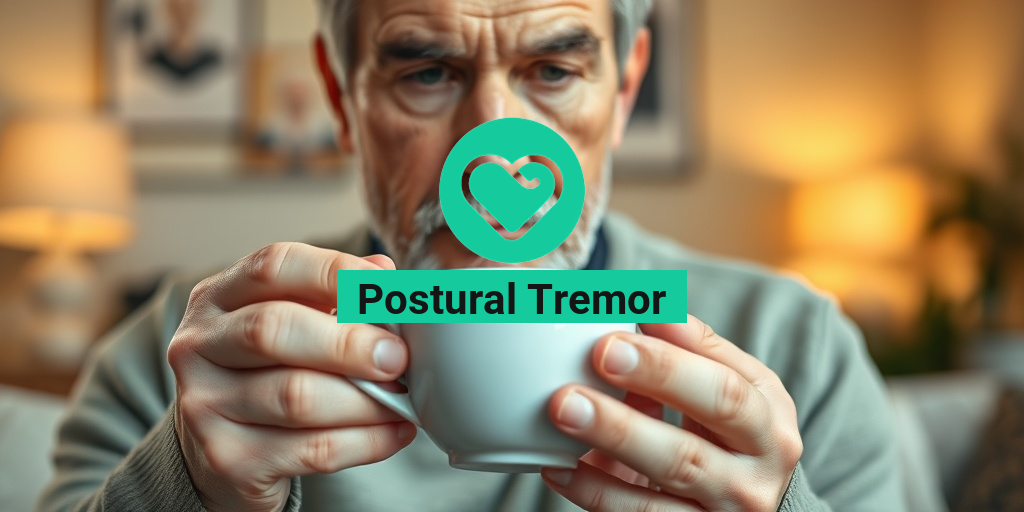
What Is Postural Tremor?
Postural tremor is a type of involuntary shaking that occurs when a person maintains a position against gravity. This condition is often most noticeable in the hands, but it can also affect other parts of the body, such as the arms and head. Unlike resting tremors, which occur when the muscles are relaxed, postural tremors manifest during activities that require muscle tension, such as holding a cup or reaching for an object.
The meaning of postural tremor can be understood in the context of its underlying mechanisms. It is typically associated with neurological conditions, but it can also occur in healthy individuals under certain circumstances, such as fatigue or anxiety. Understanding the nuances of postural tremor is essential for accurate diagnosis and effective treatment.
Causes of Postural Tremor
There are several potential causes of postural tremor, including:
- Essential Tremor: This is one of the most common causes of postural tremor and is often hereditary.
- Neurological Disorders: Conditions such as Parkinson’s disease, multiple sclerosis, and dystonia can lead to postural tremors.
- Medications: Certain medications, especially those affecting the nervous system, can induce tremors as a side effect.
- Alcohol Withdrawal: Individuals who are dependent on alcohol may experience tremors during withdrawal.
- Fatigue and Stress: High levels of stress or extreme fatigue can trigger or exacerbate tremors.
Identifying the underlying cause of postural tremor is crucial for determining the appropriate treatment and management strategies.
Postural Tremor Symptoms
The symptoms of postural tremor can vary in intensity and frequency, but they typically include:
- Involuntary Shaking: The most prominent symptom is the rhythmic shaking of the hands or other body parts when in a standing or sitting position.
- Difficulty with Fine Motor Skills: Tasks that require precision, such as writing or buttoning a shirt, may become challenging.
- Fatigue: Individuals may experience fatigue in the affected muscles due to the constant effort to maintain a steady position.
- Emotional Impact: The visible nature of tremors can lead to anxiety, embarrassment, or social withdrawal.
Postural Tremor vs. Other Types of Tremors
It’s important to differentiate postural tremor from other types of tremors, such as:
- Resting Tremor: This occurs when the muscles are relaxed, commonly seen in Parkinson’s disease.
- Intention Tremor: This type occurs during purposeful movement, often associated with cerebellar disorders.
Understanding these differences can aid in proper diagnosis and treatment. If you suspect you or someone you know is experiencing postural tremor, it’s advisable to consult a healthcare professional for a thorough evaluation.
Diagnosis and Testing
Diagnosing postural tremor typically involves a comprehensive medical history and physical examination. A healthcare provider may perform specific tests to assess the tremor’s characteristics and rule out other conditions. These tests may include:
- Neurological Examination: To evaluate muscle strength, coordination, and reflexes.
- Blood Tests: To check for underlying medical conditions that may contribute to tremors.
- Imaging Studies: MRI or CT scans may be used to examine the brain and rule out structural issues.
Treatment Options
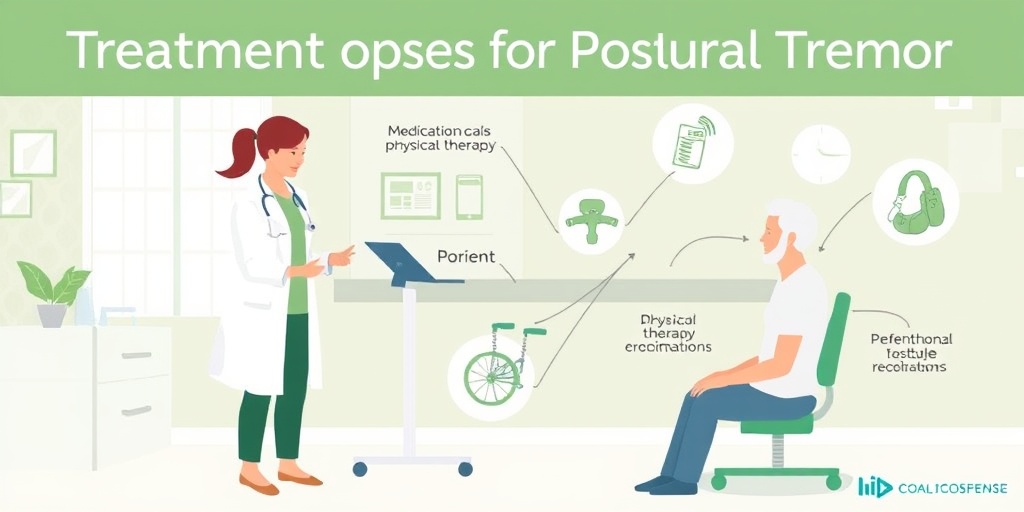
Treatment for postural tremor depends on the underlying cause and severity of the symptoms. Options may include:
- Medications: Beta-blockers, anticonvulsants, or other medications may be prescribed to help manage symptoms.
- Physical Therapy: Engaging in physical therapy can improve muscle control and coordination.
- Occupational Therapy: This can help individuals adapt to daily activities and improve their quality of life.
- Surgery: In severe cases, surgical options such as deep brain stimulation may be considered.
For more information on managing postural tremor and other health-related queries, consider visiting Yesil Health AI, a valuable resource for evidence-based health answers.
In conclusion, understanding postural tremor is essential for those affected and their loved ones. By recognizing the symptoms and seeking appropriate care, individuals can manage their condition effectively and maintain a better quality of life. 🌟

Causes of Postural Tremor
Postural tremor is a type of involuntary shaking that occurs when a person maintains a position against gravity, such as holding their arms outstretched. Understanding the causes of postural tremor is crucial for effective diagnosis and treatment. Here are some of the primary factors that can lead to this condition:
Neurological Disorders
One of the most common causes of postural tremor is neurological disorders. Conditions such as Parkinson’s disease and multiple sclerosis can lead to tremors as the nervous system is affected. In Parkinson’s disease, for instance, the tremor may be more pronounced when the person is trying to maintain a posture.
Essential Tremor
Essential tremor is another significant cause of postural tremor. This condition is often hereditary and can affect various parts of the body, particularly the hands and arms. Unlike Parkinson’s disease, essential tremor typically does not involve other neurological symptoms, making it a distinct condition.
Medications
Certain medications can also induce postural tremors as a side effect. For example, medications used to treat asthma, depression, or high blood pressure may lead to tremors in some individuals. If you suspect that your medication is causing tremors, consult your healthcare provider for alternatives.
Metabolic Disorders
Metabolic disorders, such as hyperthyroidism, can lead to increased metabolism and result in tremors. When the body produces excess thyroid hormone, it can cause symptoms like anxiety, weight loss, and tremors. Addressing the underlying metabolic issue often alleviates the tremor.
Alcohol and Substance Use
Alcohol withdrawal or excessive consumption can lead to postural tremors. Individuals who are dependent on alcohol may experience tremors when they are not consuming it, while heavy drinkers may have tremors as a direct result of alcohol’s effects on the nervous system.
Stress and Anxiety
Emotional factors such as stress and anxiety can exacerbate or trigger postural tremors. When the body is under stress, it releases adrenaline, which can lead to increased muscle tension and tremors. Learning stress management techniques can be beneficial in reducing these tremors.
Risk Factors for Postural Tremor
Identifying the risk factors for postural tremor can help in early detection and management of the condition. Here are some key risk factors to consider:
Age
As individuals age, the likelihood of developing postural tremors increases. This is particularly true for essential tremor, which often becomes more pronounced in older adults. Age-related changes in the nervous system can contribute to the development of tremors.
Family History
A family history of tremors can significantly increase the risk of developing postural tremor. Genetic factors play a role in conditions like essential tremor, making it more likely for individuals with a family background of tremors to experience similar symptoms.
Gender
Research indicates that men are more likely than women to develop postural tremors, particularly essential tremor. While the reasons for this disparity are not entirely understood, hormonal differences may play a role.
Underlying Health Conditions
Individuals with certain health conditions, such as thyroid disorders, neurological diseases, or metabolic syndromes, are at a higher risk of developing postural tremors. Managing these underlying conditions is essential for reducing the risk of tremors.
Substance Use
As mentioned earlier, alcohol and drug use can contribute to the development of postural tremors. Individuals who consume excessive amounts of caffeine or stimulants may also experience tremors as a side effect. Moderation is key to minimizing these risks.
Stress Levels
High levels of stress and anxiety can increase the likelihood of experiencing postural tremors. Individuals who are frequently under stress may find that their tremors worsen during particularly anxious moments. Implementing relaxation techniques can help mitigate this risk.
Understanding the causes and risk factors associated with postural tremor is vital for effective management and treatment. If you or someone you know is experiencing tremors, it’s important to consult a healthcare professional for a thorough evaluation and personalized care. 🌟

Diagnosing Postural Tremor
Diagnosing postural tremor can be a complex process, as it often requires a thorough evaluation of the patient’s medical history, physical examination, and sometimes additional tests. Understanding the nuances of this condition is crucial for both patients and healthcare providers.
Understanding the Symptoms
The first step in diagnosing postural tremor is recognizing its symptoms. Patients typically experience involuntary shaking or trembling when maintaining a posture against gravity, such as holding their arms outstretched. Common symptoms include:
- Trembling hands when reaching for objects
- Difficulty with fine motor skills, such as writing or buttoning a shirt
- Increased tremor with stress or fatigue
These symptoms can vary in intensity and may worsen over time, making it essential for individuals to seek medical advice if they notice these signs.
Medical History and Physical Examination
During the initial consultation, a healthcare provider will take a detailed medical history. This includes:
- Family history of tremors or neurological disorders
- Any medications currently being taken
- Previous medical conditions that could contribute to tremors
A physical examination will follow, where the doctor will observe the patient’s posture and movements. They may ask the patient to perform specific tasks to assess the severity and characteristics of the tremor.
Diagnostic Tests
In some cases, additional tests may be necessary to confirm a diagnosis of postural tremor. These can include:
- Neurological examinations to assess reflexes, coordination, and balance
- Blood tests to rule out metabolic or endocrine disorders
- Imaging studies, such as MRI or CT scans, to check for structural abnormalities in the brain
These tests help differentiate postural tremor from other types of tremors, such as essential tremor or intention tremor, which may have different underlying causes and treatment approaches.
Postural Tremor Treatment Options
Once diagnosed, managing postural tremor involves a combination of lifestyle changes, therapies, and, in some cases, medications. The goal is to reduce the severity of the tremors and improve the patient’s quality of life.
Lifestyle Modifications
Making certain lifestyle changes can significantly impact the management of postural tremor. Consider the following:
- Stress management: Techniques such as yoga, meditation, and deep-breathing exercises can help reduce stress, which may exacerbate tremors.
- Regular exercise: Engaging in physical activity can improve overall muscle control and coordination.
- Avoiding stimulants: Reducing caffeine and other stimulants can help minimize tremor severity.
Therapeutic Approaches
In addition to lifestyle changes, various therapeutic approaches can be beneficial:
- Occupational therapy: A therapist can provide strategies to improve daily functioning and adapt tasks to minimize tremor impact.
- Physical therapy: Tailored exercises can enhance strength and coordination, helping to manage tremors more effectively.
Medications
For some individuals, medications may be necessary to control postural tremor. Common options include:
- Beta-blockers: Often used to treat high blood pressure, these can also help reduce tremors.
- Anticonvulsants: Medications like primidone may be prescribed to help manage tremor symptoms.
- Botulinum toxin injections: In some cases, these injections can help reduce tremors in specific muscle groups.
It’s essential for patients to work closely with their healthcare provider to determine the most appropriate treatment plan tailored to their specific needs.
In conclusion, diagnosing and treating postural tremor involves a comprehensive approach that includes understanding symptoms, conducting thorough evaluations, and exploring various treatment options. By taking proactive steps, individuals can manage their condition effectively and improve their quality of life. 🌟
Living with Postural Tremor
Living with postural tremor can be a challenging experience for many individuals. This condition, characterized by involuntary shaking or trembling when maintaining a position against gravity, often affects the hands, arms, and sometimes the head. Understanding the nuances of postural tremor is crucial for those affected, as it can significantly impact daily activities and overall quality of life.
Understanding Postural Tremor
Before diving into the management strategies, it’s essential to grasp what postural tremor means. Unlike other types of tremors, such as resting tremors that occur when the muscles are relaxed, postural tremors manifest when a person is actively holding a position. This can lead to difficulties in tasks like writing, eating, or even holding a cup of coffee ☕.
Common Symptoms
Individuals with postural tremor may experience:
- Shaking hands or arms: The most noticeable symptom, often exacerbated by stress or fatigue.
- Difficulty with fine motor skills: Tasks requiring precision, such as buttoning a shirt, can become challenging.
- Fatigue: The constant effort to control tremors can lead to physical and mental exhaustion.
Emotional and Social Impact
Beyond the physical symptoms, living with postural tremor can also take an emotional toll. Many individuals report feelings of embarrassment or frustration, especially in social situations. It’s important to remember that you are not alone; support groups and communities can provide a sense of belonging and understanding 🤝.
Postural Tremor Management Strategies
While there is currently no cure for postural tremor, various management strategies can help alleviate symptoms and improve daily functioning. Here are some effective approaches:
1. Medical Treatments
Consulting with a healthcare professional is crucial for anyone experiencing postural tremor. They may recommend:
- Medications: Certain medications, such as beta-blockers or anticonvulsants, can help reduce tremor severity.
- Physical therapy: A physical therapist can design a personalized exercise program to improve muscle control and coordination.
2. Lifestyle Modifications
Making simple changes in your daily routine can significantly impact your symptoms:
- Stress management: Techniques such as yoga, meditation, or deep-breathing exercises can help reduce stress, which may exacerbate tremors.
- Healthy diet: A balanced diet rich in antioxidants and omega-3 fatty acids can support overall brain health 🥗.
- Adequate sleep: Ensuring you get enough rest is vital, as fatigue can worsen tremors.
3. Assistive Devices
Using assistive devices can make daily tasks easier. Consider:
- Weighted utensils: These can help stabilize your hands while eating.
- Adaptive tools: Items like ergonomic pens or specially designed grips can enhance your ability to perform tasks.
4. Support Networks
Connecting with others who understand your experience can be incredibly beneficial. Look for local or online support groups where you can share your challenges and successes. Engaging with others can provide emotional support and practical tips for managing postural tremor.
In conclusion, while living with postural tremor presents unique challenges, understanding the condition and implementing effective management strategies can lead to a more fulfilling life. Remember, you are not alone in this journey, and there are resources available to help you navigate the complexities of postural tremor. 🌟

Frequently Asked Questions about Postural Tremor
What is a Postural Tremor?
A postural tremor is an involuntary shaking or trembling that occurs when a person maintains a position against gravity. This type of tremor is often noticeable in the hands and arms when they are held outstretched.
What are the common causes of Postural Tremor?
Several factors can contribute to the development of a postural tremor, including:
- Neurological disorders
- Medications or drug withdrawal
- Metabolic conditions
- Stress and anxiety
How is a Postural Tremor diagnosed?
Diagnosis typically involves a thorough medical history and physical examination. A healthcare provider may conduct specific tests to differentiate between various types of tremors, such as postural tremor vs essential tremor or postural tremor vs intention tremor.
What treatments are available for Postural Tremor?
Treatment options for postural tremor may include:
- Medications to reduce tremor severity
- Physical therapy to improve muscle control
- Stress management techniques
- In some cases, surgical interventions
How does Postural Tremor differ from other types of tremors?
Understanding the differences is crucial. For instance, postural tremor vs resting tremor highlights that resting tremors occur when the muscles are relaxed, while postural tremors happen during muscle contraction. Similarly, postural tremor vs intention tremor indicates that intention tremors occur during purposeful movement.
Is there an ICD-10 code for Postural Tremor?
Yes, there is a specific ICD-10 code for postural tremor, which healthcare providers use for diagnosis and billing purposes. It is important to consult with a healthcare professional for accurate coding.
Can Postural Tremors affect daily life?
Yes, postural tremors can significantly impact daily activities, making tasks such as writing, eating, or holding objects challenging. Seeking appropriate treatment can help manage symptoms and improve quality of life.
When should I see a doctor about Postural Tremor?
If you experience persistent shaking or trembling that interferes with your daily activities, it is advisable to consult a healthcare professional for evaluation and potential treatment options.