What Is Pornography Addiction?
Pornography addiction is a behavioral condition characterized by an individual’s compulsive consumption of pornographic material, leading to negative consequences in various aspects of their life. While many people may view pornography as a normal part of adult life, for some, it can escalate into an addiction that disrupts relationships, affects mental health, and interferes with daily functioning.
At its core, pornography addiction involves a loss of control over one’s sexual behaviors. This can manifest in several ways, including spending excessive amounts of time viewing pornography, prioritizing it over real-life relationships, and experiencing cravings similar to those associated with substance abuse. The brain’s reward system becomes hijacked, making it increasingly difficult for individuals to find satisfaction in real-life intimacy.
The Science Behind Pornography Addiction
Research indicates that the brain’s response to pornography can be similar to that of drugs and alcohol. When individuals view pornographic content, their brains release dopamine, a neurotransmitter associated with pleasure and reward. Over time, the brain may require more intense stimuli to achieve the same level of satisfaction, leading to a cycle of escalating consumption.
Moreover, the accessibility of online pornography has made it easier for individuals to engage in this behavior without the stigma that might accompany other forms of addiction. This can create a sense of isolation and shame, further complicating the issue.
Pornography Addiction Symptoms
Recognizing the symptoms of pornography addiction is crucial for individuals who may be struggling with this issue. Here are some common signs to look out for:
- Compulsive Viewing: Spending excessive time watching pornography, often at the expense of other important activities or responsibilities.
- Escalation: Needing to view more extreme or varied types of pornography to achieve the same level of arousal.
- Neglecting Relationships: Prioritizing pornography over real-life relationships, leading to emotional distance or conflict with partners.
- Withdrawal Symptoms: Experiencing irritability, anxiety, or depression when unable to access pornography.
- Failed Attempts to Cut Back: Making unsuccessful efforts to reduce or control pornography consumption.
- Impact on Daily Life: Experiencing negative consequences in work, school, or personal life due to pornography use.
The Emotional Toll of Pornography Addiction
The emotional impact of pornography addiction can be profound. Many individuals report feelings of guilt, shame, and isolation. This emotional burden can lead to anxiety and depression, creating a vicious cycle that perpetuates the addiction. It’s essential to understand that seeking help is a sign of strength, not weakness.
If you or someone you know is struggling with pornography addiction, consider reaching out to a mental health professional or exploring resources like Yesil Health AI for evidence-based health answers. They can provide guidance and support tailored to individual needs.
Taking the First Step Towards Recovery
Recovery from pornography addiction is possible, and it often begins with acknowledging the problem. Here are some steps to consider:
- Self-Reflection: Take time to reflect on your relationship with pornography and its impact on your life.
- Seek Support: Talk to trusted friends or family members about your struggles, or consider joining a support group.
- Professional Help: A therapist specializing in addiction can provide valuable tools and strategies for recovery.
- Limit Access: Consider implementing measures to reduce access to pornography, such as using website blockers.
In conclusion, pornography addiction is a serious issue that can affect anyone. By recognizing the symptoms and seeking help, individuals can take meaningful steps towards recovery and reclaim a healthier relationship with their sexuality. Remember, you are not alone in this journey, and resources like Yesil Health AI are available to support you. 🌟

Pornography Addiction Causes
Pornography addiction is a complex issue that affects many individuals across various demographics. Understanding the causes of this addiction is crucial for effective intervention and recovery. Here are some of the primary factors that contribute to the development of pornography addiction:
1. Accessibility and Anonymity
With the rise of the internet, pornography has become more accessible than ever. The anonymity provided by online platforms allows individuals to explore their desires without fear of judgment. This easy access can lead to compulsive behaviors, as users may find themselves returning to pornographic content repeatedly.
2. Psychological Factors
Many individuals turn to pornography as a coping mechanism for underlying psychological issues. These may include:
- Stress and Anxiety: People often seek out pornography to escape from daily stressors or anxiety.
- Low Self-Esteem: Individuals with low self-worth may use pornography to feel a temporary boost in confidence.
- Trauma: Past traumatic experiences can lead individuals to seek solace in pornography as a form of distraction.
3. Social and Cultural Influences
Societal norms and cultural attitudes towards sex can also play a significant role in the development of pornography addiction. In cultures where sexual expression is stigmatized, individuals may turn to pornography as a way to explore their sexuality in secret. Additionally, peer pressure and the normalization of pornography in media can further exacerbate the issue.
4. Biological Factors
Research suggests that pornography can trigger the brain’s reward system, releasing dopamine and creating feelings of pleasure. Over time, this can lead to a cycle of addiction, where individuals seek out more extreme content to achieve the same level of satisfaction. This biological response can make it challenging for individuals to break free from their addiction.
Pornography Addiction Effects on Relationships
The impact of pornography addiction extends beyond the individual, significantly affecting relationships with partners, family, and friends. Here are some of the key effects:
1. Decreased Intimacy
One of the most profound effects of pornography addiction is the decline in emotional and physical intimacy between partners. Individuals may become desensitized to real-life sexual experiences, leading to a preference for the unrealistic scenarios portrayed in pornography. This can create a rift in relationships, as partners may feel inadequate or rejected.
2. Trust Issues
When one partner struggles with pornography addiction, it can lead to feelings of betrayal and mistrust. The secretive nature of addiction often means that one partner may hide their behavior, leading to feelings of insecurity and doubt in the relationship. This lack of transparency can erode the foundation of trust that is essential for a healthy partnership.
3. Unrealistic Expectations
Pornography often portrays an unrealistic depiction of sex and relationships, which can lead to distorted expectations. Partners may feel pressured to meet these unrealistic standards, resulting in dissatisfaction and frustration. This can create a cycle of disappointment, where one or both partners feel they are not living up to the ideal presented in pornographic content.
4. Emotional Withdrawal
Individuals struggling with pornography addiction may become emotionally withdrawn, prioritizing their addiction over their relationships. This withdrawal can manifest as a lack of communication, decreased affection, and a general disinterest in shared activities. Partners may feel neglected and unimportant, leading to further strain on the relationship.
5. Increased Conflict
The tension created by pornography addiction can lead to increased arguments and conflicts between partners. Disagreements may arise over issues of trust, intimacy, and expectations, creating a hostile environment that can be difficult to navigate. Over time, this conflict can lead to a breakdown in communication and, ultimately, the relationship itself.
In conclusion, understanding the causes and effects of pornography addiction is essential for those affected and their loved ones. By addressing these issues openly and seeking help, individuals can work towards recovery and healthier relationships. 🌱
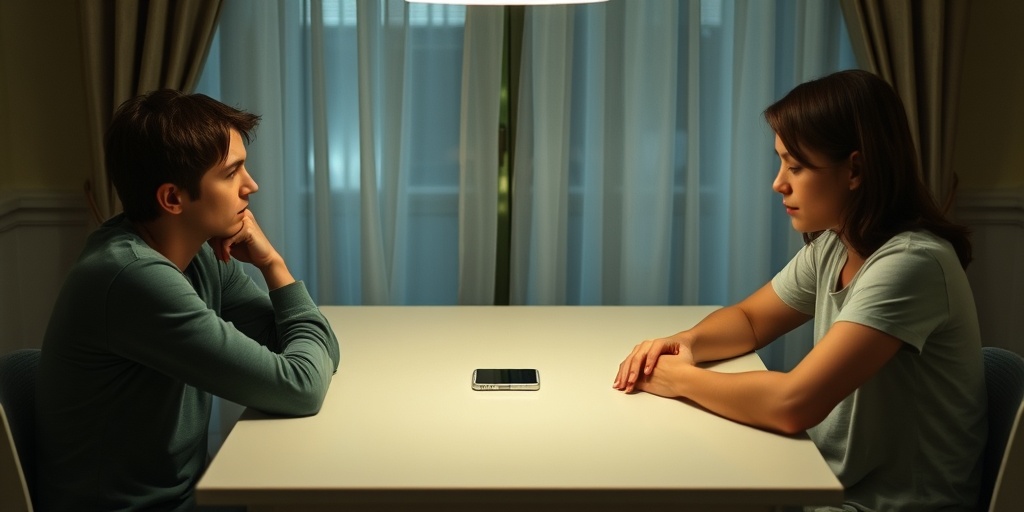
Pornography Addiction and Mental Health
Pornography addiction is a growing concern in today’s digital age, affecting millions of individuals worldwide. While many may dismiss it as a harmless pastime, the reality is that pornography addiction can have profound effects on mental health. Understanding this connection is crucial for those struggling with addiction and their loved ones.
The Psychological Impact of Pornography Addiction
Engaging in excessive pornography consumption can lead to various psychological issues, including:
- Anxiety: Many individuals who struggle with pornography addiction report heightened levels of anxiety. This can stem from feelings of guilt, shame, or fear of being discovered.
- Depression: The cycle of addiction often leads to feelings of isolation and despair, contributing to depressive symptoms.
- Low Self-Esteem: Constant comparison to unrealistic portrayals in pornography can diminish self-worth and body image.
These mental health challenges can create a vicious cycle, where the individual turns to pornography as a coping mechanism, only to find that it exacerbates their mental health issues. Recognizing this pattern is the first step toward recovery.
Effects on Relationships
Pornography addiction doesn’t just affect the individual; it can also have significant repercussions on relationships. Partners may feel betrayed, insecure, or inadequate, leading to:
- Trust Issues: Discovering a partner’s addiction can shatter trust, making it difficult to rebuild the relationship.
- Emotional Distance: Addiction can lead to emotional withdrawal, leaving partners feeling neglected and unimportant.
- Intimacy Problems: Over-reliance on pornography can diminish sexual satisfaction and intimacy in relationships.
Addressing these issues requires open communication and a willingness to seek help together. Couples therapy can be a beneficial avenue for those affected.
Seeking Help for Mental Health Issues Related to Pornography Addiction
If you or someone you know is struggling with pornography addiction and its mental health implications, seeking professional help is essential. Here are some options:
- Therapy: Cognitive-behavioral therapy (CBT) has shown effectiveness in treating addiction by helping individuals understand and change their thought patterns.
- Support Groups: Joining a support group can provide a sense of community and shared experience, making the journey to recovery less isolating.
- Online Resources: Many organizations offer online resources and forums for those seeking help, making it easier to find support from the comfort of home.
Pornography Addiction Diagnosis
Diagnosing pornography addiction can be complex, as it often overlaps with other mental health disorders. However, certain criteria can help identify whether someone is struggling with this addiction.
Signs and Symptoms of Pornography Addiction
Recognizing the signs of pornography addiction is crucial for early intervention. Some common symptoms include:
- Compulsive Behavior: An inability to control the urge to view pornography, even when it interferes with daily life.
- Escalation: Needing to view more extreme or varied content to achieve the same level of satisfaction.
- Neglecting Responsibilities: Prioritizing pornography over work, relationships, or personal health.
If these symptoms resonate, it may be time to consider a professional evaluation.
Professional Assessment
A mental health professional can conduct a thorough assessment to determine the presence of pornography addiction. This may involve:
- Clinical Interviews: Discussing personal history, behaviors, and feelings related to pornography use.
- Standardized Questionnaires: Utilizing tools designed to assess addiction severity and its impact on life.
- Co-occurring Disorders: Evaluating for other mental health issues, such as anxiety or depression, that may be present.
Receiving a proper diagnosis is a vital step toward recovery, allowing individuals to understand their addiction and seek appropriate treatment.
Conclusion
Understanding the relationship between pornography addiction and mental health is essential for those affected. By recognizing the signs and seeking help, individuals can take the first steps toward healing and reclaiming their lives. Remember, you are not alone in this journey! 🌟

Pornography Addiction Treatment Options
Pornography addiction is a growing concern in today’s digital age, affecting individuals from all walks of life. Fortunately, there are various treatment options available to help those struggling with this addiction. Understanding these options can empower individuals to take the first step toward recovery.
1. Therapy and Counseling
One of the most effective ways to address pornography addiction is through therapy. Different therapeutic approaches can help individuals understand the root causes of their addiction and develop healthier coping mechanisms. Here are some common types of therapy:
- Cognitive Behavioral Therapy (CBT): This approach focuses on identifying and changing negative thought patterns and behaviors associated with pornography use.
- Group Therapy: Sharing experiences with others facing similar challenges can provide support and accountability.
- Individual Counseling: A one-on-one setting allows for personalized attention and tailored strategies to combat addiction.
2. Support Groups
Support groups can be invaluable for those dealing with pornography addiction. These groups provide a safe space for individuals to share their experiences, challenges, and successes. Some well-known support groups include:
- Sex Addicts Anonymous (SAA): A 12-step program that helps individuals recover from sexual addiction, including pornography.
- NoFap: An online community that encourages individuals to abstain from pornography and masturbation, promoting healthier habits.
3. Online Resources and Apps
In the digital age, numerous online resources and apps can assist in overcoming pornography addiction. These tools often provide educational materials, tracking features, and community support. Some popular options include:
- Brainbuddy: An app designed to help users break free from pornography by providing daily challenges and tracking progress.
- Reboot Nation: An online community offering resources, forums, and support for those recovering from pornography addiction.
4. Medication
In some cases, medication may be prescribed to help manage underlying issues such as anxiety or depression that can contribute to pornography addiction. It’s essential to consult with a healthcare professional to determine if this is a suitable option.
Pornography Addiction Recovery Strategies
Recovering from pornography addiction is a journey that requires commitment and the right strategies. Here are some effective recovery strategies to consider:
1. Identify Triggers
Understanding what triggers the urge to view pornography is crucial for recovery. Common triggers may include:
- Stress: Many individuals turn to pornography as a way to cope with stress or anxiety.
- Boredom: Finding oneself with idle time can lead to seeking out pornography.
- Emotional Distress: Feelings of loneliness or sadness can prompt a return to old habits.
By identifying these triggers, individuals can develop strategies to avoid or cope with them more effectively.
2. Establish Healthy Routines
Creating a structured daily routine can help reduce the temptation to engage in pornography use. Consider incorporating the following:
- Exercise: Physical activity can boost mood and reduce stress, making it less likely to seek out pornography.
- Hobbies: Engaging in fulfilling activities can fill the time previously spent on pornography.
- Mindfulness Practices: Techniques such as meditation or yoga can help manage urges and improve overall mental health.
3. Limit Access to Triggers
Taking proactive steps to limit access to pornography can be a game-changer in recovery. Consider these strategies:
- Use Website Blockers: Install apps or browser extensions that block access to adult content.
- Change Your Environment: Rearranging your living space to minimize temptation can be beneficial.
4. Seek Professional Help
Don’t hesitate to reach out for professional help if you’re struggling. Therapists and counselors specializing in pornography addiction can provide tailored support and guidance throughout your recovery journey.
Remember, recovery is a process, and it’s okay to seek help along the way. With the right treatment options and recovery strategies, overcoming pornography addiction is entirely possible! 🌟

Frequently Asked Questions about Pornography Addiction
What is pornography addiction?
Pornography addiction is a behavioral addiction characterized by an individual’s compulsive use of pornographic material, leading to negative consequences in various aspects of life, including relationships, work, and mental health.
What are the signs of pornography addiction?
- Increased tolerance: Needing to consume more explicit content to achieve the same level of satisfaction.
- Withdrawal symptoms: Experiencing anxiety, irritability, or depression when unable to access pornography.
- Neglecting responsibilities: Prioritizing pornography over personal, professional, or social obligations.
- Loss of interest: Diminished interest in real-life sexual relationships.
How does pornography addiction affect mental health?
Pornography addiction can lead to various mental health issues, including anxiety, depression, and low self-esteem. It may also contribute to unrealistic expectations about sex and relationships, leading to dissatisfaction and emotional distress.
Can pornography addiction be treated?
Yes, pornography addiction can be treated through various methods, including therapy, support groups, and self-help strategies. Cognitive-behavioral therapy (CBT) is particularly effective in helping individuals understand and change their behaviors related to pornography use.
What are some self-help strategies for overcoming pornography addiction?
- Set limits: Establish boundaries for internet usage and avoid triggers.
- Seek support: Join support groups or talk to trusted friends or family members.
- Engage in healthy activities: Find hobbies or interests that promote well-being and distract from urges.
- Practice mindfulness: Use mindfulness techniques to manage cravings and reduce stress.
Is pornography addiction common?
Yes, pornography addiction is increasingly recognized as a common issue, affecting individuals across various demographics. Studies suggest that a significant number of people may struggle with compulsive pornography use at some point in their lives.
Where can I find help for pornography addiction?
If you or someone you know is struggling with pornography addiction, consider reaching out to a mental health professional, joining a support group, or accessing online resources dedicated to recovery. Remember, seeking help is a crucial step towards healing. 🌟