
What Are Opportunistic Infections?
Opportunistic infections are infections that occur more frequently and are more severe in individuals with weakened immune systems. These infections take advantage of the body’s compromised defenses, often leading to serious health complications. The term “opportunistic” refers to the fact that these pathogens exploit the opportunity presented by a weakened immune response, which can be due to various factors, including chronic diseases, certain medications, or conditions like HIV/AIDS.
Understanding opportunistic infections is crucial, especially for those living with conditions that affect their immune system. For instance, individuals with HIV or AIDS are particularly vulnerable to these infections, as their CD4 cell counts drop, making it harder for their bodies to fight off pathogens. In fact, the opportunistic infections in HIV patients can be life-threatening if not diagnosed and treated promptly.
How Do Opportunistic Infections Develop?
Opportunistic infections can develop when the immune system is unable to effectively combat pathogens. This can happen due to:
- Chronic illnesses: Conditions like diabetes or cancer can weaken the immune response.
- Medications: Immunosuppressive drugs, often prescribed for autoimmune diseases or after organ transplants, can increase susceptibility.
- Malnutrition: A lack of essential nutrients can impair immune function.
- Age: Older adults may have a naturally weaker immune system.
Recognizing the signs and symptoms of opportunistic infections is vital for early intervention. Common symptoms may include fever, weight loss, fatigue, and recurrent infections. If you or someone you know is at risk, it’s important to consult healthcare professionals for guidance and preventive measures.
Common Types of Opportunistic Infections
There are several types of opportunistic infections, each caused by different pathogens. Here are some of the most common:
1. Pneumocystis Pneumonia (PCP)
Pneumocystis pneumonia is a serious lung infection caused by the fungus Pneumocystis jirovecii. It is particularly common in individuals with HIV/AIDS and can lead to severe respiratory issues. Symptoms include a persistent cough, fever, and difficulty breathing. Early diagnosis and treatment are essential for recovery.
2. Candidiasis
Candidiasis, often referred to as a yeast infection, is caused by the fungus Candida. It can affect various parts of the body, including the mouth (oral thrush), throat, and genital area. In immunocompromised individuals, candidiasis can become systemic, affecting the bloodstream and organs.
3. Toxoplasmosis
Toxoplasmosis is caused by the parasite Toxoplasma gondii, which can be found in contaminated food, water, or cat feces. In people with weakened immune systems, it can lead to severe neurological complications. Symptoms may include headaches, confusion, and seizures.
4. Tuberculosis (TB)
Tuberculosis is a bacterial infection that primarily affects the lungs but can also impact other parts of the body. Individuals with weakened immune systems are at a higher risk of developing active TB from latent infections. Symptoms include a persistent cough, night sweats, and weight loss.
5. Cytomegalovirus (CMV) Infection
Cytomegalovirus is a common virus that can cause serious health issues in immunocompromised individuals. It can lead to retinitis, pneumonia, and gastrointestinal diseases. Symptoms may vary widely, making it essential for at-risk individuals to undergo regular screenings.
Understanding these common types of opportunistic infections can help individuals and healthcare providers take proactive measures to prevent and manage these conditions. For more information and resources on opportunistic infections, consider visiting Yesil Health AI at yesilhealth.com, where you can find evidence-based health answers tailored to your needs.
In conclusion, being aware of opportunistic infections and their implications is vital for anyone with a compromised immune system. Regular check-ups, a healthy lifestyle, and prompt medical attention can significantly reduce the risk of these infections. Stay informed and take charge of your health! 🌟
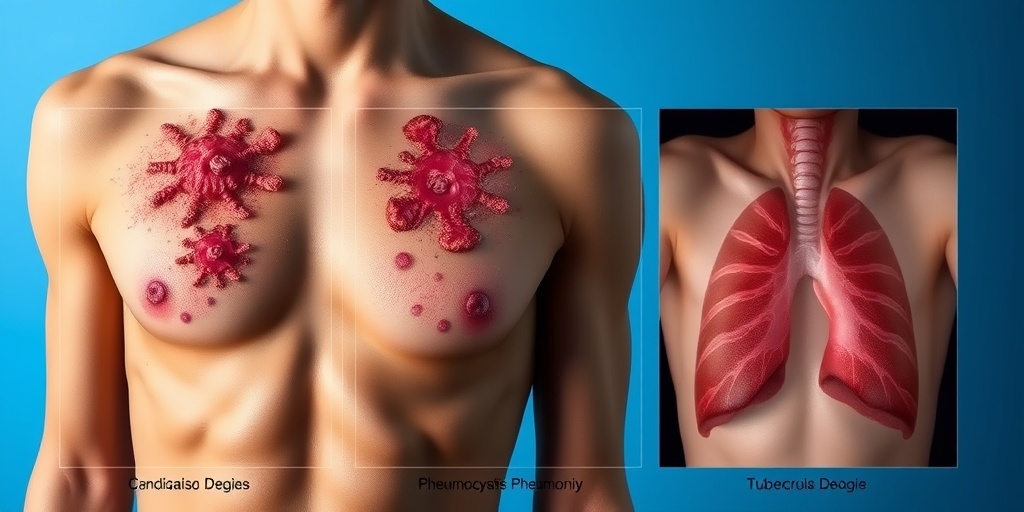
Symptoms of Opportunistic Infections
Opportunistic infections (OIs) are infections that occur more frequently and are more severe in individuals with weakened immune systems. These infections can be caused by bacteria, viruses, fungi, or parasites that typically do not cause disease in healthy individuals. Recognizing the symptoms of opportunistic infections is crucial for early diagnosis and treatment, especially in vulnerable populations such as those living with HIV/AIDS.
Common Symptoms to Watch For
The symptoms of opportunistic infections can vary widely depending on the type of infection and the individual’s overall health. Here are some common symptoms associated with OIs:
- Fever: A persistent fever is often one of the first signs of an opportunistic infection.
- Weight Loss: Unexplained weight loss can be a significant indicator, especially in conjunction with other symptoms.
- Fatigue: Extreme tiredness that doesn’t improve with rest may signal an underlying infection.
- Respiratory Issues: Symptoms such as cough, shortness of breath, or chest pain can indicate respiratory infections like pneumonia.
- Skin Rashes: Unusual skin lesions or rashes may arise from fungal or viral infections.
- Diarrhea: Chronic diarrhea can be a symptom of gastrointestinal infections.
- Neurological Symptoms: Confusion, seizures, or headaches may indicate central nervous system infections.
It’s important to note that these symptoms can overlap with other health conditions. Therefore, if you or someone you know is experiencing these symptoms, especially in the context of a compromised immune system, seeking medical attention is essential. 🩺
Specific Opportunistic Infections and Their Symptoms
Different types of opportunistic infections present with specific symptoms. Here are a few examples:
- Pneumocystis pneumonia (PCP): This common OI in HIV patients often presents with a dry cough, fever, and difficulty breathing.
- Tuberculosis (TB): Symptoms include a persistent cough, night sweats, and weight loss.
- Candidiasis: This fungal infection can cause white patches in the mouth (oral thrush) or a yeast infection.
- Toxoplasmosis: Often affecting the brain, symptoms may include headaches, confusion, and seizures.
Understanding these symptoms can help in identifying opportunistic infections early, which is crucial for effective treatment and management. 🌟
Causes and Risk Factors
Opportunistic infections arise when the immune system is unable to effectively combat pathogens. Various factors contribute to this weakened immune response, making certain individuals more susceptible to these infections.
Understanding the Causes
Opportunistic infections are primarily caused by organisms that are typically harmless to individuals with healthy immune systems. However, in those with compromised immunity, these organisms can take advantage of the weakened defenses. Some common causes include:
- HIV/AIDS: One of the most significant risk factors for opportunistic infections is HIV infection, which progressively weakens the immune system.
- Organ Transplants: Patients who have undergone organ transplants often take immunosuppressive medications to prevent rejection, increasing their risk for OIs.
- Cancer Treatments: Chemotherapy and radiation can significantly lower immune function, making patients more vulnerable to infections.
- Chronic Diseases: Conditions like diabetes, chronic kidney disease, and autoimmune disorders can impair immune responses.
Identifying Risk Factors
In addition to the causes, several risk factors can increase the likelihood of developing opportunistic infections:
- Low CD4 Count: In HIV patients, a CD4 count below 200 cells/mm³ is a critical threshold for increased risk of OIs.
- Malnutrition: Poor nutrition can weaken the immune system, making it harder for the body to fight infections.
- Age: Older adults may have a naturally weakened immune system, increasing their susceptibility.
- Living Conditions: Poor sanitation and crowded living conditions can facilitate the spread of infectious agents.
By understanding the causes and risk factors associated with opportunistic infections, individuals can take proactive steps to protect their health, especially those at higher risk. 🛡️

Diagnosis of Opportunistic Infections
Diagnosing opportunistic infections is crucial, especially for individuals with weakened immune systems, such as those living with HIV/AIDS. These infections can arise when the immune system is unable to fend off pathogens that typically wouldn’t cause illness in healthy individuals. Understanding the diagnostic process can help in early detection and treatment, ultimately improving patient outcomes.
Understanding the Symptoms
The first step in diagnosing opportunistic infections is recognizing the symptoms. These can vary widely depending on the type of infection and the individual’s overall health. Common symptoms include:
- Fever – Persistent or recurrent fever can indicate an underlying infection.
- Weight Loss – Unexplained weight loss is often a sign of serious health issues.
- Fatigue – Extreme tiredness that doesn’t improve with rest.
- Respiratory Issues – Coughing, shortness of breath, or chest pain may suggest lung infections.
- Skin Rashes – Unusual skin lesions or rashes can be indicative of certain infections.
Laboratory Tests and Imaging
Once symptoms are noted, healthcare providers will typically conduct a series of tests to confirm the presence of opportunistic infections. These may include:
- Blood Tests – These tests can help identify specific pathogens and assess the immune system’s function, often measured by CD4 count.
- Cultures – Samples from blood, urine, or other bodily fluids can be cultured to identify the causative organism.
- Imaging Studies – X-rays, CT scans, or MRIs may be used to visualize internal infections, particularly in the lungs or other organs.
Importance of CD4 Count
The CD4 count is a critical marker in diagnosing opportunistic infections, especially in patients with HIV. A low CD4 count indicates a weakened immune system, making individuals more susceptible to infections. Regular monitoring of CD4 levels helps healthcare providers assess the risk of opportunistic infections and tailor preventive measures accordingly.
Treatment Options Available
Once diagnosed, the treatment of opportunistic infections typically involves a combination of medications and supportive care. The choice of treatment depends on the specific infection, the patient’s overall health, and their immune status.
Antimicrobial Therapy
Most opportunistic infections are treated with antimicrobial medications. These can include:
- Antibiotics – Used for bacterial infections, such as pneumocystis pneumonia (PCP).
- Antifungals – Essential for treating fungal infections like candidiasis or cryptococcosis.
- Antivirals – Important for managing viral infections, particularly in patients with HIV.
Supportive Care
In addition to antimicrobial therapy, supportive care plays a vital role in the treatment of opportunistic infections. This may include:
- Hydration – Ensuring adequate fluid intake to help the body recover.
- Nutritional Support – A balanced diet can aid in recovery and bolster the immune system.
- Pain Management – Addressing pain and discomfort to improve the patient’s quality of life.
Preventive Measures
For individuals at high risk of opportunistic infections, preventive measures are essential. These may include:
- Prophylactic Medications – Medications may be prescribed to prevent specific infections, especially when CD4 counts are low.
- Regular Monitoring – Frequent check-ups and lab tests to monitor immune function and detect infections early.
- Healthy Lifestyle Choices – Maintaining a healthy lifestyle, including a balanced diet, regular exercise, and avoiding exposure to infections.
In conclusion, the diagnosis and treatment of opportunistic infections require a comprehensive approach that includes recognizing symptoms, conducting appropriate tests, and implementing effective treatment strategies. By understanding these aspects, individuals can better navigate their health challenges and work towards a healthier future. 🌟

Preventing Opportunistic Infections
Opportunistic infections (OIs) are infections that occur more frequently and are more severe in individuals with weakened immune systems. These infections can be particularly dangerous for people living with HIV/AIDS, cancer, or other conditions that compromise immune function. Understanding how to prevent these infections is crucial for maintaining health and well-being.
Understanding Opportunistic Infections
Before diving into prevention strategies, it’s essential to grasp what opportunistic infections are. Opportunistic infections take advantage of the body’s weakened defenses, often caused by a low CD4 count in HIV patients. Common examples include:
- Pneumocystis pneumonia (PCP)
- Tuberculosis (TB)
- Candidiasis (thrush)
- Toxoplasmosis
- Cryptococcal meningitis
Key Prevention Strategies
Here are some effective strategies to help prevent opportunistic infections:
- Regular Medical Check-ups: Routine visits to healthcare providers can help monitor your immune system’s health and catch any potential issues early.
- Adherence to Antiretroviral Therapy (ART): For those living with HIV, sticking to prescribed ART can significantly boost your immune system and reduce the risk of OIs.
- Vaccinations: Stay up-to-date with vaccinations, especially for diseases like influenza and pneumonia, which can lead to serious complications.
- Hygiene Practices: Maintain good hygiene by washing hands frequently, especially before meals and after using the restroom. This simple practice can help reduce the risk of infections.
- Safe Food Handling: Be cautious with food preparation. Ensure that food is cooked thoroughly and avoid raw or undercooked meats, eggs, and seafood.
- Limit Exposure to Infections: Avoid close contact with sick individuals and crowded places, especially during flu season.
Monitoring CD4 Count
For individuals with HIV, monitoring your CD4 count is vital. A low CD4 count indicates a weakened immune system, increasing the risk of opportunistic infections. Regular blood tests can help track your CD4 levels and guide treatment decisions. If your CD4 count falls below 200 cells/mm³, your healthcare provider may recommend preventive medications to reduce the risk of specific OIs.
Living with Opportunistic Infections
Living with opportunistic infections can be challenging, but with the right approach, individuals can manage their health effectively. Understanding how to cope with these infections is essential for improving quality of life.
Managing Symptoms and Treatment
Each opportunistic infection presents its own set of symptoms and treatment protocols. Here are some common OIs and their management:
- Pneumocystis pneumonia (PCP): Symptoms include cough, fever, and difficulty breathing. Treatment typically involves antibiotics, and preventive measures may include medications for those with low CD4 counts.
- Tuberculosis (TB): TB can cause severe respiratory issues. Treatment usually involves a long course of antibiotics, and it’s crucial to complete the entire regimen to prevent resistance.
- Candidiasis: This fungal infection can affect the mouth and throat. Antifungal medications are effective, and maintaining good oral hygiene can help prevent recurrence.
Emotional and Psychological Support
Living with opportunistic infections can take a toll on mental health. It’s important to seek emotional support from friends, family, or support groups. Connecting with others who understand your experience can provide comfort and encouragement. Additionally, consider speaking with a mental health professional if feelings of anxiety or depression arise.
Healthy Lifestyle Choices
Adopting a healthy lifestyle can significantly impact your ability to manage opportunistic infections. Here are some tips:
- Nutrition: A balanced diet rich in fruits, vegetables, whole grains, and lean proteins can help strengthen your immune system.
- Exercise: Regular physical activity can improve overall health and boost your immune response.
- Stress Management: Engage in activities that reduce stress, such as yoga, meditation, or hobbies you enjoy.
By implementing these strategies, individuals living with opportunistic infections can enhance their quality of life and reduce the impact of these infections on their daily activities. Remember, proactive management and support are key to thriving despite health challenges. 🌟

Frequently Asked Questions about Opportunistic Infections
What are Opportunistic Infections?
Opportunistic infections are infections that occur more frequently and are more severe in individuals with weakened immune systems. These infections can be caused by bacteria, viruses, fungi, or parasites that typically do not cause disease in healthy individuals.
Who is at Risk for Opportunistic Infections?
Individuals with compromised immune systems, such as those living with HIV/AIDS, cancer patients undergoing chemotherapy, or organ transplant recipients on immunosuppressive therapy, are at a higher risk for developing opportunistic infections.
What are Common Examples of Opportunistic Infections?
- Pneumocystis pneumonia (PCP)
- Tuberculosis (TB)
- Candidiasis (thrush)
- Toxoplasmosis
- Cryptococcal meningitis
How are Opportunistic Infections Diagnosed?
Diagnosis of opportunistic infections typically involves a combination of medical history, physical examinations, and laboratory tests. Healthcare providers may perform blood tests, imaging studies, or cultures to identify the specific pathogen causing the infection.
What is the Relationship Between CD4 Count and Opportunistic Infections?
The CD4 count is a critical measure of immune function in individuals with HIV. A low CD4 count indicates a weakened immune system, increasing the risk of developing opportunistic infections. Regular monitoring of CD4 levels helps in assessing the risk and managing treatment.
How Can Opportunistic Infections be Prevented?
Preventive measures for opportunistic infections include:
- Adhering to antiretroviral therapy (ART) for those with HIV
- Receiving vaccinations as recommended
- Practicing good hygiene and sanitation
- Avoiding exposure to known pathogens
What Treatments are Available for Opportunistic Infections?
Treatment for opportunistic infections varies depending on the specific infection and may include:
- Antibiotics for bacterial infections
- Antifungal medications for fungal infections
- Antiviral drugs for viral infections
Can Opportunistic Infections be Life-Threatening?
Yes, opportunistic infections can be life-threatening, especially in individuals with severely compromised immune systems. Early detection and treatment are crucial to improving outcomes.
Where Can I Find More Information on Opportunistic Infections?
For more detailed information, you can refer to reputable health organizations, medical literature, or consult with healthcare professionals. Resources such as PDFs and PPTs on opportunistic infections are also available online for educational purposes.