What Is a Normal Menstrual Cycle?
The normal menstrual cycle is a natural process that occurs in individuals with a uterus, typically beginning during puberty and continuing until menopause. Understanding what constitutes a normal cycle is essential for reproductive health and can help identify any potential issues. But what exactly does a normal menstrual cycle entail?
A normal menstrual cycle is characterized by a series of hormonal changes that prepare the body for potential pregnancy. The average cycle lasts between 21 to 35 days, with the duration varying from person to person. It’s important to note that while some may experience cycles on the shorter end, others may have longer cycles, and both can be considered normal.
During this cycle, various factors can influence its regularity, including stress, diet, exercise, and underlying health conditions. Tracking your cycle can help you understand your body better and recognize any irregularities that may arise.
Normal Menstrual Cycle Length
The normal menstrual cycle length can vary significantly among individuals. While the average is around 28 days, cycles can range from 21 to 35 days. It’s essential to remember that what is normal for one person may not be for another. Factors such as age, lifestyle, and hormonal balance can all play a role in determining cycle length.
Normal Menstrual Cycle Days
Typically, the menstrual bleeding lasts between 3 to 7 days. This duration can also vary based on individual health and hormonal levels. Some may experience lighter periods, while others may have heavier flow. Keeping track of your cycle can help you identify what is normal for you.
Normal Menstrual Cycle Duration
The overall duration of the menstrual cycle includes the time from the first day of menstruation to the day before the next period begins. This entire cycle is crucial for understanding your reproductive health. If you notice significant changes in your cycle duration, it may be worth consulting a healthcare professional.
Menstrual Cycle Phases
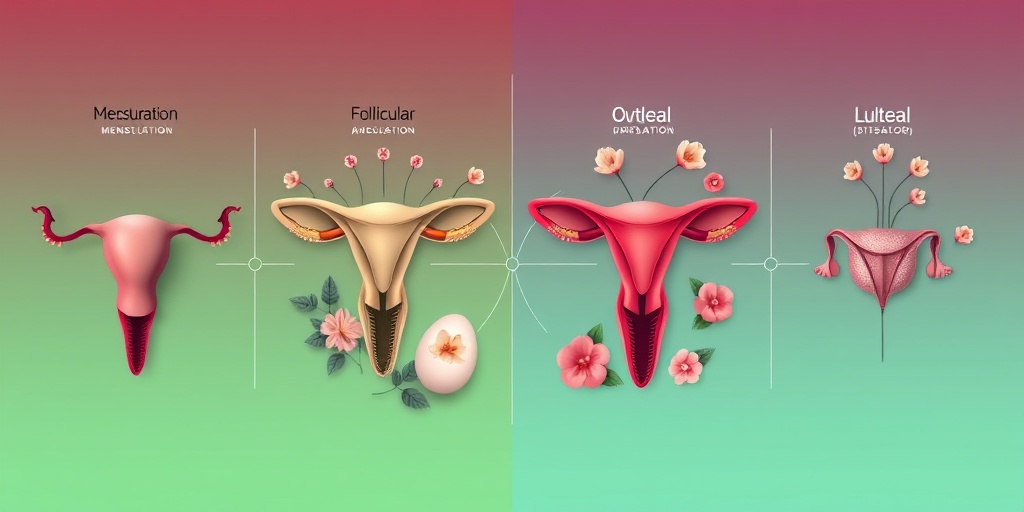
The menstrual cycle is divided into four distinct phases, each playing a vital role in reproductive health. Understanding these phases can help you better comprehend your body’s rhythms and changes throughout the month.
1. Menstrual Phase
The menstrual phase is the first phase of the cycle, marked by the shedding of the uterine lining. This phase typically lasts between 3 to 7 days and is characterized by menstrual bleeding. Hormone levels, particularly estrogen and progesterone, are at their lowest during this time.
2. Follicular Phase
Following menstruation, the follicular phase begins. This phase lasts from the end of your period until ovulation, usually around day 14 in a typical 28-day cycle. During this time, the pituitary gland releases follicle-stimulating hormone (FSH), which stimulates the ovaries to produce follicles. One of these follicles will mature into an egg, while the others will disintegrate.
3. Ovulation Phase
Ovulation occurs when the mature egg is released from the ovary, typically around day 14 of a 28-day cycle. This phase is crucial for conception, as the egg is viable for about 12 to 24 hours. Hormones such as luteinizing hormone (LH) surge during this time, triggering ovulation.
4. Luteal Phase
The luteal phase follows ovulation and lasts about 14 days. During this phase, the ruptured follicle transforms into the corpus luteum, which produces progesterone to prepare the uterine lining for a potential pregnancy. If fertilization does not occur, hormone levels drop, leading to the start of the menstrual phase once again.
Understanding the phases of your normal menstrual cycle can empower you to take charge of your reproductive health. If you have concerns about your cycle or experience irregularities, consider reaching out to a healthcare provider or utilizing resources like Yesil Health AI for evidence-based health answers.
In conclusion, recognizing the characteristics of a normal menstrual cycle and its phases can help you maintain your reproductive health and well-being. Remember, every body is unique, and what is normal for you may differ from others. 🌸
Normal Cycle Length
The normal menstrual cycle is a vital aspect of reproductive health, and understanding its length can help individuals monitor their health effectively. The average cycle length typically ranges from 21 to 35 days, with most women experiencing a cycle of about 28 days. However, it’s important to note that variations are completely normal.
What is a Normal Menstrual Cycle?
A normal menstrual cycle is defined as the time from the first day of one period to the first day of the next. This cycle includes several phases: the menstrual phase, the follicular phase, ovulation, and the luteal phase. Each phase plays a crucial role in preparing the body for potential pregnancy.
Understanding Cycle Variations
While the average cycle length is around 28 days, many women may experience cycles that are shorter or longer. Here are some key points to consider:
- Short Cycles: A cycle shorter than 21 days may indicate hormonal imbalances or other health issues.
- Long Cycles: Cycles longer than 35 days can also signal underlying health concerns, such as polycystic ovary syndrome (PCOS).
- Irregular Cycles: Some women may experience irregular cycles, which can vary in length from month to month.
It’s essential to track your cycle length and any changes you notice. This information can be valuable for healthcare providers in diagnosing potential issues.
Factors Influencing Cycle Length
Several factors can influence the length of your menstrual cycle, including:
- Age: Younger women and those approaching menopause often experience more irregular cycles.
- Stress: High levels of stress can disrupt hormonal balance, leading to changes in cycle length.
- Weight Changes: Significant weight loss or gain can affect your menstrual cycle.
- Health Conditions: Conditions like thyroid disorders or PCOS can lead to irregular cycles.
Menstrual Symptoms
Along with understanding the normal menstrual cycle, it’s crucial to recognize the symptoms that often accompany menstruation. These symptoms can vary widely among individuals and can range from mild to severe.
Common Menstrual Symptoms
Many women experience a variety of symptoms during their menstrual cycle. Here are some of the most common:
- Cramps: Abdominal cramps are one of the most prevalent symptoms, often caused by the contraction of the uterus.
- Bloating: Hormonal changes can lead to water retention, causing a feeling of fullness or swelling in the abdomen.
- Mood Swings: Fluctuations in hormones can affect mood, leading to irritability or emotional changes.
- Breast Tenderness: Hormonal changes can also cause breast sensitivity or tenderness.
- Fatigue: Many women report feeling more tired than usual during their menstrual period.
When to Seek Medical Advice
While many menstrual symptoms are normal, some may indicate a need for medical attention. Consider consulting a healthcare provider if you experience:
- Severe Pain: Intense cramps that interfere with daily activities.
- Heavy Bleeding: Soaking through a pad or tampon every hour for several hours.
- Irregular Cycles: Significant changes in your cycle length or symptoms.
Understanding your normal menstrual cycle and its associated symptoms is essential for maintaining reproductive health. By tracking your cycle and being aware of your body’s signals, you can better manage your health and seek help when necessary. 🌸

Factors Affecting Menstrual Cycle
The normal menstrual cycle is a complex interplay of hormones, physical health, and lifestyle factors. Understanding what influences this cycle can help individuals better manage their reproductive health. Here are some key factors that can affect the menstrual cycle:
1. Hormonal Changes
The menstrual cycle is primarily regulated by hormones such as estrogen and progesterone. Any fluctuations in these hormones can lead to changes in the cycle. For instance, conditions like polycystic ovary syndrome (PCOS) can cause hormonal imbalances, leading to irregular cycles.
2. Age
Age plays a significant role in the normal menstrual cycle. Typically, cycles are more regular in the late teens and twenties. However, as women approach menopause, they may experience irregularities due to hormonal changes. The average age for menopause is around 51, but the transition can start years earlier.
3. Stress Levels
High levels of stress can significantly impact the menstrual cycle. Stress triggers the release of cortisol, which can interfere with the hormones that regulate the cycle. This can lead to delayed periods or even missed cycles. Finding effective stress management techniques, such as yoga or meditation, can help maintain a regular cycle.
4. Diet and Nutrition
A balanced diet is crucial for maintaining a normal menstrual cycle. Nutritional deficiencies, particularly in vitamins and minerals like iron, vitamin D, and B vitamins, can lead to irregularities. Eating a diet rich in whole foods, fruits, vegetables, and healthy fats can support hormonal balance.
5. Physical Activity
Exercise has a dual effect on the menstrual cycle. While regular moderate exercise can help regulate cycles, excessive physical activity, especially in athletes, can lead to missed periods or amenorrhea. It’s essential to find a balance that promotes overall health without overexertion.
6. Medical Conditions
Several medical conditions can affect the menstrual cycle. Conditions such as thyroid disorders, endometriosis, and uterine fibroids can lead to irregular cycles. If you notice significant changes in your cycle, it’s important to consult a healthcare provider for proper diagnosis and treatment.
7. Medications
Certain medications, particularly hormonal contraceptives, can alter the menstrual cycle. Birth control pills often regulate cycles, while other medications may cause irregularities. Always discuss potential side effects with your healthcare provider when starting new medications.
Menstrual Cycle Irregularities
Irregularities in the menstrual cycle can be concerning and may indicate underlying health issues. Understanding the types of irregularities and their potential causes can empower individuals to seek appropriate care.
1. Types of Irregularities
- Oligomenorrhea: This refers to infrequent menstrual periods, typically defined as cycles longer than 35 days.
- Amenorrhea: The absence of menstruation for three or more consecutive cycles. This can be primary (never having started) or secondary (stopping after having regular cycles).
- Menorrhagia: Excessively heavy or prolonged menstrual bleeding, which can be a sign of various health issues.
- Irregular Cycles: Cycles that vary significantly in length from month to month.
2. Common Causes of Irregularities
Several factors can lead to menstrual irregularities:
- Hormonal Imbalances: Conditions like PCOS or thyroid disorders can disrupt hormonal balance.
- Stress: As mentioned earlier, stress can lead to missed or delayed periods.
- Weight Changes: Significant weight loss or gain can affect hormone levels and, consequently, the menstrual cycle.
- Chronic Illness: Conditions such as diabetes or celiac disease can impact menstrual regularity.
3. When to Seek Help
If you experience significant changes in your menstrual cycle, it’s essential to consult a healthcare professional. Symptoms that warrant a visit include:
- Periods that are consistently irregular or absent.
- Severe pain during menstruation.
- Heavy bleeding that soaks through one or more pads or tampons every hour for several hours.
- Menstrual cycles that last longer than 90 days.
Understanding the normal menstrual cycle and its variations can help individuals take charge of their reproductive health. By recognizing the factors that influence the cycle and being aware of potential irregularities, one can make informed decisions about their health and well-being. 🌸

When to See a Doctor
Understanding your normal menstrual cycle is crucial for maintaining reproductive health. However, there are times when you should consult a healthcare professional. Here are some signs that indicate it’s time to seek medical advice:
Irregular Cycles
If your menstrual cycle is consistently irregular, it may be a sign of an underlying health issue. A normal menstrual cycle typically ranges from 21 to 35 days, with most women experiencing cycles of about 28 days. If your cycle varies significantly from this range, it’s advisable to consult a doctor.
Excessive Bleeding
Heavy menstrual bleeding, or menorrhagia, can be a cause for concern. If you find yourself soaking through one or more sanitary pads or tampons every hour for several consecutive hours, it’s important to seek medical attention. This could indicate conditions such as fibroids or hormonal imbalances.
Severe Pain
While some discomfort during menstruation is normal, severe pain that interferes with daily activities is not. If you experience debilitating cramps or pain that doesn’t improve with over-the-counter medications, it’s time to see a healthcare provider.
Changes in Cycle Length
Significant changes in the length of your cycle can also be a red flag. If your cycle suddenly becomes much shorter or longer than your usual pattern, it’s worth discussing with a doctor. This could be due to hormonal changes, stress, or other health issues.
Unusual Symptoms
Pay attention to any unusual symptoms that accompany your menstrual cycle. This includes symptoms like extreme fatigue, dizziness, or unusual discharge. These could be signs of conditions such as polycystic ovary syndrome (PCOS) or infections that require medical evaluation.
Tips for Cycle Health
Maintaining a healthy normal menstrual cycle is essential for overall well-being. Here are some practical tips to help you keep your cycle in check:
Track Your Cycle
Keeping a record of your menstrual cycle can help you identify patterns and changes. Use a calendar or a mobile app to track the start and end dates of your period, as well as any symptoms you experience. This information can be invaluable when discussing your cycle with a healthcare provider.
Maintain a Balanced Diet
Your diet plays a significant role in regulating your menstrual cycle. Aim for a balanced diet rich in fruits, vegetables, whole grains, and lean proteins. Foods high in omega-3 fatty acids, such as fish and flaxseeds, can help reduce inflammation and menstrual pain. 🍏🥦
Stay Hydrated
Staying hydrated is crucial for overall health and can help alleviate bloating and discomfort during your period. Aim to drink at least 8 glasses of water a day, and consider herbal teas that can soothe menstrual symptoms.
Exercise Regularly
Regular physical activity can help regulate your menstrual cycle and reduce symptoms like cramps and bloating. Aim for at least 30 minutes of moderate exercise most days of the week. Activities like yoga and walking can be particularly beneficial. 🧘♀️🏃♀️
Manage Stress
High stress levels can disrupt your hormonal balance and affect your menstrual cycle. Incorporate stress-reducing practices into your routine, such as meditation, deep breathing exercises, or spending time in nature. 🌳
Consult a Healthcare Provider
If you have concerns about your menstrual cycle or experience significant changes, don’t hesitate to consult a healthcare provider. They can offer personalized advice and treatment options tailored to your needs.
By following these tips and being aware of your body, you can help maintain a normal menstrual cycle and promote overall reproductive health. Remember, your menstrual cycle is a vital sign of your health, so take the time to care for it! 🌸

Frequently Asked Questions about Normal Menstrual Cycle
What is a normal menstrual cycle?
A normal menstrual cycle refers to the regular pattern of hormonal changes and bleeding that occurs in a woman’s body. It typically lasts between 21 to 35 days, with the average cycle being around 28 days.
How long does a normal menstrual cycle last?
The normal menstrual cycle length can vary from person to person. Most cycles last between 21 and 35 days, but some women may experience shorter or longer cycles. It’s important to track your cycle to understand your unique pattern.
What is the duration of a normal menstrual period?
The normal menstrual cycle duration of bleeding usually lasts between 3 to 7 days. However, some women may have shorter or longer periods, which can be considered normal for them.
Can the normal menstrual cycle vary?
Yes, the normal menstrual cycle varies from woman to woman and can also change due to factors such as stress, diet, exercise, and hormonal changes. It’s essential to monitor any significant changes in your cycle.
What is the normal range for menstrual cycle days?
The normal menstrual cycle days range is typically between 21 and 35 days. If your cycle consistently falls outside this range, it may be worth consulting a healthcare professional.
How many days is a normal menstrual cycle?
A normal menstrual cycle is generally considered to be around 28 days, but it can range from 21 to 35 days. Each woman’s cycle is unique, and variations are common.
What hormones are involved in the normal menstrual cycle?
The normal menstrual cycle hormone chart includes key hormones such as estrogen and progesterone, which regulate the menstrual cycle and prepare the body for potential pregnancy. Understanding these hormones can help you better comprehend your cycle.
When should I see a doctor about my menstrual cycle?
If you experience significant changes in your normal menstrual cycle, such as very heavy bleeding, severe pain, or cycles that are consistently shorter than 21 days or longer than 35 days, it is advisable to consult a healthcare professional.