What Is Multiple Lentigines Syndrome?
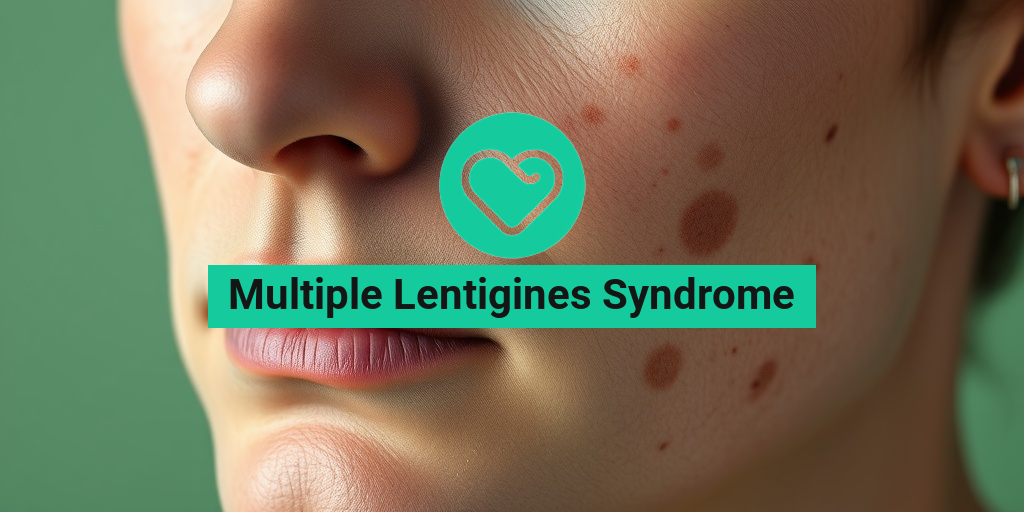
Multiple Lentigines Syndrome (MLS) is a rare genetic condition characterized by the presence of numerous lentigines, which are small, pigmented spots on the skin. These spots are often referred to as “liver spots” or “age spots,” but in the case of MLS, they appear in childhood or early adulthood and can be found in various areas of the body. This syndrome is also known as LEOPARD syndrome when it occurs alongside other specific symptoms.
MLS is primarily caused by mutations in the PTPN11 gene, which plays a crucial role in cell signaling pathways. This genetic alteration can lead to a variety of developmental issues and other health concerns. While the exact prevalence of Multiple Lentigines Syndrome is not well-documented, it is considered a rare condition, often requiring specialized medical attention.
Understanding the Genetic Basis
The genetic mutations associated with Multiple Lentigines Syndrome can lead to a range of symptoms beyond skin changes. These mutations can affect various systems in the body, resulting in a spectrum of clinical manifestations. In some cases, MLS may overlap with other syndromes, such as Noonan syndrome, which shares similar features and genetic underpinnings.
Why Is It Important to Recognize MLS?
Recognizing Multiple Lentigines Syndrome is crucial for early diagnosis and management. Individuals with MLS may be at an increased risk for certain health issues, including:
- Cardiac problems: Some patients may experience heart defects.
- Growth issues: Delayed growth and development can occur.
- Increased cancer risk: There may be a higher likelihood of developing certain types of skin cancer.
Early intervention can help manage these risks and improve the quality of life for those affected by MLS. For more detailed information on genetic conditions and their management, you can visit Yesil Health AI, a valuable resource for evidence-based health answers.
Symptoms of Multiple Lentigines Syndrome
The symptoms of Multiple Lentigines Syndrome can vary widely among individuals, but the most common feature is the presence of multiple lentigines. These spots can appear anywhere on the body, including the face, neck, and back. Here are some of the key symptoms associated with MLS:
1. Skin Changes
The hallmark of Multiple Lentigines Syndrome is the appearance of numerous lentigines. These spots are typically:
- Flat: Unlike moles, lentigines are usually flat and do not protrude from the skin.
- Brown or black: They can range in color from light brown to dark black.
- Variable in size: Lentigines can vary in size, from small dots to larger patches.
2. Other Associated Symptoms
In addition to skin changes, individuals with Multiple Lentigines Syndrome may experience:
- Hearing loss: Some patients may have conductive hearing loss.
- Cardiac anomalies: Heart defects can be present, requiring monitoring and management.
- Short stature: Growth delays may be observed in some individuals.
3. Psychological Impact
The visible nature of the skin changes associated with MLS can lead to psychological effects, including anxiety and low self-esteem. It is essential for individuals and families affected by this syndrome to seek support and counseling when needed.
In conclusion, Multiple Lentigines Syndrome is a complex condition that requires a multidisciplinary approach for effective management. If you or someone you know is experiencing symptoms associated with MLS, it is crucial to consult a healthcare professional for a thorough evaluation and personalized care plan. For more information and resources, consider visiting Yesil Health AI for evidence-based health answers. 🌟

Causes and Risk Factors
Multiple Lentigines Syndrome (MLS) is a rare genetic condition characterized by the presence of numerous lentigines, which are small, pigmented spots on the skin. Understanding the causes and risk factors associated with this syndrome is crucial for early detection and management.
Genetic Mutations
The primary cause of Multiple Lentigines Syndrome is genetic mutations. Most commonly, these mutations occur in the SPRED1 gene, which plays a vital role in cellular signaling pathways. When this gene is altered, it can lead to the development of multiple lentigines. In some cases, mutations in other genes, such as PTPN11, may also be implicated, particularly in syndromes that overlap with MLS, such as Noonan syndrome.
Inheritance Patterns
MLS is typically inherited in an autosomal dominant manner. This means that only one copy of the mutated gene from an affected parent can lead to the condition in their offspring. If a parent has Multiple Lentigines Syndrome, there is a 50% chance that each child will inherit the condition. Understanding this inheritance pattern is essential for families affected by MLS, as it can help them make informed decisions regarding genetic counseling and family planning.
Environmental Factors
While genetics play a significant role in the development of Multiple Lentigines Syndrome, certain environmental factors may also contribute to the condition. For instance, prolonged exposure to ultraviolet (UV) radiation from the sun can exacerbate the appearance of lentigines. Individuals with a family history of skin conditions or those who spend considerable time outdoors without adequate sun protection may be at a higher risk of developing more pronounced symptoms.
Associated Conditions
Multiple Lentigines Syndrome can occur alongside other medical conditions, which may influence its presentation. Some of these associated conditions include:
- Noonan Syndrome: A genetic disorder that can cause various physical and developmental issues, including lentigines.
- LEOPARD Syndrome: A rare genetic condition characterized by lentigines, electrocardiographic conduction abnormalities, ocular hypertelorism, pulmonary stenosis, abnormal genitalia, retarded growth, and deafness.
- Other Rare Diseases: There are several rare diseases that may present with similar symptoms, making accurate diagnosis essential.
Diagnosis of Multiple Lentigines Syndrome
Diagnosing Multiple Lentigines Syndrome involves a comprehensive approach that includes clinical evaluation, family history assessment, and genetic testing. Early diagnosis is crucial for effective management and monitoring of associated health risks.
Clinical Evaluation
The first step in diagnosing MLS typically involves a thorough clinical evaluation by a healthcare professional. During this evaluation, the doctor will:
- Examine the skin for the presence of lentigines, noting their size, distribution, and number.
- Assess any other physical features or symptoms that may be associated with the syndrome.
- Take a detailed family history to identify any genetic predispositions.
Genetic Testing
If Multiple Lentigines Syndrome is suspected, genetic testing may be recommended to confirm the diagnosis. This testing can identify mutations in the SPRED1 gene or other related genes. Genetic counseling is often advised for affected individuals and their families to understand the implications of the diagnosis and the inheritance patterns.
Differential Diagnosis
It is essential to differentiate Multiple Lentigines Syndrome from other conditions that may present with similar skin findings. Conditions such as solar lentigines, freckles, and other genetic syndromes must be considered. A dermatologist or geneticist may be involved in this process to ensure an accurate diagnosis.
In summary, understanding the causes and risk factors of Multiple Lentigines Syndrome, along with the diagnostic process, is vital for effective management and support for those affected by this condition. Early intervention can lead to better outcomes and improved quality of life. 🌟

Complications Associated with Multiple Lentigines Syndrome
Multiple Lentigines Syndrome (MLS) is a rare genetic condition characterized by the presence of numerous lentigines, which are small, pigmented spots on the skin. While the primary concern for individuals with MLS is often cosmetic, there are several complications that can arise from this syndrome, affecting both physical health and emotional well-being.
Increased Risk of Skin Cancer
One of the most significant complications associated with Multiple Lentigines Syndrome is the increased risk of developing skin cancer. The lentigines themselves are benign, but individuals with MLS may have a higher likelihood of developing melanoma and other skin malignancies due to the abnormal proliferation of melanocytes (the cells that produce pigment in the skin). Regular skin examinations by a dermatologist are crucial for early detection and management of any suspicious lesions. 🩺
Psychosocial Impact
The visible nature of the lentigines can lead to psychological challenges for individuals with MLS. Many may experience feelings of self-consciousness or anxiety related to their appearance. This can result in social withdrawal or avoidance of situations where they feel their skin condition may be scrutinized. Support from mental health professionals or support groups can be beneficial in addressing these emotional aspects. 💬
Potential for Other Health Issues
Multiple Lentigines Syndrome can sometimes be associated with other genetic conditions, such as Noonan syndrome or LEOPARD syndrome. These syndromes can present additional health challenges, including:
- Cardiac issues: Some individuals may have congenital heart defects.
- Hearing loss: There may be an increased risk of auditory problems.
- Growth abnormalities: Individuals may experience growth delays or other developmental issues.
It is essential for individuals diagnosed with MLS to undergo comprehensive evaluations to identify any associated conditions that may require monitoring or treatment.
Treatment Options Available for Multiple Lentigines Syndrome
While there is currently no cure for Multiple Lentigines Syndrome, various treatment options can help manage the symptoms and reduce the risk of complications. The approach to treatment often depends on the severity of the symptoms and the individual’s overall health.
Regular Dermatological Care
One of the most critical aspects of managing MLS is maintaining regular appointments with a dermatologist. These professionals can:
- Monitor the skin for any changes or suspicious lesions.
- Provide guidance on sun protection to minimize the risk of skin cancer.
- Offer treatments for cosmetic concerns, such as laser therapy or cryotherapy, to reduce the appearance of lentigines.
Sun Protection Strategies
Individuals with Multiple Lentigines Syndrome should prioritize sun protection as part of their daily routine. This includes:
- Using broad-spectrum sunscreen with an SPF of 30 or higher.
- Wearing protective clothing, such as long sleeves and wide-brimmed hats.
- Avoiding sun exposure during peak hours (10 a.m. to 4 p.m.).
Implementing these strategies can significantly reduce the risk of skin damage and subsequent complications. ☀️
Psychological Support
Given the potential psychosocial impact of Multiple Lentigines Syndrome, seeking psychological support can be beneficial. Therapy or counseling can help individuals cope with feelings of anxiety or self-esteem issues related to their appearance. Support groups can also provide a sense of community and understanding among those facing similar challenges. 🤝
Genetic Counseling
For individuals with MLS, especially those with a family history of related syndromes, genetic counseling can be an invaluable resource. A genetic counselor can provide information about:
- The inheritance patterns of MLS and associated syndromes.
- Risks for family members.
- Options for genetic testing if desired.
This knowledge can empower individuals and families to make informed decisions regarding their health and future planning.

Home Care and Management
Managing Multiple Lentigines Syndrome (MLS) requires a comprehensive approach that focuses on both medical care and lifestyle adjustments. This rare genetic condition is characterized by the presence of multiple lentigines, which are small, pigmented spots on the skin. While there is no cure for MLS, effective home care strategies can help individuals manage symptoms and improve their quality of life.
Understanding the Condition
Before diving into management strategies, it’s essential to understand what Multiple Lentigines Syndrome entails. This syndrome can manifest in various ways, including:
- Skin Changes: The most noticeable feature is the appearance of lentigines, which can vary in size and color.
- Associated Health Risks: Individuals with MLS may have an increased risk of certain cancers, particularly skin cancer, due to the abnormal skin pigmentation.
- Other Symptoms: Some may experience other symptoms, such as hearing loss or heart defects, particularly in syndromes like Noonan syndrome with multiple lentigines.
Skin Care Routine
Given the skin-related nature of MLS, a robust skin care routine is vital. Here are some tips:
- Regular Dermatological Check-ups: Schedule regular visits with a dermatologist to monitor skin changes and catch any potential issues early.
- Sun Protection: Use broad-spectrum sunscreen with an SPF of 30 or higher daily, even on cloudy days. Wearing protective clothing and seeking shade can also help reduce sun exposure.
- Moisturizing: Keep the skin hydrated with gentle, fragrance-free moisturizers to maintain skin health.
Healthy Lifestyle Choices
Incorporating healthy lifestyle choices can significantly impact the management of MLS. Consider the following:
- Balanced Diet: A diet rich in fruits, vegetables, whole grains, and lean proteins can support overall health. Antioxidant-rich foods may help combat oxidative stress.
- Regular Exercise: Engaging in regular physical activity can improve cardiovascular health and overall well-being.
- Avoiding Smoking and Excessive Alcohol: These habits can exacerbate health risks associated with MLS.
Emotional and Psychological Support
Living with a rare condition like MLS can be emotionally challenging. It’s essential to seek support:
- Support Groups: Connecting with others who have MLS can provide a sense of community and shared experiences.
- Counseling: Professional counseling can help individuals cope with the emotional aspects of living with a chronic condition.
Living with Multiple Lentigines Syndrome
Living with Multiple Lentigines Syndrome can present unique challenges, but with the right strategies, individuals can lead fulfilling lives. Understanding the condition and its implications is the first step toward effective management.
Daily Life Adjustments
Making small adjustments in daily life can significantly enhance comfort and well-being:
- Clothing Choices: Opt for loose-fitting, breathable fabrics to minimize skin irritation.
- Sun Safety: Always carry a hat and sunglasses when outdoors to protect against UV rays.
- Skin Monitoring: Keep an eye on any changes in skin spots and report them to your healthcare provider.
Social Interactions
Social interactions can sometimes be affected by the visible symptoms of MLS. Here are some tips to navigate these situations:
- Education: Educate friends and family about MLS to foster understanding and support.
- Confidence Building: Engage in activities that boost self-esteem and confidence, such as hobbies or sports.
Advocacy and Awareness
Being an advocate for yourself and others with MLS can lead to greater awareness and understanding of the condition:
- Participate in Awareness Campaigns: Join or support campaigns that promote awareness of rare diseases.
- Share Your Story: Sharing personal experiences can help others understand the challenges and triumphs of living with MLS.
By implementing these home care strategies and lifestyle adjustments, individuals with Multiple Lentigines Syndrome can manage their condition effectively and lead vibrant, fulfilling lives. 🌟

Frequently Asked Questions about Multiple Lentigines Syndrome
What is Multiple Lentigines Syndrome?
Multiple Lentigines Syndrome is a rare genetic condition characterized by the presence of numerous lentigines, which are small, pigmented spots on the skin. These spots typically appear during childhood or adolescence and can vary in size and color. The syndrome may also be associated with other health issues, including an increased risk of certain cancers.
What are the symptoms of Multiple Lentigines Syndrome?
The primary symptom of Multiple Lentigines Syndrome is the development of multiple lentigines. Other potential symptoms may include:
- Freckling on the skin
- Skin changes in areas exposed to sunlight
- Possible association with other syndromes, such as Noonan syndrome
How is Multiple Lentigines Syndrome diagnosed?
Diagnosis of Multiple Lentigines Syndrome typically involves a physical examination by a healthcare professional, who will look for characteristic skin changes. Genetic testing may also be conducted to confirm the diagnosis and rule out other conditions.
What is the ICD-10 code for Multiple Lentigines Syndrome?
The ICD-10 code for Multiple Lentigines Syndrome is not universally defined, as it may vary based on specific symptoms and associated conditions. It is advisable to consult a healthcare provider for accurate coding related to individual cases.
Is Multiple Lentigines Syndrome related to other syndromes?
Yes, Multiple Lentigines Syndrome can be associated with other genetic conditions, such as Noonan syndrome and LEOPARD syndrome. These syndromes may share similar symptoms and genetic mutations, making it essential for individuals to receive a comprehensive evaluation.
What are the treatment options for Multiple Lentigines Syndrome?
Currently, there is no cure for Multiple Lentigines Syndrome. Treatment focuses on managing symptoms and monitoring for potential complications. This may include:
- Regular skin examinations to monitor for changes
- Sun protection measures to prevent further skin damage
- Cosmetic treatments for lentigines if desired
Can Multiple Lentigines Syndrome lead to other health issues?
Individuals with Multiple Lentigines Syndrome may have an increased risk of developing certain types of cancer, particularly skin cancer. Regular check-ups and skin screenings are essential for early detection and management of any potential issues.
Where can I find support for Multiple Lentigines Syndrome?
Support groups and organizations dedicated to rare diseases can provide valuable resources and community support for individuals and families affected by Multiple Lentigines Syndrome. Online forums and local health organizations may also offer assistance and information.