What Is Breast Cancer?
Breast cancer is a disease that occurs when cells in the breast begin to grow uncontrollably. This abnormal growth can form a tumor, which can be felt as a lump or detected through imaging tests. Breast cancer can affect both men and women, although it is far more common in women. Understanding breast cancer is crucial, especially for women who are pregnant or planning to become pregnant.
Types of Breast Cancer
There are several types of breast cancer, with the most common being:
- Ductal Carcinoma In Situ (DCIS): A non-invasive cancer where cells inside the ducts of the breast have changed to cancer cells but have not spread to surrounding tissue.
- Invasive Ductal Carcinoma (IDC): The most common type, IDC starts in the breast’s milk ducts and invades nearby tissues.
- Lobular Carcinoma: This type begins in the lobules, which produce milk, and can also spread to nearby tissues.
- Triple-Negative Breast Cancer: A more aggressive form that lacks three common receptors, making it harder to treat.
Risk Factors for Breast Cancer
Several factors can increase the risk of developing breast cancer, including:
- Age: The risk increases as you get older.
- Family History: A family history of breast cancer can elevate your risk.
- Genetic Mutations: Certain inherited mutations, such as BRCA1 and BRCA2, significantly increase the risk.
- Hormonal Factors: Early menstruation, late menopause, and hormone replacement therapy can contribute to risk.
Breast Cancer Symptoms
Recognizing the symptoms of breast cancer is vital for early detection and treatment. While some women may not experience any symptoms, others may notice changes in their breasts. Here are some common symptoms to watch for:
Common Symptoms to Look For
- Lump or Mass: The most common symptom is a lump or mass in the breast or underarm area.
- Changes in Breast Size or Shape: Any noticeable changes in the size or shape of the breast should be evaluated.
- Skin Changes: Dimpling, puckering, or redness of the breast skin can be a sign of breast cancer.
- Nipple Changes: Any discharge from the nipple, especially if it is bloody or clear, should be investigated.
Symptoms During Pregnancy
Pregnancy can sometimes mask the symptoms of breast cancer, making it crucial for expectant mothers to be vigilant. Some symptoms may be mistaken for normal pregnancy changes, such as breast tenderness or swelling. However, if you notice any unusual changes, it’s essential to consult your healthcare provider.
When to Seek Medical Advice
If you experience any of the symptoms mentioned above, especially if you are pregnant or planning to become pregnant, it’s important to seek medical advice promptly. Early detection can significantly improve treatment outcomes. Resources like Yesil Health AI (yesilhealth.com) can provide evidence-based answers to your health questions and guide you through your concerns.
In conclusion, understanding breast cancer and pregnancy is vital for women who may face this challenging situation. By being aware of the symptoms and risk factors, you can take proactive steps towards your health and well-being. Remember, early detection is key, so don’t hesitate to reach out to your healthcare provider if you have any concerns. 💖

Breast Cancer Diagnosis
Receiving a diagnosis of breast cancer can be overwhelming, especially for women who are pregnant or planning to become pregnant. Understanding the diagnosis process is crucial for managing both health and emotional well-being during this challenging time.
Understanding the Diagnosis Process
The journey to a breast cancer diagnosis typically begins with a routine breast exam or imaging tests, such as a mammogram or ultrasound. If abnormalities are detected, further tests, including a biopsy, may be performed to confirm the presence of cancer cells.
Symptoms to Watch For
While some women may not experience noticeable symptoms, others might notice:
- Lumps or masses in the breast or underarm area
- Changes in breast shape or size
- Unexplained pain in the breast
- Changes in the skin of the breast, such as redness or dimpling
If you experience any of these symptoms, it’s essential to consult a healthcare provider promptly. Early detection is key to effective treatment, especially during pregnancy.
Impact of Pregnancy on Diagnosis
Pregnancy can complicate the diagnosis of breast cancer. Hormonal changes may lead to breast tissue becoming denser, making it more challenging to detect abnormalities through imaging. Therefore, it’s vital for pregnant women to communicate openly with their healthcare providers about any concerns or symptoms they may have.
Pregnancy and Breast Cancer Risk
Many women wonder about the relationship between pregnancy and breast cancer risk. While the overall risk of developing breast cancer during pregnancy is relatively low, certain factors can influence this risk.
Understanding the Risk Factors
Several factors can affect a woman’s risk of developing breast cancer during pregnancy:
- Age: Women over 40 are at a higher risk of breast cancer, making it essential for older mothers-to-be to be vigilant.
- Family History: A family history of breast cancer can increase risk, regardless of pregnancy.
- Genetic Factors: Mutations in genes such as BRCA1 and BRCA2 significantly raise the risk of breast cancer.
Pregnancy and Hormonal Changes
Pregnancy triggers various hormonal changes that can influence breast tissue. While these changes can sometimes mask the symptoms of breast cancer, they can also promote the growth of existing cancer cells. This dual effect makes it crucial for pregnant women to maintain regular check-ups and screenings.
Guidelines for Monitoring Breast Health
Healthcare providers often recommend specific guidelines for monitoring breast health during pregnancy:
- Regular Breast Exams: Monthly self-exams and routine clinical exams can help detect any changes early.
- Mammograms: While mammograms are generally safe during pregnancy, they should be performed only when necessary and under the guidance of a healthcare provider.
- Consultation with Specialists: If diagnosed with breast cancer, working with a multidisciplinary team, including oncologists and obstetricians, is vital for tailored treatment plans.
In conclusion, understanding the complexities of breast cancer and pregnancy is essential for women navigating this challenging journey. Awareness of symptoms, risk factors, and guidelines can empower women to take charge of their health and make informed decisions. Remember, early detection and proactive management are key to achieving the best outcomes. 🌸
Managing Breast Cancer During Pregnancy
Receiving a breast cancer diagnosis while pregnant can be an overwhelming experience. The intersection of breast cancer and pregnancy raises numerous questions and concerns for expectant mothers. Understanding how to manage this condition is crucial for both the mother and the developing baby. Here, we’ll explore the complexities of managing breast cancer during pregnancy, including the importance of a multidisciplinary approach and the emotional aspects involved.
The Importance of Early Detection
Early detection of breast cancer is vital, especially during pregnancy. Regular breast exams and awareness of any changes in breast tissue can lead to earlier diagnosis. Pregnant women should be encouraged to report any unusual symptoms, such as:
- Lumps or masses in the breast or underarm area
- Changes in breast shape or size
- Skin changes, such as redness or dimpling
- Nipple discharge that is not related to breastfeeding
Healthcare providers often recommend a tailored screening plan for pregnant women, which may include ultrasounds or MRI scans, as traditional mammograms may not be suitable during pregnancy.
Multidisciplinary Care Team
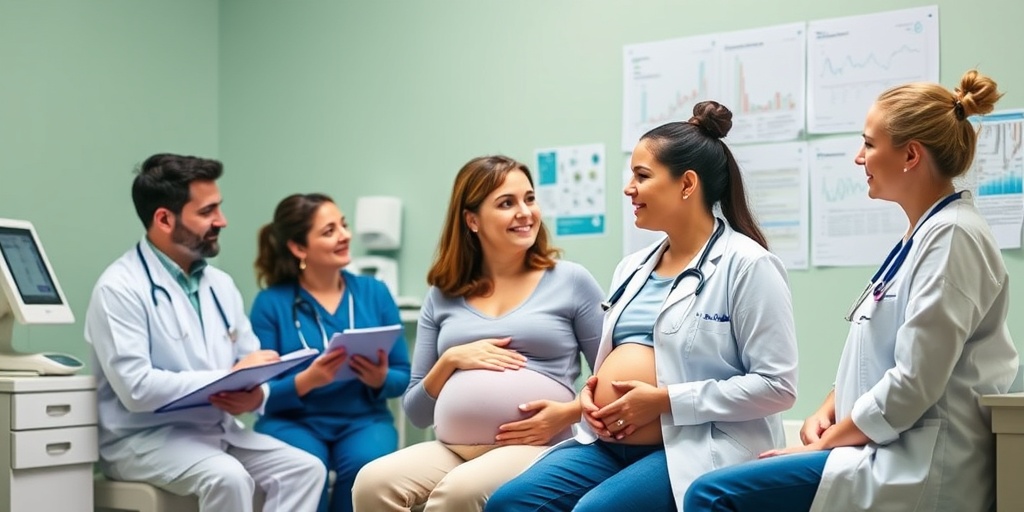
Managing breast cancer during pregnancy requires a collaborative approach. A multidisciplinary care team typically includes:
- Oncologists who specialize in cancer treatment
- Obstetricians experienced in high-risk pregnancies
- Radiologists for imaging studies
- Psychologists or counselors to support emotional well-being
This team works together to create a personalized treatment plan that considers the stage of cancer, the gestational age of the fetus, and the mother’s overall health.
Emotional Support and Counseling
Facing breast cancer during pregnancy can lead to a range of emotions, from fear and anxiety to confusion and sadness. It’s essential for expectant mothers to seek emotional support. Joining support groups or speaking with a mental health professional can provide a safe space to express feelings and share experiences with others who understand the journey. 💖
Treatment Options for Pregnant Women
When it comes to treating breast cancer during pregnancy, the options available depend on several factors, including the type and stage of cancer, the trimester of pregnancy, and the overall health of the mother and fetus. Here’s a closer look at the treatment options available:
Surgery
Surgery is often the first line of treatment for breast cancer. In many cases, a lumpectomy or mastectomy can be performed safely during pregnancy. The timing of the surgery is crucial:
- First Trimester: Surgery is generally avoided unless absolutely necessary due to the higher risk of miscarriage.
- Second Trimester: This is often considered the safest time for surgery, as the risk to the fetus is lower.
- Third Trimester: Surgery may still be performed, but careful consideration is given to the timing to avoid complications during delivery.
Chemotherapy
Chemotherapy can be administered during pregnancy, but it is typically avoided during the first trimester due to the risk of fetal development issues. Most oncologists recommend starting chemotherapy in the second or third trimester. Some key points include:
- Medications: Certain chemotherapy drugs are considered safer than others during pregnancy.
- Monitoring: Close monitoring of both the mother and fetus is essential during treatment.
Radiation Therapy
Radiation therapy is generally not recommended during pregnancy due to potential risks to the developing fetus. If radiation is necessary, it is usually postponed until after delivery. However, in some cases, it may be considered post-delivery if the cancer is aggressive.
Hormonal Therapy
Hormonal therapies, such as tamoxifen, are typically avoided during pregnancy due to potential risks. The focus is usually on surgical and chemotherapy options until after the baby is born.
In conclusion, managing breast cancer and pregnancy requires careful planning and a supportive healthcare team. Each case is unique, and treatment plans should be tailored to the individual needs of the mother and her baby. By staying informed and seeking support, expectant mothers can navigate this challenging journey with greater confidence. 🌼
Emotional Impact of Breast Cancer
Receiving a diagnosis of breast cancer can be one of the most challenging experiences in a person’s life, especially for those who are pregnant or planning to start a family. The emotional toll of this diagnosis can be profound, affecting not only the individual but also their partner and family. Understanding these emotional impacts is crucial for navigating this difficult journey.
Fear and Anxiety
One of the most common emotional responses to a breast cancer diagnosis is fear. Patients often worry about their health, the effectiveness of treatment, and the potential impact on their unborn child. This fear can manifest as:
- Fear of the unknown: Questions about treatment options and outcomes can lead to significant anxiety.
- Concerns for the baby: Expecting mothers may worry about how their diagnosis and treatment will affect their pregnancy and the health of their child.
Depression and Isolation
Many individuals diagnosed with breast cancer experience feelings of sadness or depression. This can be exacerbated by the isolation that often accompanies a cancer diagnosis. Patients may feel:
- Disconnection from others: Friends and family may not fully understand what the patient is going through, leading to feelings of loneliness.
- Loss of control: The unpredictability of cancer treatment can make individuals feel powerless, contributing to depressive symptoms.
Impact on Relationships
The emotional strain of breast cancer can also affect relationships. Partners may struggle to cope with their loved one’s diagnosis, leading to:
- Communication challenges: Open discussions about fears and feelings may become difficult.
- Role changes: The dynamics of the relationship may shift, with one partner taking on a caregiving role.
Finding Hope and Resilience
Despite the emotional challenges, many individuals find ways to cope and even thrive during this difficult time. Building resilience can involve:
- Seeking support: Connecting with support groups or counseling can provide a safe space to express feelings and share experiences.
- Focusing on the positive: Many patients find strength in focusing on their goals, such as the arrival of their baby.
Support Resources for Patients
For those navigating the complexities of breast cancer and pregnancy, having access to the right support resources is essential. These resources can provide emotional, informational, and practical assistance throughout the journey.
Medical Support
Consulting with healthcare professionals who specialize in both oncology and obstetrics is crucial. They can provide tailored advice and treatment plans that consider both the mother’s health and the baby’s well-being. Key resources include:
- Oncologists: Specialists who can guide treatment options during pregnancy.
- Obstetricians: Doctors who can monitor the pregnancy and ensure the health of both mother and child.
Support Groups
Connecting with others who have faced similar challenges can be incredibly beneficial. Support groups offer a platform for sharing experiences and coping strategies. Consider:
- Local support groups: Many hospitals and cancer centers offer in-person meetings.
- Online forums: Websites and social media groups can provide 24/7 support and a sense of community.
Educational Resources
Knowledge is power, especially when dealing with a complex diagnosis like breast cancer during pregnancy. Educational resources can help patients understand their condition and treatment options. Useful resources include:
- Breast cancer organizations: Websites like the American Cancer Society and Breastcancer.org offer comprehensive information.
- Patient advocacy groups: These organizations can provide guidance on navigating healthcare systems and accessing resources.
Emotional Support Services
Professional counseling can be invaluable for managing the emotional impact of a breast cancer diagnosis. Services to consider include:
- Therapists: Mental health professionals who specialize in cancer care can help patients process their emotions.
- Hotlines: Many organizations offer hotlines for immediate support and guidance.
In conclusion, while the journey through breast cancer and pregnancy can be fraught with emotional challenges, there are numerous resources available to help patients navigate this difficult time. By seeking support and information, individuals can find strength and resilience in their journey. 💪❤️

Frequently Asked Questions about Breast Cancer and Pregnancy
1. Can I get pregnant if I have a history of breast cancer?
Yes, many women with a history of breast cancer can conceive. However, it is essential to discuss your individual situation with your healthcare provider to understand any potential risks and necessary precautions.
2. What are the risks of breast cancer during pregnancy?
While the overall risk of developing breast cancer during pregnancy is low, it can occur. Factors such as age, family history, and genetic predisposition may influence this risk. Regular check-ups and monitoring are crucial.
3. How does pregnancy affect breast cancer treatment?
Pregnancy can complicate breast cancer treatment. Some treatments may need to be postponed or adjusted. It’s vital to work closely with your oncologist and obstetrician to create a safe treatment plan.
4. Are there specific guidelines for managing breast cancer during pregnancy?
Yes, there are guidelines provided by organizations such as the Royal College of Obstetricians and Gynaecologists (RCOG). These guidelines help healthcare providers navigate the complexities of treating breast cancer in pregnant patients.
5. What symptoms should I watch for during pregnancy if I have a history of breast cancer?
Women should be vigilant for any changes in their breasts, such as lumps, changes in size or shape, or unusual discharge. If you notice any concerning symptoms, consult your healthcare provider promptly.
6. Is it safe to breastfeed if I have had breast cancer?
Breastfeeding after breast cancer treatment can be safe for many women, but it depends on individual circumstances. Discuss your plans with your healthcare team to ensure the best approach for you and your baby.
7. What resources are available for women facing breast cancer and pregnancy?
There are numerous resources available, including support groups, informational websites, and literature. Consider seeking out local organizations or online communities for additional support and information.
8. Can I find more information in a PDF format?
Yes, many organizations provide downloadable PDFs that cover topics related to breast cancer and pregnancy. These resources can offer valuable insights and guidelines.
9. What should I do if I have concerns about breast cancer during pregnancy?
If you have concerns, it is crucial to speak with your healthcare provider. They can provide personalized advice and support based on your medical history and current health status.
10. Are there any online communities or forums for women dealing with breast cancer and pregnancy?
Yes, platforms like Reddit and various health forums have communities where women share their experiences and support each other. Engaging with others who understand your situation can be incredibly beneficial.