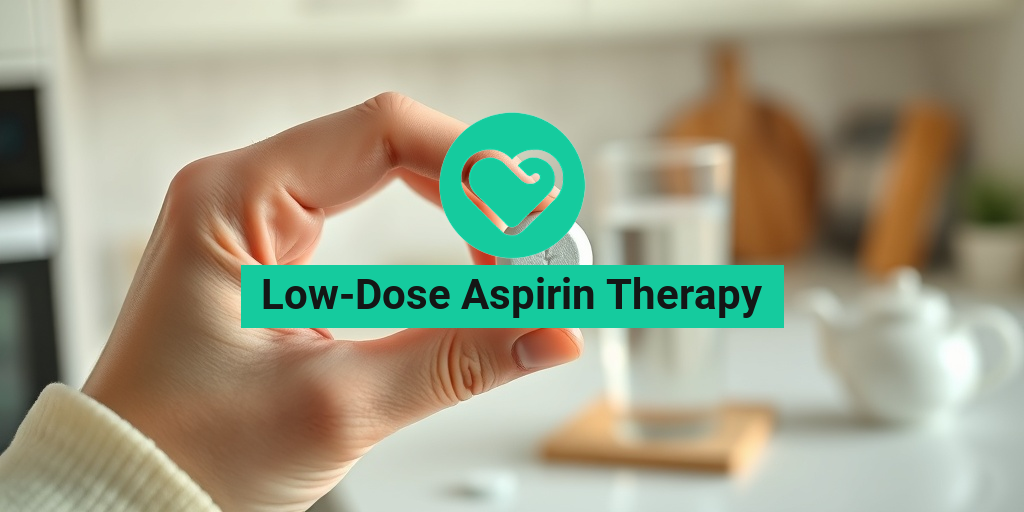
What Is Low-Dose Aspirin Therapy?
Low-dose aspirin therapy refers to the regular intake of a small dose of aspirin, typically ranging from 75 mg to 100 mg per day. This therapy is primarily used for its antiplatelet effects, which help prevent blood clots. By inhibiting the aggregation of platelets, low-dose aspirin can significantly reduce the risk of cardiovascular events such as heart attacks and strokes.
Aspirin, or acetylsalicylic acid, has been a staple in medicine for over a century. While it is commonly known for its pain-relieving properties, its role in cardiovascular health has gained considerable attention in recent years. Low-dose aspirin therapy is often recommended for individuals with certain risk factors, including a history of heart disease, high blood pressure, or diabetes.
How Does Low-Dose Aspirin Work?
The mechanism behind low-dose aspirin therapy is quite fascinating. When taken, aspirin inhibits the enzyme cyclooxygenase (COX), which plays a crucial role in the production of thromboxane A2, a substance that promotes platelet aggregation. By reducing the levels of thromboxane A2, low-dose aspirin effectively decreases the likelihood of clot formation, thereby enhancing blood flow and reducing the risk of serious cardiovascular events.
Who Should Consider Low-Dose Aspirin Therapy?
Low-dose aspirin therapy is not for everyone. It is typically recommended for:
- Individuals with a history of heart attack or stroke
- People with a high risk of cardiovascular disease
- Patients with certain conditions, such as diabetes or high blood pressure
- Pregnant women at risk of preeclampsia
However, it is essential to consult with a healthcare provider before starting any aspirin regimen, as it may not be suitable for individuals with certain medical conditions or those taking specific medications.
Benefits of Low-Dose Aspirin
The benefits of low-dose aspirin therapy extend beyond just cardiovascular health. Here are some of the key advantages:
1. Cardiovascular Protection ❤️
The primary benefit of low-dose aspirin is its ability to reduce the risk of heart attacks and strokes. By preventing blood clots, it helps maintain healthy blood flow and reduces the strain on the heart.
2. Prevention of Preeclampsia in Pregnancy 🤰
Low-dose aspirin therapy has been shown to be effective in preventing preeclampsia, a serious condition characterized by high blood pressure and potential damage to other organ systems during pregnancy. Women at high risk for this condition may be advised to take low-dose aspirin as a preventive measure.
3. Reduced Risk of Certain Cancers 🎗️
Emerging research suggests that low-dose aspirin may also play a role in reducing the risk of certain types of cancer, particularly colorectal cancer. While more studies are needed to confirm these findings, the potential anti-cancer properties of aspirin are an exciting area of research.
4. Pain Relief and Anti-Inflammatory Effects
While low-dose aspirin is primarily used for its cardiovascular benefits, it still retains some of the pain-relieving and anti-inflammatory properties of higher doses. This makes it a versatile option for individuals who may also experience chronic pain or inflammation.
5. Cost-Effective and Accessible 💰
Low-dose aspirin is widely available and relatively inexpensive, making it an accessible option for many individuals. This affordability, combined with its proven benefits, makes it a popular choice for those looking to improve their health.
In conclusion, low-dose aspirin therapy can be a valuable tool in managing cardiovascular health and preventing serious conditions like preeclampsia. However, it is crucial to consult with a healthcare professional to determine if this therapy is appropriate for your individual health needs. For more evidence-based health answers, consider visiting Yesil Health AI, a reliable resource for health information.
Always remember, while low-dose aspirin can offer numerous benefits, it should be part of a comprehensive health strategy that includes a balanced diet, regular exercise, and routine medical check-ups. Stay informed and take charge of your health! 🌟
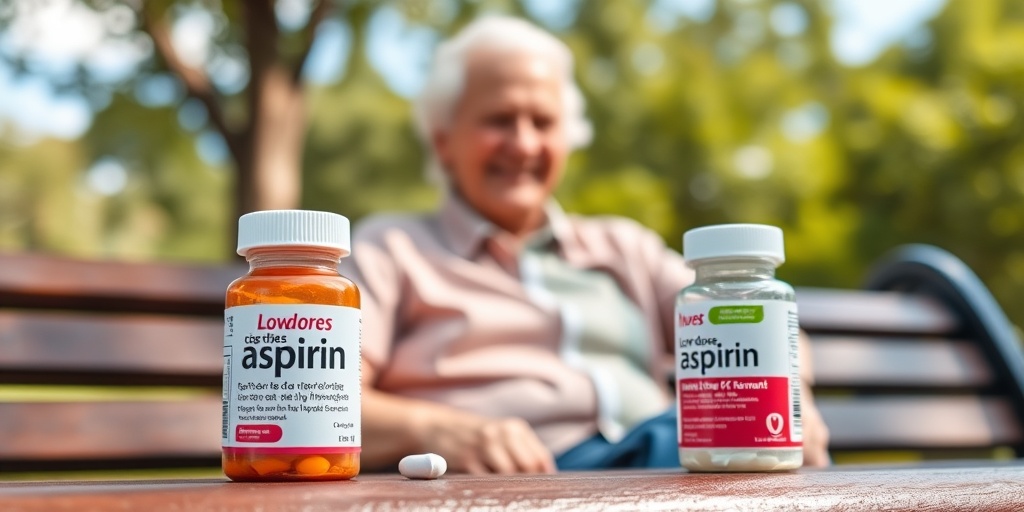
Who Should Consider Low-Dose Aspirin Therapy?
Low-dose aspirin therapy has gained attention for its potential benefits in various health scenarios. However, it’s essential to understand who might benefit from this treatment. Here are some groups of individuals who should consider low-dose aspirin therapy:
Individuals at Risk for Cardiovascular Disease
People with a history of heart disease or those at high risk for cardiovascular events may find low-dose aspirin therapy beneficial. This includes:
- Individuals with a previous heart attack or stroke
- Those with high blood pressure or high cholesterol
- People with diabetes, especially if they have additional risk factors
Low-dose aspirin works by inhibiting platelet aggregation, which can help prevent blood clots that lead to heart attacks and strokes. 🫀
Pregnant Women at Risk for Preeclampsia
Low-dose aspirin therapy is often recommended for pregnant women who are at risk for preeclampsia, a serious condition characterized by high blood pressure and potential damage to other organ systems. The therapy can help improve blood flow to the placenta and reduce the risk of complications. If you are pregnant or planning to become pregnant, consult your healthcare provider to discuss whether this therapy is appropriate for you. 👶
Older Adults
As we age, the risk of cardiovascular issues increases. Older adults, particularly those with multiple risk factors, may benefit from low-dose aspirin therapy. However, it’s crucial to weigh the benefits against potential risks, which we will discuss later in this article.
Individuals with Certain Chronic Conditions
People with chronic conditions such as rheumatoid arthritis or inflammatory bowel disease may also consider low-dose aspirin therapy. The anti-inflammatory properties of aspirin can provide relief and help manage symptoms. Always consult with a healthcare professional before starting any new treatment. 🩺
Potential Risks and Side Effects
While low-dose aspirin therapy can offer significant benefits, it is not without risks. Understanding these potential side effects is crucial for anyone considering this treatment.
Gastrointestinal Issues
One of the most common side effects of low-dose aspirin therapy is gastrointestinal discomfort. This can include:
- Stomach pain
- Heartburn
- Nausea
- Increased risk of ulcers and gastrointestinal bleeding
To minimize these risks, it’s often recommended to take aspirin with food or use enteric-coated formulations. 🍽️
Allergic Reactions
Some individuals may experience allergic reactions to aspirin, which can manifest as:
- Rash
- Itching
- Swelling of the face or throat
- Difficulty breathing
If you have a known allergy to aspirin or other non-steroidal anti-inflammatory drugs (NSAIDs), you should avoid low-dose aspirin therapy. 🚫
Increased Bleeding Risk
Low-dose aspirin therapy can increase the risk of bleeding, particularly in individuals who are already taking blood-thinning medications or have bleeding disorders. This is especially important for:
- Individuals undergoing surgery
- Those with liver or kidney disease
Always inform your healthcare provider about any medications you are taking to avoid potential interactions. ⚠️
Kidney and Liver Effects
Long-term use of low-dose aspirin can potentially affect kidney and liver function. Regular monitoring may be necessary for individuals on prolonged therapy, especially those with pre-existing conditions. 🧪
In conclusion, while low-dose aspirin therapy can be a valuable tool for certain individuals, it is essential to consult with a healthcare professional to determine if it is appropriate for your specific health needs. Understanding both the benefits and risks will help you make an informed decision about your health.

How It Works in the Body
Low-dose aspirin therapy has gained significant attention for its potential health benefits, particularly in cardiovascular health. But how does it actually work in the body? Let’s break it down.
The Mechanism of Action
Low-dose aspirin primarily works by inhibiting the enzyme cyclooxygenase (COX). This enzyme is crucial for the production of prostaglandins, which are compounds involved in inflammation, pain, and blood clotting. By blocking COX, low-dose aspirin reduces the formation of thromboxane A2, a substance that promotes platelet aggregation (clumping) and vasoconstriction (narrowing of blood vessels).
As a result, low-dose aspirin therapy leads to:
- Reduced Blood Clot Formation: This is particularly important for individuals at risk of heart attacks and strokes.
- Improved Blood Flow: By preventing platelets from clumping together, aspirin helps maintain smoother blood flow through the arteries.
- Decreased Inflammation: Lower levels of prostaglandins can help reduce inflammation in the body, which is beneficial for overall health.
Dosage and Administration
Typically, low-dose aspirin therapy involves taking a daily dose of 81 mg, which is significantly lower than the doses used for pain relief or anti-inflammatory purposes. This lower dosage is effective in achieving the desired therapeutic effects while minimizing the risk of side effects, such as gastrointestinal bleeding.
It’s essential to consult with a healthcare provider before starting low-dose aspirin therapy, especially for individuals with certain medical conditions or those taking other medications. 🩺
Low-Dose Aspirin and Heart Health
Heart health is a major concern for many, and low-dose aspirin therapy has been widely studied for its role in preventing cardiovascular events. Let’s explore how this therapy can benefit heart health.
Preventing Heart Attacks and Strokes
Research has shown that low-dose aspirin can significantly reduce the risk of heart attacks and strokes in individuals with a history of cardiovascular disease or those at high risk. By preventing blood clots, low-dose aspirin helps keep the arteries open, allowing for better blood flow to the heart and brain.
Some key points to consider include:
- Primary Prevention: For individuals without a history of heart disease, the decision to start low-dose aspirin therapy should be made on a case-by-case basis, weighing the benefits against potential risks.
- Secondary Prevention: For those who have already experienced a heart attack or stroke, low-dose aspirin is often recommended as part of a comprehensive treatment plan.
Guidelines for Use
Various health organizations, including the American Heart Association (AHA), have established guidelines for low-dose aspirin therapy. These guidelines emphasize the importance of personalized treatment plans based on individual risk factors, such as age, gender, and family history of heart disease.
Some recommendations include:
- Individuals aged 50-70 with a high risk of cardiovascular disease may benefit from low-dose aspirin therapy.
- Regular monitoring and consultation with a healthcare provider are crucial to assess the ongoing need for therapy.
Potential Risks and Considerations
While low-dose aspirin therapy can be beneficial, it’s not without risks. Some potential side effects include:
- Gastrointestinal Issues: Aspirin can irritate the stomach lining, leading to ulcers or bleeding.
- Allergic Reactions: Some individuals may experience allergic reactions, including asthma exacerbations.
It’s vital to discuss these risks with a healthcare provider to determine if low-dose aspirin therapy is appropriate for you. 🩹
In summary, low-dose aspirin therapy plays a significant role in heart health by preventing blood clots and improving blood flow. Understanding how it works and adhering to guidelines can help individuals make informed decisions about their cardiovascular health.

Guidelines for Use
Low-dose aspirin therapy has gained recognition for its potential benefits in various health conditions, particularly in cardiovascular health and pregnancy. However, it’s essential to understand the guidelines for its use to ensure safety and effectiveness.
What is Low-Dose Aspirin Therapy?
Low-dose aspirin therapy typically involves taking a lower dose of aspirin, usually between 75 mg to 100 mg daily. This therapy is primarily used for its antiplatelet effects, which help prevent blood clots that can lead to heart attacks and strokes. It’s also being studied for its role in preventing complications during pregnancy, such as preeclampsia.
Indications for Low-Dose Aspirin Therapy
Low-dose aspirin therapy is recommended for several specific conditions, including:
- Cardiovascular Disease: Individuals with a history of heart attacks, strokes, or those at high risk for cardiovascular events may benefit from low-dose aspirin.
- Preeclampsia Prevention: Pregnant women at high risk for preeclampsia may be advised to take low-dose aspirin starting in the second trimester.
- Diabetes: People with diabetes, especially those over 50 or with additional risk factors, may be recommended low-dose aspirin therapy.
Dosage Recommendations
The typical dosage for low-dose aspirin therapy is between 75 mg to 100 mg daily. However, the exact dosage may vary based on individual health conditions and risk factors. It’s crucial to follow the specific recommendations provided by your healthcare provider.
Potential Risks and Side Effects
While low-dose aspirin therapy can be beneficial, it’s not without risks. Some potential side effects include:
- Gastrointestinal Issues: Aspirin can irritate the stomach lining, leading to ulcers or bleeding.
- Allergic Reactions: Some individuals may experience allergic reactions, including hives or difficulty breathing.
- Increased Bleeding Risk: Low-dose aspirin can increase the risk of bleeding, especially during surgical procedures.
It’s essential to weigh these risks against the benefits when considering low-dose aspirin therapy.
Consulting Your Healthcare Provider
Before starting low-dose aspirin therapy, it’s vital to consult your healthcare provider. They can provide personalized advice based on your medical history and current health status.
Why You Should Consult a Healthcare Provider
Here are several reasons why discussing low-dose aspirin therapy with your healthcare provider is crucial:
- Personalized Assessment: Your healthcare provider can assess your individual risk factors for cardiovascular disease or preeclampsia and determine if low-dose aspirin is appropriate for you.
- Medication Interactions: Aspirin can interact with other medications, such as blood thinners or certain anti-inflammatory drugs. Your provider can help identify potential interactions.
- Monitoring for Side Effects: Regular check-ins with your healthcare provider can help monitor any side effects or complications that may arise from aspirin therapy.
Questions to Ask Your Healthcare Provider
When consulting your healthcare provider about low-dose aspirin therapy, consider asking the following questions:
- What are the potential benefits of low-dose aspirin therapy for my specific condition?
- Are there any risks or side effects I should be aware of?
- How long should I take low-dose aspirin, and at what dosage?
- What signs or symptoms should prompt me to contact you?
By engaging in an open dialogue with your healthcare provider, you can make informed decisions about your health and the role of low-dose aspirin therapy in your treatment plan. Remember, your health is a partnership, and your provider is there to guide you every step of the way! 🩺

Frequently Asked Questions about Low-Dose Aspirin Therapy
What is Low-Dose Aspirin Therapy?
Low-Dose Aspirin Therapy involves taking a small dose of aspirin regularly to help prevent certain health conditions, particularly cardiovascular diseases. It is often recommended for individuals at risk of heart attacks or strokes.
How does Low-Dose Aspirin Therapy work?
This therapy works by inhibiting platelet aggregation, which reduces the likelihood of blood clots forming. By preventing clots, it helps maintain healthy blood flow and reduces the risk of serious cardiovascular events.
Who should consider Low-Dose Aspirin Therapy?
- Individuals with a history of heart disease or stroke.
- People with risk factors such as high blood pressure, diabetes, or high cholesterol.
- Pregnant women at risk for preeclampsia, as low-dose aspirin therapy may help prevent this condition.
Are there any guidelines for Low-Dose Aspirin Therapy?
Yes, there are specific low-dose aspirin therapy guidelines provided by health organizations. These guidelines typically recommend a daily dose of 81 mg for most adults, but it is essential to consult a healthcare provider for personalized advice.
Can Low-Dose Aspirin Therapy be used during pregnancy?
Yes, low-dose aspirin therapy for pregnancy is sometimes recommended for women at high risk of developing preeclampsia. It is crucial to discuss this with a healthcare provider to ensure safety and effectiveness.
What are the potential side effects of Low-Dose Aspirin Therapy?
While generally safe, some individuals may experience side effects such as:
- Gastrointestinal discomfort or bleeding.
- Allergic reactions.
- Increased risk of bleeding in certain conditions.
Always consult a healthcare professional if you experience any adverse effects.
Can dogs benefit from Low-Dose Aspirin Therapy?
Yes, low-dose aspirin for dogs can be prescribed for certain conditions, but it should only be given under veterinary supervision to avoid potential complications.
Is Low-Dose Aspirin Therapy effective for blood pressure management?
While low-dose aspirin for blood pressure is not a primary treatment, it may help reduce cardiovascular risks associated with high blood pressure. Always consult a healthcare provider for appropriate management strategies.
What is the difference between Low-Dose and High-Dose Aspirin Therapy?
High-dose aspirin therapy is typically used for treating acute conditions, while low-dose aspirin therapy is aimed at long-term prevention. The dosage and purpose of each therapy differ significantly.
Where can I find more information about Low-Dose Aspirin Therapy?
For more detailed information, consult healthcare professionals or reputable medical websites that provide guidelines and research on low-dose aspirin therapy.