
What Is LGMD?
LGMD, or limb-girdle muscular dystrophy, is a group of genetic disorders characterized by progressive weakness and wasting of the muscles around the hips and shoulders. This condition primarily affects the voluntary muscles, which are responsible for movement. Unlike other forms of muscular dystrophy, LGMD can vary significantly in its symptoms, age of onset, and progression, making it a complex condition to understand.
Types of LGMD
There are several types of LGMD, each caused by different genetic mutations. The most common types include:
- LGMD2A: Caused by mutations in the CAPN3 gene, this type is one of the most prevalent forms.
- LGMD2B: Linked to mutations in the DYSF gene, this type often leads to more severe muscle weakness.
- LGMD2C: This type is associated with mutations in the SGCA gene and can present with varying symptoms.
- LGMD2I: Caused by mutations in the TTN gene, this type is less common but still significant.
Understanding the specific type of LGMD is crucial for determining the appropriate treatment and management strategies. Genetic testing can help identify the exact mutation responsible for the condition.
Causes of LGMD
LGMD is primarily caused by genetic mutations that affect the proteins responsible for muscle function. These mutations can be inherited in different ways, including:
- Autosomal dominant inheritance: Only one copy of the mutated gene is needed for a person to be affected.
- Autosomal recessive inheritance: Both copies of the gene must be mutated for the condition to manifest.
In some cases, LGMD can occur sporadically, meaning it appears in individuals with no family history of the disorder. This unpredictability can make diagnosis and management challenging.
LGMD Symptoms
The symptoms of LGMD can vary widely depending on the specific type and the individual. However, some common symptoms include:
Muscle Weakness
One of the hallmark symptoms of LGMD is progressive muscle weakness, particularly in the muscles around the hips and shoulders. This weakness can lead to difficulties with:
- Walking: Individuals may find it hard to climb stairs or rise from a seated position.
- Arm movement: Lifting objects or reaching overhead can become increasingly difficult.
Muscle Wasting
As the condition progresses, muscle wasting may occur, leading to a noticeable decrease in muscle mass. This can contribute to a more pronounced appearance of weakness and may affect mobility.
Pain and Discomfort
Some individuals with LGMD may experience muscle pain or discomfort, particularly after physical activity. This can be due to muscle strain or the effects of muscle degeneration.
Other Symptoms
In addition to muscle weakness and wasting, other symptoms may include:
- Fatigue: Individuals may feel unusually tired, even after minimal exertion.
- Joint issues: Some may experience joint pain or stiffness, which can further limit mobility.
Recognizing the symptoms of LGMD early is essential for effective management and treatment. If you or a loved one is experiencing these symptoms, it’s important to consult a healthcare professional for a thorough evaluation.
For more information on LGMD and related health topics, consider visiting Yesil Health AI, a valuable resource for evidence-based health answers. 🩺
In conclusion, LGMD is a complex condition that requires careful diagnosis and management. Understanding its symptoms and types can empower individuals and families to seek the appropriate care and support. If you suspect you may have LGMD, don’t hesitate to reach out to a healthcare provider for guidance.

LGMD Types
LGMD, or limb-girdle muscular dystrophy, is a group of genetic disorders characterized by progressive weakness and wasting of the muscles around the hips and shoulders. Understanding the different types of LGMD is crucial for diagnosis and treatment. Here, we’ll explore the various types of LGMD, focusing on their unique characteristics and genetic underpinnings.
1. LGMD2A
LGMD2A is one of the most common forms of limb-girdle muscular dystrophy. It is caused by mutations in the CAPN3 gene, which plays a vital role in muscle function. Symptoms typically begin in childhood or adolescence and may include:
- Weakness in the shoulder and hip muscles
- Difficulty climbing stairs or lifting objects
- Progressive muscle wasting
Individuals with LGMD2A may experience varying degrees of severity, with some maintaining mobility into adulthood while others may require assistance.
2. LGMD2B
Caused by mutations in the DYSF gene, LGMD2B is another prevalent type of LGMD. This form often presents in late childhood or early adulthood. Key symptoms include:
- Muscle weakness, particularly in the proximal muscles
- Frequent falls
- Difficulty with activities such as running or jumping
LGMD2B can lead to significant disability over time, but the progression varies widely among individuals.
3. LGMD2C
LGMD2C is linked to mutations in the SGCA gene. This type is less common and typically manifests in late childhood or early adulthood. Symptoms may include:
- Weakness in the pelvic and shoulder girdle muscles
- Difficulty with mobility and balance
As with other types of LGMD, the severity and progression can differ greatly from person to person.
4. LGMD2I
LGMD2I is associated with mutations in the FKRP gene. This type can present with a range of symptoms, including:
- Muscle weakness
- Joint contractures
- Respiratory issues in severe cases
Individuals with LGMD2I may experience a more rapid progression of symptoms compared to other types.
5. LGMD2D
Caused by mutations in the SGCB gene, LGMD2D is another variant that can lead to muscle weakness and atrophy. Symptoms often include:
- Weakness in the proximal muscles
- Difficulty with everyday activities
This type may also lead to complications such as scoliosis or respiratory issues.
LGMD Causes
The causes of LGMD are primarily genetic, stemming from mutations in specific genes responsible for muscle function. Understanding these causes is essential for effective diagnosis and management.
Genetic Mutations
Each type of LGMD is associated with different genetic mutations. For instance:
- LGMD2A: Mutations in the CAPN3 gene
- LGMD2B: Mutations in the DYSF gene
- LGMD2C: Mutations in the SGCA gene
- LGMD2I: Mutations in the FKRP gene
- LGMD2D: Mutations in the SGCB gene
These mutations disrupt the production of proteins necessary for muscle integrity and function, leading to the symptoms associated with LGMD.
Inheritance Patterns
LGMD is typically inherited in an autosomal recessive manner, meaning that both parents must carry a copy of the mutated gene for their child to be affected. In some cases, LGMD can also be inherited in an autosomal dominant pattern, where only one copy of the mutated gene is sufficient to cause the disorder.
Environmental Factors
While genetic mutations are the primary cause of LGMD, some studies suggest that environmental factors may also play a role in the severity and progression of the disease. Factors such as:
- Physical activity levels
- Nutrition
- Overall health
can influence how the disease manifests in individuals.
Understanding the types and causes of LGMD is crucial for patients and families affected by this condition. Early diagnosis and intervention can significantly improve quality of life and help manage symptoms effectively. 🌟
LGMD Diagnosis
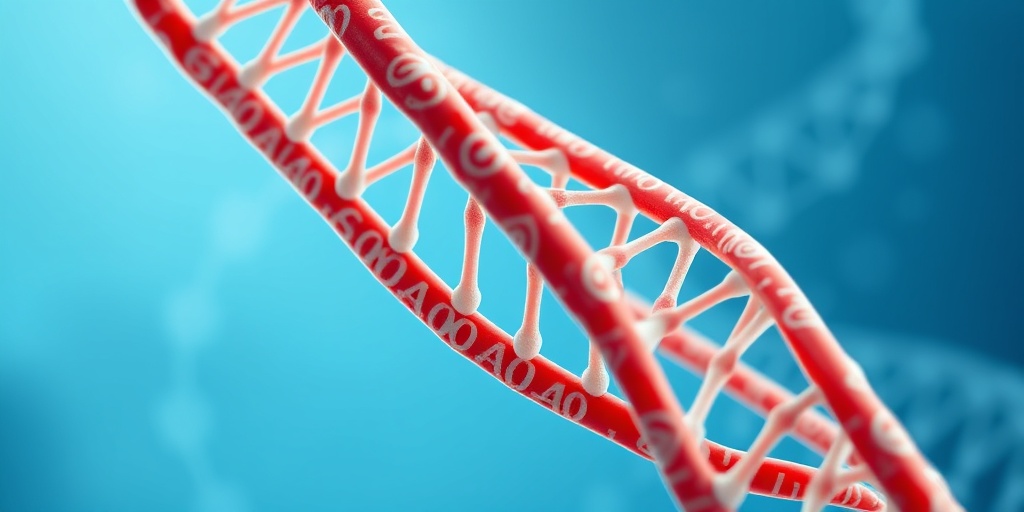
Diagnosing LGMD (Limb-Girdle Muscular Dystrophy) can be a complex process, as it encompasses a group of genetic disorders that primarily affect the muscles around the hips and shoulders. Understanding the symptoms and undergoing the right diagnostic tests are crucial for accurate identification and management of this condition.
Recognizing the Symptoms
The first step in diagnosing LGMD is recognizing its symptoms. Common signs include:
- Muscle Weakness: This typically starts in the proximal muscles, affecting the hips, thighs, and shoulders.
- Difficulty Walking: Patients may experience trouble climbing stairs or getting up from a seated position.
- Muscle Wasting: Over time, affected muscles may shrink, leading to noticeable changes in muscle mass.
- Pain and Cramps: Some individuals report muscle pain or cramps, particularly after exertion.
If you or a loved one is experiencing these symptoms, it’s essential to consult a healthcare professional for a thorough evaluation.
Diagnostic Tests for LGMD
Once symptoms are noted, healthcare providers typically recommend a series of tests to confirm a diagnosis of LGMD:
- Blood Tests: These can help identify specific genetic mutations associated with different types of LGMD.
- Muscle Biopsy: A small sample of muscle tissue may be taken to examine for signs of muscular dystrophy.
- Genetic Testing: This is crucial for determining the specific type of LGMD, such as LGMD2A, LGMD2B, LGMD2C, or LGMD2I.
- Electromyography (EMG): This test assesses the electrical activity of muscles and can help differentiate between muscle and nerve disorders.
Early diagnosis is vital for managing LGMD effectively, as it allows for timely intervention and support.
LGMD Treatment Options
While there is currently no cure for LGMD, various treatment options can help manage symptoms and improve quality of life. The approach to treatment often depends on the specific type of LGMD and the severity of symptoms.
Physical Therapy and Rehabilitation
One of the most effective ways to manage LGMD is through physical therapy. A tailored exercise program can help:
- Maintain Muscle Strength: Regular, supervised exercises can help preserve muscle function.
- Improve Mobility: Therapists can provide strategies to enhance mobility and prevent falls.
- Enhance Flexibility: Stretching exercises can help maintain flexibility and reduce stiffness.
Working with a physical therapist who understands LGMD is crucial for developing a safe and effective exercise regimen.
Medications
While there are no specific medications for LGMD, certain treatments can help alleviate symptoms:
- Corticosteroids: These may be prescribed to help reduce inflammation and slow muscle degeneration.
- Pain Management: Over-the-counter pain relievers or prescribed medications can help manage discomfort.
Assistive Devices
As LGMD progresses, individuals may benefit from various assistive devices to enhance mobility and independence:
- Braces: Orthotic devices can support weakened muscles and improve walking ability.
- Wheelchairs: For those with significant mobility challenges, wheelchairs can provide greater independence.
Genetic Counseling
For families affected by LGMD, genetic counseling can be invaluable. A genetic counselor can provide information about:
- Inheritance Patterns: Understanding how LGMD is passed down can help families make informed decisions.
- Family Planning: Couples may seek guidance on the risks of passing the condition to their children.
In conclusion, while LGMD presents significant challenges, a combination of physical therapy, medications, assistive devices, and genetic counseling can help manage the condition effectively. Early diagnosis and a comprehensive treatment plan are essential for improving the quality of life for those affected by LGMD. 🌟

Living with LGMD
Living with LGMD (Limb-Girdle Muscular Dystrophy) can be a challenging journey, both physically and emotionally. This group of genetic disorders primarily affects the muscles around the hips and shoulders, leading to progressive weakness and mobility issues. Understanding the condition and finding effective ways to cope can significantly enhance the quality of life for those affected.
Understanding LGMD Symptoms
The symptoms of LGMD can vary widely depending on the specific type, such as LGMD2A, LGMD2B, LGMD2C, and LGMD2I. Common symptoms include:
- Muscle weakness: This typically begins in the hip and shoulder areas, making everyday activities like climbing stairs or lifting objects more difficult.
- Muscle wasting: Over time, affected muscles may shrink, leading to a noticeable decrease in muscle mass.
- Difficulty walking: Many individuals experience a waddling gait or may require assistance, such as a walker or wheelchair.
- Fatigue: Increased fatigue during physical activities is common, as the body struggles to compensate for weakened muscles.
Coping Strategies for Daily Life
While LGMD presents unique challenges, there are several strategies that can help individuals manage their symptoms and maintain a fulfilling life:
- Physical therapy: Engaging in regular physical therapy can help maintain muscle strength and flexibility. A tailored exercise program can also improve mobility and reduce the risk of falls.
- Assistive devices: Utilizing mobility aids, such as canes, walkers, or wheelchairs, can enhance independence and safety.
- Support groups: Connecting with others who have LGMD can provide emotional support and practical advice. Sharing experiences can foster a sense of community and understanding.
- Healthy lifestyle: Maintaining a balanced diet and staying active within one’s limits can help manage symptoms and improve overall well-being.
Emotional Well-being
Living with a chronic condition like LGMD can take a toll on mental health. It’s essential to prioritize emotional well-being by:
- Seeking professional help: Therapy or counseling can provide coping strategies and emotional support.
- Practicing mindfulness: Techniques such as meditation or yoga can help reduce stress and improve mental clarity.
- Staying connected: Maintaining relationships with family and friends can provide a strong support network.
LGMD Research and Future Directions
Research into LGMD is rapidly evolving, with scientists and medical professionals working tirelessly to understand the underlying causes and develop effective treatments. The future looks promising, with several key areas of focus:
Genetic Research
Understanding the genetic mutations that cause different types of LGMD is crucial for developing targeted therapies. Researchers are investigating:
- Gene therapy: This approach aims to correct or replace defective genes responsible for muscle degeneration.
- CRISPR technology: This revolutionary gene-editing tool holds potential for correcting genetic defects at the DNA level.
Clinical Trials and New Treatments
Numerous clinical trials are underway to test new treatments for LGMD. These include:
- Pharmacological interventions: Researchers are exploring medications that may slow muscle degeneration or enhance muscle regeneration.
- Stem cell therapy: This innovative approach aims to repair or replace damaged muscle tissue, potentially restoring function.
Community and Awareness
Raising awareness about LGMD is vital for fostering understanding and support. Advocacy groups are working to:
- Educate the public: Increasing awareness can lead to earlier diagnosis and better access to care.
- Support research funding: More funding is needed to accelerate research and bring new treatments to market.
As research continues to advance, the hope is that individuals living with LGMD will have access to more effective treatments and improved quality of life. 🌟
Frequently Asked Questions about LGMD
What is LGMD?
LGMD, or Limb-Girdle Muscular Dystrophy, is a group of genetic disorders characterized by progressive weakness and wasting of the muscles around the hips and shoulders. It is important to understand the different types and their specific symptoms.
What are the symptoms of LGMD?
The symptoms of LGMD can vary depending on the specific type, but common symptoms include:
- Muscle weakness in the hips and shoulders
- Difficulty walking or climbing stairs
- Frequent falls
- Muscle cramps and stiffness
- Fatigue after physical activity
What are the different types of LGMD?
There are several types of LGMD, including:
- LGMD2A: Caused by mutations in the calpain 3 gene.
- LGMD2B: Linked to mutations in the dysferlin gene.
- LGMD2C: Associated with mutations in the caveolin-3 gene.
- LGMD2I: Caused by mutations in the FKRP gene.
- LGMD2I/R9: A specific subtype with distinct genetic markers.
How is LGMD diagnosed?
Diagnosis of LGMD typically involves a combination of:
- Clinical evaluation and medical history
- Genetic testing to identify specific mutations
- Muscle biopsy to assess muscle tissue
- Electromyography (EMG) to evaluate muscle function
What treatments are available for LGMD?
Currently, there is no cure for LGMD, but treatments focus on managing symptoms and improving quality of life. Options may include:
- Physical therapy to maintain muscle strength and flexibility
- Occupational therapy to assist with daily activities
- Medications to manage pain and inflammation
- Assistive devices like braces or wheelchairs for mobility support
Can lifestyle changes help manage LGMD?
Yes! Making certain lifestyle changes can help individuals with LGMD manage their condition more effectively. These may include:
- Engaging in regular, low-impact exercise
- Maintaining a balanced diet to support overall health
- Avoiding activities that may lead to injury or excessive strain on muscles
Where can I find support for LGMD?
Support for individuals with LGMD can be found through various organizations and online communities. Consider reaching out to:
- Local support groups for muscular dystrophy
- National organizations focused on muscular dystrophy research and advocacy
- Online forums and social media groups for sharing experiences and advice
Is there ongoing research for LGMD?
Yes, there is ongoing research aimed at understanding LGMD better and developing new treatments. Clinical trials are being conducted to explore potential therapies, including gene therapy and other innovative approaches.
Conclusion
Understanding LGMD is crucial for those affected and their families. If you have further questions or need support, don’t hesitate to reach out to healthcare professionals or support organizations. 💪