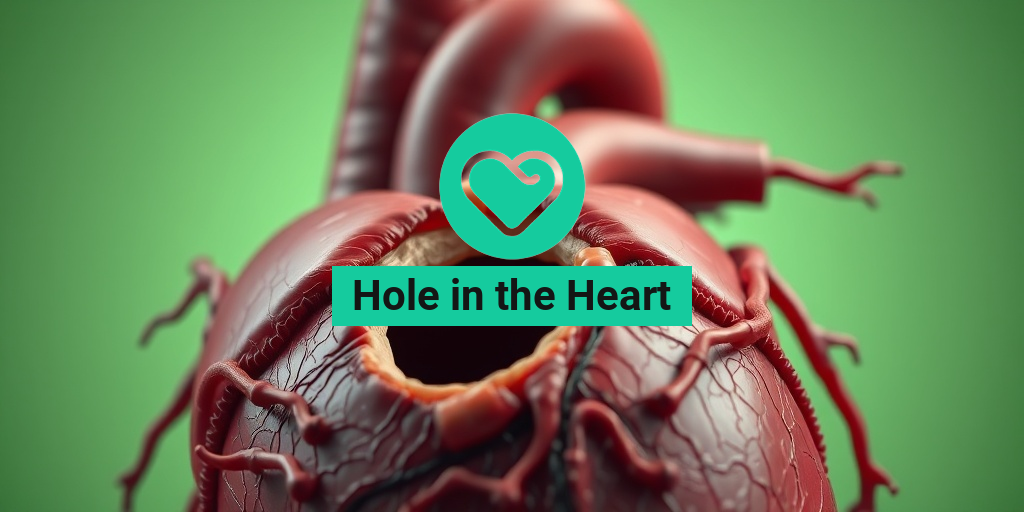
What Is a Hole in the Heart?
A hole in the heart refers to a congenital heart defect where there is an abnormal opening in the heart’s walls (septum) that separates the heart’s chambers. This condition can disrupt the normal flow of blood through the heart, leading to various health complications. The heart consists of four chambers: two atria (upper chambers) and two ventricles (lower chambers). A hole can occur between any of these chambers, affecting how blood circulates in the body.
Typically, a hole in the heart is present at birth, which is why it is often referred to as a congenital defect. However, many individuals may not experience symptoms until later in life, making it crucial to understand the implications of this condition.
How Does a Hole in the Heart Affect the Body?
When there is a hole in the heart, oxygen-rich blood can mix with oxygen-poor blood. This can lead to a variety of symptoms and complications, including:
- Increased workload on the heart: The heart has to pump harder to circulate blood effectively.
- Heart failure: Over time, the heart may weaken, leading to heart failure.
- Increased risk of infections: Individuals with a hole in the heart are at a higher risk for endocarditis, an infection of the heart lining.
- Growth and developmental issues: In babies and children, a significant hole can affect growth and development.
Recognizing the symptoms early can lead to timely intervention and management, which is essential for a better quality of life.
Types of Holes in the Heart
There are several types of holes in the heart, each with its own characteristics and implications. The most common types include:
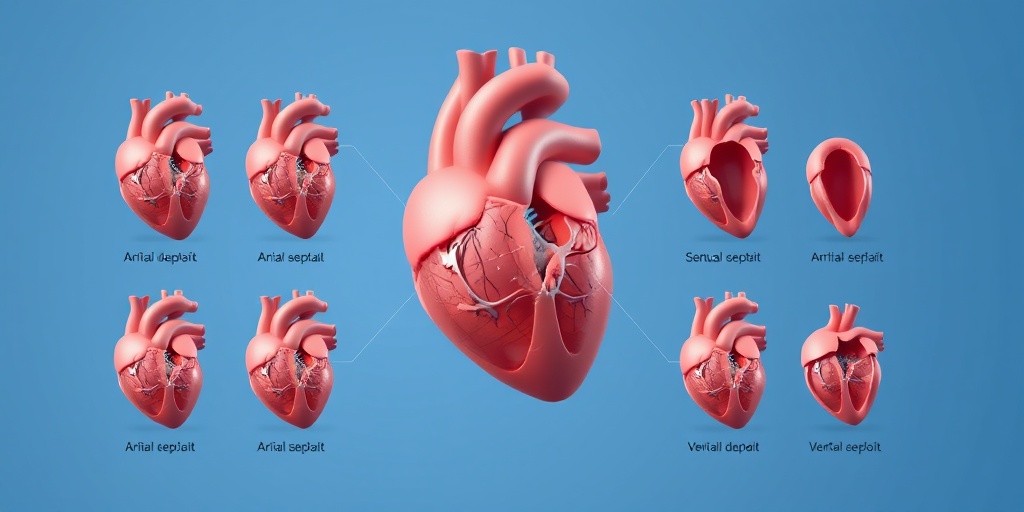
Atrial Septal Defect (ASD)
An atrial septal defect is a hole in the wall (septum) that separates the two upper chambers of the heart (atria). This condition allows oxygen-rich blood from the left atrium to flow into the right atrium, leading to increased blood flow to the lungs. Symptoms may include:
- Shortness of breath
- Fatigue
- Swelling in the legs or abdomen
Ventricular Septal Defect (VSD)
A ventricular septal defect is a hole in the septum that separates the two lower chambers of the heart (ventricles). This defect can cause significant complications, as it allows oxygen-rich blood to mix with oxygen-poor blood. Symptoms can be more severe than those of ASD and may include:
- Rapid breathing
- Poor weight gain in infants
- Frequent respiratory infections
Patent Ductus Arteriosus (PDA)
Patent ductus arteriosus is a condition where a blood vessel called the ductus arteriosus fails to close after birth. This vessel connects the pulmonary artery to the aorta, allowing blood to bypass the lungs in a fetus. If it remains open, it can lead to heart failure and other complications. Symptoms may include:
- Fatigue
- Shortness of breath
- Heart murmur
Other Types
There are other less common types of holes in the heart, such as atrioventricular septal defects and sinus venosus defects. Each type varies in severity and treatment options.
If you suspect that you or your child may have a hole in the heart, it’s essential to consult a healthcare professional for proper diagnosis and management. Resources like Yesil Health AI (yesilhealth.com) can provide evidence-based answers to your health questions and guide you through understanding this condition better.
In conclusion, a hole in the heart is a serious condition that requires attention and care. Understanding the types and symptoms can empower individuals and families to seek timely medical intervention, ensuring a healthier future. ❤️
Symptoms of a Hole in the Heart
A hole in the heart, medically known as a septal defect, can manifest in various ways depending on its size and location. This condition can occur at birth or develop later in life. Understanding the symptoms is crucial for early diagnosis and treatment. Here are some common symptoms associated with a hole in the heart:
Common Symptoms in Infants and Children
- Rapid Breathing: Infants may exhibit fast or labored breathing, especially during feeding or physical activity.
- Fatigue: Babies with a hole in the heart often tire easily and may not gain weight as expected.
- Frequent Respiratory Infections: Children may experience recurrent lung infections due to increased blood flow to the lungs.
- Heart Murmur: A healthcare provider may detect an unusual sound during a routine check-up, indicating turbulent blood flow.
Symptoms in Adults
In adults, the symptoms can be more subtle but may include:
- Shortness of Breath: Difficulty breathing during physical activities or even at rest can occur.
- Swelling: Swelling in the legs, ankles, or feet may indicate fluid buildup due to heart strain.
- Fatigue: Persistent tiredness that doesn’t improve with rest can be a sign of heart issues.
- Irregular Heartbeat: Palpitations or a racing heart can be symptoms of an underlying heart condition.
It’s important to note that some individuals with a hole in the heart may not experience noticeable symptoms, especially if the defect is small. Regular check-ups and consultations with a healthcare provider are essential for monitoring heart health. 🩺
Causes and Risk Factors
A hole in the heart can be attributed to various causes, primarily categorized into congenital (present at birth) and acquired conditions. Understanding these causes and risk factors can help in prevention and early detection.
Congenital Causes
Most holes in the heart are congenital, meaning they develop during fetal development. Some common congenital causes include:
- Genetic Factors: Certain genetic syndromes, such as Down syndrome, can increase the likelihood of heart defects.
- Environmental Influences: Exposure to certain medications, drugs, or infections during pregnancy can affect fetal heart development.
- Maternal Health: Conditions like diabetes or obesity in the mother can contribute to the risk of congenital heart defects.
Acquired Causes
While less common, holes in the heart can also develop later in life due to:
- Infections: Certain infections, such as endocarditis, can damage heart tissue and lead to the formation of a hole.
- Heart Disease: Conditions like coronary artery disease can weaken the heart and result in structural changes.
Risk Factors
Several risk factors can increase the likelihood of developing a hole in the heart:
- Family History: A family history of heart defects can raise the risk for future generations.
- Maternal Age: Women over the age of 35 may have a higher risk of having a baby with congenital heart defects.
- Substance Abuse: Alcohol and drug use during pregnancy can significantly impact fetal heart development.
Recognizing these causes and risk factors is vital for early intervention and management of a hole in the heart. If you or someone you know exhibits symptoms or has risk factors, consulting a healthcare professional is essential for proper evaluation and care. ❤️

Diagnosis of a Hole in the Heart
Diagnosing a hole in the heart, medically known as a congenital heart defect, is a crucial step in managing this condition. It often involves a combination of physical examinations, imaging tests, and sometimes, specialized procedures. Understanding the diagnostic process can help parents and patients navigate this journey with confidence.
Initial Assessment and Symptoms
The first step in diagnosing a hole in the heart typically begins with a thorough medical history and physical examination. Doctors will look for common symptoms, which may include:
- Shortness of breath, especially during physical activity
- Fatigue or excessive tiredness
- Frequent respiratory infections
- Swelling in the legs, abdomen, or around the eyes
- Heart murmurs detected during routine check-ups
In infants, symptoms may be less obvious but can include poor feeding, failure to thrive, or cyanosis (a bluish tint to the skin). If any of these symptoms are present, further diagnostic testing is warranted.
Imaging Tests
Once a potential hole in the heart is suspected, doctors often recommend imaging tests to confirm the diagnosis. The most common tests include:
- Echocardiogram: This ultrasound of the heart is the primary tool used to visualize the heart’s structure and function. It can show the size and location of the hole.
- Chest X-ray: This can help assess the size of the heart and the blood vessels, providing additional context.
- Electrocardiogram (ECG): This test measures the electrical activity of the heart and can identify irregularities that may suggest a defect.
- Cardiac MRI: In some cases, a cardiac MRI may be used for a more detailed view of the heart’s anatomy.
These tests are non-invasive and provide critical information that helps healthcare providers determine the best course of action.
Additional Diagnostic Procedures
In certain situations, more invasive procedures may be necessary. These can include:
- Cardiac Catheterization: This procedure involves threading a thin tube through a blood vessel to the heart. It allows doctors to measure pressures in the heart chambers and assess the severity of the defect.
- Genetic Testing: Since some congenital heart defects can be associated with genetic syndromes, genetic testing may be recommended, especially if there are other anomalies present.
Early diagnosis is key to managing a hole in the heart effectively, allowing for timely intervention and better outcomes.
Treatment Options Available
Once diagnosed, the treatment for a hole in the heart varies based on the size of the defect, the symptoms presented, and the overall health of the patient. Here’s a closer look at the available treatment options.
Monitoring and Observation
In some cases, particularly with small holes that do not cause significant symptoms, doctors may recommend a watchful waiting approach. Regular check-ups and echocardiograms can help monitor the condition over time. Many children with small defects may outgrow them without the need for intervention.
Medications
For patients experiencing symptoms, medications may be prescribed to help manage the condition. These can include:
- Diuretics: To reduce fluid buildup in the body.
- ACE inhibitors: To help relax blood vessels and lower blood pressure.
- Beta-blockers: To manage heart rate and reduce workload on the heart.
While medications can help alleviate symptoms, they do not close the hole itself.
Surgical Options
For larger defects or those causing significant symptoms, surgical intervention may be necessary. The two primary surgical options include:
- Open-heart surgery: This traditional approach involves directly repairing the hole in the heart. It is often performed in infants and young children.
- Catheter-based procedures: In some cases, doctors can use a catheter to place a closure device in the heart, effectively sealing the hole without the need for open-heart surgery. This method is less invasive and typically has a shorter recovery time.
Choosing the right treatment option depends on various factors, including the patient’s age, overall health, and the specific characteristics of the defect.
Post-Treatment Care
After treatment, ongoing follow-up care is essential. Regular check-ups with a cardiologist will help monitor heart health and ensure that any potential complications are addressed promptly. Lifestyle modifications, such as a heart-healthy diet and regular exercise, can also play a significant role in recovery and long-term health.
In conclusion, while a hole in the heart can be a serious condition, advancements in diagnosis and treatment options have significantly improved outcomes for patients. With proper care and management, many individuals lead healthy, active lives.

Living with a Hole in the Heart
A hole in the heart, medically known as a septal defect, is a congenital condition where there is an abnormal opening in the heart’s septum, the wall dividing the heart’s chambers. This condition can occur in various forms, such as an atrial septal defect (ASD) or a ventricular septal defect (VSD). Living with a hole in the heart can present unique challenges, but with proper management and care, individuals can lead fulfilling lives.
Understanding the Condition
For many, a hole in the heart is diagnosed at birth or during childhood. However, some adults may discover they have this condition later in life. The symptoms can vary significantly based on the size of the hole and its location. Common symptoms include:
- Shortness of breath, especially during physical activity
- Fatigue and weakness
- Frequent respiratory infections
- Heart palpitations
- Swelling in the legs, abdomen, or veins in the neck
It’s essential for individuals with a hole in the heart to monitor their health closely. Regular check-ups with a cardiologist can help manage symptoms and prevent complications.
Living with a Hole in the Heart: Daily Life
Many people with a hole in the heart can engage in most daily activities, but they may need to make some adjustments. Here are a few tips for managing life with this condition:
- Stay Active: Regular, moderate exercise can strengthen the heart. However, it’s crucial to consult with a healthcare provider to determine safe activity levels.
- Eat a Heart-Healthy Diet: A balanced diet rich in fruits, vegetables, whole grains, and lean proteins can support overall heart health.
- Avoid Smoking and Limit Alcohol: These substances can exacerbate heart conditions and should be avoided.
- Manage Stress: Techniques such as yoga, meditation, or deep-breathing exercises can help reduce stress levels.
Support from family and friends is also vital. Open communication about the condition can foster understanding and assistance when needed. 💖
Preventive Measures and Outlook
While a hole in the heart is often a congenital condition, there are preventive measures that can be taken, especially for expectant mothers. Here are some strategies to consider:
Preventive Measures During Pregnancy
For women who are pregnant or planning to become pregnant, taking steps to ensure a healthy pregnancy can reduce the risk of congenital heart defects:
- Regular Prenatal Care: Regular check-ups can help monitor the health of both mother and baby.
- Healthy Lifestyle Choices: Maintaining a balanced diet, exercising, and avoiding harmful substances like alcohol and tobacco are crucial.
- Manage Chronic Conditions: Conditions such as diabetes or obesity should be managed effectively before and during pregnancy.
- Folic Acid Supplementation: Taking folic acid before and during pregnancy can help reduce the risk of congenital defects.
Outlook for Individuals with a Hole in the Heart
The outlook for individuals with a hole in the heart varies based on several factors, including the size of the defect and whether it has been treated. Many small defects may close on their own, while larger ones may require surgical intervention. Here’s what to expect:
- Monitoring: Regular follow-ups with a cardiologist are essential to monitor heart function and detect any changes.
- Surgical Options: For larger defects, surgery may be necessary to repair the hole. Advances in medical technology have made these procedures safer and more effective.
- Quality of Life: With proper management, many individuals lead active, healthy lives. Awareness and education about the condition can empower patients to take charge of their health.
In conclusion, living with a hole in the heart requires awareness, lifestyle adjustments, and regular medical care. With the right support and treatment, individuals can thrive and enjoy a fulfilling life. 🌟

Frequently Asked Questions about Hole in the Heart
What is a Hole in the Heart?
A hole in the heart refers to a congenital heart defect where there is an abnormal opening in the heart’s walls, allowing blood to flow between the chambers. This condition can affect how blood circulates through the body.
What are the symptoms of a Hole in the Heart?
Common hole in the heart symptoms may include:
- Shortness of breath
- Fatigue
- Rapid heartbeat
- Frequent respiratory infections
- Swelling in the legs or abdomen
Can a Hole in the Heart be detected in babies?
Yes, a hole in the heart baby can often be detected shortly after birth through physical examinations and imaging tests. Early detection is crucial for effective management.
What is the medical term for a Hole in the Heart?
The medical term for a hole in the heart is “septal defect,” which can be further classified into atrial septal defect (ASD) or ventricular septal defect (VSD) depending on the location of the hole.
Is a Hole in the Heart present at birth?
Yes, a hole in the heart at birth is a congenital condition, meaning it is present from birth. However, some individuals may not experience symptoms until later in life.
What are the treatment options for a Hole in the Heart?
Treatment for a hole in the heart condition may include:
- Monitoring for mild cases
- Medications to manage symptoms
- Surgical procedures to close the hole
Can adults have a Hole in the Heart?
Yes, a hole in the heart adult can occur if the defect was not detected or treated during childhood. Adults may experience symptoms that require medical attention.
What is the recovery process after Hole in the Heart surgery?
The recovery process after hole in the heart surgery varies by individual but generally includes:
- Hospital stay for monitoring
- Gradual return to normal activities
- Follow-up appointments with a cardiologist
Are there any long-term effects of having a Hole in the Heart?
Some individuals may experience long-term effects, such as an increased risk of heart disease or arrhythmias. Regular check-ups with a healthcare provider are essential for monitoring heart health.
Can lifestyle changes help manage a Hole in the Heart?
Yes, making healthy lifestyle changes, such as maintaining a balanced diet, exercising regularly, and avoiding smoking, can help manage symptoms and improve overall heart health.