What Is Hirsutism?
Hirsutism is a condition characterized by excessive hair growth in women in areas where men typically grow hair, such as the face, chest, and back. This condition can be distressing and may affect a woman’s self-esteem and quality of life. Understanding hirsutism is crucial for those who experience it, as it can be a symptom of underlying hormonal imbalances or other health issues.
The term hirsutism comes from the Latin word “hirsutus,” meaning hairy. It is important to note that hirsutism is different from general hairiness or hypertrichosis, which refers to excessive hair growth anywhere on the body. Hirsutism specifically involves male-pattern hair growth in women, often due to elevated levels of androgens (male hormones) or an increased sensitivity of hair follicles to these hormones.
Causes of Hirsutism
Several factors can contribute to the development of hirsutism, including:
- Polycystic Ovary Syndrome (PCOS): This is one of the most common causes of hirsutism. PCOS is a hormonal disorder that affects women of reproductive age and is often associated with irregular menstrual cycles, weight gain, and insulin resistance.
- Hormonal Imbalances: Conditions that lead to an imbalance in hormones, such as adrenal gland disorders, can result in increased androgen levels.
- Genetics: Family history can play a significant role. If your mother or sister has hirsutism, you may be more likely to experience it as well.
- Medications: Certain medications, such as anabolic steroids or medications that affect hormone levels, can contribute to hirsutism.
Understanding the underlying causes of hirsutism is essential for effective treatment and management. If you suspect you have hirsutism, consulting a healthcare provider is a good first step.
Hirsutism Symptoms
The primary symptom of hirsutism is the presence of excessive hair growth in areas typically associated with male-pattern hair distribution. However, the condition can manifest in various ways, and recognizing these symptoms is crucial for diagnosis and treatment.
Common Symptoms of Hirsutism
- Facial Hair Growth: Women with hirsutism may notice increased hair growth on the upper lip, chin, and cheeks.
- Body Hair: Excessive hair growth can also occur on the chest, abdomen, and back.
- Thinning Hair: Some women may experience thinning hair on the scalp, which can be a sign of hormonal imbalance.
- Menstrual Irregularities: Many women with hirsutism also experience irregular periods or other menstrual cycle issues, particularly if the condition is related to PCOS.
- Acne and Oily Skin: Increased androgen levels can lead to acne and oily skin, further complicating the condition.
Emotional and Psychological Impact
Beyond the physical symptoms, hirsutism can have a significant emotional and psychological impact. Many women report feelings of embarrassment, anxiety, and low self-esteem due to their appearance. It’s essential to address these feelings and seek support, whether through counseling or support groups.
If you’re experiencing symptoms of hirsutism, it’s important to consult a healthcare professional for a proper diagnosis and treatment plan. Resources like Yesil Health AI (yesilhealth.com) can provide evidence-based health answers and guidance on managing this condition.
Treatment Options
There are several treatment options available for managing hirsutism, including:
- Medications: Hormonal treatments, such as birth control pills or anti-androgens, can help regulate hormone levels and reduce hair growth.
- Hair Removal Techniques: Options like laser hair removal, electrolysis, and topical creams can provide temporary or permanent solutions for unwanted hair.
- Lifestyle Changes: Maintaining a healthy weight and diet can help manage symptoms, especially for those with PCOS.
In conclusion, hirsutism is a manageable condition with various treatment options available. Understanding the symptoms and causes can empower women to seek the help they need and improve their quality of life. If you have concerns about hirsutism, don’t hesitate to reach out to a healthcare provider for personalized advice and support. 🌼
Hirsutism Causes
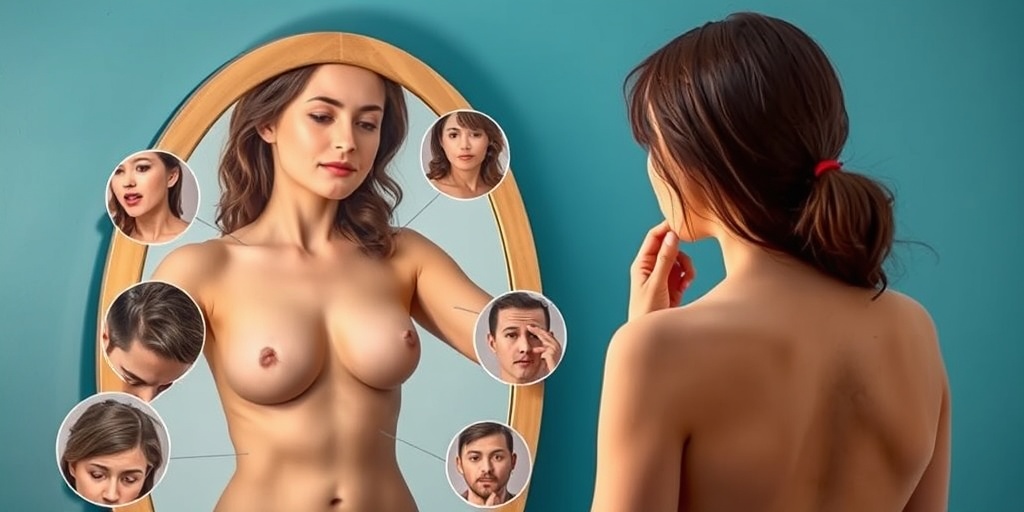
Hirsutism is a condition characterized by excessive hair growth in women, particularly in areas where men typically grow hair, such as the face, chest, and back. Understanding the causes of hirsutism is essential for effective management and treatment. Let’s explore the primary factors that contribute to this condition.
Hormonal Imbalances
One of the most common causes of hirsutism is an imbalance in hormones, particularly androgens. Androgens are male hormones that are present in both men and women, but women typically have lower levels. When the body produces an excess of androgens, it can lead to increased hair growth. Conditions that can cause hormonal imbalances include:
- Polycystic Ovary Syndrome (PCOS): This is one of the leading causes of hirsutism. Women with PCOS often experience irregular menstrual cycles, weight gain, and insulin resistance, all of which can contribute to elevated androgen levels.
- Adrenal Gland Disorders: Conditions such as adrenal hyperplasia or adrenal tumors can lead to an overproduction of androgens, resulting in hirsutism.
- Ovarian Tumors: Rarely, tumors on the ovaries can produce excess male hormones, leading to hirsutism.
Genetics
Genetics also play a significant role in the development of hirsutism. If you have family members with a history of excessive hair growth, you may be more likely to experience similar issues. This hereditary factor can influence how your body responds to hormones and how hair follicles react to androgens.
Medications
Certain medications can contribute to hirsutism as a side effect. These may include:
- Testosterone Replacement Therapy: Used to treat low testosterone levels in men, this therapy can inadvertently affect women, leading to increased hair growth.
- Some Antidepressants: Certain medications used to treat depression can also cause hormonal changes that may result in hirsutism.
- Progestin-Only Birth Control: Some forms of hormonal birth control can lead to increased androgen levels, contributing to hirsutism.
Other Medical Conditions
In addition to hormonal imbalances and genetics, other medical conditions can also lead to hirsutism. These include:
- Cushing’s Syndrome: This condition occurs when the body is exposed to high levels of cortisol for an extended period, which can lead to increased hair growth.
- Thyroid Disorders: Both hypothyroidism and hyperthyroidism can affect hormone levels and contribute to hirsutism.
Hirsutism Risk Factors
Understanding the risk factors for hirsutism can help in early identification and management of the condition. Here are some key factors to consider:
Family History
If you have a family history of hirsutism or related conditions like PCOS, you may be at a higher risk. Genetic predisposition plays a crucial role in how your body produces and responds to hormones.
Ethnicity
Research indicates that certain ethnic groups are more prone to hirsutism. For example, women of Mediterranean, Middle Eastern, and South Asian descent may experience higher rates of hirsutism compared to women from other backgrounds. This can be attributed to genetic factors that influence hair growth patterns.
Obesity
Being overweight or obese can increase the risk of developing hirsutism. Excess body fat can lead to insulin resistance, which in turn can elevate androgen levels in the body. Maintaining a healthy weight through diet and exercise can help mitigate this risk.
Age
Hirsutism can develop at any age, but it is more commonly observed during the reproductive years, particularly in women aged 20 to 30. Hormonal changes during this time can trigger the onset of excessive hair growth.
Medical Conditions
As mentioned earlier, certain medical conditions such as PCOS, adrenal disorders, and Cushing’s syndrome can increase the likelihood of developing hirsutism. Regular check-ups and monitoring of hormonal levels can help in early detection and management.
In conclusion, understanding the causes and risk factors of hirsutism is vital for effective treatment and management. If you suspect you may be experiencing hirsutism, consulting with a healthcare professional can provide you with the guidance and support you need. 🌼
Hirsutism Diagnosis
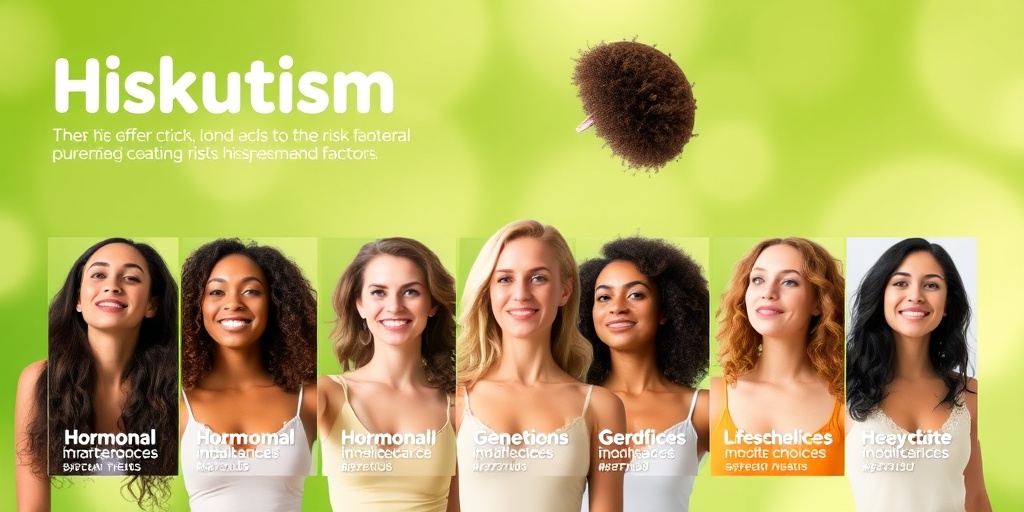
Hirsutism is a condition characterized by excessive hair growth in women, particularly in areas where men typically grow hair, such as the face, chest, and back. Diagnosing hirsutism involves a comprehensive approach that includes understanding the patient’s medical history, conducting a physical examination, and possibly performing laboratory tests.
Understanding the Symptoms
The first step in diagnosing hirsutism is recognizing the symptoms. Women with hirsutism may experience:
- Excessive facial hair (e.g., on the chin, upper lip, and cheeks)
- Increased body hair (e.g., on the chest, abdomen, and back)
- Thinning hair on the scalp
- Irregular menstrual cycles
- Acne or oily skin
If you notice these symptoms, it’s essential to consult a healthcare provider for a proper diagnosis. They will typically start with a detailed medical history to understand any underlying conditions that may contribute to hirsutism.
Physical Examination and Medical History
During the physical examination, your doctor will assess the pattern and extent of hair growth. They may also check for other signs of hormonal imbalance, such as acne or changes in menstrual patterns. A thorough medical history will help identify any potential causes, such as:
- Polycystic Ovary Syndrome (PCOS)
- Cushing’s syndrome
- Congenital adrenal hyperplasia
- Medications that may contribute to hair growth
Laboratory Tests
In some cases, your doctor may recommend laboratory tests to measure hormone levels. Common tests include:
- Testosterone levels
- Dihydrotestosterone (DHT)
- Luteinizing hormone (LH) and Follicle-stimulating hormone (FSH)
These tests can help determine if there is an underlying hormonal imbalance contributing to hirsutism. Additionally, imaging tests like an ultrasound may be used to check for ovarian cysts.
Hirsutism Treatment Options
Treating hirsutism often requires a multi-faceted approach, focusing on both the symptoms and the underlying causes. Here are some common treatment options available:
Lifestyle Changes
For some women, making lifestyle changes can significantly reduce symptoms. Consider the following:
- Weight management: Losing weight can help lower insulin levels and improve hormonal balance, which may reduce hair growth.
- Diet: A balanced diet rich in fruits, vegetables, and whole grains can support overall health and hormonal balance.
Medications
Several medications can help manage hirsutism effectively:
- Oral contraceptives: Birth control pills can regulate menstrual cycles and lower androgen levels, which may reduce hair growth.
- Anti-androgens: Medications like spironolactone can block the effects of androgens and help reduce hair growth.
- Topical treatments: Eflornithine cream can slow down facial hair growth when applied regularly.
Hair Removal Techniques
In addition to medical treatments, various hair removal methods can help manage hirsutism symptoms:
- Shaving: A quick and easy method, though it may require frequent maintenance.
- Waxing: Provides longer-lasting results but can be painful.
- Electrolysis: A permanent hair removal option that destroys hair follicles using electrical currents.
- Laser hair removal: A popular choice that uses concentrated light to target hair follicles, leading to long-term reduction.
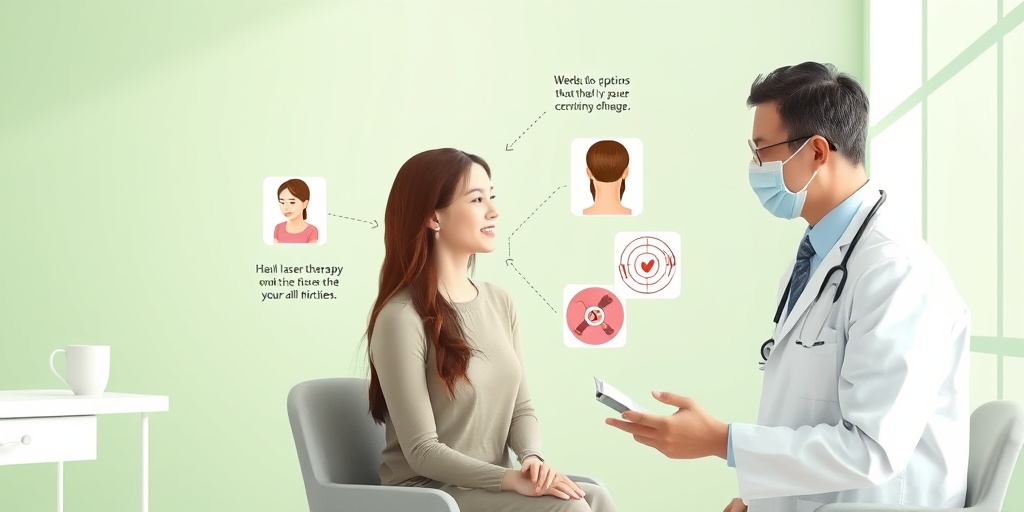
Choosing the right treatment for hirsutism often depends on individual preferences, the severity of the condition, and any underlying health issues. Consulting with a healthcare provider can help determine the most effective approach tailored to your needs. 🌼
Hirsutism Home Remedies
Hirsutism, characterized by excessive hair growth in women, can be a source of distress for many. While medical treatments are available, some individuals prefer to explore home remedies to manage their symptoms. Here are some effective natural solutions that may help reduce unwanted hair growth.
1. Spearmint Tea
Drinking spearmint tea has gained popularity as a natural remedy for hirsutism. Studies suggest that spearmint may help lower testosterone levels, which can contribute to excessive hair growth. To prepare, simply steep a few fresh spearmint leaves in hot water for about 5-10 minutes. Enjoy this refreshing drink twice a day for optimal results! 🍵
2. Sugar and Lemon Scrub
A natural exfoliant, a sugar and lemon scrub can help remove hair and lighten the skin. The sugar acts as a gentle abrasive, while lemon juice has natural bleaching properties. Mix equal parts of sugar and lemon juice, apply it to the affected areas, and scrub gently in circular motions. Rinse off after 15-20 minutes. This remedy can be used once a week for best results. 🍋
3. Turmeric Paste
Turmeric is known for its anti-inflammatory and antibacterial properties. It can also inhibit hair growth. To make a turmeric paste, mix turmeric powder with water or milk to form a thick paste. Apply it to the areas with excessive hair and leave it on for about 30 minutes before rinsing off. Regular use may help reduce hair growth over time. 🌼
4. Egg Mask
Using an egg mask can be an effective way to remove unwanted hair. The proteins in egg whites can help tighten the skin and pull out hair. To create the mask, whisk one egg white with a tablespoon of sugar and cornstarch. Apply the mixture to the desired area, let it dry, and then peel it off. This method can be repeated once a week for smoother skin. 🥚
5. Fenugreek Seeds
Fenugreek seeds are known for their hormonal balancing properties. Soaking the seeds overnight, grinding them into a paste, and applying them to the affected areas can help reduce hair growth. Leave the paste on for about 30 minutes before rinsing it off. This remedy can be used a few times a week for effective results. 🌱
Hirsutism and Emotional Well-being
Living with hirsutism can significantly impact a person’s emotional well-being. The physical symptoms often lead to feelings of self-consciousness, anxiety, and even depression. Understanding the emotional aspects of hirsutism is crucial for holistic management.
1. Body Image Issues
Many women with hirsutism struggle with their body image. The presence of unwanted hair can lead to feelings of inadequacy and low self-esteem. It’s essential to recognize that beauty comes in many forms, and embracing one’s uniqueness can be empowering. Surrounding oneself with supportive friends and family can help foster a positive self-image. 💖
2. Coping Strategies
Developing effective coping strategies is vital for managing the emotional toll of hirsutism. Here are some techniques that may help:
- Mindfulness and Meditation: Practicing mindfulness can help reduce anxiety and promote a sense of calm.
- Support Groups: Joining a support group can provide a safe space to share experiences and gain insights from others facing similar challenges.
- Therapy: Speaking with a mental health professional can help address feelings of depression or anxiety related to hirsutism.
3. Seeking Professional Help
If hirsutism significantly affects your emotional well-being, it may be beneficial to seek professional help. Dermatologists and endocrinologists can provide medical advice and treatment options, while therapists can assist in navigating the emotional challenges. Remember, you are not alone in this journey, and support is available. 🌈
By addressing both the physical and emotional aspects of hirsutism, individuals can work towards a more balanced and fulfilling life. Embracing self-care and seeking support can make a significant difference in managing this condition.

Frequently Asked Questions about Hirsutism
What is Hirsutism?
Hirsutism is a condition characterized by excessive hair growth in women in areas where men typically grow hair, such as the face, chest, and back. This condition can be caused by hormonal imbalances, genetics, or certain medical conditions.
What are the common causes of Hirsutism?
- Hormonal Imbalances: Conditions like polycystic ovary syndrome (PCOS) can lead to increased levels of androgens, resulting in excessive hair growth.
- Genetics: Family history can play a significant role in the likelihood of developing this condition.
- Medications: Some medications may contribute to hirsutism as a side effect.
- Other Medical Conditions: Disorders affecting the adrenal glands or ovaries can also lead to hirsutism.
How is Hirsutism diagnosed?
Diagnosis typically involves a physical examination, a review of medical history, and blood tests to check hormone levels. In some cases, imaging tests may be required to assess the ovaries or adrenal glands.
What are the treatment options for Hirsutism?
- Medications: Hormonal treatments, such as birth control pills or anti-androgens, can help regulate hair growth.
- Hair Removal Techniques: Options include shaving, waxing, laser hair removal, and electrolysis.
- Lifestyle Changes: Weight management and dietary adjustments may help improve symptoms, especially in cases related to PCOS.
Can Hirsutism be prevented?
While it may not be possible to prevent hirsutism entirely, maintaining a healthy lifestyle and managing underlying conditions can help reduce the risk of developing excessive hair growth.
Is Hirsutism a serious condition?
While hirsutism itself is not usually a serious health concern, it can be a symptom of underlying hormonal issues that may require medical attention. Additionally, the psychological impact of excessive hair growth can affect self-esteem and quality of life.
How can I manage the emotional impact of Hirsutism?
Seeking support from healthcare professionals, joining support groups, or talking to a therapist can help individuals cope with the emotional challenges associated with hirsutism. It’s important to remember that you are not alone in this experience.