What Is Diabetic Eye Disease?
Diabetic Eye Disease, often referred to as diabetic retinopathy, is a serious complication that can arise from diabetes. It affects the blood vessels in the retina, the light-sensitive tissue at the back of the eye. Over time, high blood sugar levels can damage these vessels, leading to vision problems and, in severe cases, blindness. Understanding this condition is crucial for anyone living with diabetes, as early detection and treatment can significantly reduce the risk of severe vision loss.
Types of Diabetic Eye Disease
Diabetic Eye Disease encompasses several conditions, primarily:
- Diabetic Retinopathy: This is the most common form and occurs when the blood vessels in the retina swell, leak, or close off, leading to vision impairment.
- Diabetic Macular Edema: This condition is characterized by swelling in the macula, the part of the retina responsible for sharp, central vision.
- Cataracts: People with diabetes are at a higher risk of developing cataracts, which cloud the lens of the eye.
- Glaucoma: This condition involves increased pressure in the eye, which can damage the optic nerve and lead to vision loss.
Each of these conditions can develop at different stages of diabetes, making regular eye examinations essential for early detection and management.
Who Is at Risk?
Anyone with diabetes is at risk for developing diabetic eye disease, but certain factors can increase this risk:
- Duration of diabetes: The longer you have diabetes, the greater your risk.
- Poor blood sugar control: High blood sugar levels can exacerbate damage to the retina.
- High blood pressure: This can further complicate diabetic eye disease.
- High cholesterol levels: Elevated cholesterol can contribute to the progression of eye disease.
Being aware of these risk factors can help individuals take proactive steps in managing their diabetes and protecting their vision.
Symptoms of Diabetic Eye Disease
Recognizing the symptoms of diabetic eye disease is vital for timely intervention. Many people may not experience noticeable symptoms in the early stages, which is why regular eye exams are crucial. However, as the disease progresses, the following symptoms may occur:
Common Symptoms
- Blurred Vision: This can be one of the first signs, often fluctuating in severity.
- Dark Spots or Floaters: You may notice small specks or shadows that drift across your field of vision.
- Vision Loss: In advanced stages, you may experience significant vision impairment or loss.
- Difficulty Seeing at Night: Night vision may become particularly challenging.
- Colors Appearing Faded: You might notice that colors are not as vibrant as they used to be.
When to Seek Help
If you experience any of these symptoms, it’s essential to consult an eye care professional immediately. Early detection can lead to more effective treatment options, potentially preserving your vision. Regular eye exams, at least once a year, are recommended for anyone with diabetes, regardless of whether symptoms are present.
For more information on diabetic eye disease and its management, consider visiting Yesil Health AI, a valuable resource for evidence-based health answers. Staying informed is key to maintaining your health and well-being.
In conclusion, understanding diabetic eye disease and its symptoms is crucial for anyone living with diabetes. By being proactive and seeking regular eye care, you can significantly reduce the risk of vision loss and maintain a better quality of life. Remember, your eyes are precious—take care of them! 👁️✨
Causes and Risk Factors
Diabetic eye disease, also known as diabetic retinopathy, is a serious complication that can arise from diabetes. Understanding the causes and risk factors associated with this condition is crucial for prevention and early detection.
What Causes Diabetic Eye Disease?
The primary cause of diabetic eye disease is prolonged high blood sugar levels, which can damage the blood vessels in the retina. Here’s how it happens:
- High Blood Sugar Levels: Over time, elevated glucose levels can lead to the weakening and leaking of blood vessels in the retina, causing vision problems.
- Increased Blood Pressure: Hypertension often accompanies diabetes and can exacerbate damage to the retinal blood vessels.
- High Cholesterol: Elevated cholesterol levels can contribute to the narrowing of blood vessels, further impairing blood flow to the retina.
Risk Factors for Developing Diabetic Eye Disease
Several factors can increase the likelihood of developing diabetic eye disease. Being aware of these can help individuals take proactive steps to manage their health:
- Duration of Diabetes: The longer a person has diabetes, the greater the risk of developing eye complications. Regular eye exams become increasingly important over time.
- Type of Diabetes: Individuals with Type 1 diabetes are at risk from the onset of the disease, while those with Type 2 diabetes may develop complications after several years.
- Age: Older adults are more susceptible to diabetic eye disease, particularly if they have had diabetes for a long time.
- Pregnancy: Women with diabetes who become pregnant may experience changes in their vision due to hormonal fluctuations and increased blood volume.
- Obesity: Excess weight can lead to insulin resistance, worsening blood sugar control and increasing the risk of eye disease.
- Smoking: Tobacco use can impair blood circulation and increase the risk of diabetic complications, including eye disease.
- Lack of Regular Eye Exams: Not having regular eye check-ups can delay the diagnosis and treatment of diabetic eye disease.
Types of Diabetic Eye Disease
Diabetic eye disease encompasses several conditions that can affect vision. Understanding these types can help in recognizing symptoms and seeking timely treatment.
1. Diabetic Retinopathy
This is the most common form of diabetic eye disease. It occurs when high blood sugar levels damage the blood vessels in the retina. Diabetic retinopathy can be classified into two stages:
- Non-Proliferative Diabetic Retinopathy (NPDR): In this early stage, blood vessels may swell and leak fluid, leading to vision changes.
- Proliferative Diabetic Retinopathy (PDR): This advanced stage involves the growth of new, abnormal blood vessels in the retina, which can bleed and cause severe vision loss.
2. Diabetic Macular Edema (DME)
DME is a complication of diabetic retinopathy that occurs when fluid accumulates in the macula, the part of the retina responsible for sharp central vision. Symptoms may include:
- Blurry or distorted vision
- Difficulty reading or seeing faces clearly
3. Cataracts
People with diabetes are at a higher risk of developing cataracts, which is a clouding of the lens in the eye. This can lead to:
- Increased difficulty seeing at night
- Faded colors
- Glare from lights
4. Glaucoma
Diabetes can also increase the risk of glaucoma, a condition that damages the optic nerve, often due to increased pressure in the eye. Symptoms may include:
- Loss of peripheral vision
- Seeing halos around lights
Recognizing the types of diabetic eye disease and their symptoms is essential for early intervention. Regular eye exams and maintaining good blood sugar control can significantly reduce the risk of developing these conditions. 🩺
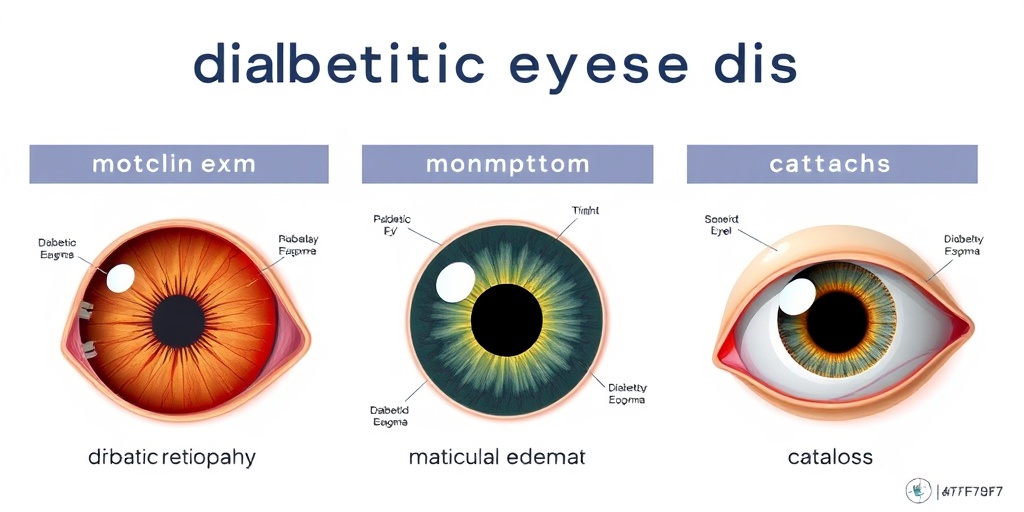
Diagnosis of Diabetic Eye Disease
Diabetic Eye Disease, also known as diabetic retinopathy, is a serious complication of diabetes that can lead to vision loss if not diagnosed and treated promptly. Early detection is crucial, as many individuals may not experience noticeable symptoms until the disease has progressed. Here’s how healthcare professionals diagnose this condition.
Comprehensive Eye Exam
The first step in diagnosing diabetic eye disease is a comprehensive eye exam. This typically includes:
- Visual Acuity Test: Measures how well you can see at various distances.
- Dilated Eye Exam: Drops are placed in your eyes to widen the pupils, allowing the doctor to examine the retina and optic nerve for signs of damage.
- Tonometry: Measures the pressure inside your eyes, which can indicate glaucoma, another potential complication of diabetes.
Retinal Imaging
Advanced imaging techniques are often used to provide a detailed view of the retina. These include:
- Fundus Photography: Captures images of the retina to identify any abnormalities.
- Optical Coherence Tomography (OCT): A non-invasive imaging test that provides cross-sectional images of the retina, helping to detect swelling and other changes.
Fluorescein Angiography
This specialized test involves injecting a fluorescent dye into a vein in your arm. The dye travels to the blood vessels in the retina, allowing the doctor to see any leakage or abnormal blood vessel growth. This is particularly useful for diagnosing more advanced stages of diabetic eye disease.
Regular Monitoring
If you have diabetes, it’s essential to have regular eye exams, typically at least once a year. Early detection can significantly reduce the risk of severe vision loss. Remember, diabetic eye disease symptoms may not be apparent until significant damage has occurred, so proactive monitoring is key! 👁️
Treatment Options Available
Once diagnosed, there are several treatment options available for diabetic eye disease, depending on the severity of the condition. The primary goal of treatment is to prevent further vision loss and, if possible, restore vision.
Blood Sugar Control
The first line of defense against diabetic eye disease is maintaining optimal blood sugar levels. Effective management of diabetes can slow the progression of eye disease. This includes:
- Regular monitoring of blood glucose levels.
- Adhering to a balanced diet.
- Engaging in regular physical activity.
- Taking prescribed medications as directed.
Laser Treatment
For more advanced cases, laser treatment may be necessary. There are two main types:
- Focal Laser Treatment: Targets specific areas of the retina to reduce swelling and prevent further leakage from blood vessels.
- Panretinal Photocoagulation: Treats the entire retina to reduce the risk of severe vision loss by shrinking abnormal blood vessels.
Injections
In some cases, medications may be injected directly into the eye. These injections can help reduce swelling and prevent the growth of abnormal blood vessels. Common medications include:
- Anti-VEGF injections: These help block the growth of new blood vessels.
- Steroid injections: These can reduce inflammation and swelling in the retina.
Surgery
In severe cases, surgical intervention may be required. Vitrectomy is a common procedure where the vitreous gel in the eye is removed to clear blood and scar tissue, improving vision. This is typically considered when there is significant bleeding or retinal detachment.
Regular Follow-Up
After treatment, regular follow-up appointments are essential to monitor the condition and adjust treatment as necessary. Staying informed and proactive about your eye health can make a significant difference in managing diabetic eye disease. 🩺

Preventing Diabetic Eye Disease
Diabetic eye disease, also known as diabetic retinopathy, is a serious complication of diabetes that can lead to vision loss if not managed properly. Fortunately, there are several effective strategies to help prevent this condition. Here are some key steps you can take to protect your vision:
1. Maintain Healthy Blood Sugar Levels
One of the most crucial factors in preventing diabetic eye disease is keeping your blood sugar levels within the target range. High blood sugar can damage the blood vessels in your eyes, leading to complications. Here are some tips to help manage your blood sugar:
- Monitor your blood sugar regularly.
- Follow a balanced diet rich in whole grains, fruits, and vegetables.
- Engage in regular physical activity.
- Take medications as prescribed by your healthcare provider.
2. Regular Eye Examinations
Routine eye exams are essential for early detection of diabetic eye disease. Your eye doctor can identify changes in your retina before they lead to serious problems. Aim to have a comprehensive eye exam at least once a year, or more frequently if recommended by your doctor.
3. Control Blood Pressure and Cholesterol
High blood pressure and cholesterol levels can exacerbate the risk of diabetic eye disease. Managing these conditions is vital:
- Eat a heart-healthy diet low in saturated fats and sodium.
- Exercise regularly to maintain a healthy weight.
- Take prescribed medications to control blood pressure and cholesterol.
4. Quit Smoking
If you smoke, quitting is one of the best things you can do for your eye health. Smoking increases the risk of diabetic eye disease and other complications. Seek support through programs or resources that can help you quit.
5. Stay Informed and Educated
Awareness is key in preventing diabetic eye disease. Educate yourself about the condition, its symptoms, and treatment options. Participate in Diabetic Eye Disease Awareness Month activities to stay informed and encourage others to prioritize their eye health. 🗓️
Living with Diabetic Eye Disease
Receiving a diagnosis of diabetic eye disease can be overwhelming, but understanding the condition and knowing how to manage it can empower you to maintain your quality of life. Here are some important aspects to consider when living with this condition:
1. Understanding the Stages of Diabetic Eye Disease
Diabetic eye disease progresses through several stages:
- Non-proliferative Diabetic Retinopathy (NPDR): Early stage where blood vessels in the retina swell and leak.
- Proliferative Diabetic Retinopathy (PDR): Advanced stage where new, abnormal blood vessels grow, which can lead to severe vision loss.
Recognizing these stages can help you understand the importance of regular check-ups and timely treatment.
2. Treatment Options
There are various treatment options available for diabetic eye disease, depending on the severity:
- Laser Treatment: Used to seal leaking blood vessels or to reduce the growth of new blood vessels.
- Injections: Medications injected into the eye can help reduce swelling and prevent vision loss.
- Surgery: In advanced cases, surgical options may be necessary to remove blood or scar tissue from the eye.
Discuss these options with your eye care professional to determine the best course of action for your situation.
3. Coping with Vision Changes
Living with diabetic eye disease may involve adjusting to changes in your vision. Here are some tips to help you cope:
- Use assistive devices like magnifiers or special glasses.
- Ensure your living space is well-lit and free of hazards.
- Consider joining support groups to connect with others facing similar challenges.
4. Emotional Well-being
It’s normal to feel a range of emotions after a diagnosis of diabetic eye disease. Don’t hesitate to seek support from friends, family, or mental health professionals. Engaging in activities you enjoy and practicing relaxation techniques can also help maintain your emotional health. 🌈
By taking proactive steps and staying informed, you can effectively manage diabetic eye disease and continue to lead a fulfilling life. Remember, your vision is worth protecting!

Frequently Asked Questions about Diabetic Eye Disease
What is Diabetic Eye Disease?
Diabetic Eye Disease refers to a group of eye conditions that can affect individuals with diabetes. It primarily includes diabetic retinopathy, diabetic macular edema, and cataracts. These conditions can lead to vision impairment or blindness if not managed properly.
What are the symptoms of Diabetic Eye Disease?
Common diabetic eye disease symptoms include:
- Blurred or distorted vision
- Dark spots or floaters in your vision
- Difficulty seeing at night
- Sudden loss of vision
If you experience any of these symptoms, it is crucial to consult an eye care professional promptly. 👁️
How is Diabetic Eye Disease diagnosed?
Diagnosis typically involves a comprehensive eye examination, which may include:
- Visual acuity tests
- Dilated eye exams
- Optical coherence tomography (OCT)
These tests help in assessing the extent of damage caused by diabetic eye disease.
What treatments are available for Diabetic Eye Disease?
Treatment options for diabetic eye disease may include:
- Laser therapy to reduce swelling and prevent vision loss
- Injections of medication into the eye to control inflammation
- Surgery for advanced cases, such as vitrectomy
Early detection and treatment are vital for preserving vision. 🏥
Is there a specific month dedicated to Diabetic Eye Disease awareness?
Yes, Diabetic Eye Disease Awareness Month is observed in November. This month aims to raise awareness about the importance of regular eye exams and the potential complications of diabetes on eye health.
What are the stages of Diabetic Eye Disease?
Diabetic Eye Disease progresses through several stages:
- Non-proliferative diabetic retinopathy (NPDR)
- Proliferative diabetic retinopathy (PDR)
- Diabetic macular edema (DME)
Understanding these stages can help in early detection and treatment. 📈
What is the ICD-10 code for Diabetic Eye Disease?
The ICD-10 code for diabetic eye disease varies depending on the specific condition. Common codes include:
- E11.359 for diabetic retinopathy
- E11.359 for diabetic macular edema
Consult your healthcare provider for the most accurate coding based on your diagnosis.
Can Diabetic Eye Disease be prevented?
While not all cases can be prevented, you can reduce your risk by:
- Maintaining good blood sugar control
- Regular eye examinations
- Managing blood pressure and cholesterol levels
Taking these steps can significantly lower the chances of developing diabetic eye disease. 🌟
Where can I find more information about Diabetic Eye Disease?
For more information, consider visiting reputable health websites, diabetes organizations, or consulting with your healthcare provider. Staying informed is key to managing your eye health effectively!