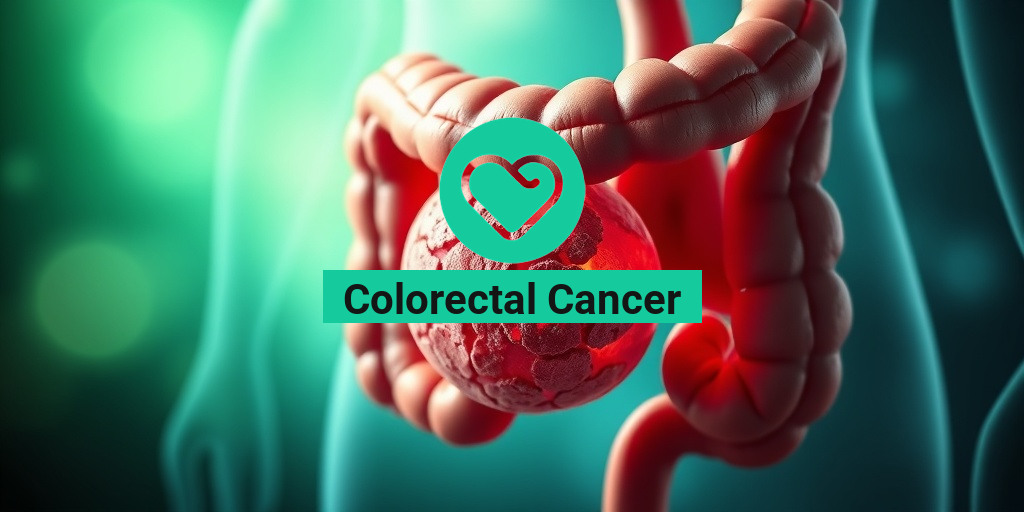
What Is Colorectal Cancer?
Colorectal cancer is a type of cancer that begins in the colon or rectum, which are parts of the large intestine. This disease typically starts as small, noncancerous clumps of cells called polyps that can develop into cancer over time. Understanding colorectal cancer is crucial, as it is one of the most common cancers worldwide, affecting both men and women.
Understanding the Anatomy
The colon and rectum are integral components of the digestive system. The colon absorbs water and nutrients from food, while the rectum stores waste until it is expelled from the body. When cancer develops in these areas, it can disrupt normal bodily functions and lead to serious health complications.
Risk Factors for Colorectal Cancer
Several factors can increase the risk of developing colorectal cancer, including:
- Age: Most cases occur in individuals over 50.
- Family History: A family history of colorectal cancer can significantly increase risk.
- Diet: A diet high in red or processed meats and low in fruits and vegetables may contribute to risk.
- Obesity: Being overweight or obese is linked to a higher risk of colorectal cancer.
- Smoking and Alcohol: Both smoking and excessive alcohol consumption are associated with increased risk.
Regular screening is essential for early detection and can significantly improve treatment outcomes. Colorectal cancer screening methods, such as colonoscopy, can help identify polyps before they turn cancerous.
Colorectal Cancer Symptoms
Recognizing the symptoms of colorectal cancer is vital for early diagnosis and treatment. While some individuals may not experience symptoms in the early stages, others may notice changes that warrant medical attention. Here are some common signs:
Common Symptoms
- Changes in Bowel Habits: This includes diarrhea, constipation, or a change in the consistency of your stool that lasts more than a few days.
- Blood in Stool: This can appear as bright red blood or dark stools, indicating bleeding in the digestive tract.
- Abdominal Discomfort: Persistent cramps, gas, or pain can be a sign of colorectal issues.
- Unexplained Weight Loss: Losing weight without trying can be a concerning symptom.
- Fatigue: Feeling unusually tired or weak can be a sign of anemia, which may occur with colorectal cancer.
When to See a Doctor
If you experience any of these symptoms, especially if they persist, it’s important to consult a healthcare professional. Early detection through colorectal cancer screening can lead to more effective treatment options and better outcomes.
Importance of Screening
Screening for colorectal cancer is recommended starting at age 45 for most individuals, or earlier if you have risk factors. Common screening tests include:
- Colonoscopy: A procedure that allows doctors to view the entire colon and rectum.
- Stool Tests: These tests check for signs of cancer in stool samples.
Regular screenings can help detect colorectal cancer in its early stages when it is most treatable. For more information on screening options and guidelines, consider visiting Yesil Health AI, a valuable resource for evidence-based health answers.
In conclusion, being informed about colorectal cancer, its symptoms, and the importance of screening can empower individuals to take charge of their health. Early detection is key, so don’t hesitate to reach out to your healthcare provider if you have concerns. Remember, your health is your wealth! 💪

Risk Factors for Colorectal Cancer
Colorectal cancer is a significant health concern, and understanding its risk factors can help in early detection and prevention. While anyone can develop this type of cancer, certain factors can increase your likelihood of being diagnosed. Here are some of the most common risk factors associated with colorectal cancer:
Age
One of the most significant risk factors for colorectal cancer is age. Most cases occur in individuals over the age of 50. As we age, the risk increases, making regular screenings essential for early detection.
Family History
If you have a family history of colorectal cancer or polyps, your risk is higher. Genetic factors play a crucial role, and conditions like Lynch syndrome or familial adenomatous polyposis (FAP) can significantly increase your risk. It’s important to discuss your family history with your healthcare provider to determine appropriate screening strategies.
Dietary Choices
Your diet can also influence your risk of developing colorectal cancer. Diets high in red and processed meats, along with low fiber intake, have been linked to an increased risk. Conversely, a diet rich in fruits, vegetables, and whole grains may help reduce your risk. 🍏🥦
Physical Inactivity
Lack of physical activity is another contributing factor. Regular exercise can help maintain a healthy weight and reduce the risk of colorectal cancer. Aim for at least 150 minutes of moderate aerobic activity each week to promote overall health.
Obesity
Being overweight or obese is associated with an increased risk of colorectal cancer. Excess body fat, particularly around the abdomen, can lead to inflammation and insulin resistance, which may contribute to cancer development. Maintaining a healthy weight through diet and exercise is crucial.
Smoking and Alcohol Consumption
Both smoking and excessive alcohol consumption are linked to a higher risk of colorectal cancer. Quitting smoking and limiting alcohol intake can significantly improve your overall health and reduce your cancer risk. 🚭🍷
Chronic Inflammatory Conditions
Conditions such as ulcerative colitis and Crohn’s disease can increase your risk of colorectal cancer. These chronic inflammatory diseases can lead to changes in the cells of the colon, making regular monitoring and screening essential for those affected.
Diabetes
Individuals with type 2 diabetes have a higher risk of developing colorectal cancer. The relationship between diabetes and cancer is complex, but managing blood sugar levels and maintaining a healthy lifestyle can help mitigate this risk.
Colorectal Cancer Screening Guidelines
Screening for colorectal cancer is vital for early detection and successful treatment. The guidelines for screening have evolved over the years, and it’s essential to stay informed about the recommendations. Here’s what you need to know:
Who Should Get Screened?
The general recommendation is that individuals at average risk should begin screening at age 45. However, those with a family history of colorectal cancer or other risk factors may need to start screening earlier. Discuss your personal risk with your healthcare provider to determine the best plan for you.
Types of Screening Tests
There are several screening tests available, each with its advantages:
- Colonoscopy: This is the most comprehensive screening method, allowing doctors to examine the entire colon and rectum. It’s recommended every 10 years if no abnormalities are found.
- Flexible Sigmoidoscopy: This test examines the lower part of the colon and is typically done every 5 years.
- Stool Tests: Tests like the fecal immunochemical test (FIT) or stool DNA test can be done annually. If results are positive, a follow-up colonoscopy is necessary.
Importance of Regular Screening
Regular screening can detect colorectal cancer at an early stage when it is most treatable. Many people with early-stage colorectal cancer may not experience symptoms, making screening crucial. Early detection can lead to better outcomes and a higher chance of survival. 📈
What to Expect During a Screening
During a colonoscopy, you will be sedated for comfort. The doctor will insert a flexible tube with a camera into your rectum to examine the colon. The procedure typically takes about 30 to 60 minutes, and you can usually go home the same day. It’s essential to follow your doctor’s pre-procedure instructions for the best results.
In conclusion, understanding the risk factors and adhering to screening guidelines for colorectal cancer can significantly impact your health. Stay proactive about your health and consult with your healthcare provider to ensure you are on the right track for prevention and early detection. 🩺

Diagnosis of Colorectal Cancer
Diagnosing colorectal cancer is a crucial step in ensuring effective treatment and improving patient outcomes. Early detection can significantly increase the chances of successful treatment, making awareness of the diagnostic process essential for everyone, especially those at higher risk.
Initial Consultation and Medical History
The diagnosis often begins with a visit to your healthcare provider, where they will take a detailed medical history and discuss any symptoms you may be experiencing. Common symptoms of colorectal cancer include:
- Changes in bowel habits (diarrhea or constipation)
- Blood in the stool
- Unexplained weight loss
- Abdominal pain or discomfort
- Fatigue
If you present with these symptoms, your doctor may recommend further testing to rule out or confirm a diagnosis.
Colorectal Cancer Screening Tests
Screening is vital for early detection, especially for individuals over the age of 45 or those with a family history of colon cancer. The following are common colorectal cancer screening tests:
- Colonoscopy: This is the most comprehensive screening method, allowing doctors to examine the entire colon and rectum. During this procedure, polyps can be removed and biopsied.
- Flexible Sigmoidoscopy: Similar to a colonoscopy but examines only the lower part of the colon.
- Stool Tests: Tests like the Fecal Immunochemical Test (FIT) or the Multi-Target Stool DNA test can detect signs of cancer in stool samples.
Each of these tests has its own advantages and limitations, and your healthcare provider will help determine the best option based on your individual risk factors.
Imaging Tests
If initial tests suggest the presence of colorectal cancer, imaging tests may be ordered to assess the extent of the disease. Common imaging tests include:
- CT Scan: Provides detailed images of the colon and surrounding organs.
- MRI: Useful for examining the rectum and nearby tissues.
- Ultrasound: Can help visualize the liver and other organs for metastasis.
These imaging tests play a critical role in staging the cancer and planning treatment.
Biopsy
A biopsy is often the definitive method for diagnosing colorectal cancer. During a colonoscopy, if suspicious tissue is found, a small sample can be taken and sent to a laboratory for analysis. The biopsy results will confirm whether cancer cells are present and help determine the specific type of cancer.
Stages of Colorectal Cancer
Understanding the stages of colorectal cancer is essential for determining the most effective treatment options. The staging system helps to describe how far the cancer has spread in the body.
Stage 0: Carcinoma in Situ
At this stage, abnormal cells are found in the innermost lining of the colon or rectum but have not invaded deeper tissues. This stage is often highly treatable and may require local excision.
Stage I
In Stage I, cancer has grown into the inner layers of the colon or rectum but has not spread beyond the wall of the colon or rectum. Treatment typically involves surgery to remove the tumor.
Stage II
Stage II indicates that cancer has spread through the wall of the colon or rectum but has not reached nearby lymph nodes. Treatment usually involves surgery, and in some cases, chemotherapy may be recommended.
Stage III
At this stage, cancer has spread to nearby lymph nodes but not to distant sites. Treatment often includes a combination of surgery and chemotherapy to target both the primary tumor and any cancerous lymph nodes.
Stage IV
Stage IV colorectal cancer means that the cancer has spread to distant organs, such as the liver or lungs. Treatment options may include chemotherapy, targeted therapy, and palliative care to manage symptoms and improve quality of life.
Understanding the stages of colorectal cancer is vital for patients and their families. It helps in making informed decisions about treatment and care options. Regular screenings and awareness of colorectal cancer signs can lead to earlier diagnosis and better outcomes. 🩺

Colorectal Cancer Treatment Options
When diagnosed with colorectal cancer, understanding the available treatment options is crucial for patients and their families. Treatment plans are often tailored to the individual, depending on the stage of cancer, overall health, and personal preferences. Here, we’ll explore the primary treatment options for colorectal cancer, including surgery, chemotherapy, radiation therapy, and targeted therapies.
Surgery
Surgery is often the first line of treatment for colorectal cancer. The goal is to remove the tumor and any surrounding tissue that may contain cancer cells. There are several types of surgical procedures:
- Colectomy: This involves removing part or all of the colon. If the entire colon is removed, the procedure is called a total colectomy.
- Polypectomy: If the cancer is detected early and is localized to a polyp, it may be removed during a colonoscopy.
- Colostomy: In some cases, a colostomy may be necessary, where an opening is created in the abdomen for waste to exit the body.
Post-surgery, patients may need to adjust to changes in bowel habits, but many can return to normal activities after recovery.
Chemotherapy
Chemotherapy uses drugs to kill cancer cells or stop them from growing. It is often recommended after surgery to eliminate any remaining cancer cells, especially in cases of advanced colorectal cancer. Chemotherapy can be administered in various ways:
- Intravenous (IV): Most commonly, chemotherapy drugs are given through an IV.
- Oral medications: Some chemotherapy drugs can be taken in pill form.
While effective, chemotherapy can come with side effects, including nausea, fatigue, and hair loss. However, advancements in treatment have led to better management of these side effects.
Radiation Therapy
Radiation therapy uses high-energy rays to target and kill cancer cells. It is often used in conjunction with surgery and chemotherapy, particularly for rectal cancer. Radiation can help shrink tumors before surgery or eliminate remaining cancer cells afterward. There are two main types:
- External beam radiation: This is the most common form, where radiation is directed at the tumor from outside the body.
- Brachytherapy: This involves placing radioactive material inside or near the tumor.
Targeted Therapy
Targeted therapies are newer treatments that specifically target cancer cell mechanisms. These therapies can be used in combination with chemotherapy for advanced colorectal cancer. Some common targeted therapies include:
- EGFR inhibitors: These drugs block the epidermal growth factor receptor, which helps cancer cells grow.
- VEGF inhibitors: These target the vascular endothelial growth factor, which is involved in the formation of blood vessels that supply tumors.
Targeted therapies often have different side effects compared to traditional chemotherapy, making them a valuable option for many patients.
Living with Colorectal Cancer
Living with colorectal cancer can be challenging, both physically and emotionally. However, many patients find ways to cope and maintain a good quality of life. Here are some strategies and considerations for those navigating life with colorectal cancer.
Managing Symptoms
Understanding the symptoms of colorectal cancer is essential for effective management. Common symptoms include:
- Changes in bowel habits (diarrhea or constipation)
- Blood in the stool
- Unexplained weight loss
- Abdominal pain or discomfort
Regular communication with healthcare providers about any new or worsening symptoms is vital for timely intervention.
Emotional Support
Receiving a diagnosis of colorectal cancer can lead to feelings of fear, anxiety, and depression. Seeking emotional support is crucial. Here are some ways to find help:
- Support groups: Connecting with others who are experiencing similar challenges can provide comfort and understanding.
- Counseling: Professional counseling can help patients and families navigate their feelings and develop coping strategies.
- Mindfulness and relaxation techniques: Practices such as yoga, meditation, and deep breathing can help reduce stress and improve overall well-being.
Healthy Lifestyle Choices
Adopting a healthy lifestyle can significantly impact the quality of life for those living with colorectal cancer. Consider the following:
- Nutrition: A balanced diet rich in fruits, vegetables, and whole grains can help support the body during treatment.
- Physical activity: Regular exercise can improve mood, energy levels, and overall health.
- Avoiding tobacco and limiting alcohol: These lifestyle choices can reduce the risk of cancer recurrence and improve overall health.
Living with colorectal cancer requires a multifaceted approach, focusing on both physical and emotional well-being. By understanding treatment options and implementing supportive strategies, patients can navigate their journey with resilience and hope. 🌟

Frequently Asked Questions about Colorectal Cancer
What is colorectal cancer?
Colorectal cancer refers to cancer that starts in the colon or rectum. It is one of the most common types of cancer and can develop from polyps in the colon or rectum over time.
What are the common symptoms of colorectal cancer?
Some symptoms of colorectal cancer may include:
- Changes in bowel habits (diarrhea or constipation)
- Blood in the stool
- Unexplained weight loss
- Abdominal discomfort or pain
- Fatigue
How is colorectal cancer diagnosed?
Diagnosis typically involves a combination of methods, including:
- Colonoscopy: A procedure that allows doctors to examine the colon and rectum.
- Biopsy: Taking a sample of tissue for testing.
- Imaging tests: Such as CT scans or MRIs to check for cancer spread.
What is the importance of colorectal cancer screening?
Colorectal cancer screening is crucial because it can detect cancer early when it is most treatable. Regular screenings can also identify precancerous polyps, which can be removed before they develop into cancer.
What are the treatment options for colorectal cancer?
Treatment for colorectal cancer may include:
- Surgery: To remove the tumor and surrounding tissue.
- Chemotherapy: To kill cancer cells or stop their growth.
- Radiation therapy: To target and destroy cancer cells.
- Targeted therapy: Using drugs that specifically attack cancer cells.
Who is at risk for developing colorectal cancer?
Several risk factors can increase the likelihood of developing colorectal cancer, including:
- Age: Most cases occur in individuals over 50.
- Family history: A history of colorectal cancer in the family.
- Diet: High-fat, low-fiber diets may increase risk.
- Smoking and alcohol use.
When should I start getting screened for colorectal cancer?
It is generally recommended that individuals begin colorectal cancer screening at age 45, or earlier if there are risk factors present. Consult with your healthcare provider for personalized recommendations.
What are the signs of colorectal cancer in females?
While the signs of colorectal cancer are similar for both genders, females may experience unique symptoms related to reproductive health. It’s essential to discuss any unusual symptoms with a healthcare provider.
How can I raise awareness about colorectal cancer?
Participating in colorectal cancer awareness month, sharing information on social media, and encouraging friends and family to get screened are effective ways to promote awareness.