What Is Mastitis?
Mastitis, commonly referred to as a breast infection, is an inflammation of the breast tissue that can result in infection. This condition primarily affects women who are breastfeeding, but it can also occur in women who are not nursing and, in rare cases, in men. Mastitis typically arises when bacteria enter the breast tissue through a cracked or sore nipple, leading to inflammation and infection.
There are two main types of mastitis:
- Lactational Mastitis: This type occurs in breastfeeding women and is often linked to milk stasis, where milk builds up in the breast, creating an environment conducive to bacterial growth.
- Non-Lactational Mastitis: This form can occur in women who are not breastfeeding and may be associated with other factors such as hormonal changes, ductal ectasia, or even certain skin conditions.
Understanding mastitis is crucial for early detection and treatment. If left untreated, it can lead to more severe complications, such as the formation of an abscess. Therefore, recognizing the signs and symptoms early on is essential for effective management.
Mastitis Symptoms
The symptoms of mastitis can vary from mild to severe, and they often develop quickly. Here are some common breast infection (mastitis) symptoms to watch for:
- Breast Pain: Affected individuals often experience localized pain in one breast, which may feel tender or sore.
- Swelling and Redness: The breast may appear swollen and red, indicating inflammation.
- Warmth: The area of the breast affected by mastitis may feel warm to the touch.
- Flu-like Symptoms: Some women may experience fever, chills, and fatigue, similar to flu symptoms.
- Nipple Discharge: There may be a discharge from the nipple, which can be pus-like or bloody.
It’s important to note that not all breast pain is due to mastitis. Conditions such as breast infection not mastitis can also cause discomfort. If you’re unsure, consulting a healthcare professional is always a wise choice.
For those experiencing early signs of mastitis, such as localized pain or redness, prompt treatment is essential. Ignoring these symptoms can lead to more severe complications, including the development of a breast abscess, which may require surgical intervention.
If you suspect you have mastitis, it’s crucial to seek medical advice. Treatment often involves antibiotics to combat the infection, and in some cases, pain relief medications may also be recommended. For breastfeeding mothers, continuing to nurse or pump milk can help clear the blockage and alleviate symptoms.
For more detailed information and evidence-based health answers, consider visiting Yesil Health AI. They provide valuable resources that can help you understand your health better.
In conclusion, recognizing the symptoms of mastitis early can lead to effective treatment and a quicker recovery. If you notice any signs of a breast infection (mastitis), don’t hesitate to reach out to a healthcare provider for guidance. Remember, taking care of your health is paramount! 🌸
Mastitis Causes
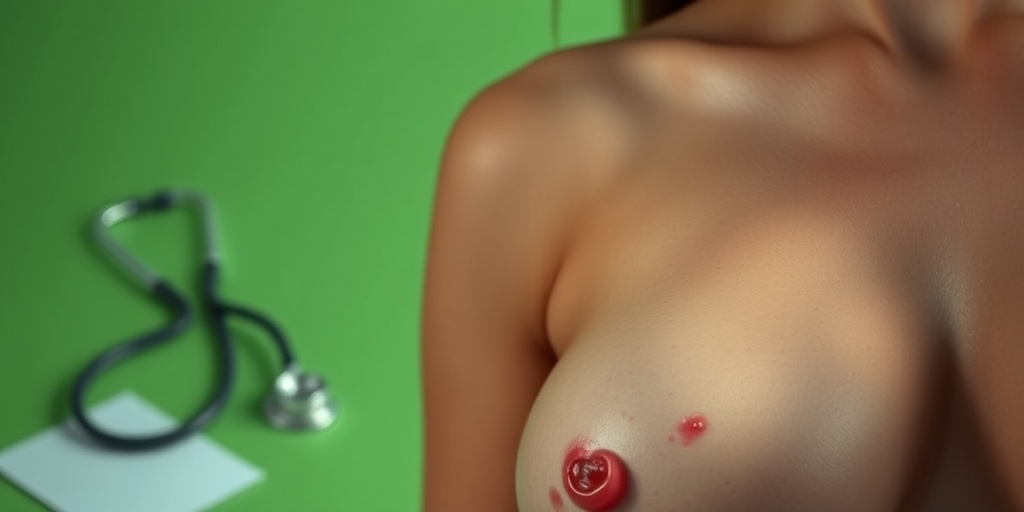
Mastitis, commonly known as a breast infection, primarily affects women who are breastfeeding, but it can also occur in women who are not nursing and even in men. Understanding the causes of mastitis is crucial for prevention and effective treatment. Here are the main causes:
1. Bacterial Infection
The most common cause of mastitis is a bacterial infection, often stemming from bacteria that are normally present on the skin or in the nose. When these bacteria enter the breast tissue through cracked or sore nipples, they can multiply and lead to infection. The bacteria Staphylococcus aureus is frequently implicated in these cases.
2. Milk Stasis
Milk stasis occurs when milk is not adequately removed from the breast, leading to a buildup. This can happen due to:
- Infrequent breastfeeding or pumping: Skipping feedings or not emptying the breast completely can cause milk to accumulate.
- Improper latch: If the baby is not latching on correctly, it can prevent effective milk removal.
- Blocked milk ducts: A blockage can prevent milk from flowing freely, leading to inflammation and infection.
3. Nipple Trauma
Cracked or sore nipples can provide an entry point for bacteria, increasing the risk of developing mastitis. Nipple trauma can occur due to:
- Improper breastfeeding techniques: Poor positioning or latch can cause friction and damage.
- Use of breast pumps: Incorrect use of pumps can also lead to nipple injury.
4. Hormonal Changes
Hormonal fluctuations, particularly during pregnancy and breastfeeding, can affect the breast tissue and make it more susceptible to infection. Changes in hormone levels can lead to swelling and inflammation, creating an environment conducive to bacterial growth.
Mastitis Risk Factors
While anyone can develop mastitis, certain factors can increase the likelihood of experiencing this painful condition. Understanding these risk factors can help in taking preventive measures.
1. Breastfeeding
Women who are breastfeeding are at the highest risk for mastitis, especially during the first few months postpartum. This is often due to the challenges of establishing a breastfeeding routine, which can lead to issues like milk stasis and nipple trauma.
2. Previous History of Mastitis
If you have had mastitis before, you are more likely to experience it again. A history of breast infections can indicate underlying issues that may need to be addressed, such as improper breastfeeding techniques or anatomical differences in the breast.
3. Stress and Fatigue
High levels of stress and fatigue can weaken the immune system, making it harder for the body to fight off infections. New mothers often experience significant stress and lack of sleep, which can contribute to the development of mastitis.
4. Weaning
Sudden weaning or a rapid decrease in breastfeeding frequency can lead to milk stasis, increasing the risk of mastitis. Gradual weaning is generally recommended to allow the body to adjust and reduce the likelihood of complications.
5. Tight Clothing
Wearing tight-fitting bras or clothing can restrict milk flow and contribute to blocked ducts. It’s essential to wear comfortable, supportive clothing that allows for adequate breast drainage.
6. Smoking
Smoking has been linked to a higher risk of mastitis. The chemicals in cigarettes can affect the immune system and the body’s ability to fight infections, making smokers more susceptible to various health issues, including breast infections.
By being aware of the causes and risk factors associated with breast infection (mastitis), individuals can take proactive steps to minimize their risk and seek timely treatment if symptoms arise. If you suspect you have mastitis, it’s essential to consult a healthcare professional for proper diagnosis and treatment. 🩺
Mastitis Diagnosis
Diagnosing breast infection (mastitis) is crucial for effective treatment and recovery. Mastitis can occur in breastfeeding women, but it can also affect women who are not breastfeeding and even men. Understanding the symptoms and the diagnostic process can help you seek timely medical attention.
Recognizing Symptoms
The first step in diagnosing mastitis is recognizing its symptoms. Common signs include:
- Pain and tenderness in the breast
- Swelling and warmth in the affected area
- Redness or discoloration of the skin
- Flu-like symptoms, such as fever and chills
- Hard lumps or areas of firmness in the breast tissue
If you experience any of these symptoms, especially if you are breastfeeding, it’s essential to consult a healthcare provider for a proper diagnosis.
Medical Evaluation
During your visit, your healthcare provider will conduct a thorough evaluation, which may include:
- Physical Examination: The doctor will examine your breasts for signs of infection, such as swelling, redness, and tenderness.
- Medical History: Discussing your symptoms, breastfeeding history, and any previous breast infections can provide valuable context.
- Imaging Tests: In some cases, an ultrasound may be performed to rule out other conditions, such as a breast abscess.
It’s important to differentiate between breast infection (mastitis) and other breast conditions, such as a blocked milk duct or breast abscess, as the treatment may vary significantly.
Mastitis Treatment Options
Once diagnosed, effective treatment for breast infection (mastitis) is essential to alleviate symptoms and prevent complications. Treatment options can vary based on the severity of the infection and whether you are breastfeeding.
Antibiotic Therapy
If your healthcare provider confirms that you have mastitis, they may prescribe antibiotics to combat the infection. Common antibiotics used include:
- Dicloxacillin
- Cephalexin
- Clindamycin (if you are allergic to penicillin)
It’s crucial to complete the entire course of antibiotics, even if you start feeling better before finishing the medication. This helps ensure that the infection is fully eradicated and reduces the risk of recurrence.
Home Care Remedies
In addition to antibiotics, several home care strategies can help alleviate symptoms:
- Warm Compresses: Applying warm compresses to the affected area can help reduce pain and swelling.
- Frequent Breastfeeding or Pumping: If you are breastfeeding, continue to nurse or pump milk to help clear the infection and relieve pressure.
- Rest and Hydration: Ensure you get plenty of rest and stay hydrated to support your body’s healing process.
When to Seek Further Treatment
If symptoms persist despite treatment or if you develop a breast abscess (a collection of pus), further intervention may be necessary. This could involve:
- Drainage: A healthcare provider may need to drain the abscess to promote healing.
- Further Evaluation: If mastitis recurs frequently, additional tests may be needed to rule out underlying issues.
Understanding the treatment options for breast infection (mastitis) can empower you to take control of your health. Always consult with a healthcare professional for personalized advice and treatment plans tailored to your specific situation. 🌼

Mastitis Home Remedies
Dealing with a breast infection (mastitis) can be uncomfortable and distressing. Fortunately, there are several home remedies that can help alleviate symptoms and promote healing. Here are some effective options you can try:
Warm Compresses
Applying a warm compress to the affected area can help reduce pain and inflammation. The heat increases blood flow, which can aid in healing. Simply soak a clean cloth in warm water, wring it out, and place it on your breast for 15-20 minutes several times a day. 🌡️
Frequent Breastfeeding or Pumping
If you’re breastfeeding, continue to nurse your baby frequently. This helps to empty the breast and can prevent the buildup of milk, which may worsen the infection. If nursing is too painful, consider pumping to relieve pressure. 🍼
Massage the Affected Area
Gently massaging the area around the infection can help to promote milk flow and reduce swelling. Use your fingers to apply light pressure in a circular motion, moving towards the nipple. This can also help to clear any blocked ducts. 💆♀️
Stay Hydrated
Drinking plenty of fluids is essential for recovery. Staying hydrated helps your body fight off infection and can improve milk production. Aim for at least 8-10 glasses of water a day. 💧
Herbal Remedies
Some herbal remedies may provide relief from mastitis symptoms. Consider using:
- Fenugreek: Known for its anti-inflammatory properties, fenugreek can help reduce swelling.
- Chamomile: This soothing herb can be used in tea form or as a compress to ease discomfort.
Rest and Relaxation
Allowing your body to rest is crucial for recovery. Stress can exacerbate symptoms, so take time to relax, whether through gentle yoga, meditation, or simply taking a nap. 💤
Mastitis Prevention Tips
Preventing breast infection (mastitis) is often easier than treating it. Here are some practical tips to help you avoid this painful condition:
Practice Good Hygiene
Keeping your breasts clean and dry is essential. Make sure to wash your hands before breastfeeding and keep your nipples clean. If you notice any cracks or sores, treat them promptly to prevent infection. 🧼
Ensure Proper Latching
A proper latch during breastfeeding can help prevent engorgement and blocked ducts. If you’re unsure about your baby’s latch, consider consulting a lactation consultant for guidance. 👶
Alternate Feeding Positions
Changing your breastfeeding position can help ensure that all areas of your breast are emptied effectively. This can reduce the risk of milk stasis, which can lead to mastitis. Try different positions to see what works best for you and your baby. 🔄
Wear Comfortable Clothing
Avoid tight-fitting bras or clothing that can put pressure on your breasts. Opt for supportive, well-fitting bras that allow for comfort and airflow. This can help reduce the risk of blocked ducts. 👗
Monitor for Early Signs
Being aware of the early signs of mastitis can help you take action before it worsens. Symptoms may include:
- Localized pain or tenderness in the breast
- Swelling or redness
- Flu-like symptoms such as fever and chills
If you notice any of these symptoms, take steps to address them immediately. Early intervention can make a significant difference! 🚨
Stay Healthy
Maintaining a healthy lifestyle can boost your immune system and help prevent infections. Focus on a balanced diet, regular exercise, and adequate sleep to keep your body strong. 🥗🏋️♀️
Frequently Asked Questions about Breast Infection (Mastitis)
What is a breast infection (mastitis)?
A breast infection, commonly referred to as mastitis, is an inflammation of the breast tissue that can result in infection. It often occurs in women who are breastfeeding, but it can also affect women who are not nursing.
What are the symptoms of breast infection (mastitis)?
Common symptoms include:
- Pain or tenderness in the breast
- Swelling and warmth in the affected area
- Redness of the skin
- Flu-like symptoms, such as fever and chills
- Discharge from the nipple
How is breast infection (mastitis) treated?
Treatment typically involves:
- Antibiotics to fight the infection
- Warm compresses to relieve pain and swelling
- Frequent breastfeeding or pumping to help clear the blockage
Are antibiotics always necessary for breast infection (mastitis)?
While antibiotics are often prescribed for bacterial infections, not all cases of breast infection require them. It’s essential to consult a healthcare provider for an accurate diagnosis and appropriate treatment.
What is the difference between breast infection (mastitis) and an abscess?
A breast abscess is a localized collection of pus that can develop as a complication of mastitis. If you experience a persistent lump or severe pain, it may indicate an abscess that requires drainage.
Can breast infection (mastitis) occur in women who are not breastfeeding?
Yes, while mastitis is more common in breastfeeding women, it can also occur in non-nursing women due to factors like blocked milk ducts, injury, or other infections.
What are the early signs of breast infection (mastitis)?
Early signs may include:
- Localized pain in the breast
- Swelling or tenderness
- Redness or warmth in the affected area
Is there a way to prevent breast infection (mastitis)?
To help prevent mastitis, consider the following tips:
- Ensure proper breastfeeding techniques to avoid blocked ducts
- Empty the breasts completely during feedings
- Maintain good hygiene when breastfeeding
When should I see a doctor for breast infection (mastitis)?
If you experience severe pain, fever, or symptoms that do not improve with home treatment, it’s important to seek medical attention. Early intervention can prevent complications.