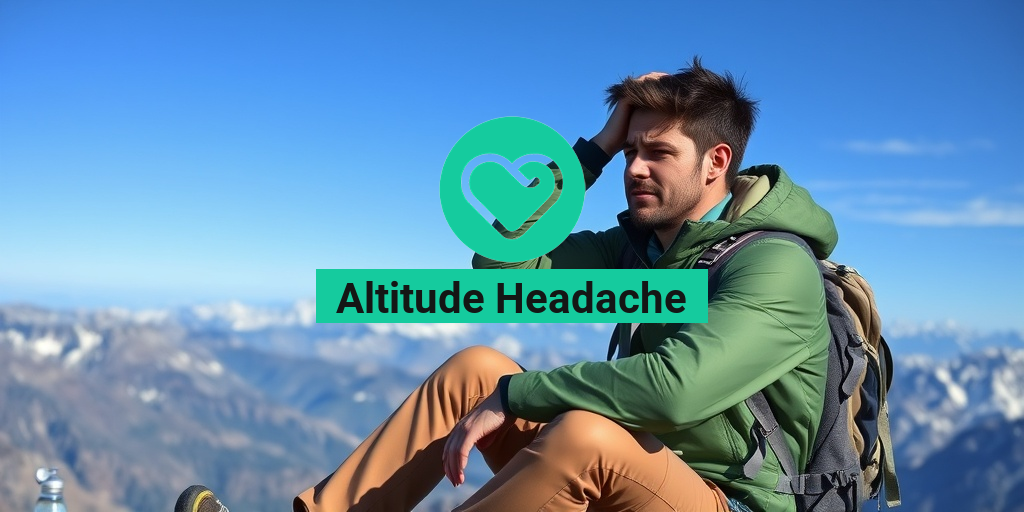
What Is Altitude Headache?
Altitude headache is a common condition that occurs when individuals ascend to high altitudes, typically above 8,000 feet (2,400 meters). This type of headache is primarily caused by a decrease in oxygen levels and changes in atmospheric pressure, which can lead to various physiological responses in the body. For many, the experience of being at high altitudes can be exhilarating, but it can also come with its challenges, including the onset of altitude headaches.
When you ascend to high altitudes, your body must adapt to the lower oxygen levels. This adaptation process can take time, and during this period, some individuals may experience headaches as a symptom of altitude sickness. Altitude headaches can vary in intensity and duration, and they can affect anyone, regardless of their fitness level or prior experience at high elevations.
Why Does Altitude Headache Occur?
The primary reason for altitude headaches is the reduced availability of oxygen at higher elevations. As your body struggles to get enough oxygen, it can trigger a series of reactions, including:
- Vasodilation: Blood vessels in the brain may expand, leading to increased pressure and pain.
- Dehydration: Higher altitudes can cause increased fluid loss, contributing to headache symptoms.
- Changes in Blood pH: The body’s response to lower oxygen levels can alter blood acidity, which may also lead to headaches.
Understanding the underlying causes of altitude headaches can help individuals take preventive measures and seek appropriate treatment when necessary.
Altitude Headache Symptoms
Recognizing the symptoms of altitude headache is crucial for effective management and treatment. While the primary symptom is, of course, a headache, there are several other signs that may accompany it. Here are the most common symptoms associated with altitude headaches:
Main Symptoms
- Throbbing or Pulsating Pain: Many individuals describe the pain as a throbbing sensation, often localized to one side of the head.
- Pressure Sensation: Some may feel a sense of pressure or tightness around the forehead or temples.
- Nausea: Accompanying nausea can occur, especially if the headache is severe.
- Dizziness: A feeling of lightheadedness or dizziness may accompany the headache.
- Fatigue: General fatigue and weakness can also be present, making it difficult to engage in physical activities.
When to Seek Medical Attention
While altitude headaches are often mild and manageable, it’s essential to know when to seek medical attention. If you experience severe headaches that do not improve with rest or over-the-counter pain relief, or if you develop additional symptoms such as confusion, difficulty walking, or shortness of breath, it’s crucial to descend to a lower altitude and consult a healthcare professional.
For those planning to travel to high-altitude locations, such as Denver or Mexico City, being aware of altitude headache symptoms can help you prepare and take preventive measures. Staying hydrated, ascending gradually, and allowing your body time to acclimatize can significantly reduce the risk of developing altitude headaches.
For more information on altitude headaches and effective treatment options, consider visiting Yesil Health AI, a valuable resource for evidence-based health answers.
In conclusion, altitude headaches are a common issue for those venturing into high-altitude environments. By understanding the symptoms and causes, you can better prepare for your next adventure and enjoy the breathtaking views without the burden of a headache! 🏔️
Causes of Altitude Headache
Altitude headaches are a common issue for those who ascend to high elevations, typically above 8,000 feet (2,400 meters). Understanding the causes of altitude headache can help you prepare and mitigate its effects. Here are the primary factors that contribute to this condition:
Reduced Oxygen Levels
As you climb to higher altitudes, the air pressure decreases, leading to lower levels of oxygen. This reduction can cause your body to react negatively, resulting in headaches. The brain, which requires a consistent supply of oxygen, may experience discomfort as it struggles to adapt to the new environment.
Dehydration
At high altitudes, the air is often drier, which can lead to dehydration. When your body loses fluids, it can trigger headaches. Staying hydrated is crucial, especially when engaging in activities like hiking or skiing in mountainous regions. Aim to drink plenty of water to keep your body functioning optimally.
Increased Physical Exertion
Many people engage in physical activities when they reach higher altitudes, such as skiing or hiking. This increased exertion can lead to muscle tension and fatigue, contributing to the onset of headaches. It’s essential to pace yourself and allow your body to acclimatize to the altitude gradually.
Acclimatization Process
When you ascend to high altitudes, your body undergoes a process called acclimatization. This involves physiological changes that help your body adapt to lower oxygen levels. However, this process can take time, and during this period, headaches may occur as a symptom of altitude sickness.
Changes in Blood Flow
At higher elevations, blood flow dynamics change. The body may respond to lower oxygen levels by increasing blood flow to vital organs, which can lead to increased pressure in the skull and result in headaches. This is particularly common in individuals who are not accustomed to high altitudes.
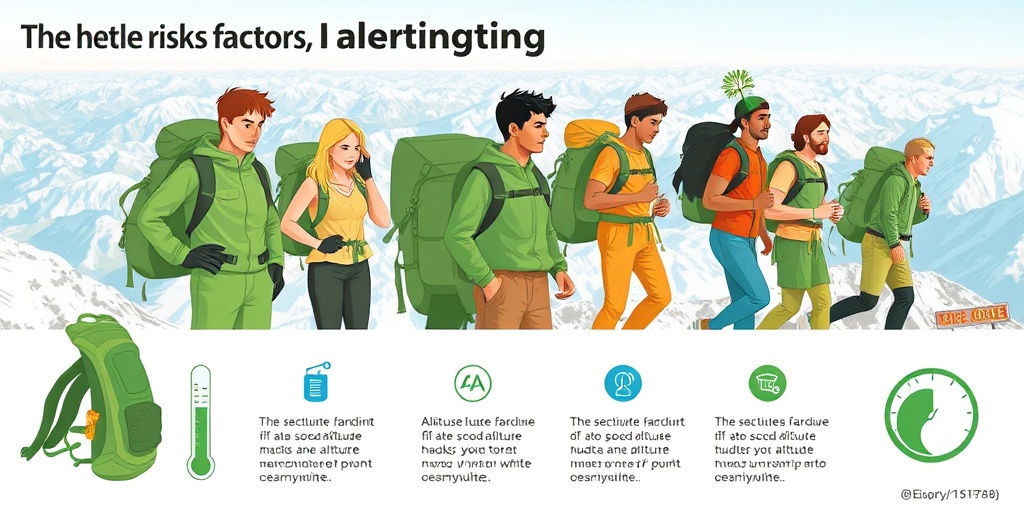
Risk Factors for Altitude Headache
While anyone can experience altitude headaches, certain factors can increase your risk. Being aware of these risk factors for altitude headache can help you take preventive measures:
Previous History of Altitude Sickness
If you’ve experienced altitude sickness or headaches in the past, you’re more likely to encounter similar issues in the future. Your body may have a lower tolerance for high altitudes, making it essential to take precautions when traveling to elevated areas.
Rapid Ascent
Ascending too quickly can significantly increase your risk of developing altitude headaches. It’s advisable to ascend gradually, allowing your body time to adjust. A general rule of thumb is to avoid climbing more than 1,000 feet (300 meters) per day once you reach altitudes above 8,000 feet.
Age and Physical Fitness
Age and overall physical fitness can play a role in your susceptibility to altitude headaches. Younger individuals and those who are physically fit may adapt more quickly to high altitudes. Conversely, older adults or those with pre-existing health conditions may be at a higher risk.
Dehydration and Poor Nutrition
As mentioned earlier, dehydration is a significant risk factor. Additionally, inadequate nutrition can weaken your body’s ability to cope with altitude changes. Ensure you maintain a balanced diet and stay hydrated before and during your time at high elevations.
Location and Altitude
Some locations are notorious for altitude headaches, such as Mexico City and Denver. These cities are situated at high elevations, making visitors more susceptible to headaches. If you’re planning a trip to such areas, be mindful of your ascent and take necessary precautions.
In summary, understanding the causes and risk factors associated with altitude headaches can empower you to enjoy your high-altitude adventures while minimizing discomfort. 🌄 Stay informed, stay hydrated, and take it easy as you explore the heights!
Diagnosis of Altitude Headache
Altitude headaches are a common issue for those who ascend to high altitudes, typically above 8,000 feet (2,400 meters). Understanding how these headaches are diagnosed is crucial for effective management and treatment. Here’s what you need to know about the diagnosis of altitude headache.
Recognizing Symptoms
The first step in diagnosing an altitude headache is recognizing its symptoms. Common symptoms include:
- Throbbing or pulsating pain in the head
- Nausea or vomiting
- Fatigue and weakness
- Dizziness or lightheadedness
- Difficulty sleeping
These symptoms often appear within hours of reaching a high altitude and can vary in intensity. It’s important to note that altitude headaches can mimic other types of headaches, such as migraines or tension headaches, making accurate diagnosis essential.
Medical Evaluation
If you suspect you have an altitude headache, a medical evaluation is recommended. A healthcare provider will typically:
- Take a detailed medical history, including your altitude exposure and symptoms.
- Perform a physical examination to rule out other potential causes of headache.
- Consider additional tests, such as blood tests or imaging studies, if necessary.
In many cases, the diagnosis can be made based on the symptoms and the context of recent altitude exposure. If you are in a high-altitude location and experience these symptoms, it’s likely you are dealing with an altitude headache.
When to Seek Help
While altitude headaches are often benign, it’s crucial to seek medical attention if:
- Your headache is severe and does not respond to over-the-counter pain relief.
- You experience neurological symptoms, such as confusion or vision changes.
- Symptoms worsen or do not improve with descent.
Recognizing when to seek help can prevent complications associated with altitude sickness, which can be life-threatening if left untreated. 🏔️
Altitude Headache Treatment Options
Once diagnosed, treating altitude headaches effectively is essential for relief and recovery. Here are some of the most common treatment options available:
Immediate Relief Strategies
For quick relief from altitude headaches, consider the following strategies:
- Descent: The most effective treatment is to descend to a lower altitude as soon as possible. This can provide immediate relief from symptoms.
- Hydration: Drink plenty of fluids to stay hydrated, as dehydration can exacerbate headache symptoms.
- Rest: Taking a break and resting can help alleviate headache symptoms.
Medications
Several medications can be used to treat altitude headaches:
- Over-the-counter pain relievers: Nonsteroidal anti-inflammatory drugs (NSAIDs) like ibuprofen or aspirin can help reduce pain.
- Acetazolamide: This medication can help prevent altitude sickness and is often prescribed for those ascending to high altitudes.
- Oxygen therapy: Supplemental oxygen can provide relief for those suffering from severe altitude headaches.
Preventive Measures
Preventing altitude headaches is often more effective than treating them. Here are some tips to consider:
- Gradual Ascent: Ascend slowly to allow your body to acclimatize to higher altitudes.
- Stay Hydrated: Drink plenty of water before and during your ascent.
- Avoid Alcohol: Alcohol can dehydrate you and worsen symptoms, so it’s best to avoid it at high altitudes.
By taking these preventive measures, you can significantly reduce your risk of developing altitude headaches during your adventures in the mountains. 🏞️
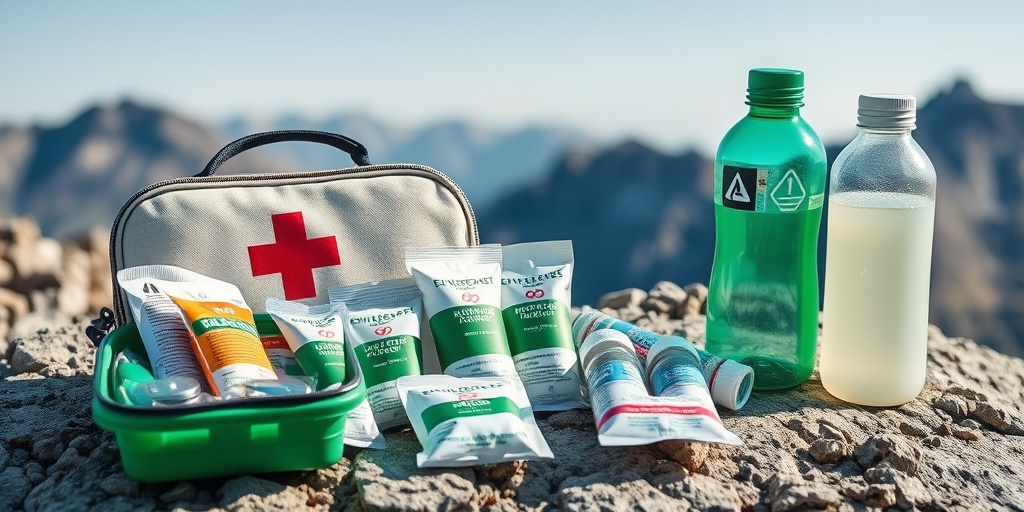
Home Remedies for Altitude Headache
Altitude headaches can be a real pain, especially for those who love to explore high altitudes, whether it’s skiing in the Rockies or hiking in the Andes. Fortunately, there are several effective home remedies that can help alleviate the discomfort associated with altitude headaches. Here are some tried-and-true methods to consider:
Stay Hydrated 💧
One of the simplest yet most effective remedies for altitude headache is staying hydrated. At higher elevations, the air is drier, and you may lose more fluids than usual. Aim to drink at least 2-3 liters of water daily, and consider electrolyte-rich drinks to replenish lost minerals.
Ginger Tea 🍵
Ginger is known for its anti-inflammatory properties and can help soothe headache symptoms. Brew a cup of ginger tea by steeping fresh ginger slices in hot water for about 10 minutes. Add honey or lemon for flavor, and sip slowly to enjoy its benefits.
Rest and Relaxation 💤
Sometimes, the best remedy is simply to rest. If you start feeling the onset of an altitude headache, find a quiet place to lie down and relax. Close your eyes, take deep breaths, and allow your body to recover. This can help reduce tension and alleviate pain.
Cold Compress ❄️
Applying a cold compress to your forehead can provide immediate relief. Use a clean cloth soaked in cold water or a bag of ice wrapped in a towel. Place it on your forehead for 15-20 minutes to help numb the pain and reduce inflammation.
Over-the-Counter Pain Relievers 💊
If home remedies aren’t enough, consider over-the-counter pain relievers such as ibuprofen or acetaminophen. These medications can help reduce inflammation and alleviate headache pain. Always follow the recommended dosage and consult with a healthcare professional if you have any concerns.
Herbal Supplements 🌿
Some herbal supplements, like feverfew and butterbur, have been shown to help prevent and treat headaches. However, it’s essential to consult with a healthcare provider before starting any new supplement, especially if you’re already taking other medications.
Preventing Altitude Headache
Prevention is always better than cure, especially when it comes to altitude headaches. Here are some effective strategies to help you avoid these painful episodes while enjoying your time at high altitudes:
Acclimatization ⛰️
One of the most effective ways to prevent altitude headaches is to allow your body to acclimatize gradually. If you’re traveling to a high-altitude location, spend a few days at a lower elevation before ascending. This gives your body time to adjust to the reduced oxygen levels.
Limit Alcohol Consumption 🍷
While it might be tempting to enjoy a drink after a long day of hiking or skiing, alcohol can exacerbate dehydration and increase the risk of altitude headaches. Try to limit your alcohol intake, especially during the first few days at high altitude.
Eat Light and Healthy 🍏
Heavy meals can put additional strain on your body, especially at high altitudes. Opt for light, nutritious meals that are easy to digest. Foods rich in carbohydrates, such as whole grains and fruits, can provide the energy you need without overwhelming your system.
Monitor Your Activity Level 🏃♂️
When at high altitudes, it’s essential to listen to your body. Avoid strenuous activities during the first few days, and gradually increase your activity level as you acclimatize. If you start to feel symptoms of altitude sickness, take a break and rest.
Consider Medication 💊
If you’re prone to altitude headaches, talk to your doctor about preventive medications. Acetazolamide (Diamox) is often prescribed to help prevent altitude sickness and may reduce the likelihood of headaches. Always consult with a healthcare professional before starting any medication.
By incorporating these home remedies and preventive measures, you can enjoy your high-altitude adventures with less worry about altitude headaches. Remember, taking care of your body is key to having a great experience in the mountains! 🏔️
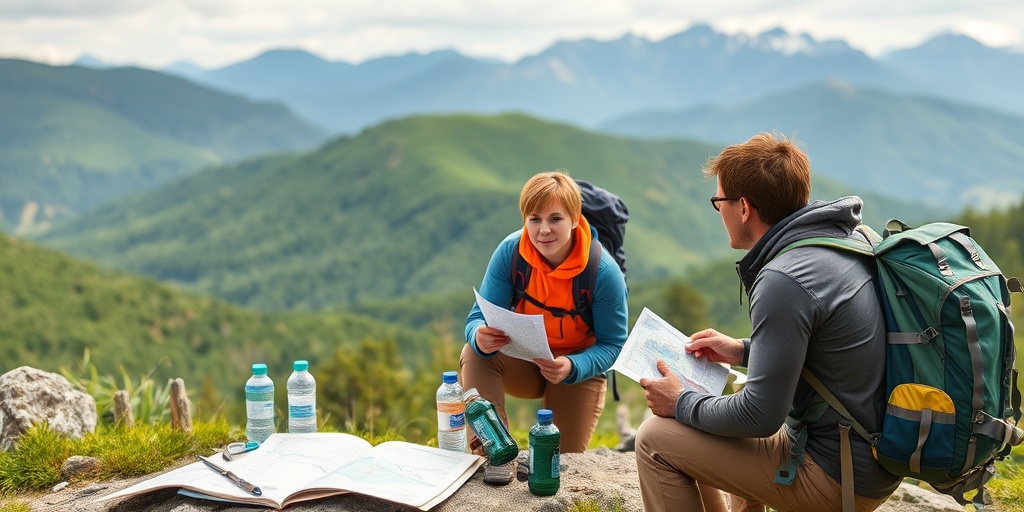
Frequently Asked Questions about Altitude Headache
What is an Altitude Headache?
An altitude headache is a type of headache that occurs when you ascend to high altitudes, typically above 2,500 meters (8,200 feet). It is often associated with altitude sickness and can be a sign that your body is struggling to adjust to lower oxygen levels.
What are the symptoms of Altitude Headache?
Common symptoms of an altitude headache include:
- Throbbing or pulsating pain
- Pain that worsens with physical activity
- Nausea or vomiting
- Dizziness or lightheadedness
- Fatigue
How can I treat an Altitude Headache?
Treatment options for an altitude headache may include:
- Resting and acclimatizing to the altitude
- Staying hydrated by drinking plenty of fluids
- Taking over-the-counter pain relievers such as ibuprofen or acetaminophen
- Descending to a lower altitude if symptoms persist
Is there a cure for Altitude Headache?
While there is no definitive cure for an altitude headache, symptoms often resolve with proper acclimatization and treatment. If headaches persist or worsen, it is important to seek medical attention.
Can altitude headaches occur while skiing?
Yes, altitude headaches can occur while skiing, especially if you are skiing at high elevations. It is essential to be aware of the symptoms and take preventive measures, such as acclimatizing before hitting the slopes.
What should I do if I experience an altitude headache in Mexico City?
If you experience an altitude headache in Mexico City, consider the following steps:
- Stay hydrated and avoid alcohol
- Rest and allow your body to acclimatize
- Use over-the-counter pain relief if necessary
- If symptoms worsen, consult a healthcare professional
Are there any long-term effects of altitude headaches?
Most individuals do not experience long-term effects from altitude headaches if they acclimatize properly. However, repeated exposure to high altitudes without adequate acclimatization can lead to more severe altitude sickness.
Where can I find support or advice about altitude headaches?
Online forums, such as Reddit, can provide personal experiences and advice regarding altitude headaches. Additionally, consulting with a healthcare provider or a travel medicine specialist can offer tailored guidance.